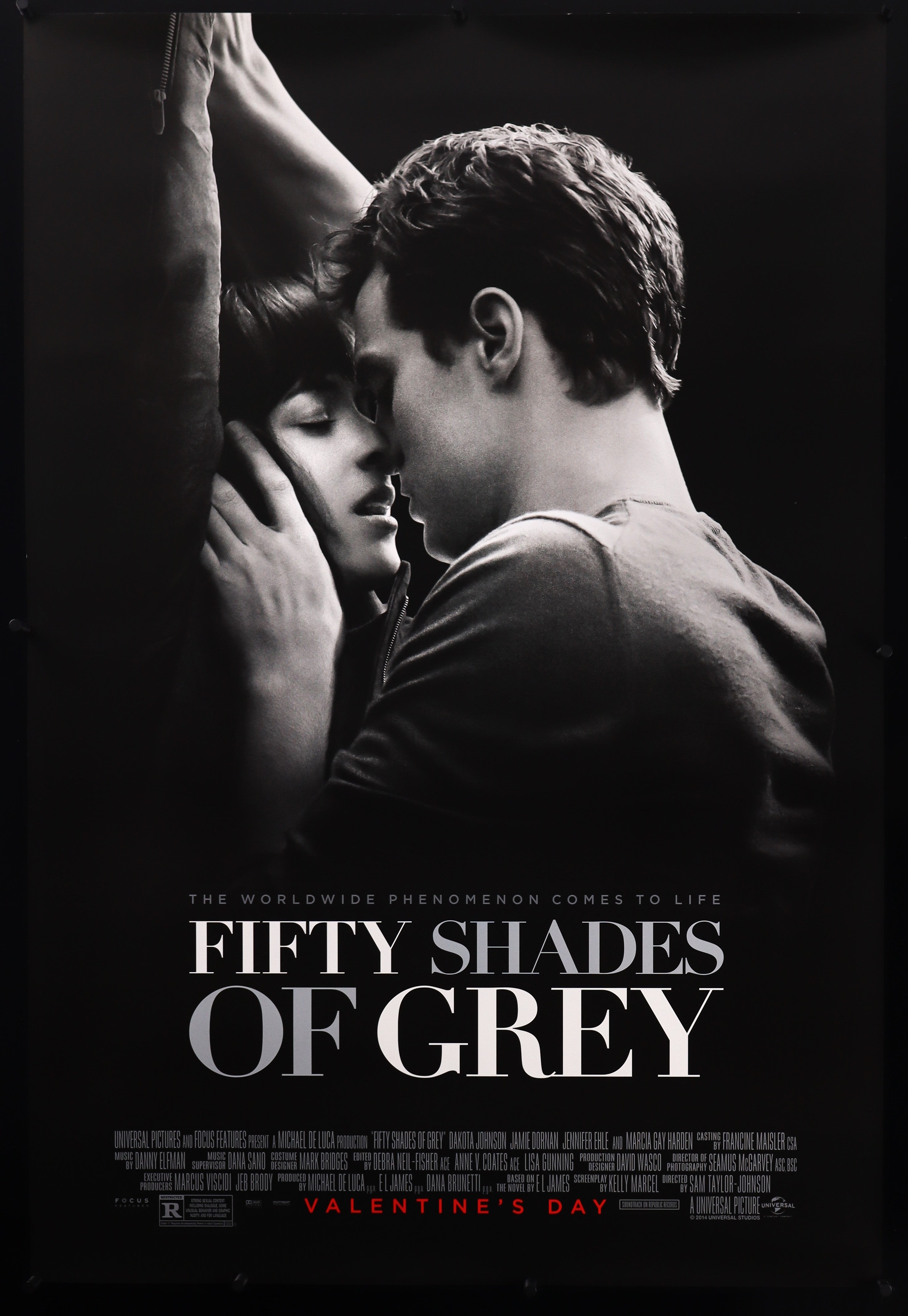
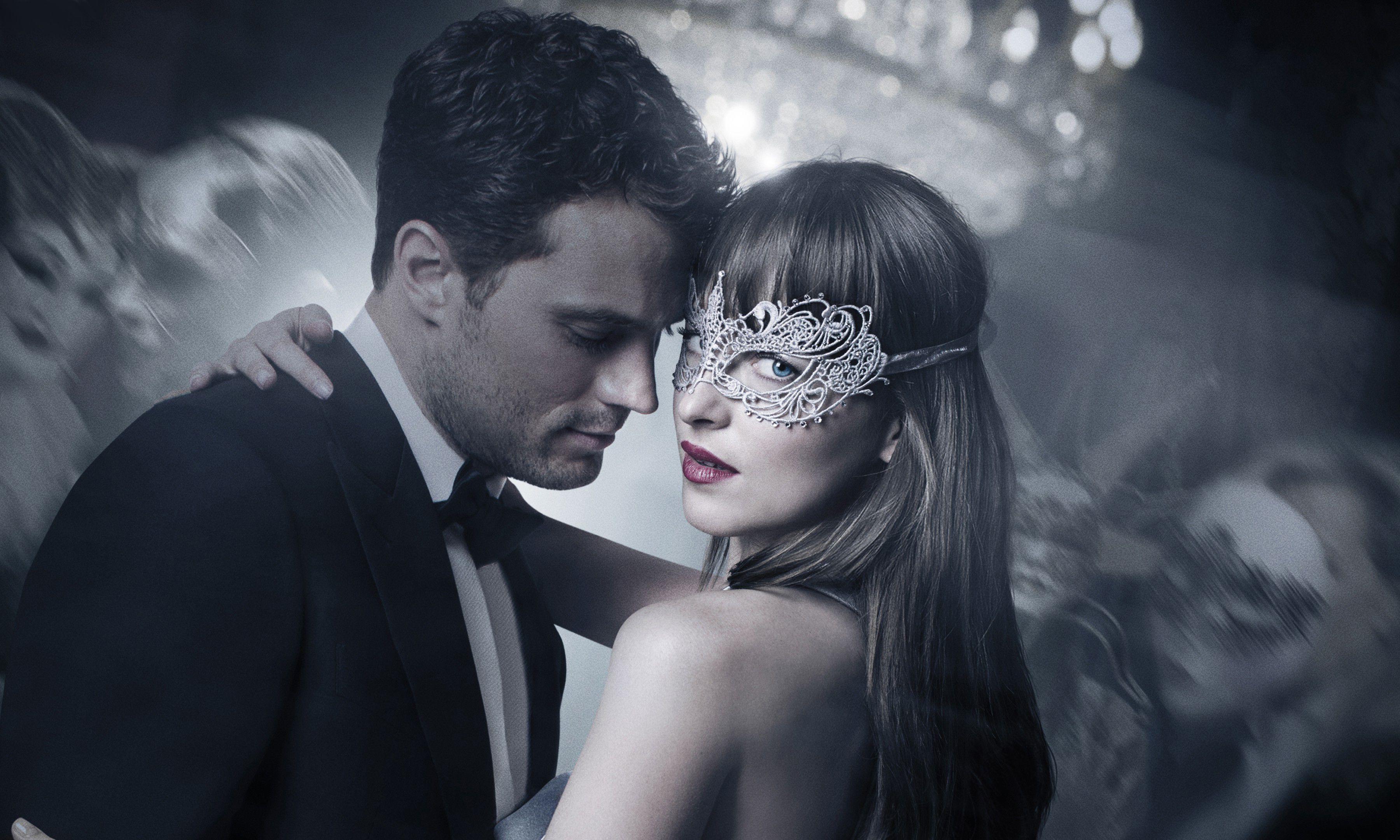
Fifty Shades Darker serves as the second cinematic installment in the multi-billion-dollar erotic romantic drama franchise based on E.L. James’s bestselling novel trilogy. Directed by James Foley and starring Dakota Johnson as Anastasia Steele and Jamie Dornan as Christian Grey, the film picks up the complex psychological and romantic narrative established in Fifty Shades of Grey (2015), shifting its thematic focus from initial contract negotiation and sexual exploration to emotional maturity, personal boundaries, and overcoming external trauma.
The Cinematic Journey: From Page to Screen
The transition of Fifty Shades Darker from the written word to the silver screen involved substantial shifts behind the scenes. Following the commercial success of the first film, Universal Pictures sought a fresh creative direction, leading to the departure of the original director, Sam Taylor-Johnson. James Foley took over the director’s chair, bringing a background in thriller and drama direction that altered the aesthetic of the series. Furthermore, Niall Leonard, the husband of author E.L. James, penned the screenplay, ensuring a faithful adaptation of the core plot points while navigating the delicate balance between explicit romance and mainstream cinematic distribution guidelines.
Unlike its predecessor, which relied heavily on the novelty of the Red Room of Pain and the meticulous establishment of dominant-submissive contract terms, the second movie explores the consequences of those boundaries. Anastasia has walked away from Christian at the end of the first film, forcing the billionaire protagonist to reevaluate his approach to relationships, control, and vulnerability. This structural pivot allows the narrative to evolve from a niche erotic drama into a more traditional romantic thriller, incorporating elements of suspense, workplace dynamics, and historical trauma that haunt the primary characters.
Principal Cast and Character Development
The success of Fifty Shades Darker rests heavily on the returning chemistry between its two lead actors, supported by a newly expanded ensemble cast that introduces significant antagonists and mentors from Christian Grey’s past.
- Dakota Johnson as Anastasia Steele: Ana has evolved from a naive, submissive college graduate into an empowered publishing assistant. In the second film, she actively sets terms, demanding equality, respect, and a relationship free from secrets before she considers returning to Christian's life.
- Jamie Dornan as Christian Grey: Christian undergoes a profound psychological transformation. Stripped of his absolute control, he must confront his deep-seated fears of abandonment and the abusive trauma of his childhood, portrayed through panic attacks and emotional regression.
- Kim Basinger as Elena Lincoln (Mrs. Robinson): Introducing a formidable antagonistic force, Basinger plays Christian's former business partner and the older woman who introduced him to the lifestyle as a teenager. Her presence tests the newly formed trust between Christian and Ana.
- Bella Heathcote as Leila Williams: A former submissive of Christian’s who suffers from severe psychological instability, Leila becomes the primary source of romantic suspense and physical peril for Ana, highlighting the dangerous realities of Christian's past entanglements.
- Eric Johnson as Jack Hyde: Ana’s predatory and manipulative boss at Seattle Independent Publishing, Hyde provides workplace tension and serves as a foil to Christian's protective, albeit controlling, instincts.
Narrative Arc and Thematic Evolution
The plot of Fifty Shades Darker revolves around reconciliation, negotiation, and threat neutralization. The narrative begins with Ana and Christian reuniting under modified terms—"no rules, no punishments, and no more secrets." However, this newfound domestic and emotional harmony is immediately tested by ghosts from both characters' pasts.
The film examines several complex themes that elevate it beyond simple romantic melodrama:
- Redefining Power Dynamics: Christian must learn to trade absolute dominance for emotional equality, while Ana learns to navigate a world of immense wealth, luxury, and invasive public scrutiny without losing her independence.
- Trauma and Recovery: Both lead characters carry significant psychological scars. Christian's nightmares and panic attacks humanize a character previously depicted as an untouchable titan of industry, while Ana's resilience proves that emotional healing requires confronting historical abusers rather than hiding from them.
- Jealousy and External Threat: The inclusion of Leila Williams and Elena Lincoln tests whether Ana can accept Christian's complicated history without allowing insecurity to fracture their bond. Simultaneously, Jack Hyde’s professional misconduct escalates into criminal behavior, forcing the couple to unite against a common external enemy.
Production Design, Cinematography, and Soundtrack
Visually, Fifty Shades Darker distinguishes itself through heightened production values and a sophisticated color palette. Cinematographer John Schwartzman utilized anamorphic lenses to give the film a lush, classic Hollywood romance feel, contrasting sharply with the colder, sterile tones of the first film's early sequences. Seattle locations, masked-ball galas, and upscale urban apartments are rendered with meticulous attention to detail, emphasizing the stark divide between Christian's opulent lifestyle and Ana's grounded origins.
A defining characteristic of the franchise is its curated musical landscape. The soundtrack for the second movie achieved significant commercial acclaim, anchored by the Grammy-nominated lead single "I Don't Wanna Live Forever" by Taylor Swift and Zayn Malik. The orchestral score, composed by Danny Elfman, blends seamlessly with contemporary pop and R&B tracks to underscore emotional beats, romantic reconciliation, and moments of genuine psychological suspense.
Critical Reception and Box Office Performance
Upon its theatrical release in February 2017, Fifty Shades Darker met with mixed critical reviews, much like its predecessor. Critics pointed to uneven pacing, predictable melodrama, and dialogue that occasionally leaned into unintentional camp. However, many reviewers acknowledged that the film represented an improvement in narrative momentum, pacing, and chemistry compared to the first installment, largely praising Dakota Johnson’s grounded and relatable performance.
Commercially, the film was a major financial success. Operating on an estimated production budget of approximately $55 million, Fifty Shades Darker grossed over $381 million worldwide at the global box office. This financial triumph validated Universal Pictures' decision to shoot Fifty Shades Darker and the final installment, Fifty Shades Freed, back-to-back, solidifying the trilogy as a reliable, high-yield cinematic property.
Comparative Overview of the Fifty Shades Trilogy Films
| Feature / Metric | Fifty Shades of Grey (2015) | Fifty Shades Darker (2017) | Fifty Shades Freed (2018) |
|---|---|---|---|
| Director | Sam Taylor-Johnson | James Foley | James Foley |
| Primary Conflict | Contract negotiation and initial submission | Trust, past submissives, and external stalkers | Marriage, domestic security, and kidnapping |
| Tone | Erotic, atmospheric, and introductory | Romantic thriller, psychological drama | Domestic suspense, high-stakes resolution |
| Box Office Gross | ~$571 million | ~$381 million | ~$372 million |
| Key Antagonist(s) | Internal fears and rigidity | Elena Lincoln, Leila Williams, Jack Hyde | Jack Hyde |
Frequently Asked Questions
What is the title of the second movie in the Fifty Shades series?
The second movie is titled Fifty Shades Darker. It directly continues the story of Anastasia Steele and Christian Grey following the events of the 2015 film Fifty Shades of Grey, focusing on their reconciliation and the external threats that challenge their relationship.
Who directed the second Fifty Shades movie?
James Foley directed Fifty Shades Darker. He replaced Sam Taylor-Johnson, who directed the first film. Foley brought a background in dramatic and suspenseful storytelling, which shifted the tone of the sequel toward a romantic thriller.
Are the explicit scenes different in the second movie compared to the first?
While Fifty Shades Darker retains an R-rating for strong sexual content, nudity, and language, the narrative focus shifts away from introductory BDSM exploration toward emotional intimacy, relationship communication, and psychological healing. The erotic elements are integrated into a broader plot involving suspense and character growth.
Where can I stream or watch Fifty Shades Darker?
Streaming availability varies by region and platform licensing agreements. The film is widely available for digital rental or purchase across major video-on-demand platforms, including Amazon Prime Video, Apple TV, Google Play, and Vudu, and is frequently rotated through subscription streaming services.
Does the second movie follow the book closely?
Yes, Fifty Shades Darker closely follows the plot of E.L. James’s second novel of the same name. While minor narrative trims and adaptations were made to fit standard feature-film runtimes, major plot points—including the masquerade ball, the return of Leila, and the conflict with Jack Hyde—remain faithful to the source material.
Conclusion and Recommendations
For viewers seeking to understand the full scope of the cinematic franchise, watching Fifty Shades Darker is essential to bridge the gap between the initial exploratory phase of the first film and the ultimate domestic resolution of Fifty Shades Freed. To fully appreciate the narrative context, viewers should watch the films in chronological order, starting with Fifty Shades of Grey. Those interested in deeper character motivations may also consider reading E.L. James's companion novels written from Christian Grey's perspective (Darker), which offer additional psychological insight into the events depicted on screen.