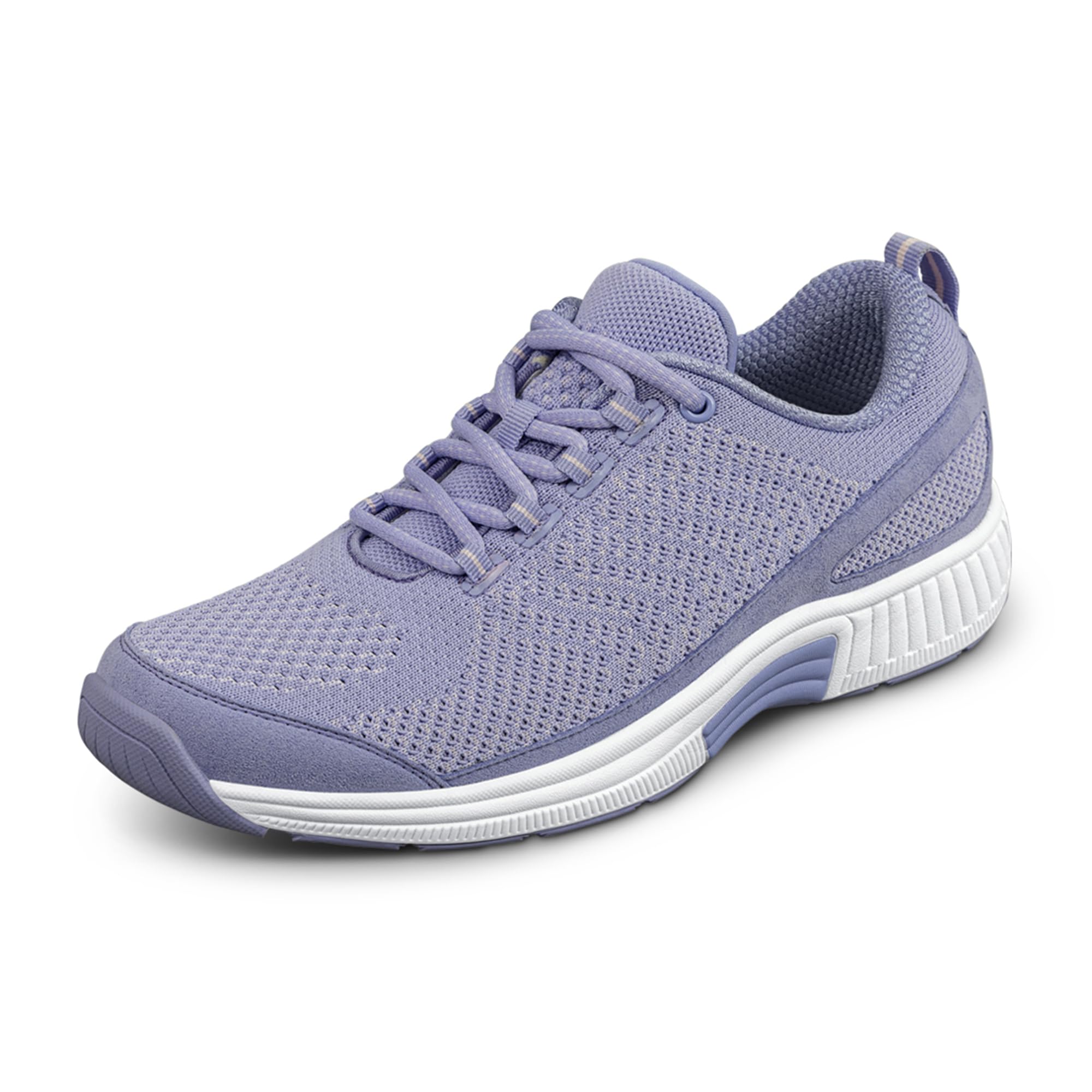
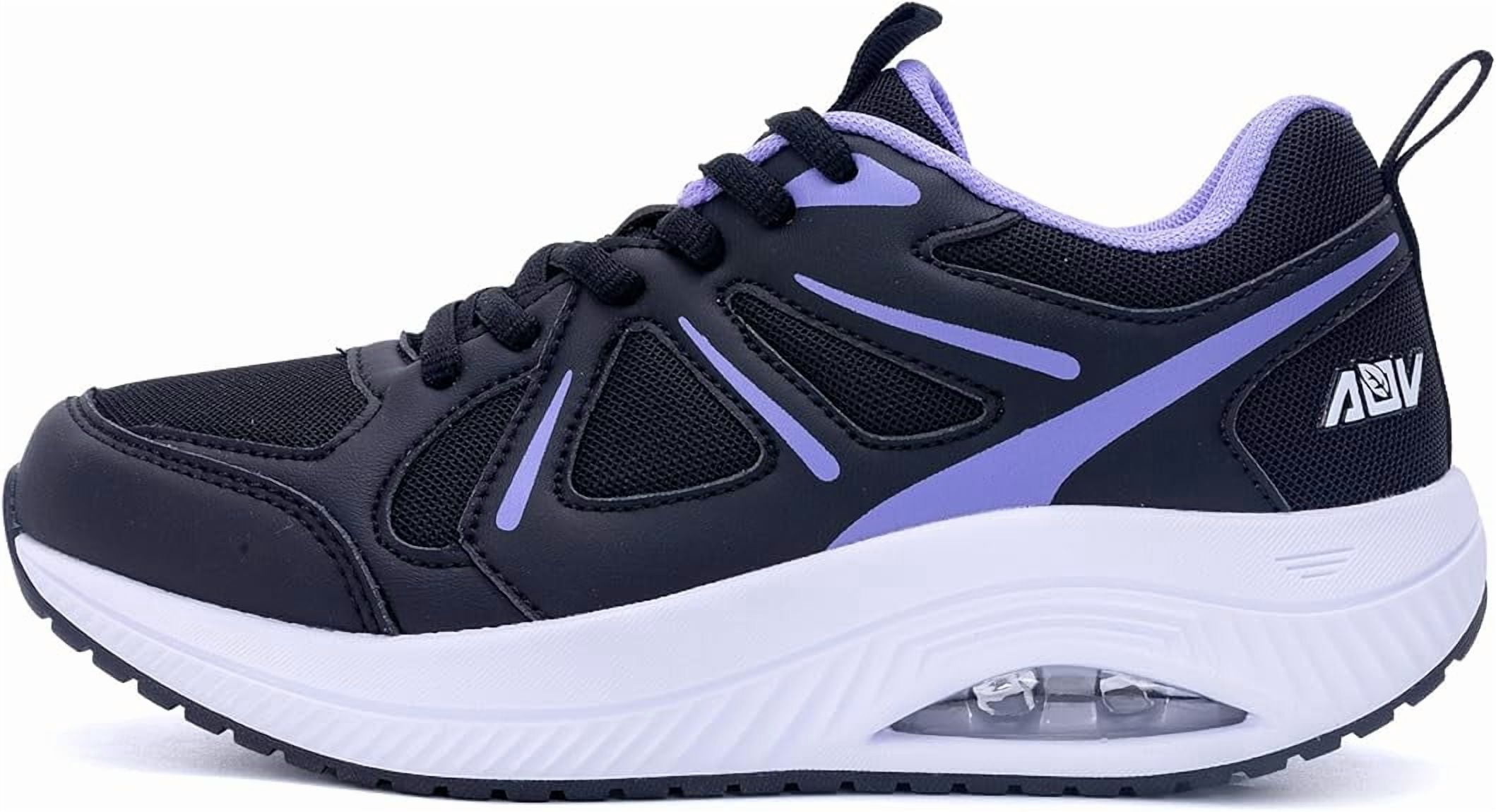
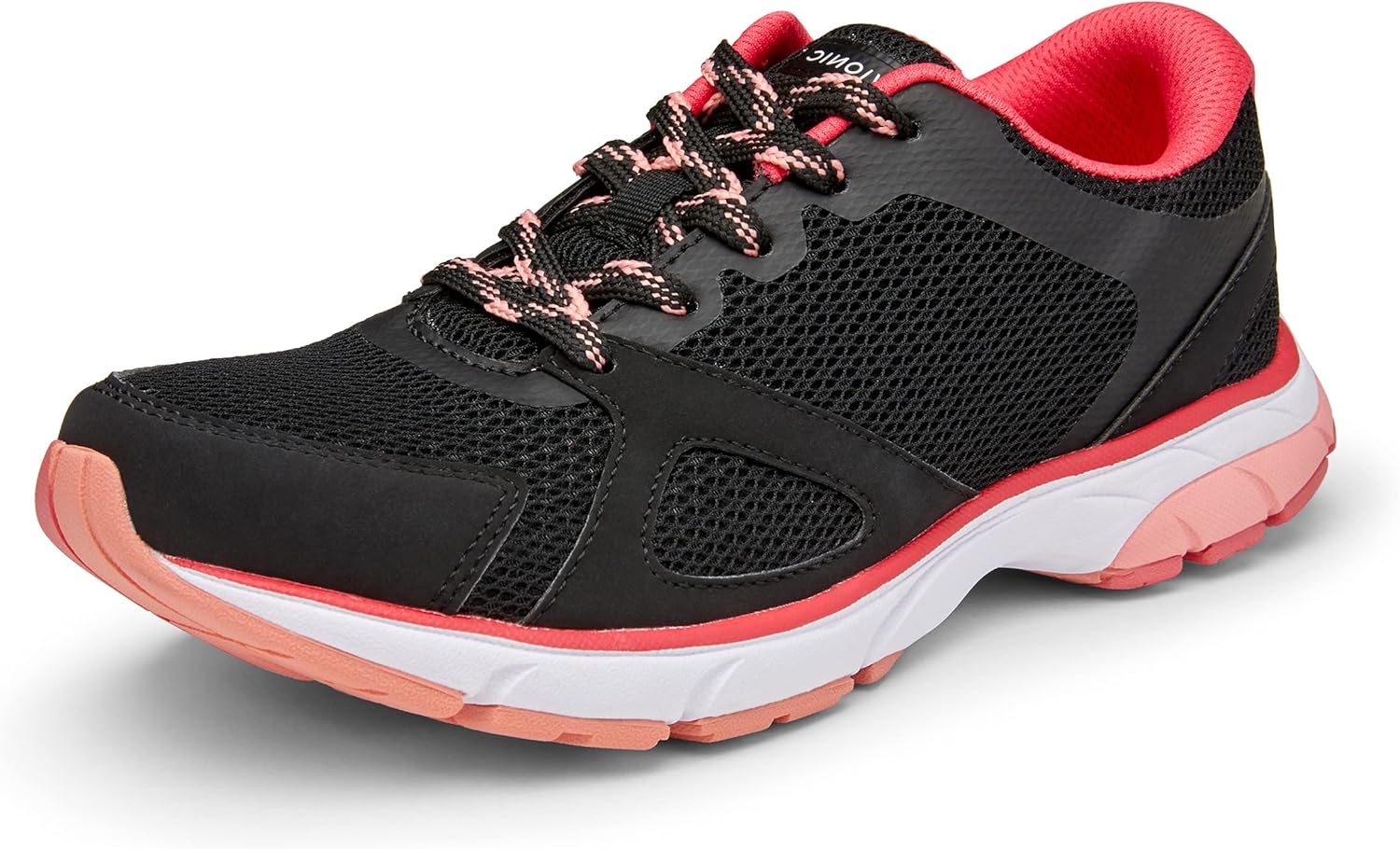
The best walking shoes for arthritis relief prioritize maximum shock absorption, structural stability, and a rocker-sole design to minimize joint stress. Leading options in 2026 include the Hoka Bondi series for cushioning, Orthofeet for medical-grade support, and Brooks for motion control, each designed to reduce inflammation and improve daily mobility.
Arthritis is a complex condition that affects over 350 million people worldwide, frequently targeting the 26 bones and 33 joints of the human foot. Whether you are managing Osteoarthritis (OA), which involves the wear and tear of cartilage, or Rheumatoid Arthritis (RA), an autoimmune condition causing joint inflammation, the physical impact on your gait is profound. When the joints in the feet, ankles, and knees cannot effectively manage the impact of walking, the body requires external assistance.
In 2026, footwear technology has evolved to provide more than just "softness." Modern orthopedic engineering now focuses on bio-mechanical alignment and kinetic energy management. Choosing the right shoe is not merely a matter of comfort; it is a clinical necessity for maintaining an active lifestyle and preventing secondary complications like hip or lower back pain.
Essential Features of Arthritis-Friendly Footwear
Before selecting a specific model, it is vital to understand the mechanical requirements of an arthritic foot. A shoe that looks comfortable may lack the structural integrity needed to prevent joint "grinding" or excessive pronation.
1. Maximum Cushioning and Shock Absorption
The primary goal for arthritis sufferers is to reduce the "peak impact force" that occurs every time the heel hits the ground. In 2026, advanced midsole materials like nitrogen-infused EVA (Ethylene Vinyl Acetate) and supercritical foams provide superior dampening without the heavy weight of traditional rubbers. This cushioning acts as a surrogate for lost cartilage, absorbing energy that would otherwise travel directly into the sub-talar or knee joints.
2. Rocker Sole Geometry
A "rocker" sole is a curved design where the heel and toe are slightly tapered upward. This geometry is essential for individuals with limited mobility in the great toe (hallux rigidus) or the midfoot. By creating a natural rolling motion, the shoe completes the "toe-off" phase of the gait cycle for you, significantly reducing the range of motion required by the joints. According to clinical studies on gait mechanics in arthritis, rocker soles can reduce pressure on the forefoot by up to 30%.
3. Wide and Deep Toe Boxes
Arthritis often leads to secondary deformities such as bunions (hallux valgus) or hammertoes. A narrow shoe creates friction, leading to skin breakdown and increased pain. A deep toe box allows the toes to splay naturally and accommodates custom orthotics without making the shoe feel tight or restrictive.
4. Firm Heel Counters and Lateral Stability
While cushioning is important, "mushy" shoes can be dangerous. An arthritic joint is often an unstable joint. A firm heel counter—the plastic or composite structure at the back of the shoe—keeps the heel locked in place, preventing the ankle from rolling inward (overpronation) or outward (supination), which can exacerbate knee pain.
Top 5 Walking Shoes for Arthritis Relief in 2026
The following selections represent the pinnacle of footwear engineering for joint health, balancing clinical efficacy with modern aesthetics.
1. Hoka Bondi Series (Current 2026 Edition)
The Hoka Bondi remains the gold standard for maximalist cushioning. Known for its thick midsole and early-stage Meta-Rocker, it provides a plush ride that is unmatched for those with severe osteoarthritis in the knees and hips.
- Best For: Overall shock absorption and knee joint protection.
- Key Advantage: The incredibly wide platform provides a stable base of support, reducing the risk of trips and falls.
- Limitation: The high stack height may feel "disconnected" from the ground for some users.
2. Orthofeet Coral/Sorento Collection
Orthofeet has carved a niche by designing shoes specifically for medical conditions. Their 2026 models feature the "Orth-Step" system, which includes a premium orthotic insole with anatomical arch support.
- Best For: Multiple foot deformities and hand arthritis.
- Key Advantage: Many models offer a "tie-less" lacing system or easy-strap closures, making them ideal for individuals whose hand arthritis makes tying laces difficult.
- Limitation: Often heavier than dedicated athletic brands.
3. Brooks Addiction Walker 2
For those who require motion control, the Brooks Addiction Walker 2 is a staple. It is a "stiff" shoe by design, which is exactly what is needed for midfoot arthritis or severe overpronation.
- Best For: Stability and structural support.
- Key Advantage: It features a "Extended Progressive Diagonal Rollbar," a support system that guides the body back into its natural path of motion.
- Limitation: Lacks the "springy" feel of the Hoka, focusing instead on rigid alignment.
4. New Balance 928v3
New Balance has long been a favorite of podiatrists due to its availability in multiple widths (from 2A to 6E). The 928v3 utilizes "ROLLBAR" technology to reduce rear-foot movement.
- Best For: Users with wide feet or those who use bulky custom orthotics.
- Key Advantage: The compression-molded EVA provides consistent cushioning that doesn't "bottom out" over long distances.
- Limitation: The aesthetic is functional and clinical rather than sporty.
5. Skechers Hands-Free Slip-ins: Arch Fit
In 2026, convenience is a major factor in arthritis relief. The Skechers Arch Fit combines a podiatrist-certified arch support system with a "hands-free" entry design.
- Best For: Ease of use and mild to moderate arch pain.
- Key Advantage: The heel pillow design allows users to step into the shoe without bending over or using their hands, a critical feature for those with spinal or hip arthritis.
- Limitation: Not as durable for heavy, high-mileage walking compared to New Balance or Brooks.
Comparison of Top Arthritis Walking Shoes
| Shoe Model | Primary Benefit | Stability Level | Closure Type | Best For |
|---|---|---|---|---|
| Hoka Bondi | Max Cushioning | Neutral/Stable | Laces | Knee/Hip Arthritis |
| Orthofeet Coral | Orthopedic Support | High | Tie-less/Straps | Sensitive Feet/Bunions |
| Brooks Addiction | Motion Control | Maximum | Laces/Velcro | Overpronation/Midfoot Pain |
| New Balance 928 | Custom Fit | High | Laces/Velcro | Wide Feet/Orthotics |
| Skechers Arch Fit | Arch Support | Moderate | Slip-on | Hand Arthritis/Back Pain |
Understanding the Connection Between Footwear and Joint Alignment
The human body functions as a "kinetic chain." When the foundation—the feet—is misaligned due to arthritic changes, the stress is transferred upward. For example, if the arches of the feet collapse, the shins rotate inward, causing the knees to knock together (valgus stress). This specific misalignment is a primary driver of medial compartment osteoarthritis in the knee.
By utilizing shoes with medial post support or contoured footbeds, you can manually correct this rotation. This is why professional gait analysis is often recommended before purchasing high-end walking shoes. Many specialty running and walking stores in 2026 utilize 3D pressure mapping to identify exactly where your foot is striking the ground and where the pressure is most intense.
The Role of Orthotics in Arthritis Management
While the shoes listed above provide excellent internal support, many patients require custom orthotics. It is a common mistake to place an orthotic on top of the shoe's existing insole. This reduces the "volume" of the shoe, leading to pressure on the top of the foot and potential nerve impingement.
When testing shoes for arthritis:
- Remove the factory insole: Ensure the shoe is designed with a removable footbed.
- Check for "Bottoming Out": If you can press your thumb through the foam easily, it likely won't support your weight or your orthotic effectively.
- Check the Flex Point: An arthritis shoe should flex at the ball of the foot (toes), not in the middle of the arch. A shoe that bends in the middle provides no structural support for the midfoot joints.
Practical Tips for Buying and Wearing Shoes in 2026
- Shop in the Afternoon: Feet naturally swell throughout the day. A shoe that fits perfectly at 9:00 AM may be painfully tight by 4:00 PM, especially for those with inflammatory RA.
- The Rule of Thumb: There should be approximately a thumb's width of space between your longest toe and the end of the shoe. Arthritis can cause toes to "claw," and extra space prevents bruising.
- Replace Regularly: Even if the tread looks fine, the internal cushioning (the midsole) typically loses its shock-absorbing properties after 300 to 500 miles. For a daily walker, this means new shoes every 6 to 9 months.
- Sock Choice Matters: Pair your shoes with seamless, moisture-wicking socks. Seams can irritate arthritic joints or skin that has become thin due to corticosteroid treatments.
Frequently Asked Questions
Can I use running shoes for walking if I have arthritis?
Yes, many running shoes, such as the Hoka Bondi or Brooks Ghost, are excellent for walking. Running shoes are often engineered with higher levels of shock absorption than standard "mall walkers." However, ensure the shoe is not too "springy" or unstable, as walking requires a different heel-to-toe transition than running.
How do I know if I need a rocker-bottom shoe?
If you experience sharp pain in the ball of your foot or if your big toe is stiff and difficult to bend (Hallux Rigidus), a rocker-bottom shoe is likely necessary. It allows you to move forward without the toe having to hinge upward, which is often the most painful part of a step.
Is memory foam good for arthritis?
Generally, no. While memory foam feels soft initially, it often compresses completely under weight and does not provide "rebound" or structural support. For arthritis, look for "closed-cell" foams or polyurethane, which offer more consistent support over time.
Should I choose Velcro over laces?
If you have arthritis in your fingers or wrists, Velcro or "Hands-Free" systems are superior. They allow you to maintain independence. However, if your hand function is fine, laces are preferred because they allow for a more "infinitely adjustable" fit, which is helpful if one foot is more swollen than the other.
Does a higher price always mean better relief?
Not necessarily, but with orthopedic footwear, you are often paying for specialized materials and research. Cheap shoes use basic foam that collapses quickly. Investing in a brand like New Balance or Brooks ensures the support structures (like the Rollbar or medial posts) are actually engineered to medical standards.
Summary and Next Steps
Selecting the right walking shoe is a foundational step in managing arthritis. By focusing on shock absorption, rocker-sole geometry, and proper width, you can significantly reduce the mechanical load on your joints.
Next Action: Consult with a podiatrist to determine your specific foot type (flat, neutral, or high arches). Once you have this information, visit a professional fitment center to try on at least three of the models mentioned above. Remember to bring your custom orthotics and the socks you plan to wear most often to ensure the most accurate fit.