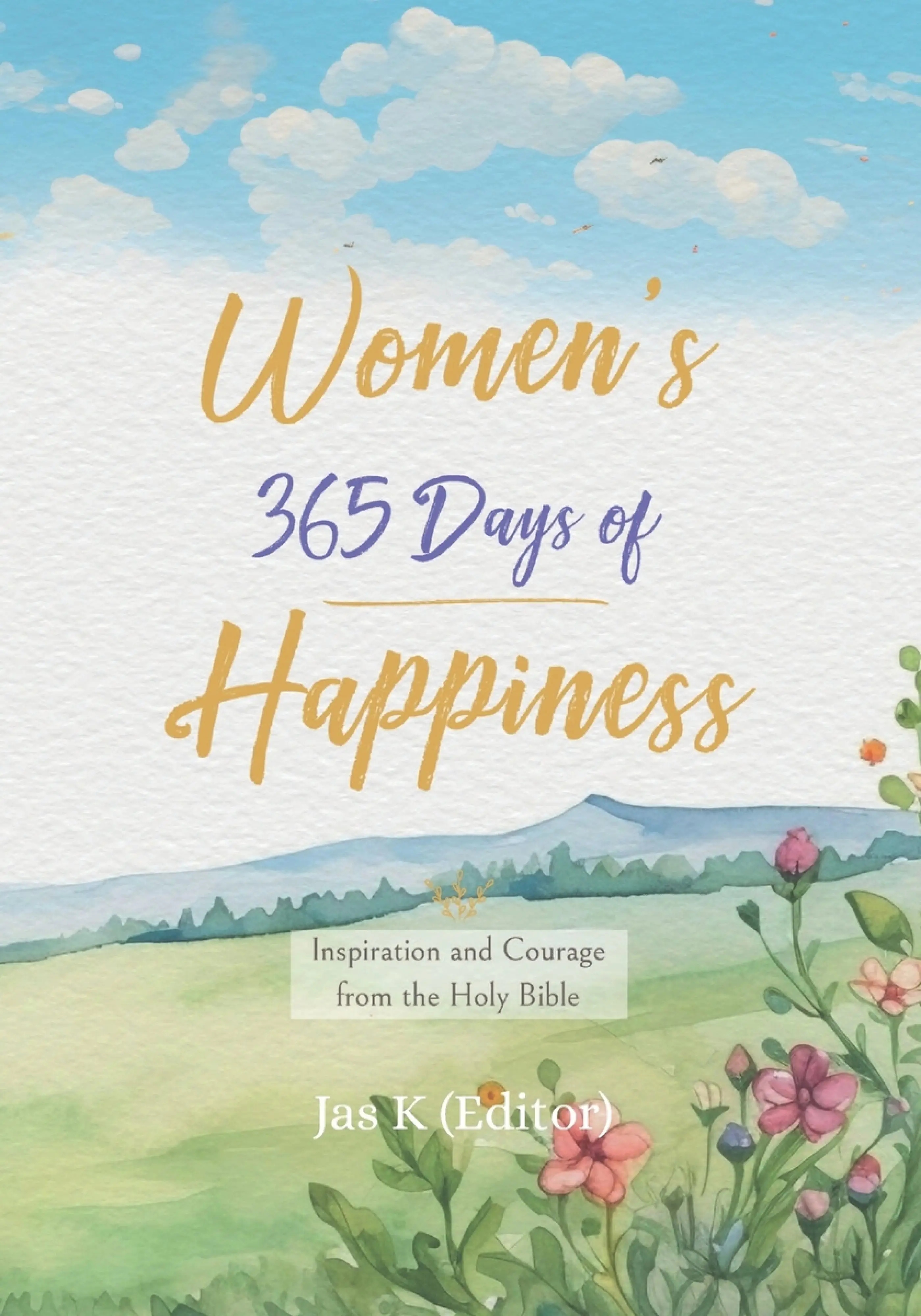
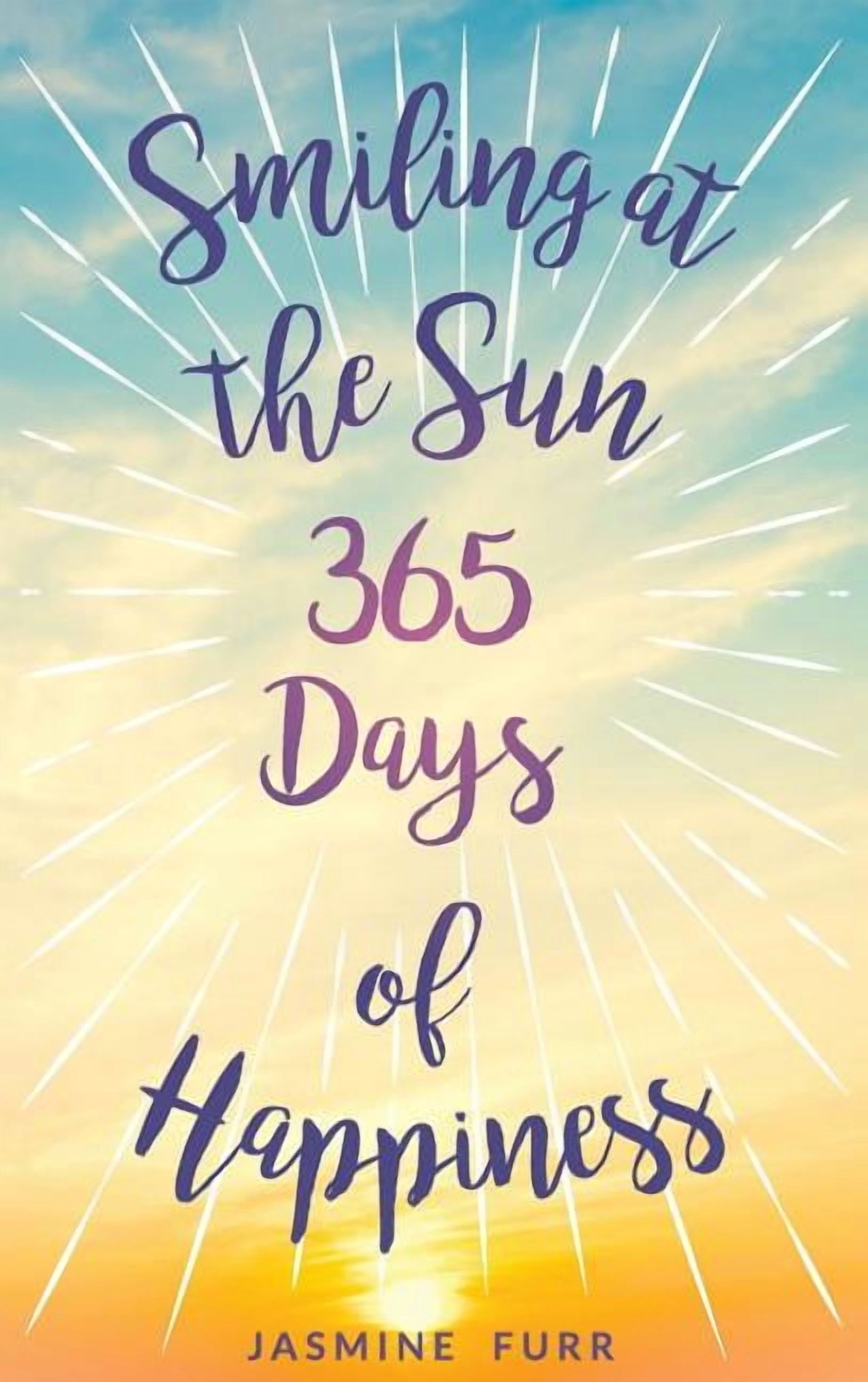
Achieving 365 days of happiness involves a committed, year-long practice of cultivating emotional resilience, intentional mindfulness, and positive habit formation. This journey is not about maintaining constant euphoria, but rather about developing the mental tools to find joy, purpose, and gratitude every day, regardless of external circumstances or life's inevitable fluctuations.
Understanding the Philosophy of Year-Long Happiness
The concept of "365 days of happiness" is often associated with the work of Jacqueline Pirtle, an author and holistic practitioner whose 2018 book, 365 Days of Happiness, popularized the idea that joy is a skill that can be practiced daily. However, in a broader psychological context, this objective aligns with the principles of positive psychology and the "Broaden-and-Build" theory developed by Barbara Fredrickson. This theory suggests that positive emotions do more than just make us feel good; they broaden our sense of possibilities and help us build physical, intellectual, and social resources.
To commit to a full year of happiness in 2026, one must first distinguish between hedonic happiness (the pursuit of pleasure) and eudaimonic happiness (the pursuit of meaning). A 365-day challenge focuses on the latter, emphasizing that happiness is a "muscle" that requires consistent training. When you view happiness as a choice rather than a destination, the goal shifts from waiting for happy events to happen to actively identifying and creating moments of joy within the mundane.
This approach is grounded in the concept of neuroplasticity. By intentionally focusing on positive stimuli for 365 consecutive days, you are essentially rewiring your brain’s neural pathways. This reduces the influence of the "negativity bias"—the evolutionary tendency to focus on threats and problems—and increases the "positivity offset," which is the tendency to experience a mildly positive mood when no specific emotional events are occurring.
The Pillars of a Daily Happiness Practice
Maintaining a positive outlook for an entire year requires a multi-faceted strategy. You cannot rely on willpower alone; you must build a framework of habits that support your emotional state.
1. Intentional Mindfulness and Awareness
The core of many 365-day challenges is the "five-minute shift." This involves taking five minutes every day to consciously move your focus from stress or boredom toward something that feels good. This is not about denying negative emotions—a practice known as toxic positivity—but rather about acknowledging that joy can coexist with difficulty. By practicing mindfulness, you become an observer of your thoughts, allowing you to catch negative spirals before they dominate your day.
2. Radical Gratitude
Gratitude is perhaps the most scientifically validated tool for increasing subjective well-being. A 365-day gratitude practice involves identifying at least three specific things you are grateful for each day. The key is specificity. Instead of saying "I am grateful for my family," one might say "I am grateful for the way the sun hit the kitchen table during breakfast today." This forces the brain to scan the environment for positive details, a habit that becomes automatic over months of practice.
3. Physical Foundations of Joy
Happiness is deeply physiological. For a year-long commitment to be successful, one must manage the biological markers of stress. This includes:
- Sleep Hygiene: Consistent circadian rhythms regulate dopamine and serotonin levels.
- Movement: Exercise releases endorphins and reduces cortisol.
- Nutrition: The gut-brain axis plays a massive role in mood regulation; a diet high in processed sugars can lead to emotional volatility.
Implementing the 365-Day Challenge: A Quarterly Roadmap
Success in a year-long endeavor is best achieved by breaking the 365 days into manageable phases. In 2026, the following roadmap can help structure your progress from initial excitement to permanent lifestyle integration.
Quarter 1: The Foundation (Days 1–90)
The first three months are dedicated to habit formation. During this period, the goal is to establish "anchor habits." This might include a morning meditation or a nightly gratitude journal. Research suggests that while the "21 days to form a habit" myth persists, the reality is closer to 66 days for most people to reach "automaticity." Use the first quarter to experiment with different happiness tools to see which ones resonate with your personality.
Quarter 2: Expansion and Social Connection (Days 91–180)
Once individual habits are set, the second quarter focuses on externalizing happiness. Positive psychology heavily emphasizes the importance of social relationships. During these months, focus on "prosocial behavior," such as acts of kindness, volunteering, or deepening connections with friends and family. Happiness is often amplified when shared, and creating a supportive social circle provides a safety net for the remainder of the year.
Quarter 3: Resilience and The "Mid-Year Dip" (Days 181–270)
By month seven, initial enthusiasm often wanes. This is the most critical phase for the 365-day goal. This period should focus on resilience training. This involves learning how to navigate "unhappy" days without abandoning the challenge. Understanding that a "bad day" does not mean a "bad year" is vital. Reframing challenges as opportunities for growth ensures that the habit of happiness remains intact even during periods of high stress.
Quarter 4: Reflection and Integration (Days 271–365)
The final quarter is about looking back at the data gathered over the year. Reviewing journals or habit trackers allows you to see patterns in what truly brings you joy. By this point, the practices should no longer feel like "work"; they have become part of your identity. The goal of the final 90 days is to transition from a "challenge" mindset to a permanent "lifestyle" mindset.
Comparison of Common Daily Happiness Practices
| Practice | Time Required | Primary Benefit | Scientific Basis |
|---|---|---|---|
| Gratitude Journaling | 5–10 mins | Increases optimism and sleep quality | Greater Good Science Center studies on neural reward systems. |
| Mindfulness Meditation | 10–20 mins | Reduces anxiety and improves focus | Amygdala shrinkage and prefrontal cortex thickening. |
| Acts of Kindness | Variable | Boosts "Helper's High" (oxytocin) | Research from the American Psychological Association on prosociality. |
| Physical Activity | 30 mins | Regulates mood and energy levels | Immediate release of BDNF and endorphins. |
| Awe-Walking | 15–20 mins | Shifts perspective and reduces ego | Studies on the "awe" response reducing inflammation. |
Overcoming Obstacles: What to Do on "Un-Happy" Days
A common mistake in the "365 days of happiness" journey is the expectation of a perfect streak. Life in 2026—as in any year—will present challenges, from professional setbacks to personal grief. The secret to completing the year is not the absence of sadness, but the presence of emotional agility.
When a truly difficult day occurs, the objective shifts from "feeling happy" to "finding a micro-moment of peace." This might be as simple as acknowledging the warmth of a cup of tea or the comfort of a soft blanket. If you miss a day of your practices, the "Never Miss Twice" rule is a powerful psychological tool. Missing one day is an accident; missing two is the start of a new habit. Forgive yourself immediately and return to the practice the following morning.
Avoid the "arrival fallacy"—the belief that once you finish the 365 days, you will be permanently happy. The value of the 365-day challenge is not the 365th day itself, but the person you become through the process of trying.
Recommended Tools and Resources for 2026
To stay on track throughout the year, leverage modern tools designed to support habit consistency:
- Journals: The 365 Days of Happiness book by Jacqueline Pirtle provides daily prompts that are excellent for beginners. Alternatively, blank journals allow for more personalized reflection.
- Digital Trackers: Apps like "Day One" for journaling or "HabitShare" for social accountability can provide the structural reminders necessary to maintain a streak.
- Community Groups: Engaging with online communities or local "Happiness Clubs" can provide the social proof needed to stay motivated during the "Mid-Year Dip."
- Educational Resources: Following the latest research from institutions like the Harvard Study of Adult Development can keep you intellectually engaged with the "why" behind your practices.
Frequently Asked Questions
Is it realistic to expect to be happy for 365 consecutive days?
It is not realistic to feel "high-energy joy" every day, but it is realistic to practice the habits of happiness daily. The goal is to develop a baseline of contentment and the resilience to return to that baseline quickly after a setback. "365 days of happiness" refers to the commitment to the practice, not a guarantee of a specific mood.
What is the difference between the book "365 Days of Happiness" and the general challenge?
The book by Jacqueline Pirtle is a specific guide that offers daily "happiness bites" or prompts to help readers shift their vibration. The "365-day challenge" is a broader lifestyle movement that may incorporate Pirtle’s teachings along with other techniques like meditation, exercise, and gratitude journaling.
Does science support the idea of a year-long happiness habit?
Yes. Longitudinal studies in positive psychology suggest that intentional activities (like gratitude and mindfulness) can account for up to 40% of the variance in our happiness levels, with the rest being genetic and situational. Consistently practicing these activities for a year leverages the brain's ability to rewire itself through repetitive thought patterns.
What if I have a clinical condition like depression or anxiety?
While daily happiness practices are beneficial for general well-being, they are not a substitute for professional medical or psychological treatment. If you are struggling with a clinical condition, these practices should be used as a supplement to—not a replacement for—therapy or medication prescribed by a healthcare provider.
How do I start if I feel overwhelmed?
Start with the "Two-Minute Rule." Commit to just two minutes of a happiness-inducing activity, such as writing down one thing you are grateful for. Reducing the barrier to entry makes it much easier to start. You can expand the time as the habit becomes more comfortable.
Final Recommendation
For those embarking on a "365 Days of Happiness" journey in 2026, the most effective first step is to define what happiness means to you personally. Do not adopt someone else's definition of a "good life." Whether it is quiet solitude, professional achievement, or deep social connection, your daily practices should reflect your core values. Start today by choosing one "anchor habit"—such as a five-minute morning reflection—and commit to it for the next 30 days before adding more complexity. Consistency, not intensity, is the key to transforming your emotional landscape over the course of a year.