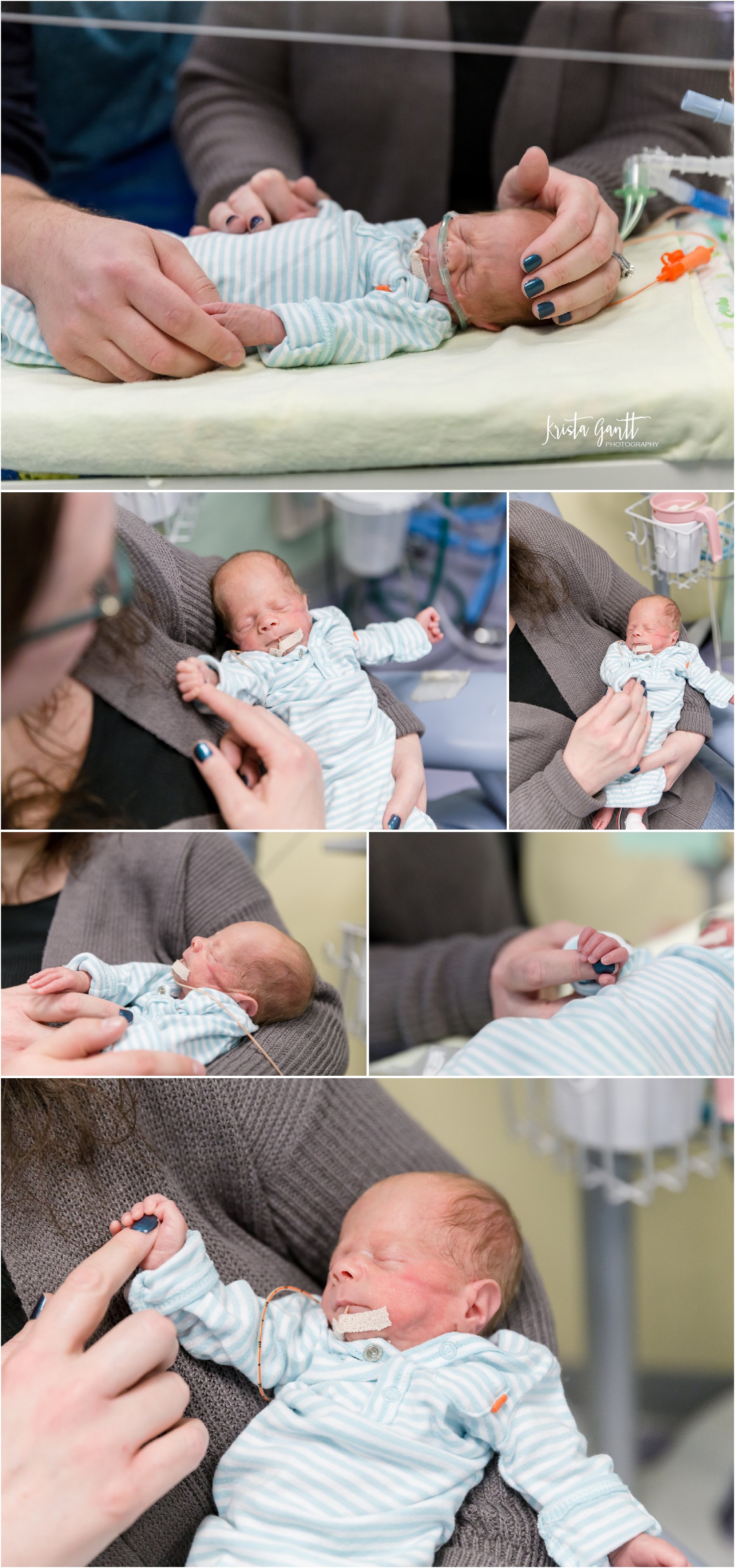
Infants born at 35 weeks gestation are classified as late preterm. While they often look like small full-term babies, they are physiologically and metabolically immature. Most 35-week preemies have a survival rate exceeding 99%, though they frequently require specialized support for respiratory stability, thermoregulation, and nutritional intake before they can safely transition to home care.
Understanding the Late Preterm Designation
A baby born at 35 weeks is entering the final stretch of gestation, but those last few weeks in the womb are critical for organ refinement. In the medical community, the period between 34 and 36 weeks is referred to as "late preterm." It is a common misconception that because a 35-weeker is "almost there," they will behave exactly like a full-term infant. In reality, these infants occupy a unique clinical space: they are often too healthy for the intensive interventions required by micro-preemies, yet too fragile to be treated with the "standard" care provided to 40-week newborns.
The distinction is vital for parents to understand because it sets the stage for the first few weeks of life. While a 35-week preemie may weigh between 4.5 and 5.5 pounds (approximately 2.1 to 2.5 kilograms), their internal systems—specifically the brain, lungs, and liver—are still undergoing rapid maturation. In 2026, neonatal protocols emphasize that these babies should be monitored closely for "vulnerabilities of immaturity," which can manifest suddenly even if the baby appears robust at birth.
Physical Characteristics and Development at 35 Weeks
At 35 weeks, a fetus is roughly the size of a honeydew melon. If born at this stage, the baby typically measures about 18 inches (45 centimeters) in length. While they have developed most of their physical features, there are subtle differences between them and full-term infants.
Skin and Subcutaneous Fat
A 35-week preemie has significantly less "brown fat" than a full-term baby. Brown fat is the specialized adipose tissue used by newborns to generate heat without shivering. Because this fat is primarily deposited during the final month of pregnancy, a 35-weeker may appear thinner, and their skin may seem more translucent or wrinkled. This lack of insulation makes them highly susceptible to hypothermia, even in a room that feels warm to adults.
Lanugo and Vernix
You may notice a fine, downy hair called lanugo on the baby’s shoulders, back, or forehead. While much of this usually sheds by week 38, it is often still present at week 35. Similarly, the vernix caseosa—the white, creamy substance that protects the skin in utero—may still be thick on their skin, as it typically begins to dissipate closer to the due date.
Neurological Maturity
One of the most significant "hidden" facts about a 35-week preemie is their brain development. At 35 weeks gestation, the brain weighs only about 60% to 65% of what it will weigh at 40 weeks. The cortical surface is still relatively smooth and is in the process of developing the complex folds (gyri and sulci) that characterize a mature brain. This means the central nervous system is still highly sensitive, and the baby may have difficulty self-soothing or managing sensory input like bright lights and loud noises.
Common Medical Challenges for 35-Week Infants
Most infants born at this stage will spend some time in a Neonatal Intensive Care Unit (NICU) or a Special Care Nursery. While their prognosis is excellent, they face several physiological hurdles that require medical surveillance.
Respiratory Distress Syndrome (RDS)
Lungs are among the last organs to fully mature. Although 35-weekers are much less likely to need mechanical ventilation than earlier preemies, they still lack the optimal amount of surfactant—a liquid that keeps the small air sacs in the lungs from collapsing. As a result, they may exhibit rapid breathing (tachypnea), grunting, or nasal flaring. In 2026, many hospitals utilize non-invasive respiratory support, such as CPAP (Continuous Positive Airway Pressure), to help keep the lungs inflated while the baby finishes producing their own surfactant.
Feeding Difficulties and Hypoglycemia
The "suck-swallow-breathe" coordination is a complex neurological task that usually matures between 34 and 36 weeks. A 35-week preemie may have the reflex to suck but lacks the stamina to complete a full feeding. They often tire out after a few minutes, leading to insufficient caloric intake. This poor feeding, combined with limited glucose stores in their liver, puts them at a high risk for hypoglycemia (low blood sugar). Doctors frequently use nasogastric (NG) tubes—a small tube passed through the nose into the stomach—to ensure the baby receives adequate nutrition without burning too many calories during the effort of feeding.
Hyperbilirubinemia (Jaundice)
Jaundice is extremely common in late preterm infants. Because their livers are immature, they cannot process bilirubin (a byproduct of red blood cell breakdown) as efficiently as full-term babies. If bilirubin levels rise too high, it can be toxic to the brain. Phototherapy—placing the baby under special blue lights—is the standard 2026 treatment to help the body break down bilirubin until the liver can take over the task.
Apnea of Prematurity
It is common for a 35-weeker to "forget" to breathe for short periods, a condition known as apnea. This happens because the respiratory center in the brain is not yet fully developed. These episodes are often accompanied by bradycardia (a slow heart rate). In the NICU, babies are placed on monitors that alert staff if the heart rate or oxygen saturation drops, allowing for immediate stimulation to remind the baby to breathe.
Comparison: 35-Week Preemie vs. Full-Term Newborn
The following table highlights the primary physiological differences that healthcare providers monitor during the transition from the womb to the nursery.
| Feature | 35-Week Preemie | Full-Term (39-40 Weeks) |
|---|---|---|
| Average Weight | 4.5 – 5.5 lbs (2.1 – 2.5 kg) | 7.0 – 8.0 lbs (3.2 – 3.6 kg) |
| Brain Mass | ~65% of full-term weight | 100% (fully developed folds) |
| Lung Maturity | Variable; may lack surfactant | Usually fully mature |
| Feeding Skills | Immature suck-swallow reflex | Fully coordinated |
| Temperature Control | Poor; requires incubator or extra layers | Stable; adequate body fat |
| Jaundice Risk | High; liver is immature | Lower; liver is more functional |
| Hospital Stay | Often 5–14 days in NICU/SCCN | Usually 24–48 hours |
The NICU Experience and Discharge Criteria
For parents, the transition to the NICU can be overwhelming. However, for a 35-weeker, the NICU is essentially an "external womb" designed to provide the warmth and support the baby missed out on by arriving early.
What to Expect in the Hospital
The environment is geared toward "minimal stimulation." Nurses and doctors aim to cluster care—performing diaper changes, feedings, and vitals checks all at once—to allow the baby long periods of restorative sleep. You will likely see your baby connected to a pulse oximeter (to measure oxygen) and perhaps a temperature probe.
The "Go-Home" Checklist
Hospitals follow strict 2026 safety guidelines before discharging a late preterm infant. To go home, a 35-week preemie must generally meet the following milestones:
- Thermoregulation: The baby must be able to maintain a stable body temperature in an open crib without the aid of an incubator.
- Feeding: They must be able to take all their required calories by bottle or breast without the need for a feeding tube.
- Weight Gain: There must be a consistent upward trend in the weight chart.
- Respiratory Stability: The baby must be free of apnea or bradycardia episodes for a specific "countdown" period (usually 48 to 72 hours).
- The Car Seat Test: Because preemies can have airway issues when sitting upright, many hospitals require a 90-to-120-minute "sit" in their car seat while monitored for oxygen desaturation.
Nutrition and Growth: Breastfeeding vs. Formula
Nutrition is a cornerstone of care for 35-weekers. While breast milk is considered the gold standard due to its immunological properties and easy digestibility, late preterm infants often need extra help.
Breastfeeding Challenges
Breastfeeding a 35-weeker requires patience. The baby may latch but fall asleep almost immediately. Lactation consultants often recommend "triple feeding" in the early days: attempting to breastfeed, then providing expressed milk or formula via a bottle or tube, and finally pumping to maintain the mother's milk supply.
Fortification
Because preemies need to catch up on growth, doctors may prescribe "fortifiers." These are nutrients added to expressed breast milk or specialized "preemie formulas" that provide higher concentrations of protein, calcium, and phosphorus than standard newborn formula. This extra boost is crucial for bone mineralization, which usually happens rapidly in the final weeks of pregnancy.
Long-term Outlook and "Corrected Age"
The long-term outlook for a 35-week preemie is overwhelmingly positive. Most of these children catch up to their peers by the age of two. However, it is essential to use "corrected age" when tracking milestones.
Calculating Corrected Age
If your baby was born 5 weeks early, you should subtract those 5 weeks from their chronological age when assessing development. For example, when your baby is 4 months old (chronological age), they may only be hitting the milestones of a 3-month-old (corrected age). This adjustment prevents unnecessary anxiety regarding "delays" that are actually just a result of their early arrival.
Potential Risks to Monitor
While most 35-weekers do well, studies indicate a slightly higher risk for:
- Learning Difficulties: Some late preterm infants may experience subtle challenges with executive function or attention as they reach school age.
- Respiratory Sensitivity: They may be more prone to RSV (Respiratory Syncytial Virus) or asthma-like symptoms in the first few years of life.
- Sensory Processing: Because the brain was still maturing outside the womb, some children may be more sensitive to sensory stimuli.
Early intervention is key. If you notice any significant lags in motor skills or speech, 2026 pediatric guidelines suggest early screening to provide physical or occupational therapy as soon as possible.
FAQ: Frequently Asked Questions
Is 35 weeks considered a "safe" time to give birth?
While 35 weeks is significantly safer than earlier gestations, it is not "full term." The survival rate is very high (over 99%), but the baby is still at risk for minor complications like jaundice, breathing issues, and feeding struggles. Doctors generally try to prevent delivery before 39 weeks unless there is a medical necessity, such as preeclampsia or fetal distress.
How long does a 35-week preemie stay in the NICU?
The stay varies depending on the individual baby’s ability to eat and stay warm. On average, a 35-weeker may stay in the hospital for 1 to 2 weeks. Some babies who are "feeders and growers" might only stay a few days, while others who struggle with jaundice or apnea may stay longer.
Can I breastfeed my 35-week preemie?
Yes, and it is highly encouraged. However, be prepared for the fact that a 35-weeker may not have the strength to nurse exclusively at first. You may need to pump to establish your supply and use a bottle or feeding tube to supplement until the baby matures.
Will my 35-weeker have developmental delays?
Most 35-weekers catch up to their full-term peers by age two. While they might hit early milestones (like rolling over or crawling) a few weeks "late" based on their birth date, they are usually right on track when using their corrected age.
When can my 35-weeker go out in public?
Because their immune systems are less developed, pediatricians in 2026 generally recommend avoiding crowded public places for the first few months, especially during flu and RSV season. Consult your doctor for a specific timeline based on your baby's health.
Summary of Next Actions for Parents
If you are expecting or have just delivered a 35-week preemie, your priority should be patience and observation. Focus on skin-to-skin contact (Kangaroo Care), which has been proven to stabilize heart rates and improve breastfeeding outcomes. Ensure you have a follow-up appointment with a pediatrician scheduled within 48 hours of discharge to monitor weight and jaundice. Finally, remember that your baby's "due date" is still the primary benchmark for their development—give them the time they need to bridge the gap between 35 and 40 weeks.