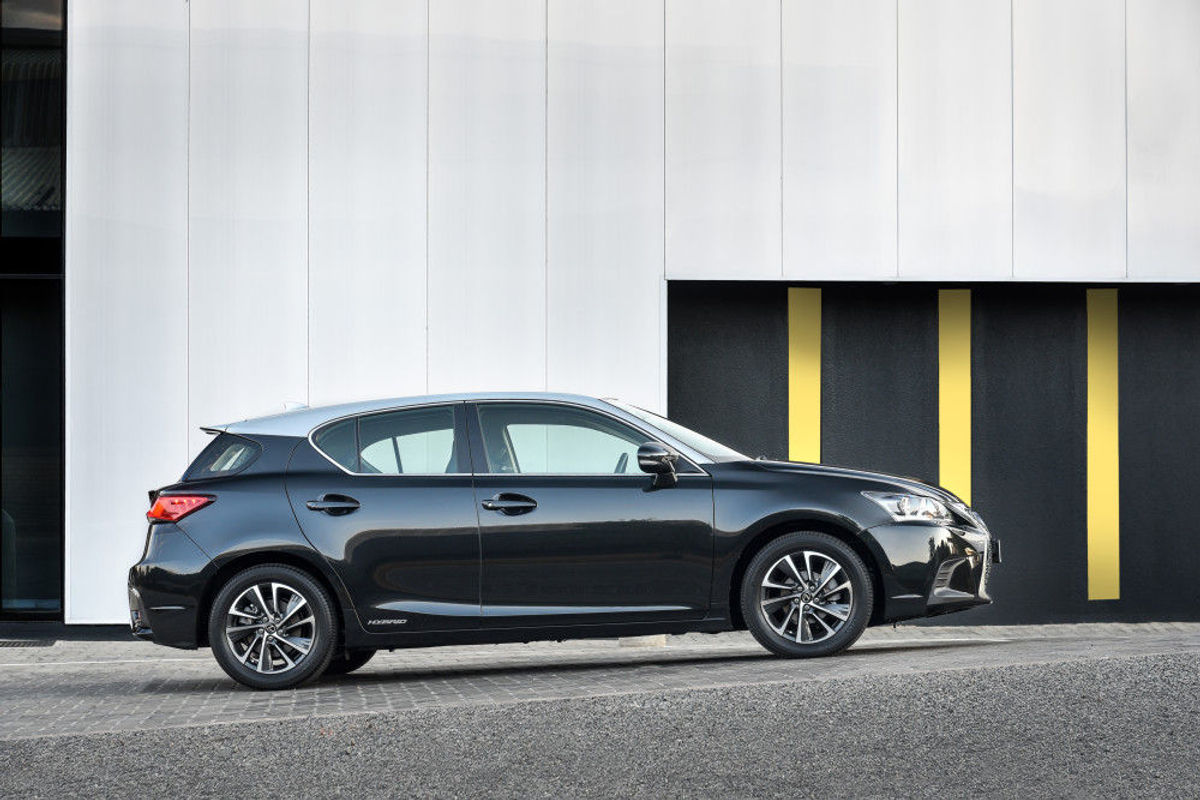
For hybrid car buyers seeking luxury, remarkable fuel economy, and hatchback utility, the 2018 Lexus CT offers a compelling blend of Toyota-derived reliability and upscale branding, though its aging infotainment technology and modest performance require careful consideration.
The automotive marketplace features a distinct divide between standard economy hybrids and premium electrified hatchbacks. For prospective hybrid buyers navigating the used car market, the 2018 Lexus CT represents a unique proposition. While North American sales of the Lexus CT concluded after the 2017 model year, the vehicle remained in production and available in international markets such as Europe, Japan, and other global regions through 2022. This global continuation, combined with its robust mechanical architecture shared with the Toyota Prius, ensures that the 2018 model year retains high relevance for pre-owned buyers prioritizing fuel efficiency, build quality, and compact dimensions.
Navigating the pre-owned market requires understanding what the Lexus CT excels at—and where it falls short compared to modern alternatives. This comprehensive evaluation examines the mechanical underpinnings, fuel efficiency metrics, interior ergonomics, ownership costs, and overall suitability of the 2018 Lexus CT for contemporary hybrid buyers.
Understanding the Lexus CT Lineage and the 2018 Model
To evaluate the 2018 Lexus CT accurately, buyers must first understand its place in automotive history. Introduced for the 2011 model year, the CT 200h was Lexus's entry into the luxury hybrid hatchback segment. Throughout its lifecycle, it relied on the proven third-generation Toyota Prius hybrid powertrain.
By 2018, the vehicle had received its second major refresh (originally introduced for the 2014 model year and updated again for 2018). This final evolution brought a heavily revised front fascia featuring the signature Lexus spindle grille, updated LED headlights, revised taillights, and enhanced interior safety features, including the introduction of the Lexus Safety System+ package on select trims.
For buyers in regions where the vehicle was officially sold, or those importing or evaluating clean titles from international markets, the 2018 model represents the most refined iteration of the platform. However, prospective buyers should verify local market availability and parts support, as regional distribution variations can impact long-term maintenance logistics.
Powertrain, Performance, and Fuel Efficiency
At the heart of the 2018 Lexus CT lies a 1.8-liter four-cylinder Atkinson-cycle gasoline engine paired with an electric motor, generating a combined net output of 134 horsepower. Power is routed to the front wheels through an electronically controlled planetary-type Continuously Variable Transmission (e-CVT).
Real-World Efficiency Metrics
The primary draw for hybrid buyers is fuel economy. The 2018 Lexus CT delivers exceptional efficiency figures that rival contemporary compact cars:
- EPA Fuel Economy Estimates: Approximately 43 mpg city, 40 mpg highway, and 42 mpg combined.
- Fuel Tank Capacity: 11.9 gallons, providing a practical cruising range exceeding 450 miles on a single fill-up under mixed driving conditions.
- Driving Modes: The vehicle features a Drive Mode Select dial allowing drivers to toggle between Eco, Normal, Sport, and an electric-only EV mode for short distances at low speeds.
Performance Realities
Buyers accustomed to traditional luxury vehicles must adjust their expectations regarding performance. The 2018 Lexus CT is engineered for efficiency and urban maneuverability rather than straight-line speed. Acceleration from 0 to 60 mph takes approximately 9.8 to 10.3 seconds.
While the chassis features a sophisticated four-wheel independent suspension system and a remarkably rigid body structure that provides sharp, engaging handling in corners, the powertrain can feel strained during hard highway passing maneuvers. The Sport mode sharpens throttle response and weights the steering feel, but it does not add raw horsepower.
Interior Quality, Ergonomics, and Cargo Utility
Stepping inside the 2018 Lexus CT reveals a cabin that bridges the gap between mainstream economy hybrids and entry-level luxury sedans. Materials are generally high quality, featuring soft-touch surfaces, precise switchgear, and available NuLuxe synthetic leather upholstery or genuine leather alternatives.
Ergonomics and Infotainment
The dashboard layout is driver-focused, featuring low-slung seating that mimics a traditional sports hatch rather than a crossover. However, technology is one area where the 2018 model shows its age.
- Infotainment Control: Depending on the trim level, infotainment is managed via a standard display or a larger screen operated through the polarizing Lexus Remote Touch mouse controller or joystick device. Many users find this interface less intuitive than modern touchscreen systems.
- Connectivity: Apple CarPlay and Android Auto were not natively supported on the 2018 Lexus CT, meaning buyers seeking modern smartphone integration must look into aftermarket head unit replacements or rely on Bluetooth audio streaming.
Space and Practicality
As a compact four-door hatchback, the CT offers versatile cargo storage, though interior volume is compromised slightly by the hybrid battery pack located beneath the rear cargo floor.
- Passenger Space: Front-seat occupants enjoy ample legroom and headroom, but rear-seat space is tight. Adult passengers over six feet tall may find rear legroom restrictive during long journeys.
- Cargo Capacity: With the 60/40 split-folding rear seats upright, the cargo area provides 14.3 cubic feet of space. Folding the rear seats flat expands the utility significantly, accommodating bulky items that would never fit into a traditional sedan trunk.
| Feature Category | 2018 Lexus CT Specification | Buyer Implication |
|---|---|---|
| Powertrain | 1.8L 4-Cylinder + Electric Motor (134 hp) | Exceptional reliability, but modest acceleration. |
| Transmission | Electronic Continuously Variable Transmission (e-CVT) | Smooth power delivery with no traditional shift shock. |
| Fuel Economy | 43 mpg City / 40 mpg Highway / 42 mpg Combined | Drastically lowers daily commuting fuel expenditures. |
| Cargo Volume | 14.3 cubic feet (seats up) / Expandable with folding rear seats | Good hatchback versatility, though limited by battery packaging. |
| Safety Suite | Lexus Safety System+ (Pre-Collision, Lane Keep Assist, Dynamic Radar Cruise) | Strong active safety equipment for a pre-owned compact. |
Safety Ratings and Driver Assistance Features
Safety is a critical priority for used hybrid buyers, and the 2018 Lexus CT performs well in this category by incorporating advanced driver-assistance systems into its later production years.
Models equipped with the available Lexus Safety System+ package benefit from:
- Pre-Collision System (PCS) with Pedestrian Detection: Designed to warn the driver and automatically apply emergency braking if a frontal collision is imminent.
- Lane Departure Alert (LDA) with Steering Assist: Monitors lane markings and provides subtle corrective steering inputs if unintentional drift occurs.
- Dynamic Radar Cruise Control: Automatically adjusts vehicle speed to maintain a safe following distance from the vehicle ahead in highway traffic.
- Intelligent High Beams: Automatically switches between high and low beams based on surrounding traffic conditions.
Structural rigidity is another strong suit, utilizing high-tensile steel reinforcements designed to absorb and distribute crash energy effectively around the passenger cabin and hybrid battery compartment.
Ownership Costs, Reliability, and Maintenance
Because the 2018 Lexus CT shares its core mechanical architecture—including the engine, inverter, and planetary transmission—with the ultra-reliable third-generation Toyota Prius, its long-term reliability profile is exceptionally strong.
What to Expect Regarding Maintenance
- Engine and Hybrid System: Routine maintenance consists of standard oil changes, fluid checks, and occasional spark plug replacements. The hybrid battery system is engineered to last the lifetime of the vehicle, though degradation can occur over high mileages (typically exceeding 150,000 to 200,000 miles). Replacement hybrid batteries are widely available through both OEM and reputable aftermarket channels.
- Brakes: Thanks to regenerative braking, which captures kinetic energy during deceleration to recharge the hybrid battery, brake pad and rotor wear is significantly reduced compared to traditional vehicles. It is common for original brake pads to last well past 75,000 miles.
- Lexus vs. Toyota Part Costs: While mechanical components shared with Toyota are inexpensive to service, body panels, specific interior trim, and specialized Lexus lighting assemblies can command a higher price tag if repairs are necessary following an accident.
Common Pitfalls and Inspection Checklist for Buyers
Purchasing a pre-owned 2018 Lexus CT requires a methodical inspection process. Buyers should keep the following considerations in mind:
- Exhaust Gas Recirculation (EGR) System: While less prone to head gasket issues than earlier model-year Priuses, high-mileage examples benefit from inspecting and cleaning the EGR valve and cooler to prevent carbon buildup.
- Hybrid Battery Health Check: Request a professional diagnostic scan of the hybrid battery health state of charge (SoC) and cell balance before finalizing a purchase.
- Inverter Coolant Pump: Ensure the electric inverter cooling pump operates correctly, as overheating can trigger hybrid system warnings.
- Suspension Components: Check struts, control arm bushings, and sway bar links for wear, especially if the vehicle spent its life driving over rough urban roads.
Alternatives to Consider
Hybrid buyers shopping in this segment often weigh the 2018 Lexus CT against several alternatives:
- Toyota Prius (4th Generation, 2016–2018): Offers superior fuel efficiency (up to 52-58 mpg), significantly more interior and cargo room, and lower maintenance costs, but lacks the upscale interior styling and sound insulation of the Lexus.
- Audi A3 Sportback e-tron: A plug-in hybrid option providing luxury badge appeal and electric-only driving range, though it can carry higher long-term maintenance complexities than the naturally aspirated Lexus hybrid system.
- Hyundai Ioniq Hybrid: Offers modern infotainment technology and impressive fuel economy, though interior material quality does not match Lexus standards.
Final Recommendation for Hybrid Buyers
The 2018 Lexus CT remains a smart purchase for a specific subset of buyers: those who prioritize build quality, hatchback utility, striking design, and low fuel consumption over raw speed or cutting-edge cabin technology. If you can live with tight rear-seat accommodations and an older infotainment interface, a well-maintained 2018 Lexus CT offers a premium driving experience combined with legendary hybrid reliability. Prioritize models with documented service histories, conduct a thorough hybrid system diagnostic, and enjoy an efficient luxury commuter that holds its value remarkably well.