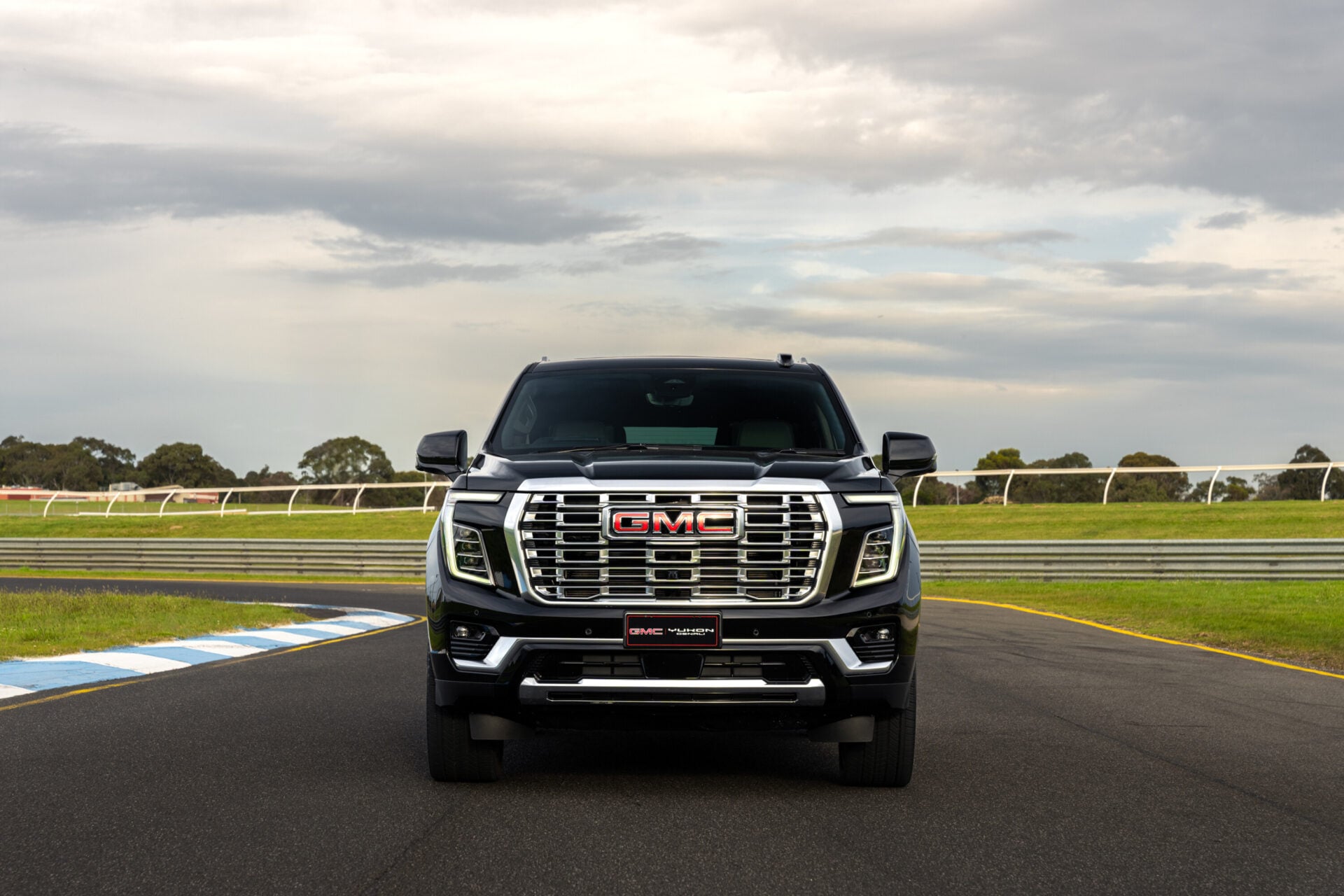
The 2016 Yukon Denali features a maximum towing capacity ranging between 7,900 and 8,400 pounds, depending on the specific drivetrain and wheelbase configuration. Equipped with a standard 6.2L V8 engine and integrated trailering equipment, this luxury SUV is engineered to handle substantial loads like horse trailers, large boats, or travel trailers with ease.
Understanding the 2016 Yukon Denali Towing Foundation
When evaluating the towing capabilities of the 2016 Yukon Denali, it is essential to recognize that this vehicle was designed as a premium "half-ton" SUV based on the K2XX platform. Unlike the standard Yukon trims, which often came with a 5.3L engine, the Denali trim was exclusively outfitted with the more powerful 6.2L EcoTec3 V8. This engine is the heart of its towing prowess, providing the torque necessary to move heavy loads from a standstill.
In the context of 2026, many of these vehicles are now a decade old, but their mechanical architecture remains highly relevant for used-car buyers or long-term owners. The Denali's towing capacity is not a single fixed number; it fluctuates based on whether you have the standard wheelbase (Yukon) or the extended wheelbase (Yukon XL), and whether the vehicle is equipped with two-wheel drive (2WD) or four-wheel drive (4WD). Generally, 2WD models have higher towing ratings because the vehicle itself weighs less, allowing more of its Gross Combined Weight Rating (GCWR) to be allocated to the trailer.
Technical Specifications: The 6.2L V8 and 8-Speed Transmission
The 2016 Yukon Denali is powered by the L86 6.2L V8 engine, which produces 420 horsepower and 460 lb-ft of torque. For towing, torque is the more critical figure, as it represents the "twisting force" available to turn the wheels under load. The peak torque in this engine arrives at 4,100 RPM, but the engine is tuned to provide a broad torque curve, ensuring that there is plenty of power available even at lower cruising speeds.
A significant upgrade for the 2016 model year was the widespread implementation of the 8L90 eight-speed automatic transmission. This replaced the older six-speed units found in previous years. The eight-speed transmission offers several advantages for towing:
- Lower First Gear Ratio: This allows for a more aggressive start when pulling a heavy trailer up a ramp or incline.
- Smaller Steps Between Gears: By having more gears, the engine can stay within its optimal power band more effectively, reducing "hunting" for gears on highway grades.
- Improved Cooling: The 2016 Denali's transmission was paired with a heavy-duty air-to-oil cooler, which is vital for preventing fluid degradation during long-distance hauls in summer heat.
Towing Capacity by Configuration
The following table breaks down the official towing capacities and weight ratings for the 2016 Yukon Denali lineup. Note that all Denali models for this year come standard with the 3.23 rear axle ratio and the Heavy-Duty Trailering Package.
| Model Configuration | Drivetrain | Max Towing Capacity | GVWR (Gross Vehicle Weight) | GCWR (Gross Combined Weight) |
|---|---|---|---|---|
| Yukon Denali (Short) | 2WD | 8,400 lbs | 7,100 lbs | 14,000 lbs |
| Yukon Denali (Short) | 4WD | 8,100 lbs | 7,300 lbs | 14,000 lbs |
| Yukon XL Denali (Long) | 2WD | 8,100 lbs | 7,300 lbs | 14,000 lbs |
| Yukon XL Denali (Long) | 4WD | 7,900 lbs | 7,500 lbs | 14,000 lbs |
As shown, the Yukon Denali 2WD (Short Wheelbase) is the champion of the lineup with an 8,400-pound limit. Conversely, the Yukon XL Denali 4WD has the lowest capacity at 7,900 pounds. This is due to the increased curb weight of the XL's longer frame and the added weight of the 4WD transfer case and front differential.
The Role of Payload in Real-World Towing
One of the most common mistakes owners make is focusing solely on the "Max Towing" number while ignoring payload. Payload is the total weight of all passengers, cargo, and the trailer's tongue weight. On a 2016 Yukon Denali, the payload capacity typically ranges from 1,400 to 1,600 pounds, depending on the specific options (such as the sunroof or power-retractable steps).
When you attach a trailer, approximately 10% to 15% of the trailer’s total weight pushes down on the hitch. This is known as Tongue Weight. If you are towing a 7,000-pound trailer, your tongue weight could be 840 pounds (12%). If your Denali has a payload capacity of 1,500 pounds, you only have 660 pounds left for passengers and luggage inside the vehicle. If you have a family of five and a dog, you may actually exceed the vehicle's Gross Vehicle Weight Rating (GVWR) before you ever reach the 8,400-pound towing limit.
Standard Towing Equipment on the Denali Trim
The Denali is not just a luxury package; it includes mechanical upgrades that make it a superior tow vehicle compared to base-trim SUVs. For the 2016 model year, GMC included the NHT Max Trailering Package features as standard or near-standard equipment for the Denali trim.
Magnetic Ride Control
The Denali features a sophisticated third-generation Magnetic Ride Control suspension system. This system uses sensors to "read" the road every millisecond and adjusts the damping in the shocks using magneto-rheological fluid. When towing, this system is invaluable because it helps counteract the "bobbing" or "porpoising" motion that heavy trailers can cause, keeping the vehicle level and stable even over uneven pavement.
Integrated Trailer Brake Controller
Located on the dashboard to the left of the steering wheel, the integrated trailer brake controller allows the driver to adjust the amount of braking force applied to the trailer's electric brakes. Because it is integrated into the vehicle’s own braking system, it provides much smoother and more predictable stopping power than aftermarket units that rely on inertia sensors.
Cooling Systems
Towing generates immense heat in both the engine and the transmission. The 2016 Yukon Denali is equipped with a high-capacity radiator and an external transmission oil cooler. These components ensure that even when climbing steep mountain passes with a maximum load, the vital fluids remain within safe operating temperatures.
Critical Weight Definitions Every Owner Should Know
To tow safely, you must understand the four primary weight ratings assigned to the 2016 Yukon Denali:
- GVWR (Gross Vehicle Weight Rating): This is the maximum allowable weight of the Yukon itself, including fuel, passengers, cargo, and the trailer tongue weight. You can find this on the sticker located on the driver-side door jamb.
- GCWR (Gross Combined Weight Rating): This is the maximum allowable weight of the entire setup—the truck and the trailer combined. For the 2016 Denali, this is generally 14,000 pounds.
- GAWR (Gross Axle Weight Rating): This specifies the maximum weight that can be placed on the front or rear axles. When towing, the rear axle takes the brunt of the trailer tongue weight.
- Curb Weight: The weight of the vehicle with a full tank of gas but no passengers or cargo.
Exceeding any of these ratings—even if you are under the "Max Towing" limit—can lead to mechanical failure, reduced braking effectiveness, and dangerous handling characteristics.
Safety Features for Enhanced Trailering
GMC equipped the 2016 Yukon Denali with several software-based safety systems designed specifically for those pulling heavy loads.
Trailer Sway Control: Working in conjunction with the StabiliTrak system, Trailer Sway Control detects when a trailer is beginning to "fishtail." The system can automatically apply the vehicle's brakes or reduce engine power to bring the trailer back into alignment without driver intervention.
Hill Start Assist: When you are stopped on an incline with a heavy trailer, there is a risk of rolling backward when you move your foot from the brake to the gas. Hill Start Assist holds the brakes for a brief moment (about two seconds) to give you time to accelerate.
Tow/Haul Mode: This selectable mode changes the transmission's shift patterns. It holds gears longer during acceleration to build momentum and provides more aggressive downshifting during deceleration to assist with engine braking, which preserves the life of your physical brake pads.
Comparison with Competitors (2016 Era)
When the 2016 Yukon Denali was new, it occupied a unique space between standard SUVs and heavy-duty trucks. How did its towing capacity stack up against its main rivals of the time?
- Ford Expedition (3.5L EcoBoost): The 2016 Expedition offered a higher maximum towing capacity of up to 9,200 pounds when properly equipped. While the Ford could pull more on paper, many drivers preferred the linear power delivery of the Denali's naturally aspirated 6.2L V8 over the Ford’s twin-turbo V6.
- Infiniti QX80: The QX80 featured an 8,500-pound towing capacity. It was a close competitor, but the Yukon Denali’s larger interior volume and more widespread service network gave it an edge for domestic travelers.
- Toyota Sequoia: With a rating of 7,400 pounds, the Sequoia lagged behind the Denali in terms of raw pulling power, though it was highly regarded for its long-term reliability.
The 2016 Denali was often seen as the "sweet spot" for those who needed to tow a 6,000 to 7,000-pound trailer with a safety margin, while still enjoying a luxury driving experience when the trailer was unhitched.
Maintenance Considerations for High-Mileage Towing in 2026
As these vehicles reach the 10-year mark in 2026, maintenance becomes the most critical factor in towing safety. If you are planning to utilize the full towing capacity of a 2016 Yukon Denali today, several areas require specific attention.
First, the Active Fuel Management (AFM) system, which deactivates cylinders to save fuel, can sometimes lead to lifter issues in high-mileage engines. When towing, the engine stays in V8 mode most of the time, which is actually healthier for the valvetrain, but regular oil changes with high-quality synthetic oil are mandatory.
Second, the Magnetic Ride Control shocks are known to leak or seize over time. If the suspension is "bouncy" or if there is visible fluid on the shock bodies, the vehicle will not handle a trailer safely. Replacing these can be expensive, but they are vital for the 8,400-pound rating.
Finally, ensure the transmission fluid has been serviced. GMC’s original "Dexron VI" fluid is hardy, but heat from towing accelerates its breakdown. If the vehicle has been used for towing its whole life, the fluid should ideally be changed every 45,000 miles rather than the standard 90,000-mile interval.
Frequently Asked Questions
Do I need a weight-distributing hitch for the 2016 Yukon Denali?
Yes, for any trailer weighing over 5,000 pounds, GMC recommends the use of a weight-distributing hitch. This system uses spring bars to "leverage" some of the tongue weight off the rear axle and distribute it forward to the front axle and backward to the trailer axles. This keeps the SUV level and improves steering and braking control.
Can the 2016 Yukon Denali tow a 5th-wheel trailer?
No. The Yukon Denali is a body-on-frame SUV, but it does not have an open bed like a pickup truck. 5th-wheel and gooseneck trailers require a hitch mounted directly over the rear axle in a truck bed. Attempting to modify an SUV for a 5th-wheel hitch would compromise the structural integrity of the vehicle.
Does 4WD reduce my towing capacity?
Yes, in the 2016 Yukon Denali, opting for 4WD reduces the maximum towing capacity by approximately 300 pounds. This is because the 4WD hardware (transfer case, front drive shaft, and front differential) adds weight to the vehicle. Since the Gross Combined Weight Rating (GCWR) remains the same, that extra vehicle weight must be subtracted from the maximum trailer weight.
What is the best speed for towing with a Denali?
While the 6.2L V8 can easily pull a trailer at 75 or 80 mph, most trailer tires are only rated for 65 mph. Furthermore, towing at higher speeds significantly increases the risk of trailer sway and dramatically reduces fuel economy. For the best balance of safety and efficiency, staying between 60 and 65 mph is recommended.
How does the Yukon XL Denali towing compare to the standard Denali?
The Yukon XL Denali (the longer version) has a slightly lower towing capacity (7,900–8,100 lbs) compared to the standard wheelbase (8,100–8,400 lbs). However, many experienced towers prefer the XL because its longer wheelbase provides better directional stability and a smoother ride when pulling long trailers, as the extra length helps resist the "lever" effect of the trailer pushing against the rear of the vehicle.
Final Recommendation
The 2016 Yukon Denali remains a premier choice for those who need a blend of luxury and utility. To maximize your towing experience, always verify your specific vehicle's payload on the door jamb sticker and ensure your trailer is loaded with approximately 10-12% of its weight on the tongue. By staying within the 7,900 to 8,400-pound limits and maintaining the 8-speed transmission and Magnetic Ride Control system, this SUV will continue to be a reliable "workhorse in a tuxedo" well into 2026 and beyond.