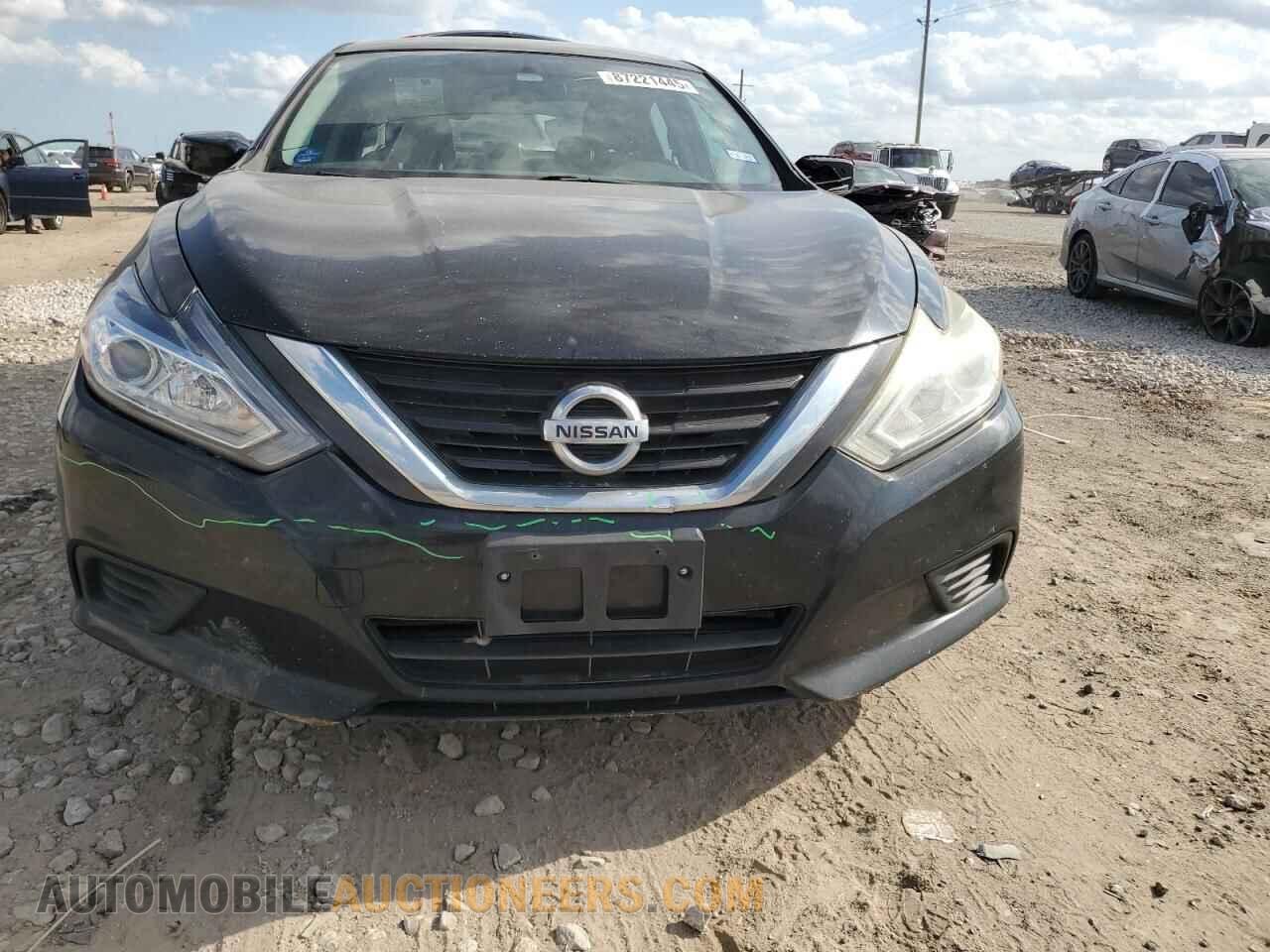
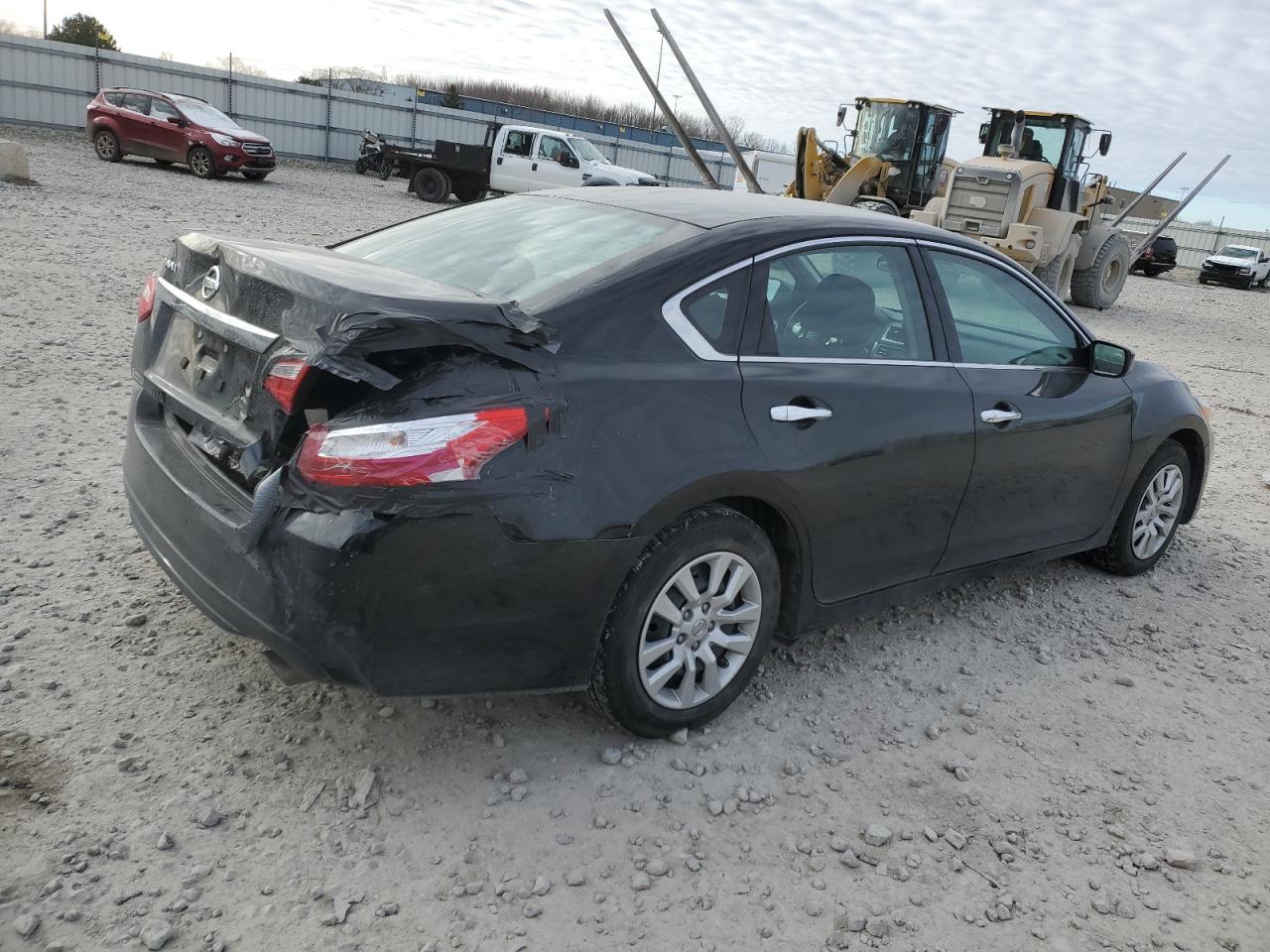
The Vehicle Identification Number (VIN) for a 2016 Nissan Altima is a unique 17-character sequence that serves as the car’s fingerprint. It is primarily located on a metal plate visible through the lower driver-side corner of the windshield and on the Federal Motor Vehicle Safety Standard (FMVSS) certification label on the driver-side B-pillar door jamb. This number is essential for tracking ownership history, identifying recall eligibility, ordering specific engine parts, and verifying the vehicle's manufacturing origin.
In 2026, the 2016 Nissan Altima remains a common sight on the secondary market. As these vehicles reach a decade of service, understanding the nuances of the VIN becomes increasingly important for maintenance, insurance, and resale. Whether you are a current owner or a prospective buyer, this guide provides a technical deep dive into every aspect of the 2016 Altima VIN.
Where to Locate Your 2016 Nissan Altima VIN
Locating the VIN is the first step in performing any vehicle history check or part search. Nissan placed the VIN in several strategic locations to ensure it remains accessible even if the vehicle is damaged or certain components are replaced.
Primary Physical Locations
- The Dashboard (Windshield View): This is the most common location. If you stand outside the vehicle on the driver’s side and look through the windshield at the bottom corner near the hood, you will see a small metal plate stamped with the 17-digit code.
- The Driver-Side Door Jamb: Open the driver-side door and look at the "B-pillar" (the vertical support where the door latches). You will find a white or silver sticker—the FMVSS label—which contains the VIN along with the manufacturing date, gross vehicle weight ratings (GVWR), and tire pressure specifications.
- The Firewall (Engine Bay): For a more permanent identification, Nissan stamps the VIN directly onto the vehicle's frame. In the 2016 Altima, this is often located on the firewall (the metal partition between the engine and the cabin), usually toward the center or passenger side.
Documentary Locations
If you do not have physical access to the car, the VIN is recorded on all legal and financial documents associated with the vehicle:
- Vehicle Title and Registration: The VIN is the primary identifier used by the DMV to track the car's legal status.
- Insurance Policy: Your insurance card and policy declarations page will always list the VIN to ensure the correct vehicle is covered.
- Service Records: Dealerships and independent mechanics use the VIN to log maintenance history and ensure they are ordering the correct parts for the 2016 model year.
Decoding the 17-Digit 2016 Nissan Altima VIN
A VIN is not a random string of characters; it follows a strict international standard (ISO 3779) that encodes specific data about the vehicle’s build. Understanding these sections allows you to verify if a car is truly a 2016 Altima or if it has been misrepresented.
The World Manufacturer Identifier (WMI) - Positions 1-3
The first three characters identify the country of origin and the manufacturer.
- 1N4: This is the most common WMI for the 2016 Altima, signifying a Nissan passenger car manufactured in the United States.
- 5N1: Also used for Nissan vehicles manufactured in the United States, typically at the Smyrna, Tennessee, or Canton, Mississippi, assembly plants.
- 3N1: Indicates the vehicle was manufactured by Nissan in Mexico.
The Vehicle Descriptor Section (VDS) - Positions 4-9
These characters describe the vehicle's attributes, such as body style and engine type.
- Position 4 & 5: For the 2016 Altima, you will typically see "AL" (representing the Altima line).
- Position 6: Identifies the engine type. The 2016 Altima offered two main engines: the 2.5-liter 4-cylinder (QR25DE) and the 3.5-liter V6 (VQ35DE). The VIN character here ensures you buy the correct filters, spark plugs, or transmission components.
- Position 9 (The Check Digit): This is a mathematically generated character (0-9 or X) used to verify the authenticity of the entire VIN. Computers use a specific algorithm to ensure the other 16 characters haven't been tampered with or mistyped.
The Vehicle Identifier Section (VIS) - Positions 10-17
This section identifies the specific unit and its production details.
- Position 10 (Model Year): For all 2016 model year vehicles, the 10th character is "G". This is a critical check for buyers; if a seller claims the car is a 2016 but the 10th digit is "F" (2015) or "H" (2017), the information is incorrect.
- Position 11 (Plant Code): This identifies which specific factory built the car. For example, "C" often denotes the Smyrna plant.
- Positions 12-17 (Sequence Number): This is the unique serial number for your specific Altima. It indicates the order in which the vehicle rolled off the assembly line.
| VIN Position | Meaning | 2016 Nissan Altima Typical Value |
|---|---|---|
| 1-3 | World Manufacturer Identifier | 1N4, 5N1, or 3N1 |
| 4-5 | Model Line | AL (Altima) |
| 6 | Engine Code | A (2.5L) or B (3.5L) |
| 7 | Body Type | 1 (4-Door Sedan) |
| 8 | Safety Systems | Various codes for Airbags/ABS |
| 9 | Check Digit | Calculated (0-9 or X) |
| 10 | Model Year | G (2016) |
| 11 | Assembly Plant | C (Smyrna), N (Canton), etc. |
| 12-17 | Serial Number | Unique 6-digit sequence |
Why the VIN is Critical for the 2016 Altima in 2026
By 2026, many 2016 Altimas have surpassed the 100,000-mile mark. This makes the VIN a vital tool for managing the vehicle's "senior" years.
Recalls and Safety Campaigns
The 2016 Altima was subject to several notable recalls, most notably regarding the hood latch assembly. In some units, the secondary hood latch could remain in the open position due to corrosion, potentially allowing the hood to fly open while driving if the primary latch was not engaged.
Using your VIN on the National Highway Traffic Safety Administration (NHTSA) website or Nissan’s official owner portal is the only way to confirm if your specific vehicle was affected and, more importantly, if the repair was ever performed. Because 2016 models are now a decade old, ensuring these safety repairs were completed is a top priority for any owner or buyer.
CVT Transmission Verification
The 2016 Altima utilizes an Xtronic Continuously Variable Transmission (CVT). While Nissan made significant improvements to the CVT for the 2016 mid-cycle refresh, some owners still experienced issues. When purchasing a used 2016 Altima in 2026, the VIN allows you to check dealership service records to see if the CVT fluid was changed at the recommended intervals or if the transmission was ever replaced under warranty or as part of a technical service bulletin (TSB).
Part Compatibility (2.5L vs 3.5L)
The 2016 Altima underwent a significant "facelift," which included changes to the front and rear fascia, headlights, and some internal engine tuning. When ordering parts—especially sensors, body panels, or exhaust components—providing the VIN to the parts desk ensures you receive the "2016.5" or specific mid-cycle refresh parts rather than components intended for the 2015 model, which may look similar but feature different mounting points or electrical connectors.
Using the VIN to Verify Vehicle History
When buying a 2016 Nissan Altima in 2026, a VIN-based history report is non-negotiable. Because these cars are often used as high-mileage commuters or former rental fleet vehicles, their history can be complex.
Title Status and Branding
A VIN check will reveal if the car has a "Branded Title." This includes:
- Salvage Title: The vehicle was declared a total loss by an insurance company.
- Rebuilt Title: The vehicle was salvaged but has since been repaired and inspected.
- Flood Title: Essential for Altimas that may have been in coastal regions during major storms in the late 2010s or early 2020s.
Odometer Fraud
With the 2016 Altima being ten years old, odometer rollbacks become more common. A VIN report provides a chronological list of reported mileages from smog checks, registration renewals, and service visits. If the car currently shows 80,000 miles, but a 2024 service record shows 120,000 miles, the VIN has saved you from a fraudulent sale.
Theft Records
The National Insurance Crime Bureau (NICB) offers a free VINCheck service. By entering the 2016 Altima VIN, you can see if the vehicle has been reported as stolen and not recovered. This is a critical step to ensure you can legally register the car in your name.
Common Mistakes and VIN "Cloning"
As an experienced technical editor, I must warn about VIN Cloning. This occurs when a criminal takes the VIN from a legally registered 2016 Altima and attaches it to a stolen or salvaged car of the same year, make, and color.
How to Spot a Compromised VIN
- Mismatched Locations: Compare the VIN on the dashboard with the VIN on the door jamb and the firewall. If they do not match exactly, walk away from the vehicle.
- Tamper Evidence: Look closely at the VIN plate on the dashboard. It should be securely riveted. If the rivets look non-standard, or if there are scratches and glue residue around the plate, it may have been replaced.
- Inconsistent Features: If the VIN decodes as a 3.5L V6 model (Engine code "B"), but the car under the hood is a 2.5L 4-cylinder, the VIN has likely been swapped from another vehicle.
Technical Maintenance: VIN and the 2016 Altima's Electronics
The 2016 Altima was a transitional year for Nissan's cabin technology. Higher trim levels (SR, SV, SL) often featured different infotainment systems and safety tech (like Blind Spot Warning).
When a mechanic connects a diagnostic tool to the OBD-II port (located under the dashboard on the driver's side), the vehicle’s computer (ECM) broadcasts the VIN electronically. If you are troubleshooting an electrical issue or a "Check Engine" light, the diagnostic software uses the VIN to pull the exact wiring diagrams and sensor specifications for your specific build date. In 2026, as sensors naturally reach the end of their lifespan, this precision is necessary to avoid "parts cannon" repairs where components are replaced unnecessarily.
Frequently Asked Questions
Is the 2016 Nissan Altima VIN the same as the engine number?
No. The VIN is the ID for the entire vehicle chassis and assembly. The engine has its own separate serial number stamped on the engine block. While the VIN contains a code that tells you which type of engine the car was built with, it does not include the engine's unique serial number.
Can I find the 2016 Altima VIN if the dashboard plate is missing?
Yes. You should check the FMVSS label on the driver-side door jamb. If that is also missing or unreadable, you can find the VIN stamped into the metal of the firewall in the engine compartment. Additionally, an OBD-II scanner can pull the digital VIN from the car’s computer.
How do I check for 2016 Nissan Altima recalls for free?
You can visit the NHTSA website (nhtsa.gov/recalls) and enter your 17-digit VIN. This service is free and will show any "Open" recalls that have not yet been repaired. You can also use the Nissan USA official website's recall lookup tool.
Does the VIN reveal the original paint color of my 2016 Altima?
Not directly within the 17 digits. However, if you take your VIN to a Nissan dealership or use a professional VIN decoder, they can access the "Build Sheet," which lists the original factory paint code (e.g., K23 for Brilliant Silver or KH3 for Super Black).
Why does my VIN start with 1N4 while others start with 3N1?
This simply indicates where your 2016 Altima was assembled. 1N4 means it was built in the United States (likely Smyrna, TN), while 3N1 means it was built in Nissan’s Aguascalientes plant in Mexico. Both follow the same quality standards for the 2016 model year.
Summary and Next Actions
The 2016 Nissan Altima VIN is more than just a serial number; it is a comprehensive data point that links the vehicle to its manufacturing roots, its legal history, and its mechanical requirements. In 2026, as these vehicles transition into the "high-mileage" category, the VIN serves as your primary tool for ensuring safety through recall checks and accuracy through part synchronization.
Your next steps:
- Verify: Cross-reference the physical VIN on the dashboard with your vehicle's registration and insurance documents.
- Inspect: Use the NHTSA recall tool to ensure the secondary hood latch and any other relevant 2016-specific recalls have been addressed.
- Document: Keep a copy of your VIN in a secure digital location. In the event of theft or a major mechanical failure, having this number ready will expedite insurance claims and repair estimates.