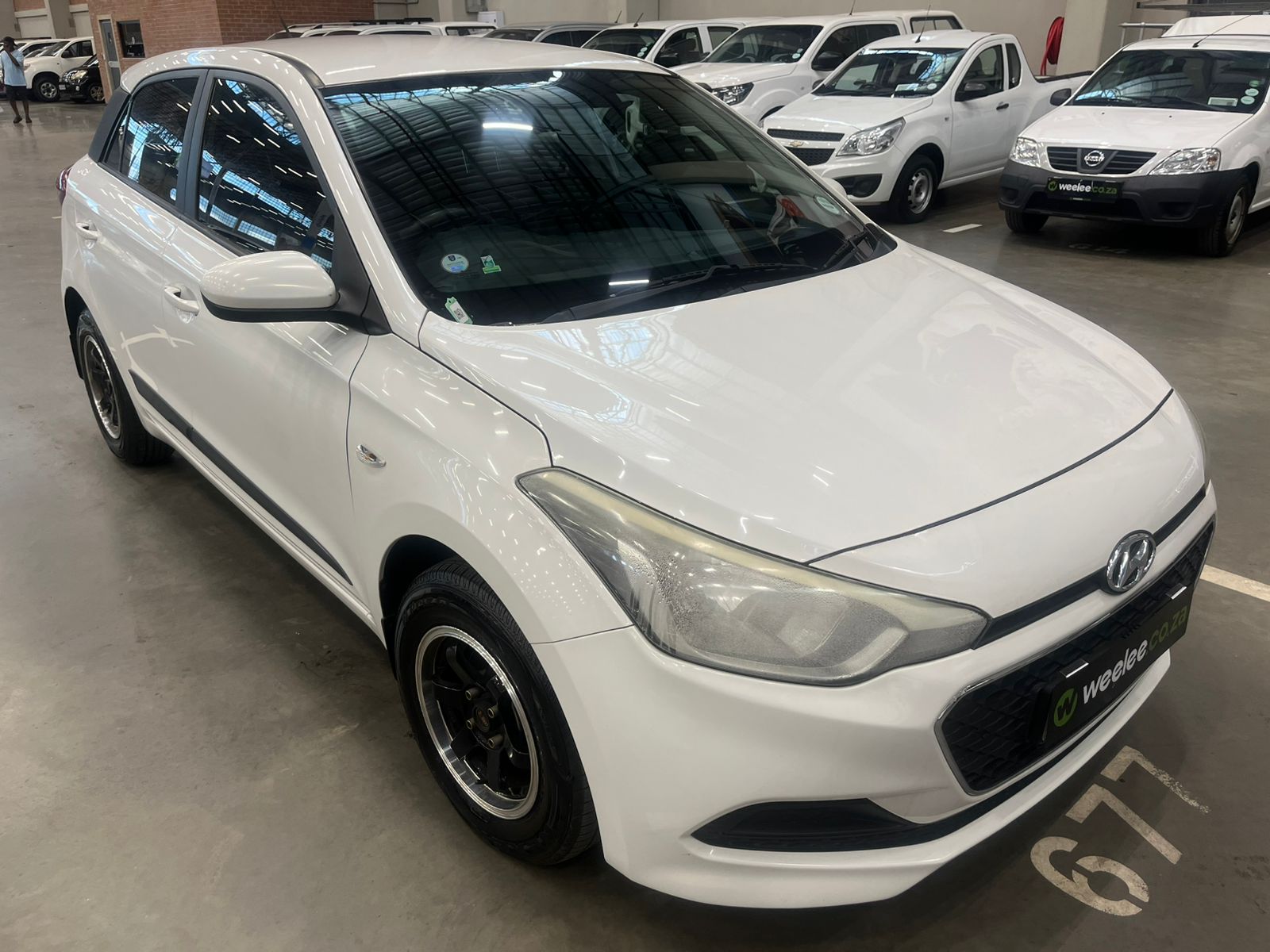
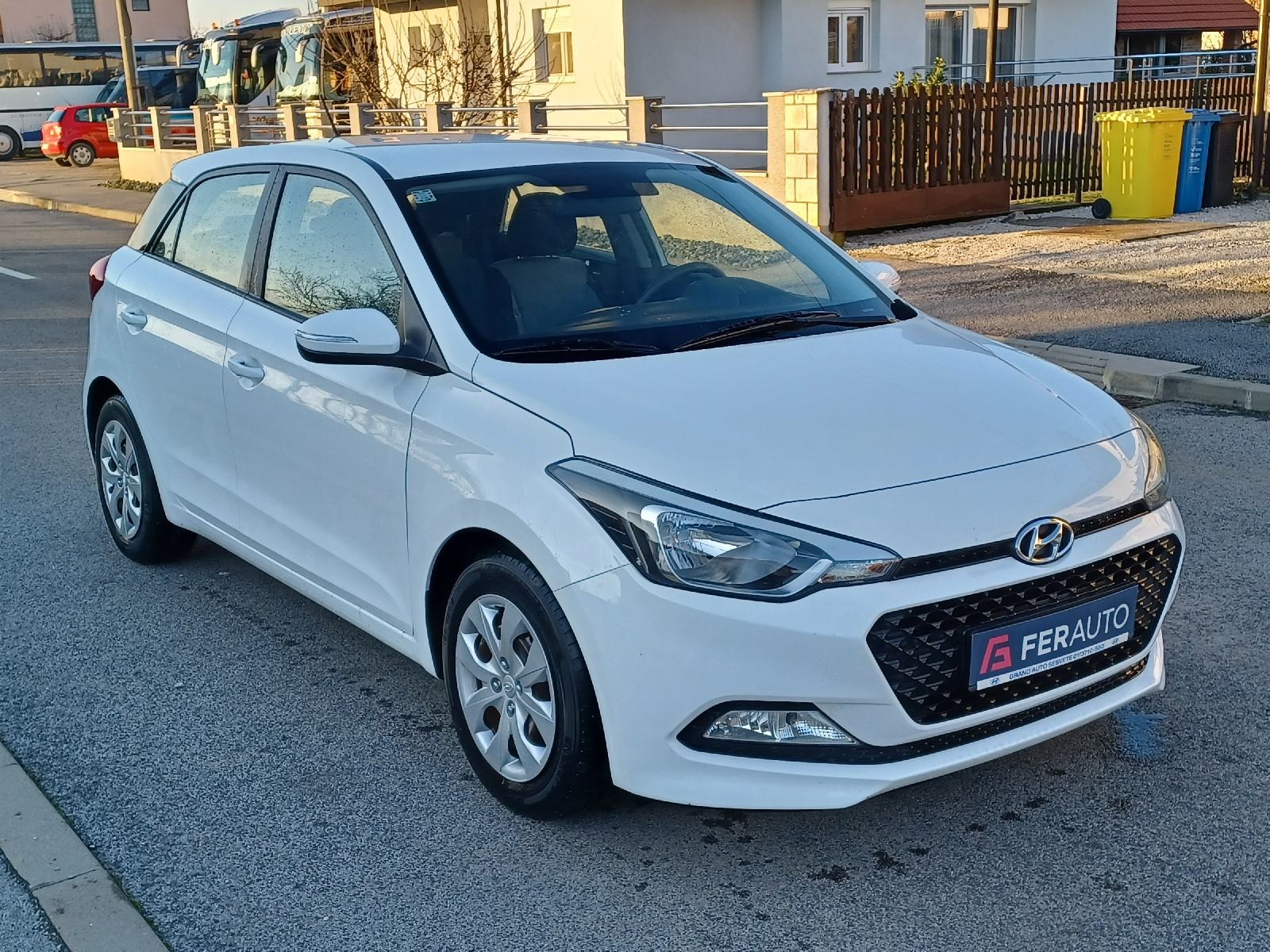
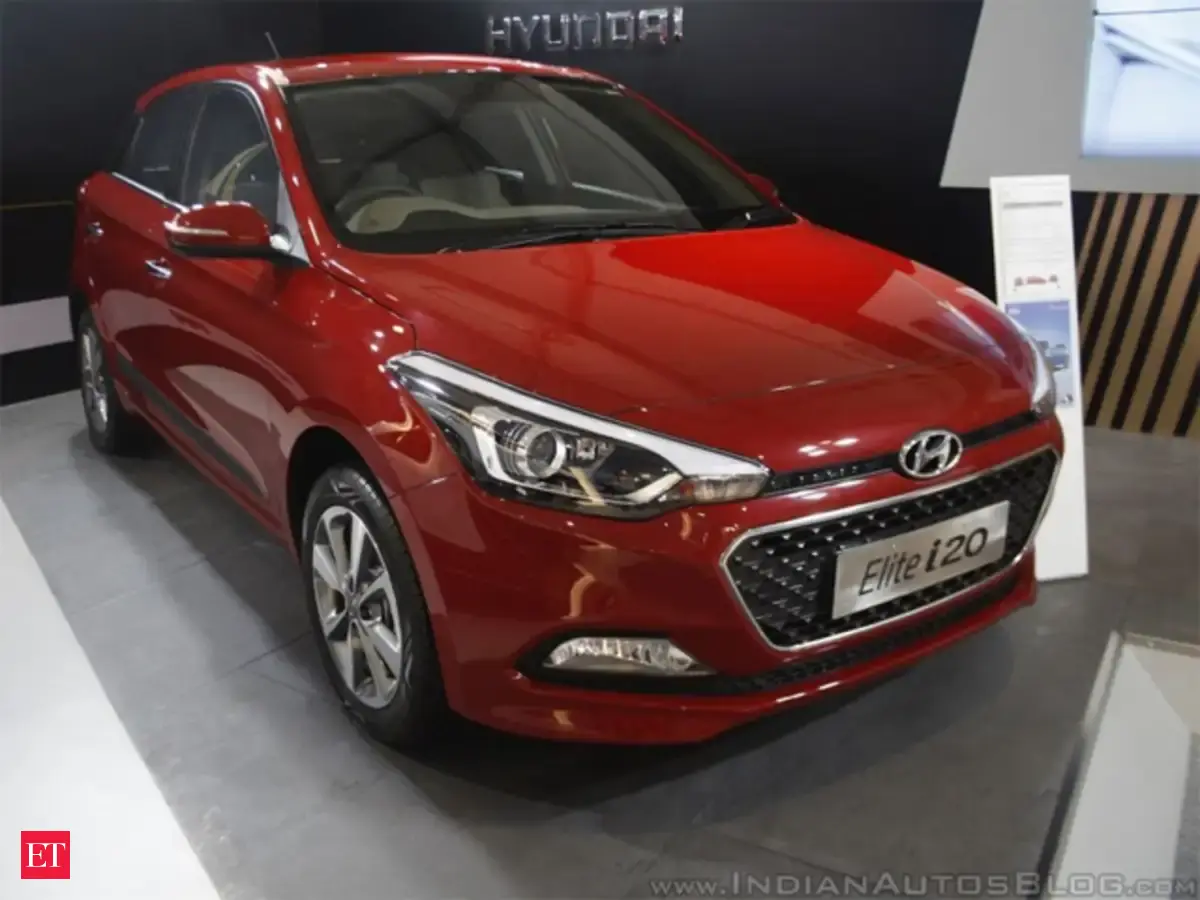
The 2016 Hyundai i20 represents the second generation of the South Korean manufacturer’s B-segment hatchback, specifically the "GB" series designed primarily for the European and Indian markets. Known for its sophisticated styling, class-leading interior space, and a reputation for reliability, this model year continues to be a popular choice in the used car market in 2026. This guide provides a technical deep dive into its specifications, performance, interior features, and long-term ownership considerations.
The Evolution of the 2016 Hyundai i20
By 2016, Hyundai had firmly established itself as a brand capable of competing directly with European mainstays like the Volkswagen Polo and the Ford Fiesta. The 2016 i20 was developed at Hyundai’s European Technical Centre in Rüsselsheim, Germany, which explains its continental road manners and design language. It utilized the "Fluidic Sculpture 2.0" design philosophy, moving away from the more rounded, playful lines of its predecessor toward a more mature, sharp, and premium aesthetic.
The 2016 model year is particularly significant because it saw the full rollout of the i20 "Active" (a crossover-inspired variant) and the i20 "Coupe" (a three-door version with distinct styling), providing consumers with three distinct body styles based on the same platform.
Exterior Design and Platform Architecture
The 2016 Hyundai i20 was built on a platform that utilized 42% ultra-high-strength steel, a significant increase over the previous generation. This resulted in a 64% increase in torsional rigidity, which directly improved crash safety and handling precision.
Dimensions and Presence
The five-door hatchback measures 4,035 mm in length, making it slightly longer than many of its contemporaries. With a width of 1,734 mm and a wheelbase of 2,570 mm, it was one of the largest cars in its class during its production run. The long wheelbase allowed for shorter overhangs, which contributed to its planted stance and improved interior packaging.
Aesthetic Features
Key design elements of the 2016 model include:
- The Hexagonal Grille: A hallmark of Hyundai’s design at the time, finished in matte or gloss black depending on the trim level.
- Floating Roof Effect: The C-pillar was finished in a high-gloss black wrap, creating the illusion of a roof that is not connected to the body of the car—a very modern styling cue for 2016.
- Lighting: Higher trims featured LED daytime running lights and LED rear combination lamps, providing a premium light signature.
- Wheels: Available in 15-inch steel wheels for base trims, moving up to 16-inch or 17-inch alloys for the Premium and Sport models.
Engine Specifications and Performance
The 2016 Hyundai i20 offered a variety of powertrain options tailored for efficiency rather than outright performance. Most engines are part of the "Kappa" and "U-II" engine families, known for their durability and low maintenance costs.
Petrol Engines
The 1.2-liter Kappa II engine was the most common choice. It featured Dual CVVT (Continuously Variable Valve Timing) and a timing chain rather than a belt, which is a major advantage for long-term reliability in 2026. It was available in two states of tune:
- 1.2L (75 PS): Focused on urban driving and low insurance groups.
- 1.2L (84 PS): Offered a bit more flexibility for highway driving.
For those seeking more power, a 1.4-liter multi-point injection (MPI) engine produced 100 PS. This was often the only engine paired with the 4-speed torque converter automatic transmission. While this transmission was criticized for being dated even in 2016, it has proven to be incredibly robust compared to modern dual-clutch or CVT units.
Diesel Engines
In 2016, diesel was still a popular choice for high-mileage drivers.
- 1.1L CRDi: A three-cylinder turbocharged diesel producing 75 PS. It was designed specifically for maximum fuel economy and low CO2 emissions (reaching as low as 84g/km in BlueDrive trims).
- 1.4L CRDi: A four-cylinder unit producing 90 PS and 240 Nm of torque. This engine transformed the i20 into a capable long-distance cruiser, offering plenty of mid-range pull.
The 1.0 T-GDi Introduction
Later in the 2016 model year, Hyundai introduced the 1.0-liter three-cylinder turbocharged engine. Producing either 100 PS or 120 PS, this engine was Hyundai’s answer to the downsizing trend. It offered better torque delivery than the naturally aspirated 1.2L and 1.4L engines, making the car feel significantly more agile.
Interior Quality and Cargo Capacity
One of the 2016 i20’s strongest selling points was its interior. Hyundai moved away from hard, scratchy plastics to soft-touch materials on the dashboard and door contact points.
Space and Ergonomics
The 2,570 mm wheelbase translates directly into legroom. The 2016 i20 could legitimately seat four adults in comfort, with more rear legroom than the Ford Fiesta or the Vauxhall Corsa of that era. The front seats provide good lateral support, though they are biased toward comfort rather than spirited driving.
Boot Space
The luggage capacity was class-leading at 326 liters with the seats up. When the rear seats are folded down (60:40 split), the capacity expands to 1,042 liters. Many trims also featured a "variable boot floor," allowing owners to create a flat loading lip or hide valuables underneath the floorboard.
Technology and Infotainment
In 2016, smartphone integration was evolving. The i20 featured:
- Smartphone Docking Station: Located on top of the dashboard, it allowed users to mount their phone and use it for navigation while charging via a built-in port.
- Seven-inch Touchscreen: Higher trims received a built-in navigation system with TomTom Live services.
- Standard Features: Even mid-range SE models typically included Bluetooth connectivity, DAB radio, and steering wheel-mounted controls.
Technical Specifications Table
| Engine Type | Displacement | Horsepower (PS) | Torque (Nm) | 0-100 km/h (sec) | Combined Fuel (L/100km) |
|---|---|---|---|---|---|
| 1.2 Kappa Petrol | 1,248 cc | 75 / 84 | 122 | 13.6 / 13.1 | 4.8 - 5.1 |
| 1.4 MPI Petrol | 1,368 cc | 100 | 134 | 11.6 | 5.5 - 6.2 |
| 1.0 T-GDi Petrol | 998 cc | 100 / 120 | 172 | 10.7 / 10.2 | 4.3 - 4.8 |
| 1.1 CRDi Diesel | 1,120 cc | 75 | 180 | 16.0 | 3.2 - 4.0 |
| 1.4 CRDi Diesel | 1,396 cc | 90 | 240 | 12.1 | 3.9 - 4.1 |
Trim Levels and Equipment
The 2016 Hyundai i20 was typically offered in five main trim levels (notably in the UK and European markets):
- S / S Blue: The entry-level model. It included electric front windows, remote central locking, and basic radio. The "Blue" version added stop-start technology for better efficiency.
- SE: The most popular trim. It added 15-inch alloy wheels, cruise control with a speed limiter, lane departure warning, rear parking sensors, and Bluetooth.
- Premium: Stepped up to 16-inch alloys, LED DRLs, projection headlamps, climate control, and auto-dimming rearview mirrors.
- Premium SE: The flagship trim. This included a heated steering wheel, heated front seats, a panoramic sunroof (which could open, unlike many fixed glass roofs), and front parking sensors.
- Active: This was the "rugged" variant. It featured a 20mm increased ride height, silver skid plates, roof rails, and plastic cladding around the wheel arches to mimic a compact SUV.
Safety and Driver Assistance
Safety was a priority for Hyundai during the development of the second-gen i20. While it lacked the advanced autonomous emergency braking (AEB) that became standard in later years, it performed well for its time.
- Euro NCAP Rating: The 2016 i20 received a four-star rating. It was praised for adult and child occupant protection but lost points because AEB was not standard across the range.
- Standard Safety Equipment: All models came with six airbags (front, side, and curtain), Electronic Stability Control (ESC), and Vehicle Stability Management (VSM).
- Lane Departure Warning System (LDWS): Standard on SE trims and above, this used a camera to monitor road markings and warned the driver if they unintentionally drifted out of their lane.
- Hill-Start Assist Control (HAC): This prevented the car from rolling backward when starting on an incline, a standard feature across most of the 2016 range.
Long-term Reliability and 2026 Maintenance
As of 2026, the 2016 Hyundai i20 is ten years old. While Hyundai’s five-year unlimited mileage warranty has expired for all 2016 units, the car has a track record for being mechanically "over-engineered."
Common Points of Inspection
- Clutch Wear: On 1.2L manual models used primarily in cities, the clutch can show wear around 100,000 km.
- Suspension Bushings: Given the age, front control arm bushings may need replacement if you hear "clunking" sounds over bumps.
- T-GDi Carbon Buildup: For the 1.0-liter turbocharged models, ensure high-quality fuel has been used to prevent carbon buildup on the intake valves, a common trait of direct-injection engines.
- TPMS Sensors: The Tire Pressure Monitoring System sensors have internal batteries that typically last 7–10 years. Many 2016 models may now require sensor replacement.
- Interior Electronics: The panoramic sunroof on Premium SE trims should be checked for smooth operation and clear drainage channels to prevent leaks.
Servicing Requirements
The 2016 i20 generally requires servicing every 12 months or 15,000 km (whichever comes first). The 1.2L and 1.4L petrol engines use timing chains, which do not have a set replacement interval but should be inspected for stretch. The diesel engines and the 1.0 T-GDi also utilize chains, making them lower-maintenance than belt-driven competitors like the Ford Ecoboost.
Frequently Asked Questions
Is the 2016 Hyundai i20 a good car for new drivers?
Yes, the 2016 i20 is an excellent choice for new drivers. The 1.2L petrol engine versions fall into low insurance groups and are very predictable to drive. The visibility is good, and the presence of rear parking sensors on most trims makes it easy to park. Furthermore, its mechanical simplicity means repair costs are generally affordable.
Does the 2016 Hyundai i20 have Apple CarPlay or Android Auto?
Standard 2016 models did not come with Apple CarPlay or Android Auto from the factory, as these features were introduced during the 2018 facelift. However, many owners used the factory-fitted smartphone dock to use their phones for navigation. Some late-2016 models with the 7-inch navigation screen may support aftermarket firmware updates, but it is not a standard feature for this specific year.
How does the i20 "Active" differ from the standard hatchback?
The i20 Active is essentially the same car with a "crossover" makeover. It features a 20mm higher ground clearance, which helps with ingress/egress and rougher roads. It also features circular fog lights, roof rails, and plastic body cladding. Mechanically, it is identical to the standard hatchback but offers a slightly more commanding view of the road.
Which engine is the most reliable for high mileage?
The 1.2L Kappa petrol engine is widely considered the most reliable due to its simple, naturally aspirated design and timing chain. For those doing heavy highway miles, the 1.4L CRDi diesel is preferred; it is a robust engine that can easily exceed 250,000 km if the oil is changed regularly and the DPF (Diesel Particulate Filter) is allowed to regenerate.
What is the real-world fuel economy of the 2016 i20?
While the 1.1L diesel claimed figures near 3.2 L/100km, real-world driving typically yields around 4.0–4.5 L/100km. The 1.2L petrol usually averages between 5.5 and 6.0 L/100km in mixed driving, which remains competitive even by 2026 standards.
Summary and Recommendation
The 2016 Hyundai i20 remains a benchmark for what a sensible, well-built B-segment car should be. While it may not offer the driving excitement of a Ford Fiesta, it counters with superior interior room, better material quality, and a mechanical robustness that has aged gracefully.
For a used car buyer in 2026, the 1.2L Petrol in SE or Premium trim represents the "sweet spot" of value. It offers the best balance of features, low running costs, and long-term reliability. If you frequently travel on motorways, the 1.4L CRDi or the 1.0 T-GDi are worth the extra investment for their superior torque and overtaking ability. Avoid the 1.4L Petrol Automatic unless a traditional torque-converter automatic is a strict requirement, as it is significantly less fuel-efficient than the manual counterparts.
Before purchasing, ensure the service history is documented, particularly the annual oil changes, to maintain the health of the timing chain. With proper care, a 2016 i20 is a vehicle that can reliably serve its owner well into the late 2020s.