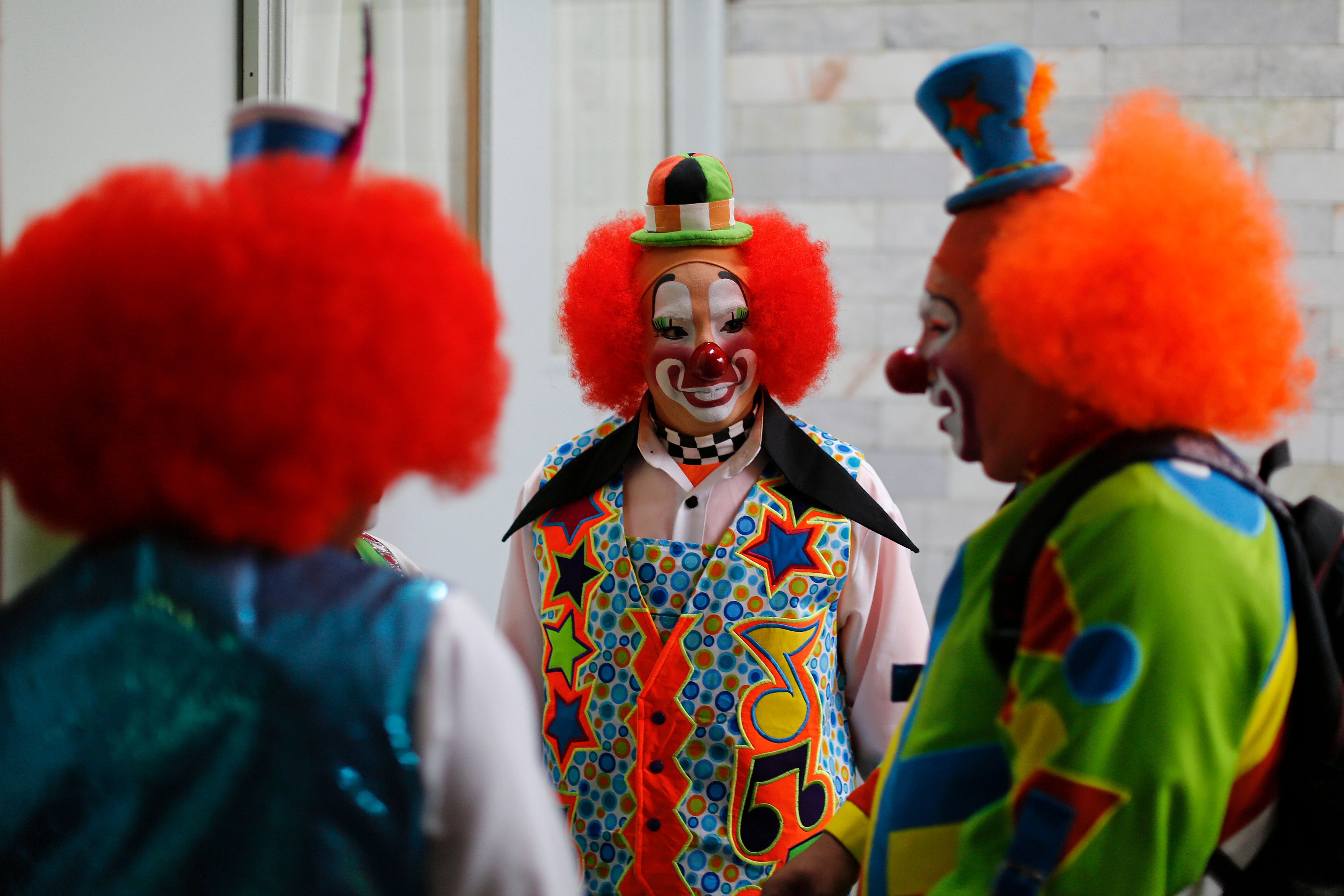
The 2016 clown sightings were a widespread social phenomenon characterized by thousands of reported sightings of individuals dressed as "creepy clowns" in woods, near schools, and in suburban neighborhoods. What began as a localized incident in South Carolina rapidly evolved into a global mass hysteria event, fueled by social media, leading to school lockdowns, multiple arrests, and significant commercial disruptions.
The Genesis of the Scare: Greenville, South Carolina
The phenomenon traceably began in late August 2016 at the Fleetwood Manor Apartments in Greenville, South Carolina. Residents reported that individuals dressed as clowns were attempting to lure children into the woods by offering them money. While the Greenville County Sheriff’s Office investigated these claims thoroughly, no physical evidence, such as discarded costumes or photographic proof, was ever found at the scene. Despite the lack of corroboration, the story tapped into deep-seated cultural fears and was quickly picked up by local and then national news outlets.
The initial reports in Greenville acted as a catalyst. Within days, similar reports emerged in nearby Spartanburg, South Carolina, and then crossed state lines into North Carolina and Georgia. The narrative was consistent: clowns standing silently at the edge of forests, waving from the shadows, or occasionally chasing pedestrians. This repetition of a specific, eerie trope allowed the story to gain traction as a "pattern" rather than a series of isolated pranks.
By early September 2016, the sightings had shifted from rural areas to suburban and urban centers. The nature of the reports also began to change. While the earliest accounts focused on "luring children," later reports involved clowns standing under streetlights or appearing in the background of grainy Snapchat videos. This evolution signaled the transition from a localized urban legend to a participatory digital trend.
The Role of Social Media and Digital Amplification
The 2016 clown sightings were perhaps the first major "mass hysteria" event of the smartphone era to be driven almost entirely by algorithmic amplification. Platforms like Twitter, Instagram, and the then-rising Snapchat allowed reports—both real and fabricated—to travel faster than law enforcement could verify them.
Viral Hoaxes and "Clown Hunting"
As the news spread, teenagers and young adults began creating "creepy clown" social media accounts. These accounts would post vague threats against specific high schools, often using names like "Bingy Booboo" or "Clown Clan." While most were found to be local students pulling pranks, the threats necessitated police presence and school closures across dozens of states, including Alabama, Kentucky, and Pennsylvania.
In response to the perceived threat, a counter-phenomenon known as "clown hunting" emerged. Large groups of college students, most notably at Pennsylvania State University and the University of Connecticut, organized mass gatherings to "hunt" for clowns after rumors of sightings on campus circulated. These events often involved hundreds of students running through streets, demonstrating how the collective anxiety had transformed into a form of aggressive, communal entertainment.
The Feedback Loop
The media played a significant role in the feedback loop. National news networks began dedicated segments to the sightings, often interviewing psychologists to discuss "coulrophobia" (the fear of clowns). This mainstream validation encouraged more pranksters to don masks, knowing they would likely receive attention or even local news coverage. The result was a self-fulfilling prophecy: the more people talked about clowns, the more people dressed as clowns to capitalize on the fear.
Understanding the Psychology: Coulrophobia and Mass Hysteria
To understand why the 2016 phenomenon reached such heights, one must examine the psychological roots of the fear of clowns and the mechanics of mass psychogenic illness.
The Uncanny Valley of the Clown
Clowns are psychologically unsettling to many because they exist in the "uncanny valley"—a space where something looks human but is "off" in a way that triggers a sense of danger. The heavy makeup of a clown masks their true facial expressions and emotions, creating a "non-verbal ambiguity." When a person cannot read another's intent, the brain's default response is often fear or suspicion.
In 2016, the "creepy clown" aesthetic moved away from the traditional birthday party clown and toward the "evil clown" trope popularized by characters like Pennywise from Stephen King’s IT or the Joker. These designs emphasize sharp teeth, distorted features, and dirty costumes, specifically designed to subvert the clown’s original purpose of bringing joy.
Mass Psychogenic Illness
Sociologists often categorize the 2016 events as a form of mass hysteria or mass psychogenic illness. This occurs when a group of people experiences similar physical or emotional symptoms—in this case, intense anxiety and "phantom sightings"—based on a shared belief or rumor. Historical precedents include the "Great Fear" of 1789 in France or the "Satanic Panic" of the 1980s. In each instance, a societal stressor finds a visual avatar; in 2016, the clown became the vessel for a general sense of unease in a highly polarized and digitally connected world.
Impact on the Professional Clown Community
The 2016 sightings had a devastating impact on those who performed as clowns for a living. Professional clowns, many of whom are members of organizations like the World Clown Association (WCA) or Clowns of America International, found their livelihoods threatened by the negative association.
Professional Backlash
Many professional clowns reported a sharp decline in bookings for birthday parties, festivals, and corporate events during the autumn of 2016. Some performers even reported being harassed or threatened while traveling to jobs in costume. The WCA released several official statements urging the public to distinguish between "creepy" pranksters in cheap rubber masks and professional entertainers who spend years honing their craft.
The industry attempted to fight back with the "Clown Lives Matter" movement, which included a march in Tucson, Arizona, intended to show that clowns were peaceful members of the community. However, the movement was met with mixed reviews and occasionally further ridicule, as the public remained fixated on the "creepy" narrative.
Corporate and Retail Responses
The commercial sector took the threat seriously to protect their brand images. McDonald’s Corporation famously announced in October 2016 that it would limit the public appearances of its mascot, Ronald McDonald, citing the "clown sightings in communities."
Major retailers also took action. Target announced it would remove clown masks from its shelves and website ahead of Halloween 2016 to avoid contributing to the panic. Several school districts across the United States issued formal bans on clown costumes for Halloween parades and parties, citing safety concerns and the potential for trauma among younger students.
Law Enforcement Response and Legal Consequences
What started as a series of pranks eventually led to serious legal repercussions. Law enforcement agencies across the country were forced to divert resources away from actual crimes to investigate clown-related reports.
Arrests and Charges
By the end of 2016, dozens of people had been arrested in connection with the phenomenon. The charges typically fell into three categories:
- Making Terroristic Threats: Students or adults who posted threats of violence against schools using clown personas.
- Filing False Police Reports: Individuals who claimed they were attacked or chased by clowns to gain social media attention.
- Harassment/Prowling: Individuals caught in costume trespassing on private property or lurking in public spaces to scare people.
In some jurisdictions, like Kemper County, Mississippi, local officials went as far as banning clown costumes entirely until after Halloween, with fines of up to $150 for violators.
Comparing Sightings and Hoaxes
| Category | Typical Behavior | Legal Status | Known Examples |
|---|---|---|---|
| Pranksters | Recording videos for social media/YouTube. | Generally legal unless trespassing. | "The Northampton Clown" (2013-era precursor). |
| Hoaxers | Reporting fake attacks to the police. | Illegal (Filing a false report). | Numerous reports in Georgia and Ohio (2016). |
| Threat-Makers | Threatening schools via social media. | Illegal (Terroristic threats). | The "Flomo Klown" in Alabama. |
| Stalkers | Silent lurking in woods or under lights. | Varies by local loitering laws. | The original Greenville, SC reports. |
The "Phantom Clown" Legacy: History Repeating Itself
The 2016 event was not the first time the United States experienced a "clown panic." In 1981, a series of sightings in Boston, Massachusetts, involved reports of clowns in vans trying to abduct children. These reports spread to several other cities but, much like the 2016 sightings, never resulted in a confirmed abduction or the capture of a "phantom clown."
The recurrence of this specific theme suggests that the "creepy clown" is a modern folklore archetype. Folklorists note that these panics often occur during periods of social transition or heightened anxiety. The 2016 scare coincided with a particularly contentious U.S. presidential election and a period of rapid social media evolution, providing a fertile environment for such a legend to grow.
Frequently Asked Questions
Did any of the 2016 clowns actually hurt anyone?
While there were thousands of reports, confirmed cases of physical violence committed by people in clown suits were extremely rare. Most "attacks" were later revealed to be hoaxes. However, there were incidental injuries, such as people tripping or falling while running away in fear, and at least one fatal stabbing in Pennsylvania was tangentially linked to a dispute involving a clown mask.
Was the 2016 clown craze a marketing stunt for the movie IT?
Many people speculated that the sightings were a viral marketing campaign for the 2017 film IT, based on Stephen King's novel. However, both New Line Cinema and Warner Bros. issued statements denying any involvement. The phenomenon was too widespread, legally problematic, and unpredictable to be a controlled corporate marketing campaign.
Why did the sightings stop so suddenly?
The craze peaked in October 2016 and dissipated almost immediately after Halloween. This is typical of "fads" and mass hysteria events. Once the novelty wore off, law enforcement began issuing stiff penalties, and the winter weather made "lurking" less practical, the trend lost its momentum. Furthermore, the 2016 U.S. election in November took over the news cycle, leaving no room for clown stories.
Are there still clown sightings today?
While isolated reports of creepy clowns occur occasionally, there has not been a nationwide phenomenon on the scale of 2016 since that year. The 2016 event is now studied by sociologists as a textbook example of how digital misinformation and collective anxiety can create a tangible real-world crisis.
Is it illegal to dress as a clown?
In most places, it is not illegal to dress as a clown. However, in 2016, several municipalities passed temporary ordinances against it. Today, dressing as a clown with the specific intent to harass, threaten, or trespass can lead to charges of "disorderly conduct" or "indecent behavior" depending on local statutes and the context of the behavior.
Final Perspective: Lessons from the Great Clown Panic
The 2016 nationwide clown sightings serve as a powerful reminder of how quickly unverified information can transform into a public safety issue. For readers looking to understand the era, it is essential to distinguish between the cultural impact (which was massive) and the physical threat (which was minimal).
The legacy of 2016 has changed how schools and police departments handle social media threats. Most institutions now have more robust protocols for identifying the source of digital rumors before initiating lockdowns. For those interested in social history, the 2016 clown sightings remain the definitive example of how a centuries-old fear can be rebooted for the digital age, proving that sometimes, the things we imagine in the woods are far less dangerous than the speed at which we share our fears.