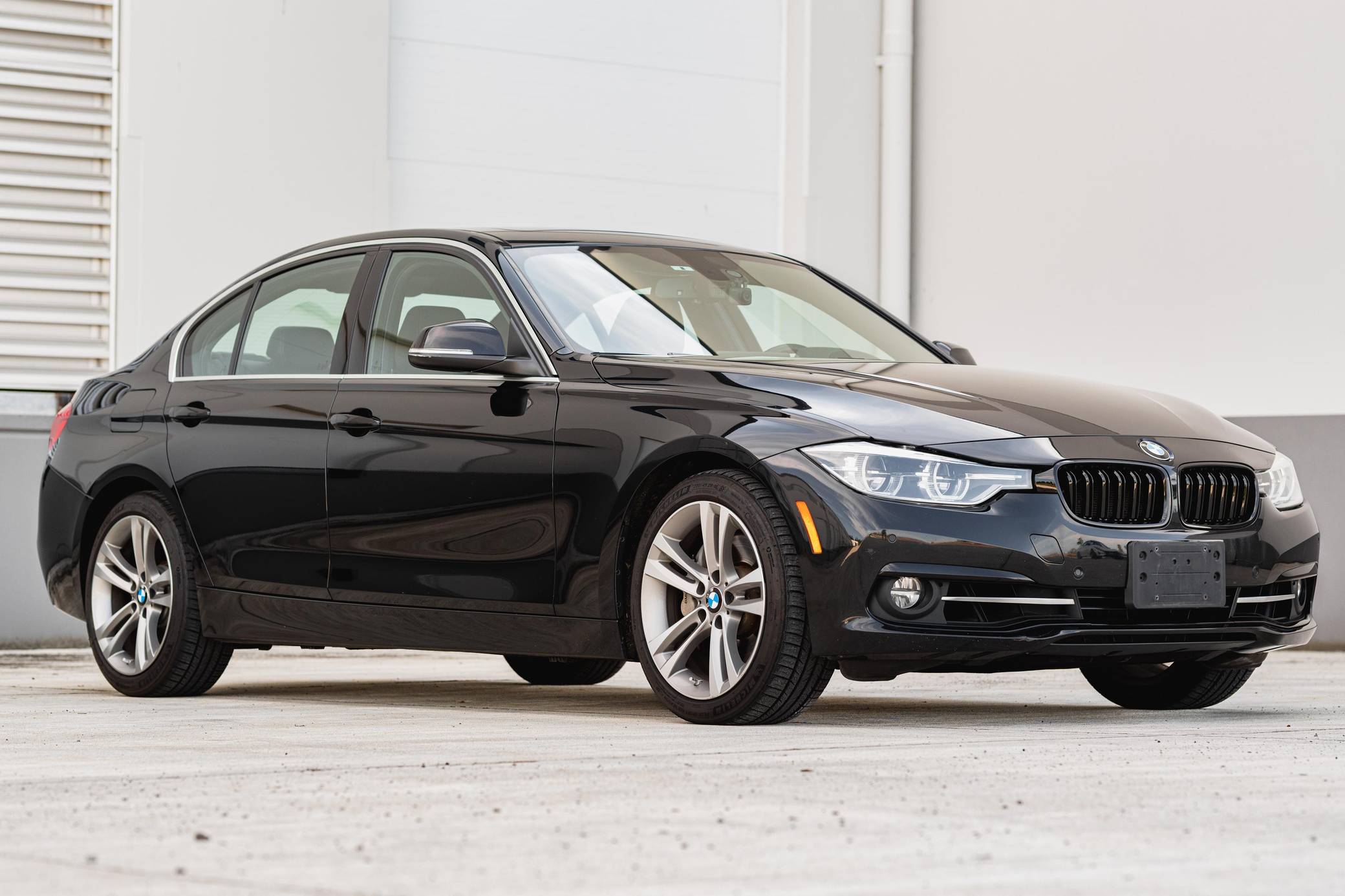
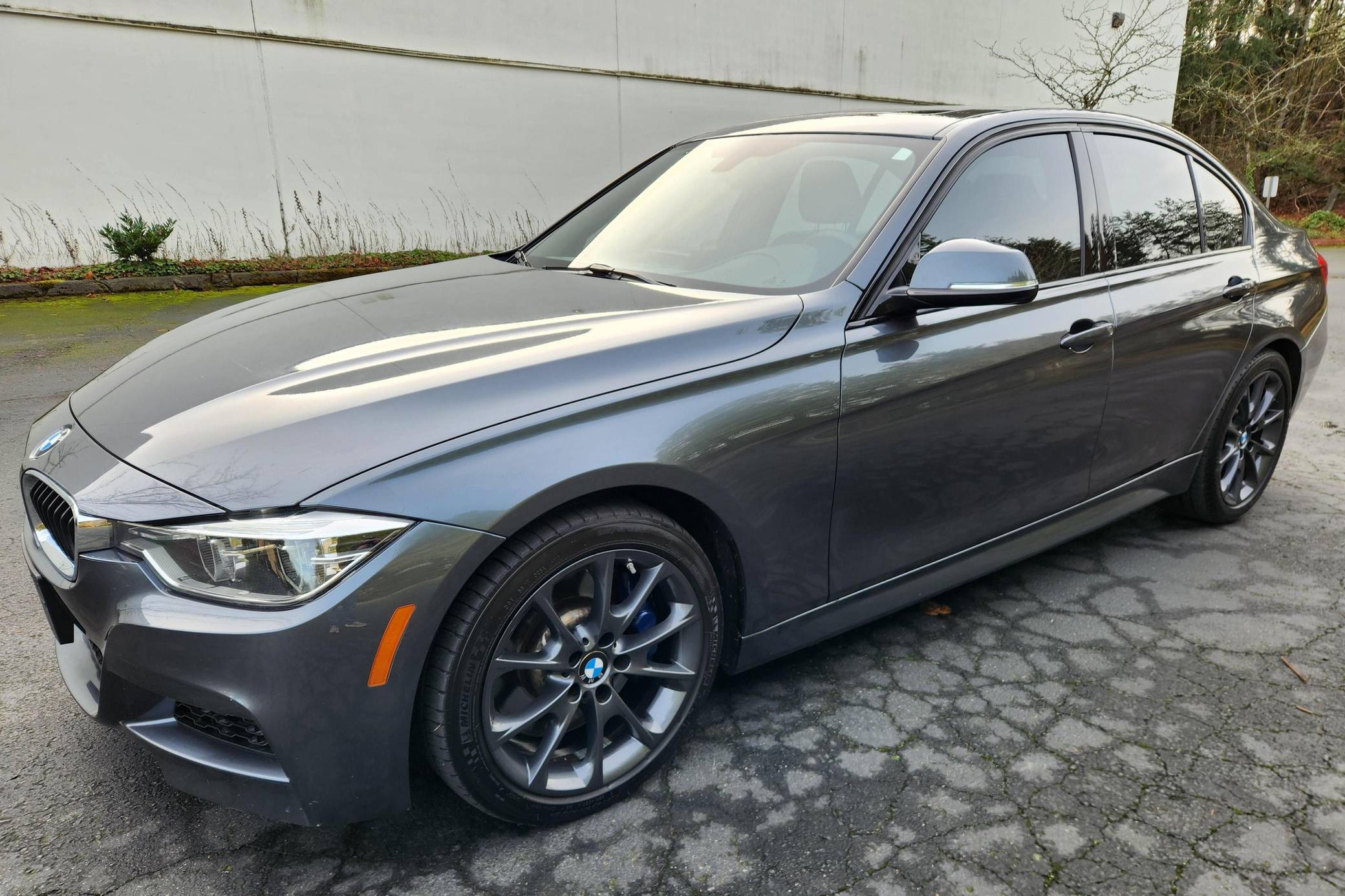
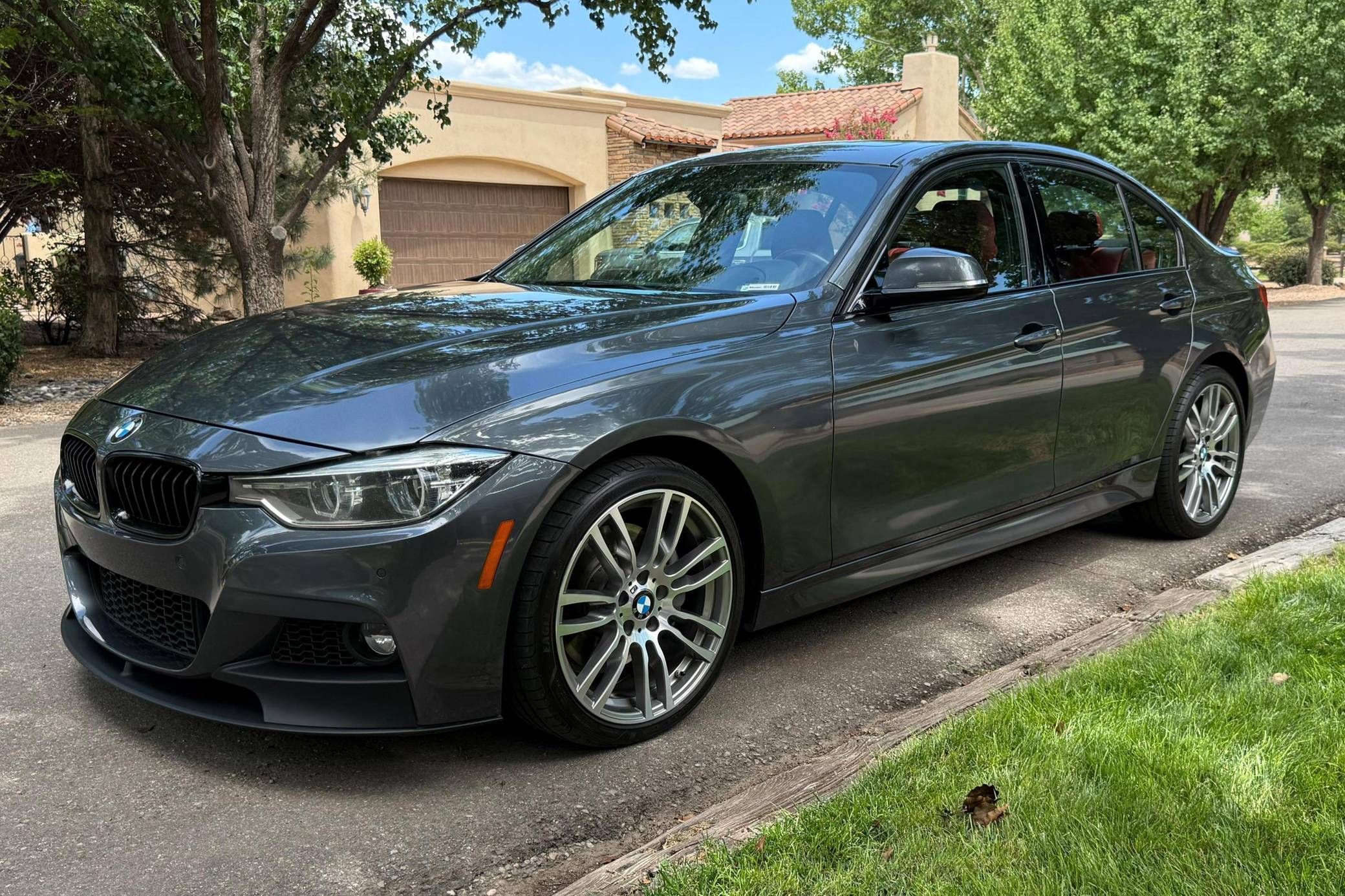
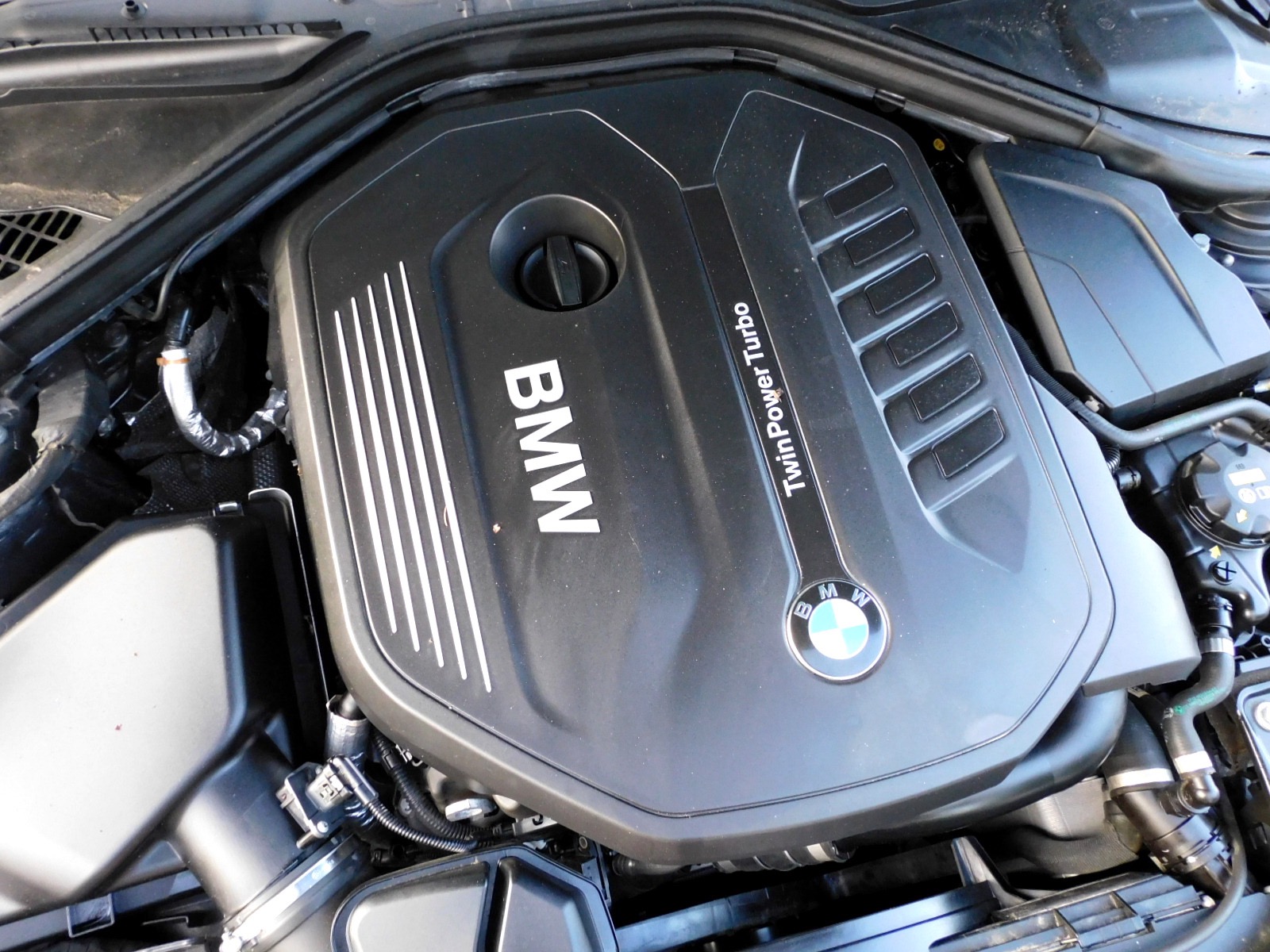
The 2016 BMW 340i features the B58, a 3.0-liter turbocharged inline-six engine that replaced the previous N55 power plant. Renowned for its closed-deck block design, air-to-liquid intercooling, and significant tuning potential, the B58 delivers 320 horsepower and 330 lb-ft of torque, establishing it as one of BMW's most reliable and capable modern engines.
The Dawn of the B58 Era: Architecture and Engineering
The introduction of the 2016 340i marked a pivotal moment for the BMW 3 Series. As part of the LCI (Life Cycle Impulse) refresh for the F30 generation, BMW debuted the B58 engine, a member of the modular engine family that shares architectural DNA with three-cylinder (B38) and four-cylinder (B48) variants. This modularity was not merely a cost-saving measure; it allowed BMW to implement high-end engineering across its entire lineup.
The B58 is a 2,998cc straight-six engine utilizing a TwinPower Turbo setup. Unlike true twin-turbo systems, "TwinPower" refers to a single twin-scroll turbocharger. This design directs exhaust gases from two sets of three cylinders into two separate scrolls in the turbo housing, reducing interference and significantly decreasing turbo lag. By 2026, the B58 has solidified its reputation as the "modern 2JZ" due to its robust internal components and ability to handle power levels far beyond its factory rating.
Closed-Deck Block Design
The most significant structural change from the preceding N55 engine to the B58 is the move to a closed-deck block. In an open-deck design, the cylinders are mostly freestanding within the coolant jacket. In the B58’s closed-deck architecture, the area around the cylinders is solid, with small coolant passages. This provides immense structural rigidity to the cylinders, allowing them to withstand much higher combustion pressures. This is the primary reason why the 2016 340i engine is so favored by the aftermarket tuning community; the block itself can handle significantly more boost without the risk of cylinder wall distortion.
Integrated Air-to-Liquid Intercooler
Another engineering marvel of the B58 is the integration of the intercooler directly into the intake manifold. Previous generations used a front-mounted air-to-air intercooler. The B58's air-to-liquid system uses a dedicated coolant circuit to lower intake temperatures. This setup results in a much shorter intake path, which improves throttle response and provides more consistent cooling, even under heavy load or high ambient temperatures.
Technical Specifications and Performance Metrics
The 2016 340i engine was a significant step up from the 335i it replaced. While the horsepower increase on paper seemed modest (300 hp to 320 hp), the real-world performance felt much more substantial due to the way the B58 delivers its torque.
| Feature | Specification |
|---|---|
| Engine Code | B58B30M0 |
| Configuration | Inline 6-Cylinder |
| Displacement | 3.0 Liters (2,998 cc) |
| Bore / Stroke | 82.0 mm / 94.6 mm |
| Compression Ratio | 11.0:1 |
| Induction | Single Twin-Scroll Turbocharger |
| Horsepower | 320 hp @ 5,500–6,500 rpm |
| Torque | 330 lb-ft @ 1,380–5,000 rpm |
| Valvetrain | Double-VANOS and Valvetronic |
The long-stroke design (94.6 mm) of the B58 contributes to its excellent low-end torque. Reaching peak torque at just 1,380 rpm means the 2016 340i feels effortlessly powerful in city driving and highway passing maneuvers. This "flat" torque curve remains consistent until 5,000 rpm, providing a linear power delivery that many drivers compare to a naturally aspirated engine.
Reliability and Common Issues: A 10-Year Retrospective
As we look at the 2016 340i engine in 2026, we have a decade of data regarding its longevity. While the B58 is widely considered one of BMW’s most reliable engines, it is not without its specific maintenance requirements and potential failure points.
The Cooling System and "Split Cooling"
The B58 uses a sophisticated heat management module rather than a traditional thermostat. This module can mechanically control the flow of coolant to different parts of the engine to speed up warm-up times and improve efficiency. However, many 2016 340i owners have reported coolant loss over time. This is often traced back to the expansion tank caps or small leaks in the secondary radiator (the one used for the intercooler circuit). By 2026, it is standard practice for owners to inspect the coolant levels every few months, as these engines are sensitive to overheating.
PCV Valve Failure
The Positive Crankcase Ventilation (PCV) system is integrated into the valve cover. The rubber diaphragm inside the PCV valve is known to tear after 60,000 to 80,000 miles. When this happens, the engine may produce a loud whistling sound at idle, experience rough idling, or emit blue smoke from the exhaust. In many cases, BMW dealerships recommend replacing the entire valve cover, which can be an expensive repair. However, the aftermarket has developed repair kits that allow for the replacement of just the diaphragm and cap, significantly reducing maintenance costs.
Oil Filter Housing and Oil Pan Leaks
Unlike previous BMW engines where the oil filter housing was at the front and prone to leaking onto the drive belt, the B58's housing is located toward the rear of the engine bay. While this protects the belt, the housing is made of plastic and can crack or develop gasket leaks after repeated heat cycles. Similarly, while the B58 is less prone to oil pan leaks than the N54/N55, high-mileage units in 2026 are beginning to show seepage around the oil pan gasket, which is a labor-intensive job due to the need to drop the front subframe.
Maintenance Requirements for Longevity
To keep the 2016 340i engine running optimally past the 100,000-mile mark, a proactive maintenance schedule is essential. The B58's high-pressure fuel system and precision timing components do not tolerate neglect.
- Oil Changes: While BMW originally suggested 10,000-mile intervals, most enthusiasts and mechanics recommend 5,000 to 7,000-mile intervals using a high-quality synthetic oil meeting BMW Longlife-01 (LL-01) or LL-01 FE specifications.
- Spark Plugs and Ignition Coils: The B58 is sensitive to spark plug gap and condition, especially if tuned. Factory intervals are roughly 60,000 miles, but for 2016 models, checking them every 30,000 miles is advisable. Using the correct SILZKGR8E8S (NGK 94201) plugs is vital.
- Drive Belt and Tensioner: The drive belt system should be inspected every 60,000 miles. A failure here can lead to a loss of power steering and alternator function.
- Drivetrain Fluids: Although BMW famously uses "Lifetime" labels for transmission and differential fluids, ZF (the manufacturer of the 8HP transmission) recommends servicing the fluid and filter every 60,000 to 80,000 miles.
The B58 as a Tuning Powerhouse
One of the primary reasons the 2016 340i remains highly sought after in 2026 is its "overbuilt" nature. The engine was designed to handle significant stress, making it an ideal candidate for software and hardware modifications.
Stage 1 and Stage 2 Tuning
A simple "Stage 1" engine control unit (ECU) remap can take a stock 2016 340i from 320 horsepower to approximately 380–400 horsepower without any physical hardware changes. This is possible because the B58's fuel system and turbocharger have significant overhead. "Stage 2" tunes, which typically require a high-flow downpipe and an upgraded intake, can push the engine toward the 450-horsepower mark. At this level, the 340i becomes a legitimate competitor to many dedicated sports cars.
The Role of the ZF 8-Speed Transmission
The B58 in the 2016 340i is almost exclusively paired with the ZF 8HP50 automatic transmission (though a 6-speed manual was available). This transmission is widely regarded as the best torque-converter automatic in the world. It shifts faster than many dual-clutch transmissions while remaining smooth in traffic. More importantly, it is rated to handle the increased torque from B58 tunes, provided the transmission software (such as xHP) is updated to manage line pressures.
Comparison: B58 vs. the Outgoing N55
To understand why the 2016 340i was such a leap forward, it is helpful to compare it directly to its predecessor, the N55 engine found in the 2015 335i.
The N55 used an open-deck block and an air-to-air intercooler. While reliable in its own right, the N55 often struggled with "heat soak" during spirited driving, where the intercooler could not keep up with the rising temperatures, leading the ECU to pull timing and reduce power. The B58's water-to-air system virtually eliminated this issue. Furthermore, the B58's fuel system utilizes a higher-pressure direct injection system (up to 200 bar), allowing for better fuel atomization and efficiency.
One controversial change was the relocation of the timing chain to the back of the engine (the flywheel side). While this improves weight distribution and allows for a lower hood line, it makes timing-related repairs significantly more expensive, as the engine often needs to be removed from the car to access the chains. Fortunately, by 2026, the B58 timing chains have proven to be much more robust than those found in the earlier N20 four-cylinder engines.
Expert Guidance: Buying a Used 2016 340i
If you are in the market for a 2016 340i in 2026, the engine should be your primary focus during inspection. Because these cars are popular with tuners, it is essential to verify if the car has been modified and how well it was maintained during those modifications.
- Check the Oil Filter: During an oil change, inspect the filter for crushing or twisting. The B58's oil filter can sometimes get stuck in the housing; if it's not seated correctly, it can bypass the filter or cause oil pressure issues.
- Look for Dried Coolant: Inspect the area around the expansion tank and the front radiators for white or pink crusty residue. This indicates a slow leak that could eventually lead to overheating.
- Verify Service History: A B58 with 100,000 miles and a documented history of 5,000-mile oil changes is often a better purchase than a 60,000-mile car with 15,000-mile intervals.
- Listen for Injector Noise: While direct injectors are naturally "clicky," excessively loud or uneven ticking can indicate an injector starting to fail, which can lead to a lean condition and potential engine damage.
Frequently Asked Questions
Does the 2016 340i engine have a timing belt or a timing chain?
The 2016 340i engine (B58) uses a timing chain. Unlike timing belts, which require periodic replacement, the B58's timing chain is designed to last the life of the engine. However, the chain is located at the back of the engine, making any necessary repairs significantly more labor-intensive than on previous BMW engines.
How much horsepower can the 2016 340i engine handle safely?
On stock internal components, the B58 is generally considered safe up to 550–600 wheel horsepower, provided the fuel system (specifically the high-pressure fuel pump) is upgraded to handle the demand. Beyond 600 hp, the limits of the factory pistons and rods become a concern, although the closed-deck block itself can handle much more.
Why is my 2016 340i losing coolant without any visible leaks?
This is a common B58 trait often caused by the evaporation of coolant through a faulty expansion tank cap or a microscopic leak in the heat management module. Because the B58 runs at high temperatures for efficiency, even a tiny breach in the pressurized system can result in significant loss over time without leaving a puddle on the ground.
Is the B58 engine in the 2016 340i the same as the one in the Toyota Supra?
Yes, the B58 engine used in the 2016 340i is the foundation for the engine found in the GR Supra. While the Supra uses a slightly updated version (the B58TU1), the core architecture, including the closed-deck block and 3.0L displacement, remains identical. This shared heritage has greatly expanded the availability of aftermarket parts.
What is the average lifespan of a B58 engine?
With proper maintenance, many B58 engines are currently reaching 150,000 to 200,000 miles in 2026 without requiring major overhauls. The engine's longevity is attributed to its robust cooling system and strong internal components, though accessories like the water pump and PCV valve will likely need replacement during that timeframe.
Final Recommendation
For enthusiasts seeking a balance of daily-driver civility and supercar-slaying potential, the 2016 340i engine remains one of the best values on the market. In 2026, the B58 has moved past the "new and unproven" stage into the "legendary" category. To ensure your 340i remains a reliable performer, prioritize cooling system maintenance and frequent oil changes. If you plan to tune the vehicle, always start with a "maintenance-first" approach by refreshing spark plugs and ignition coils before increasing boost levels.