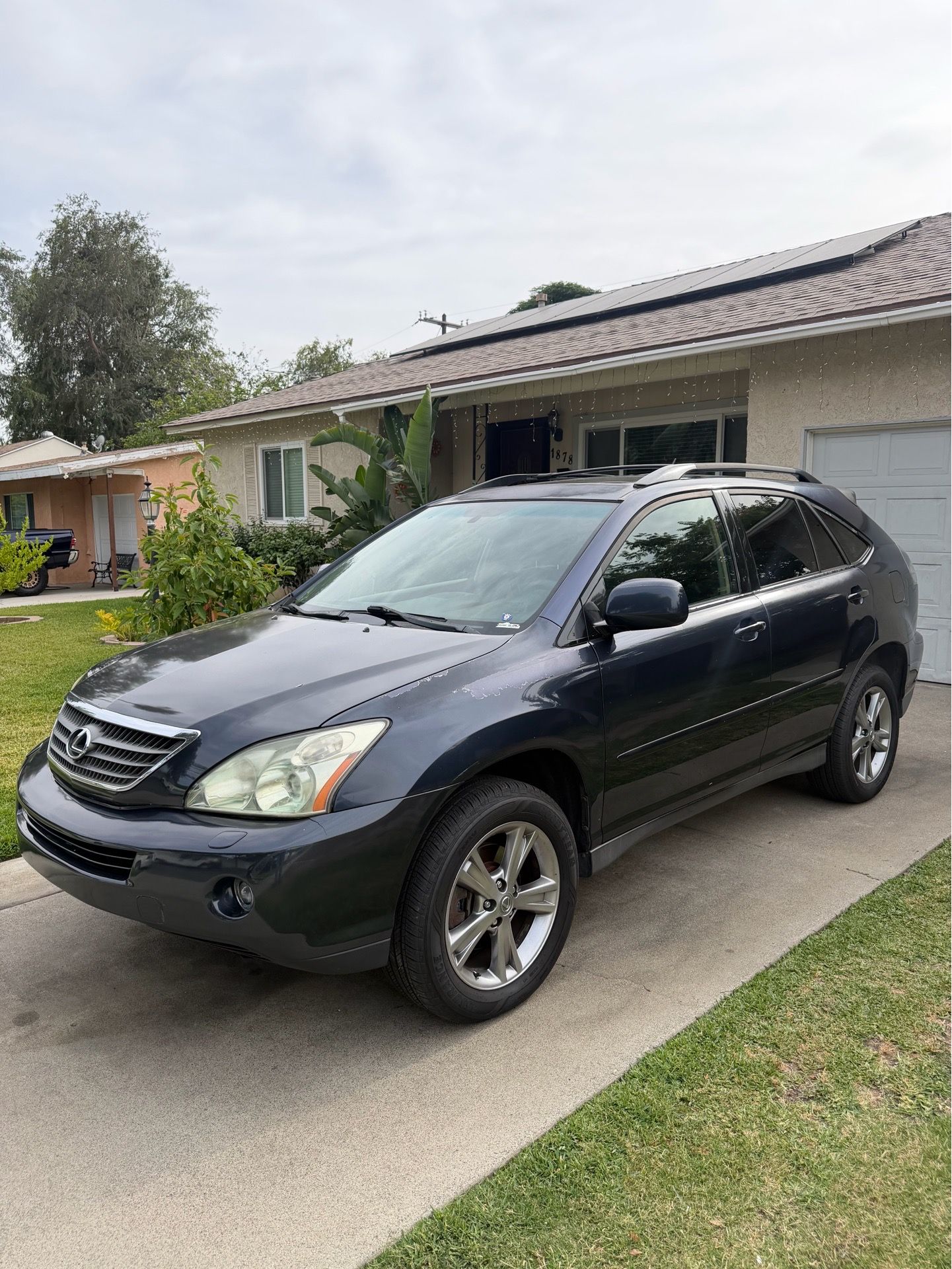
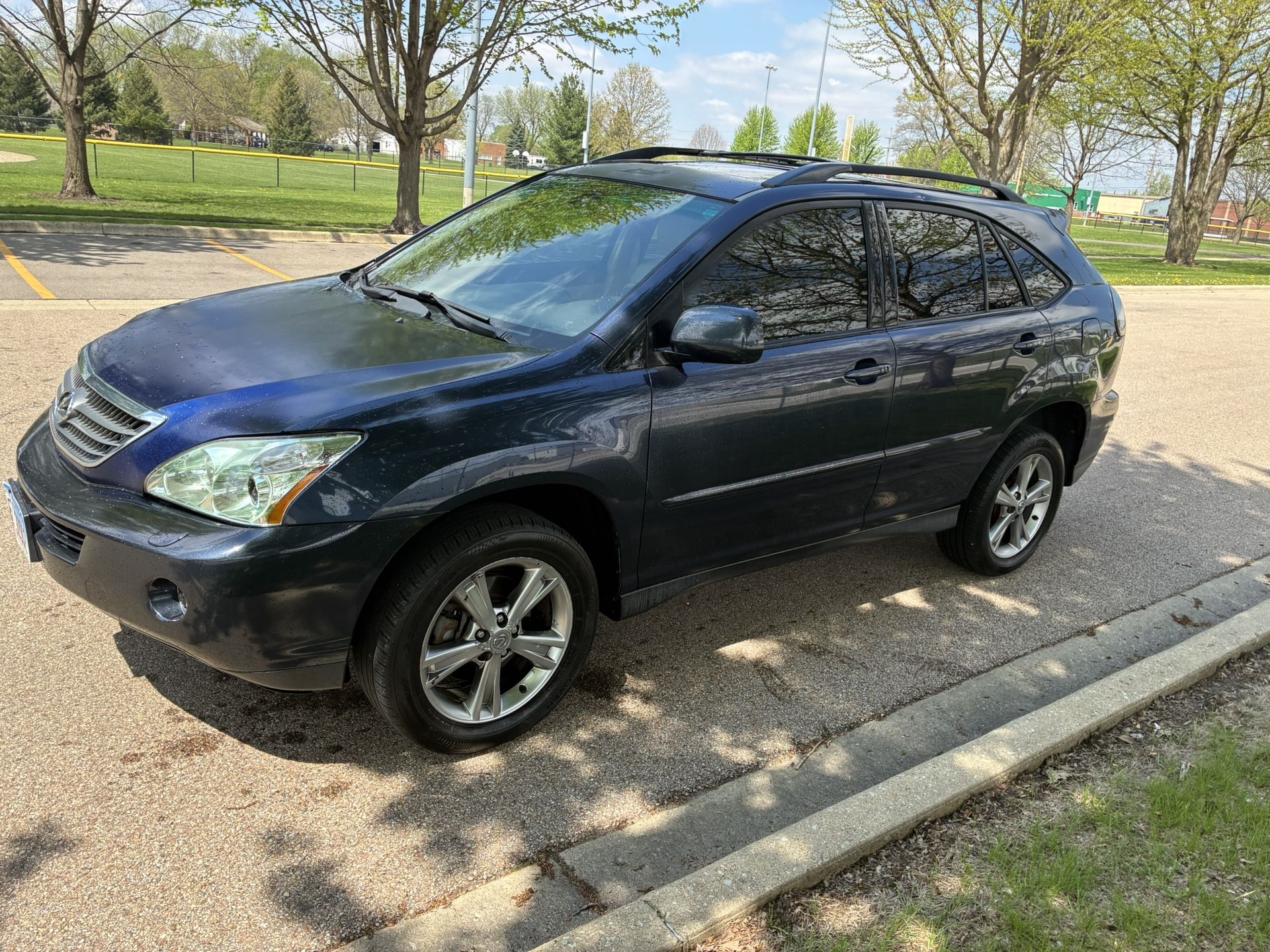
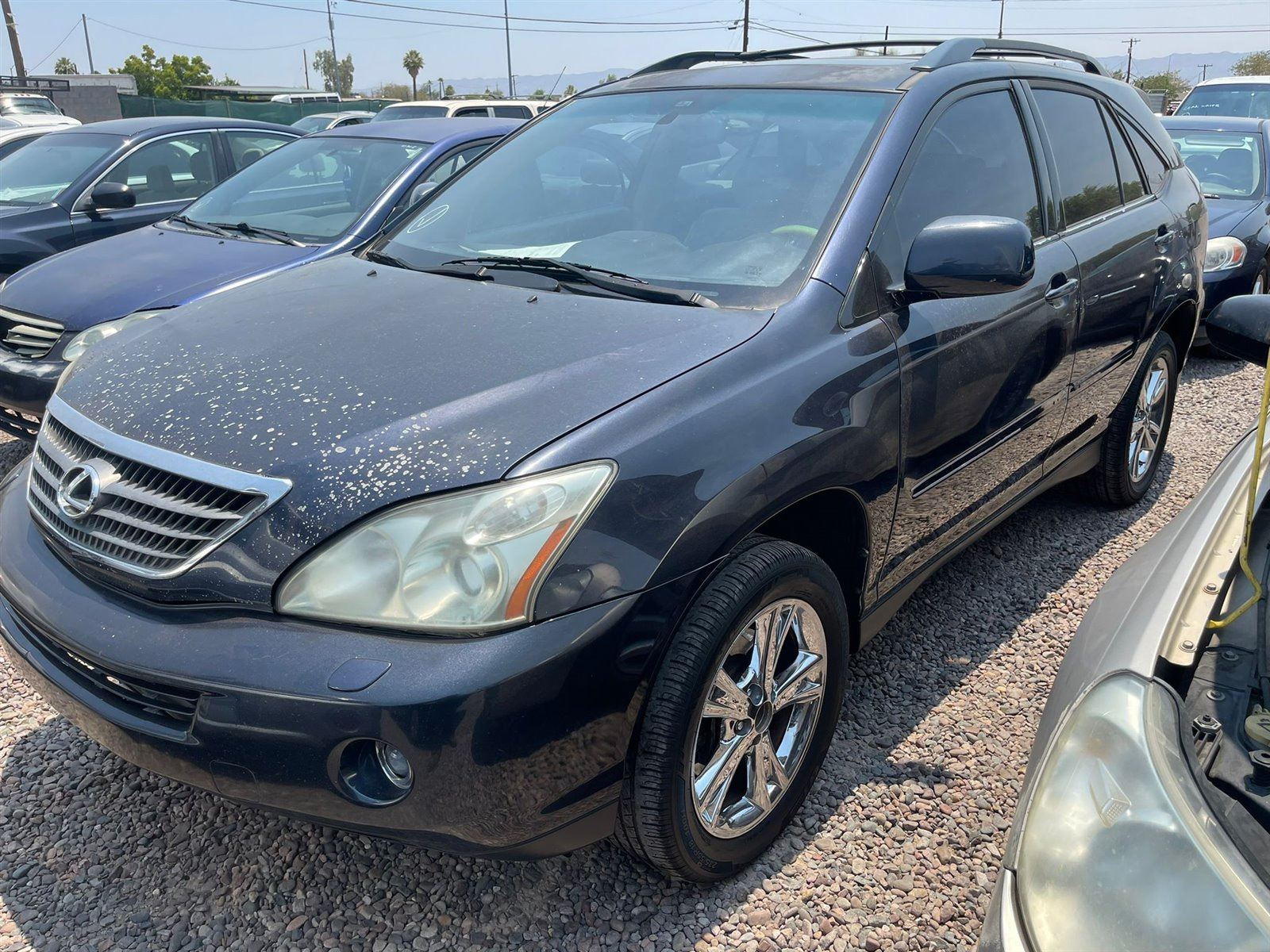
The 2006 Lexus RX400h remains a landmark vehicle in the luxury SUV segment, representing one of the earliest successful applications of hybrid technology in a premium crossover. Its reliability is generally considered excellent, characterized by the robust 3.3-liter V6 engine and a durable eCVT transmission. However, prospective owners must account for the natural aging of the nickel-metal hydride (NiMH) battery pack and the unique complexities of the hybrid power electronics as these vehicles enter their third decade of service.
Understanding the 2006 Lexus RX400h Powertrain Architecture
To evaluate the reliability of the 2006 Lexus RX400h, one must first understand its Hybrid Synergy Drive system. Unlike a conventional SUV, the RX400h utilizes a complex interplay between a 3.3-liter 3MZ-FE V6 gasoline engine and two electric motor-generators (MG1 and MG2). The vehicle does not have a traditional automatic transmission; instead, it uses a planetary gear set—often referred to as an electronically controlled continuously variable transmission (eCVT)—to distribute power between the electric motors and the gasoline engine.
From a reliability standpoint, the 3MZ-FE engine is legendary for its durability. It is a non-interference engine, meaning that in the event of a timing belt failure, the pistons are unlikely to strike the valves, potentially saving the engine from catastrophic damage. However, the system relies on a complex inverter and cooling circuit to manage the high-voltage electrical components. As of 2026, the primary mechanical components of the engine often outlast the body of the vehicle, provided the cooling systems are properly maintained.
The Hybrid Battery: Reality vs. Perception
The most significant question regarding the 2006 Lexus RX400h is the longevity of the high-voltage nickel-metal hydride (NiMH) battery pack. Originally engineered to last for the expected life of the vehicle, many units are now functioning well beyond their original design parameters. Nevertheless, chemical degradation is inevitable. By 2026, many original packs have either been replaced or refurbished.
A failing battery pack typically manifests through specific diagnostic trouble codes (DTCs) and the illumination of the "Check Hybrid System" warning light on the dashboard. Owners may also notice decreased fuel economy or sluggish performance. When assessing a potential purchase or maintaining an existing vehicle, it is essential to verify if the battery has been tested under load. Modern diagnostic scanners can provide a "health check" on individual cells, allowing technicians to predict if a failure is imminent.
Common Maintenance Challenges and Potential Failures
While the powertrain is remarkably stout, the 2006 RX400h is not immune to the wear-and-tear issues that affect all vehicles of this vintage. Maintenance at this stage of the vehicle’s life cycle requires focusing on "age-related" rather than "mileage-related" issues.
1. Inverter Coolant System
The inverter, which converts DC power from the battery to AC power for the motors, requires its own cooling circuit. If the electric water pump for the inverter fails, the system will overheat and shut down to protect the sensitive electronics. Owners should ensure that the inverter coolant loop has been flushed according to the manufacturer’s intervals, as neglected coolant can become acidic and accelerate the failure of the pump seals.
2. Suspension and Bushings
The RX400h is a heavy vehicle due to the weight of the battery pack and the electric motor assembly. Consequently, it puts significant stress on the suspension components. By 2026, almost every 2006 model will have required—or will soon require—the replacement of control arm bushings, struts, and sway bar links. A common symptom of worn suspension is a "clunking" noise when traversing uneven road surfaces or speed bumps.
3. Power Steering and Brake Actuator
The RX400h uses an electronically driven power steering pump and an electric brake booster (regenerative braking system). The brake actuator assembly is a known, albeit infrequent, failure point on early hybrid models. Because the braking system is computer-controlled, it is not a "DIY-friendly" repair for most owners; it requires specialized diagnostic software (Techstream) to bleed the system correctly after parts are replaced.
Comparative Reliability Analysis
The following table compares the 2006 Lexus RX400h to its contemporary, the non-hybrid RX330, and a generic 2006 luxury crossover to highlight the trade-offs of hybrid ownership.
| Feature | RX400h (Hybrid) | RX330 (Standard) | Standard Luxury SUV (2006) |
|---|---|---|---|
| Engine Complexity | High | Low | Moderate/High |
| Transmission | eCVT (High Longevity) | 5-Speed Auto (Moderate) | Variable |
| Brake Wear | Very Low (Regen assist) | Standard | Standard |
| Electrical System | Complex/High Voltage | Standard | Standard |
| Estimated Repair Cost | Moderate to High | Moderate | High |
The data confirms that the hybrid system actually saves components elsewhere; for instance, the regenerative braking system significantly extends the service life of brake pads and rotors. However, the increased electrical complexity means that when a repair is required, the diagnostic time and specialized parts often command a premium over a traditional internal combustion vehicle.
Practical Ownership Advice for 2026
If you are currently operating a 2006 Lexus RX400h, your primary strategy should be preventative rather than reactive. By this point in the vehicle’s life, "lifetime" fluids have likely reached the end of their functional utility.
- Fluid Management: Change the transmission fluid, engine oil, and both cooling circuits (engine and inverter). Use only Toyota/Lexus Super Long Life coolant, as the hybrid system is sensitive to the chemical composition of additives.
- Battery Maintenance: Keep the air intake for the rear-mounted hybrid battery clean. Dust and debris can clog the cooling fan, causing the battery to overheat and significantly shortening its lifespan.
- Diagnostic Tools: Many owners in 2026 find that purchasing a basic OBD-II scanner capable of reading Toyota-specific codes is a cost-effective way to distinguish between a minor sensor error and a major system fault.
Frequently Asked Questions
Is the 2006 Lexus RX400h still reliable in 2026? Yes, the core mechanical components—the V6 engine and the eCVT planetary gear system—remain highly reliable. However, the vehicle is subject to the limitations of 20-year-old electronics and battery degradation. Reliability in 2026 is heavily dependent on previous maintenance records and the current status of the hybrid battery.
Can I replace the hybrid battery myself? While possible for experienced hobbyists, it is not recommended for those without high-voltage safety training. The battery contains lethal voltage levels. Always use professional, certified hybrid service centers to handle the removal and installation of the NiMH battery pack.
What are the most common "Check Engine" triggers for this model? The most frequent triggers are related to the EVAP (evaporative emissions) system, such as a leaking gas cap or a failed charcoal canister, and the hybrid system cooling fan. A "Check Hybrid System" warning is a more serious indicator that typically requires an immediate scan for specific battery block failure codes.
Does the lack of a traditional transmission make it more expensive to repair? No. The eCVT is actually simpler in design than a traditional multi-gear automatic transmission. It lacks clutches, bands, and torque converters that typically fail in conventional automatics. Most repairs related to the drivetrain involve sensors or cooling components rather than the transmission itself.
Should I buy a 2006 RX400h as a daily driver? If the vehicle has a documented service history and the hybrid battery has been tested or replaced, it can be a very economical and comfortable daily driver. If the vehicle has unknown service history and a degraded battery, the cost of bringing it up to standard may exceed the market value of the vehicle.
Recommendation for Owners and Buyers
For owners, the best approach is to continue diligent maintenance of the cooling systems and to monitor the hybrid battery health via professional scanning tools. Do not ignore warning lights; the hybrid system is designed to "limp" to safety, but continuing to drive with a fault can cause collateral damage to the expensive inverter or battery cells.
For prospective buyers, prioritize vehicles with verified records of timing belt replacements and hybrid battery health reports. A 2006 RX400h with a high-mileage chassis but a newer, professionally installed battery is often a better purchase than a low-mileage example with an original, 20-year-old battery. By respecting the technical constraints of its vintage, the 2006 Lexus RX400h can continue to provide reliable transportation for years to come.