The standard cold tire pressure for a 2003 Toyota Corolla is typically 32 pounds per square inch (psi) for both front and rear tires when using the factory-recommended size of 185/65R15. Maintaining proper inflation optimizes fuel economy, ensures even tread wear, and preserves vehicle handling and safety.
Understanding Factory Tire Pressure Specifications for the 2003 Toyota Corolla
Proper tire inflation is one of the most critical yet frequently overlooked aspects of routine vehicle maintenance. For the 2003 Toyota Corolla—belonging to the ninth generation of this legendary compact car lineup—the factory-specified cold tire pressure is engineered to balance ride comfort, load capacity, and highway stability.
Maintaining the correct pressure ensures that the tire's contact patch (the footprint where the rubber meets the road) remains entirely flat. When a tire is overinflated, the center of the tread bears the brunt of the load, leading to premature center wear, harsh ride quality, and reduced traction. Conversely, underinflation causes the outer edges of the tread to carry the weight, generating excessive friction, heat buildup, and structural fatigue that can ultimately lead to a blowout.
Locating Your Specific Vehicle Placard
While general guidelines are helpful, the most authoritative source for your exact vehicle is the manufacturer tire placard. On the 2003 Toyota Corolla, this white-and-yellow certification label is permanently affixed to the driver-side B-pillar (the frame pillar visible when you open the driver's door).
Relying on the placard is essential because trim levels, aftermarket wheel modifications, or regional specifications can sometimes alter factory recommendations. The placard displays the officially mandated cold inflation pressure for both front and rear positions, along with the maximum vehicle load limit and original equipment tire size.
Cold Tire Pressure Definition
To measure or adjust your 2003 Corolla tire pressure accurately, you must check the tires when they are "cold." This means the vehicle has been parked for at least three hours, or has been driven less than a mile at moderate speeds.
Driving generates friction, which heats the air inside the tire. Because heat causes gases to expand, warm tires yield artificially high pressure readings. If you add or release air based on a warm reading, your tires will become significantly underinflated once they cool down.
Recommended Tire Pressures and Configurations
The 2003 Toyota Corolla was manufactured in multiple trim levels—such as the CE, LE, and S models—with varying wheel and tire packages. Although the standard 15-inch setup is most common, understanding how different sizes affect pressure requirements helps prevent guesswork.
Standard Tire Size vs. Optional Aftermarket Fitments
Factory configurations for the 2003 model year typically featured 14-inch steel wheels on base models and 15-inch wheels on higher trims. Over the vehicle's long operational lifespan, many owners have installed aftermarket wheels, such as 16-inch or 17-inch low-profile setups.
| Trim Level / Wheel Size | Factory Tire Size | Recommended Front PSI | Recommended Rear PSI | Primary Purpose |
|---|---|---|---|---|
| CE / Base (14-inch) | 175/65R14 | 30 PSI | 30 PSI | Standard efficiency and comfort |
| LE / S (15-inch) | 185/65R15 | 32 PSI | 32 PSI | Balanced handling and load rating |
| Aftermarket Upgrade (16-inch) | 205/50R16 | 35 PSI | 35 PSI | Enhanced cornering response |
Note: If you are running non-standard aftermarket tires on your 2003 Corolla, always consult the maximum pressure rating stamped on the tire sidewall and follow the tire manufacturer's load-inflation tables, rather than relying solely on the door jamb sticker.
Passenger Load and Highway Driving Adjustments
The standard 32 psi recommendation for the 2003 Corolla accounts for normal daily commuting with an average passenger load. However, if you plan to embark on a long road trip with a full carload of passengers and a trunk packed with heavy luggage, slight adjustments may be warranted.
While Toyota's base recommendation is designed to handle maximum gross vehicle weight rating (GVWR) safely, increasing pressure by 1 to 2 psi can reduce rolling resistance during sustained high-speed highway driving, mitigating heat generation. Never exceed the maximum pressure rating listed on the tire sidewall.
Step-by-Step Guide to Checking and Inflating 2003 Corolla Tires
Checking your tire pressure is a straightforward mechanical task that requires only a reliable pressure gauge, a portable air compressor or service station air pump, and a valve core tool or clean rags. Performing this check monthly safeguards your suspension components and protects your fuel budget.
Step 1: Gather Your Tools
Obtain a reliable digital or dial tire pressure gauge. Pencil-style gauges are inexpensive but can lose calibration over time if dropped. Ensure your chosen air source is accessible and working correctly.
Step 2: Remove Valve Caps
Unscrew the plastic valve stem caps from all four tires on your 2003 Corolla, plus the spare tire if you intend to check it as well. Place the caps in your pocket or a secure location so they do not get lost in gravel or grass.
Step 3: Measure the Pressure
Press the tire pressure gauge firmly onto the valve stem. You should hear a brief hiss of escaping air as the valve core depresses. Read the measurement on the digital screen or dial. If the gauge leaks air excessively, adjust the angle until you get a steady, consistent reading.
Step 4: Inflate or Deflate as Needed
- If pressure is low: Attach the air compressor hose to the valve stem. Add air in short bursts, checking the pressure frequently with your gauge to avoid overinflation.
- If pressure is high: Depress the small metal pin in the center of the valve stem using the back of your gauge or a small tool to bleed out excess air until you reach the target 32 psi.
Step 5: Secure the Valve Caps
Reinstall the plastic valve caps hand-tight. These caps are essential because they prevent road salt, moisture, and dirt from entering the valve core and causing slow leaks.
Seasonal Variations and Environmental Factors
Tire pressure is not a static measurement set once and forgotten; it fluctuates naturally with environmental conditions. Understanding these changes is vital for maintaining consistent vehicle dynamics throughout the changing seasons.
The Science of Temperature Fluctuations
As a general rule of thumb, tire pressure changes by approximately 1 psi for every 10-degree Fahrenheit shift in ambient temperature. When autumn transitions into winter, falling temperatures cause the air molecules inside the tire to contract, resulting in a noticeable drop in pressure.
Conversely, during scorching summer months, asphalt temperatures can soar well above the air temperature. This thermal expansion increases internal pressure. Checking your 2003 Corolla tire pressure during seasonal transitions prevents winter underinflation and summer overinflation.
Winter Driving Considerations
In freezing climates, drivers sometimes mistakenly reduce tire pressure to increase the contact patch for better snow traction. This practice is dangerous. Underinflated tires lack the structural rigidity required to bite into snow, generate excessive sidewall flex, and increase stopping distances. Maintain the recommended 32 psi cold pressure even in winter, and rely on dedicated winter tires if you live in an area with severe snowfall.
Troubleshooting Common Tire Pressure Issues
Even with diligent maintenance, older vehicles like the 2003 Toyota Corolla frequently encounter specific tire pressure anomalies. Recognizing these symptoms helps you resolve underlying mechanical failures before they cause tire failure or unsafe driving conditions.
Persistent Slow Leaks
If you find that one particular tire on your Corolla continuously loses 2 to 3 psi every week, you are dealing with a slow leak. Common culprits include:
- Punctures: A stray nail, screw, or piece of glass embedded in the tread block.
- Bead Leaks: Corrosion or dirt buildup along the rim flange where the rubber tire bead seals against the alloy or steel wheel.
- Faulty Valve Cores: A worn or loose Schrader valve inside the stem that fails to seal completely after inflation.
Inspecting Valve Stems and Wheels
Rubber valve stems degrade over time due to ozone exposure, ultraviolet light, and centrifugal force. On a 2003 model, original valve stems may be dry-rotted or cracked. If you notice cracking at the base of the stem, have a tire technician replace it immediately. Additionally, steel wheels are prone to rust flaking along the inner lip, which breaks the airtight seal and causes chronic pressure loss.
Frequently Asked Questions
What is the correct tire pressure for a 2003 Toyota Corolla?
The standard cold tire pressure for a 2003 Toyota Corolla with factory 185/65R15 tires is 32 psi for both the front and rear tires. Base models equipped with smaller 175/65R14 tires require 30 psi. Always verify the exact specification on the driver-side door jamb placard.
How often should I check my 2003 Corolla tire pressure?
You should check your tire pressure at least once a month and before any long road trips. Additionally, always check your pressure when experiencing sudden outdoor temperature drops, as tires lose roughly 1 psi for every 10°F drop in ambient temperature.
Does the 2003 Toyota Corolla have a tire pressure monitoring system (TPMS)?
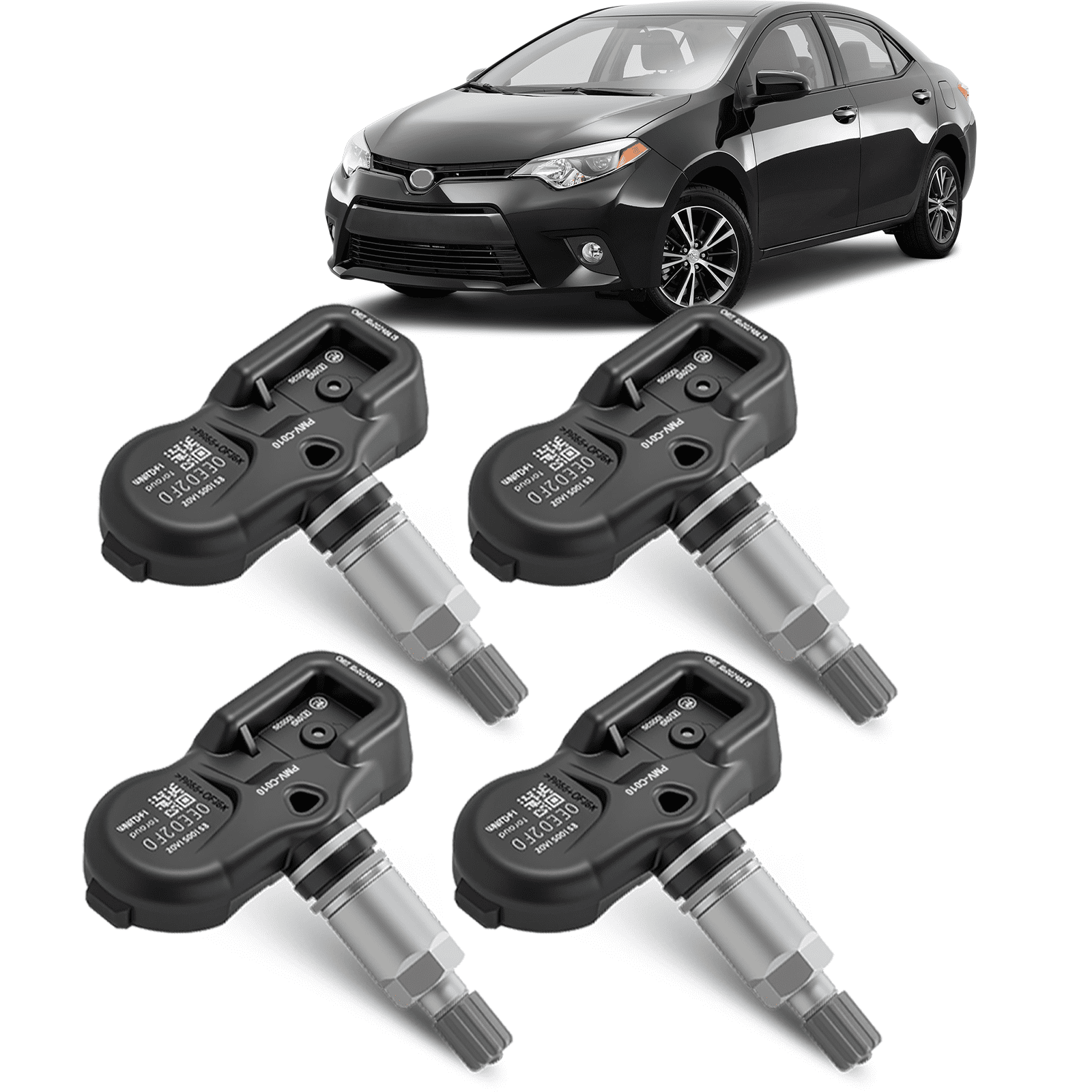
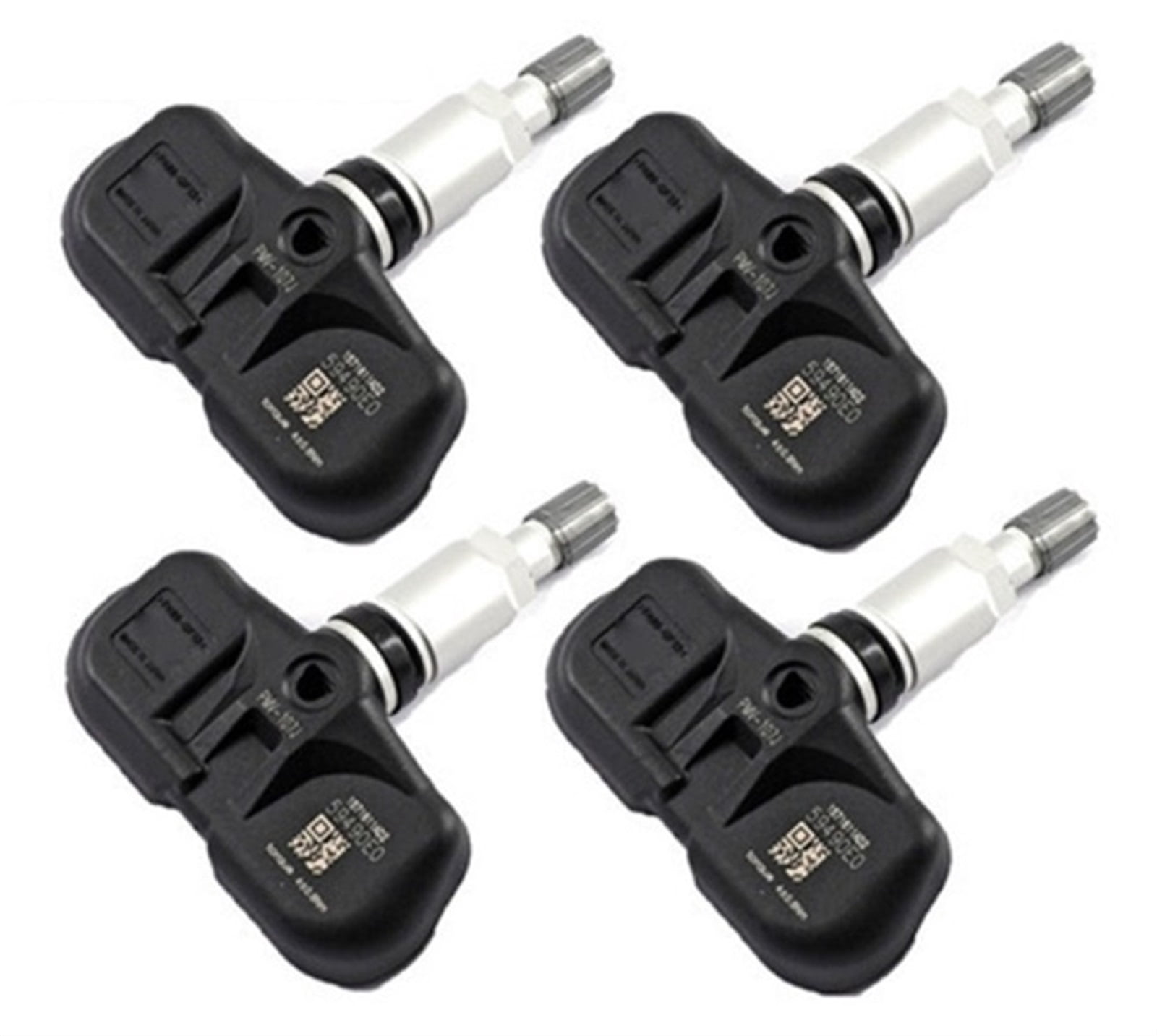
No. Factory tire pressure monitoring systems (TPMS) did not become federally mandated in the United States until the TREAD Act was phased in for all light vehicles manufactured after September 2007. Therefore, a 2003 Corolla relies entirely on manual checks using a pressure gauge.
Can I drive on my 2003 Corolla if the tire pressure light is on?
Because the 2003 model does not feature a factory TPMS, any warning light on your dashboard would originate from an aftermarket sensor system. If you notice a low tire visually or via an aftermarket monitor, you should inspect and inflate the tire immediately to prevent sidewall damage and hazardous handling.
Should I check tire pressure when the tires are hot or cold?
Always check and adjust your tire pressure when the tires are "cold"—meaning the car has been parked for at least three hours or driven less than a mile. Driving heats the air inside the tire, causing artificial pressure inflation that leads to inaccurate adjustments.
Practical Next Actions
To ensure your 2003 Toyota Corolla remains safe, fuel-efficient, and structurally sound, make checking your tire pressure a monthly habit. Purchase a reliable digital pressure gauge and keep a portable 12-volt air compressor in your trunk. If a tire consistently fails to hold pressure, visit a local tire service professional for a professional patch or valve stem replacement.