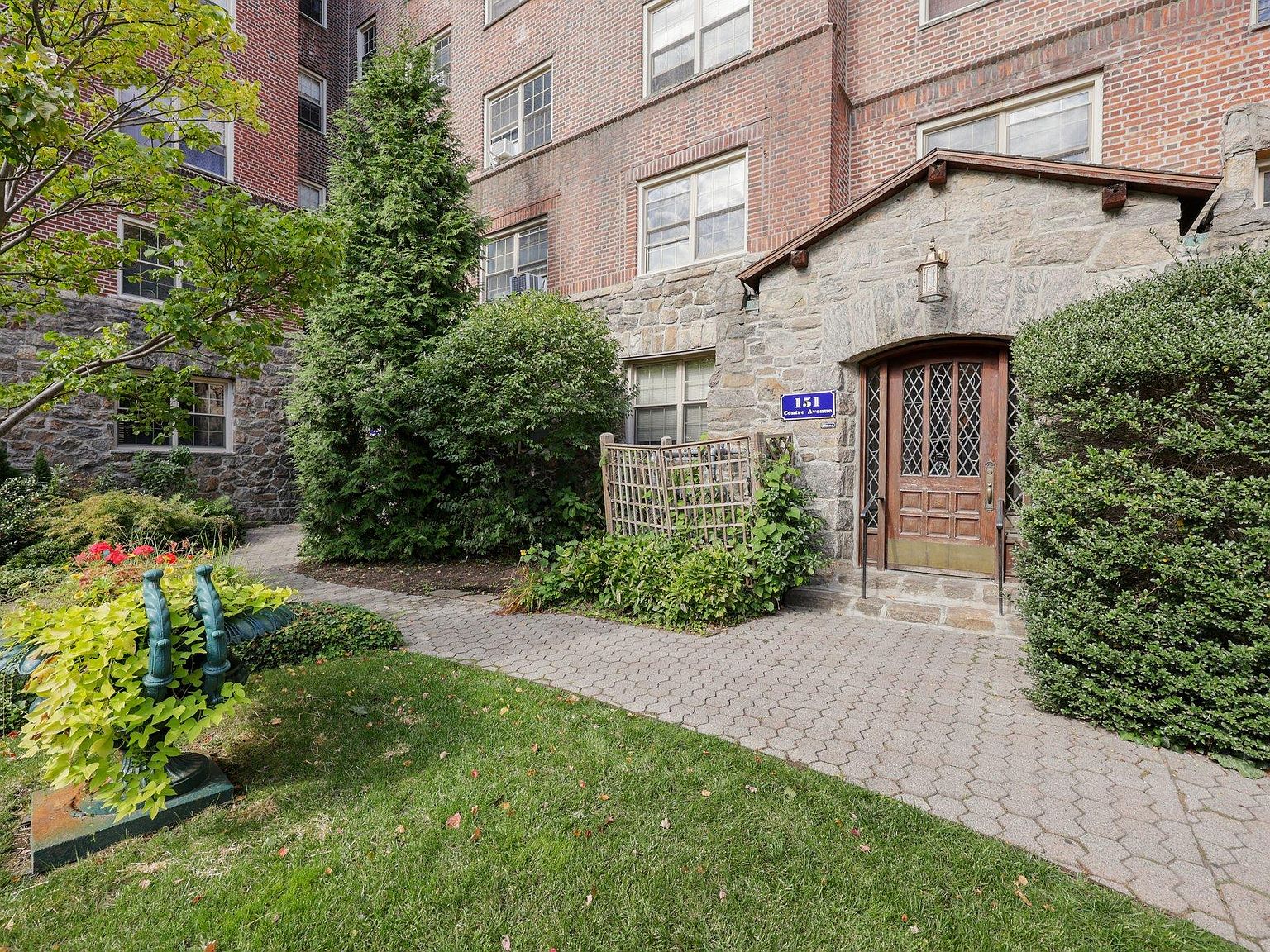
151 Farmington Avenue in Hartford, Connecticut, is globally recognized as the historic home office and corporate headquarters of Aetna, one of the largest health and financial services institutions in the United States. This monumental address has served as an anchor of Hartford’s insurance district for nearly a century, representing a golden age of corporate campus design, architectural grandeur, and the evolution of urban workplace environments.
Introduction to 151 Farmington Avenue
The address 151 Farmington Avenue is synonymous with the corporate evolution of Aetna Life Insurance Company and its successor entities. Situated in the capital city of Connecticut—long heralded as the "Insurance Capital of the World"—this site encompasses a sprawling multi-building complex that combines classical Georgian Revival architecture with mid-century modern expansion. For generations, the sprawling campus has not merely functioned as a workplace for tens of thousands of employees, but has also stood as a defining landmark in Hartford’s urban landscape. Understanding the significance of 151 Farmington Avenue requires examining its architectural origins, its role in the growth of the American insurance industry, its structural evolution through changing corporate eras, and its contemporary status in the modern commercial real estate market.
Architectural Heritage and Original Construction
The development of the complex at 151 Farmington Avenue began in the early 20th century as Aetna outgrew its previous downtown Hartford quarters on Main Street. To accommodate a rapidly expanding workforce and project an image of enduring stability, financial strength, and civic permanence, company leadership commissioned the renowned architectural firm James Gamble Rogers to design a new grand headquarters.
Completed in 1931, the primary building at 151 Farmington Avenue was designed in the Georgian Revival style. This architectural choice was deliberate; Georgian Revival architecture drew heavily on neoclassical principles, invoking a sense of colonial heritage, civic trust, and institutional gravitas that was vital for financial and insurance institutions navigating the post-Depression economic landscape.
Key architectural features of the original 1931 structure include:
- The Colonial Revival Façade: Red brick construction accented by white marble trim, multi-pane double-hung windows, and symmetrical proportions.
- The Iconic Tower: A towering central cupola and weather vane that mirrors classic American colonial steeples, anchoring the building in the visual skyline of Hartford.
- Interior Craftsmanship: Extensive use of imported marble, hand-carved wood molding, ornate plaster ceilings, and dedicated boardrooms designed to reflect executive prestige.
Expansion and Campus Evolution Through the Decades
As Aetna diversified its product offerings—moving from traditional life insurance into health insurance, casualty coverage, and financial asset management—the workforce at 151 Farmington Avenue swelled. To meet these spatial demands, the campus underwent several major construction phases over the mid-to-late 20th century.
During the 1950s and 1960s, modernist additions were appended to the rear and sides of the historic Georgian structure. These expansions prioritized functional office space and open floor plans over classical ornamentation, reflecting changing corporate philosophies that favored administrative efficiency. Later, in the 1970s and 1980s, further structural enhancements were integrated, including multi-story parking garages, advanced data center infrastructure, and employee amenity spaces such as cafeterias, auditoriums, and fitness centers.
The following table outlines the key chronological phases of development at the 151 Farmington Avenue complex:
| Era | Architectural Style / Focus | Primary Purpose & Features |
|---|---|---|
| 1928–1931 | Georgian Revival / Neoclassical | Construction of the iconic main building, executive suites, and ceremonial reception spaces. |
| 1950s–1960s | Mid-Century Functionalism | Rear wing expansions to house growing actuarial, underwriting, and claims processing departments. |
| 1970s–1980s | Corporate Modernism & Infrastructure | Addition of parking structures, mainframe computer facilities, and employee cafeterias. |
| 1990s–2000s | Systems Modernization & Interior Renovation | Upgrades to HVAC, fiber-optic telecommunications, and ergonomic modular office layouts. |
The Role of Hartford’s Insurance District
The history of 151 Farmington Avenue is inextricably linked to Hartford’s rise as the epicenter of the American insurance industry. During the 19th and early 20th centuries, Connecticut fostered a regulatory and financial ecosystem that attracted major risk-bearing institutions. Companies like Aetna, The Travelers, and The Hartford established sprawling campuses across the city, creating an institutional cluster that rivaled financial centers in New York and Boston.
Positioned on the western edge of downtown Hartford near the historic West End neighborhood, 151 Farmington Avenue served as a bustling economic engine. It provided employment for generations of local residents, fostered professional development in actuarial science and risk management, and contributed significantly to municipal tax revenues. The campus became a physical manifestation of Hartford’s corporate identity, earning the city global renown among business historians and urban planners.
Corporate Transitions and Modern Status
The 21st century brought significant shifts in corporate real estate strategies, remote work adoption, and ownership structures for historic corporate headquarters. Following CVS Health's acquisition of Aetna in 2018, the operational footprint required at legacy campuses began to evolve. While large suburban and urban corporate HQs faced changing demands, the physical footprint at 151 Farmington Avenue underwent strategic evaluations regarding space utilization, consolidation, and long-term viability.
Navigating these corporate transitions involved balancing historic preservation mandates with the demands of modern tenant leasing and energy efficiency standards. Large-scale historic properties often require substantial capital investments to upgrade environmental controls, security protocols, and sustainable building systems (such as LEED certification milestones) to remain competitive in commercial real estate markets.
Preservation, Urban Impact, and Community Legacy
Beyond its commercial utility, 151 Farmington Avenue holds a recognized place in Connecticut's architectural and cultural heritage. Preservationists have long monitored the site to ensure that its neoclassical exterior and historical interior elements are protected against unsympathetic alterations or demolition.
The property's impact on urban planning in Hartford is profound. By establishing a grand, campus-style corporate footprint just outside the immediate central business district, Aetna influenced how large American enterprises designed their workplace environments—opting for park-like settings, ample setbacks, and integrated parking rather than dense skyscrapers.
Frequently Asked Questions
What company is historically associated with 151 Farmington Avenue?
Aetna Life Insurance Company (and subsequently Aetna Inc., now part of CVS Health) is the primary historic occupant and developer of the 151 Farmington Avenue property, having used it as its main corporate headquarters for nearly a century.
What architectural style defines the main building at 151 Farmington Avenue?
The original 1931 structure was designed by James Gamble Rogers in the Georgian Revival style, characterized by red brick masonry, white marble trim, symmetrical wings, and a prominent central cupola.
Is 151 Farmington Avenue still used as an active corporate office?
The complex has experienced shifts in occupancy, space consolidation, and corporate restructuring following the acquisition of Aetna by CVS Health, reflecting broader nationwide trends in remote work and corporate real estate optimization.
Can the public tour the interior of 151 Farmington Avenue?
Because 151 Farmington Avenue functions primarily as a private corporate and commercial property, general public access to the interior offices and executive suites is restricted for security and operational reasons.
Where is 151 Farmington Avenue located within Hartford?
The property is situated along Farmington Avenue on the western periphery of downtown Hartford, Connecticut, close to the Asylum Hill and West End neighborhoods.
Conclusion and Next Actions
For those examining the intersection of American corporate history, urban architecture, and the insurance industry, 151 Farmington Avenue remains a landmark study in institutional permanence. Whether researching the evolution of Georgian Revival architecture, exploring the economic history of Hartford's insurance district, or analyzing modern corporate real estate trends, reviewing original architectural surveys, municipal planning documents, and business histories will provide a comprehensive understanding of this enduring Hartford landmark.