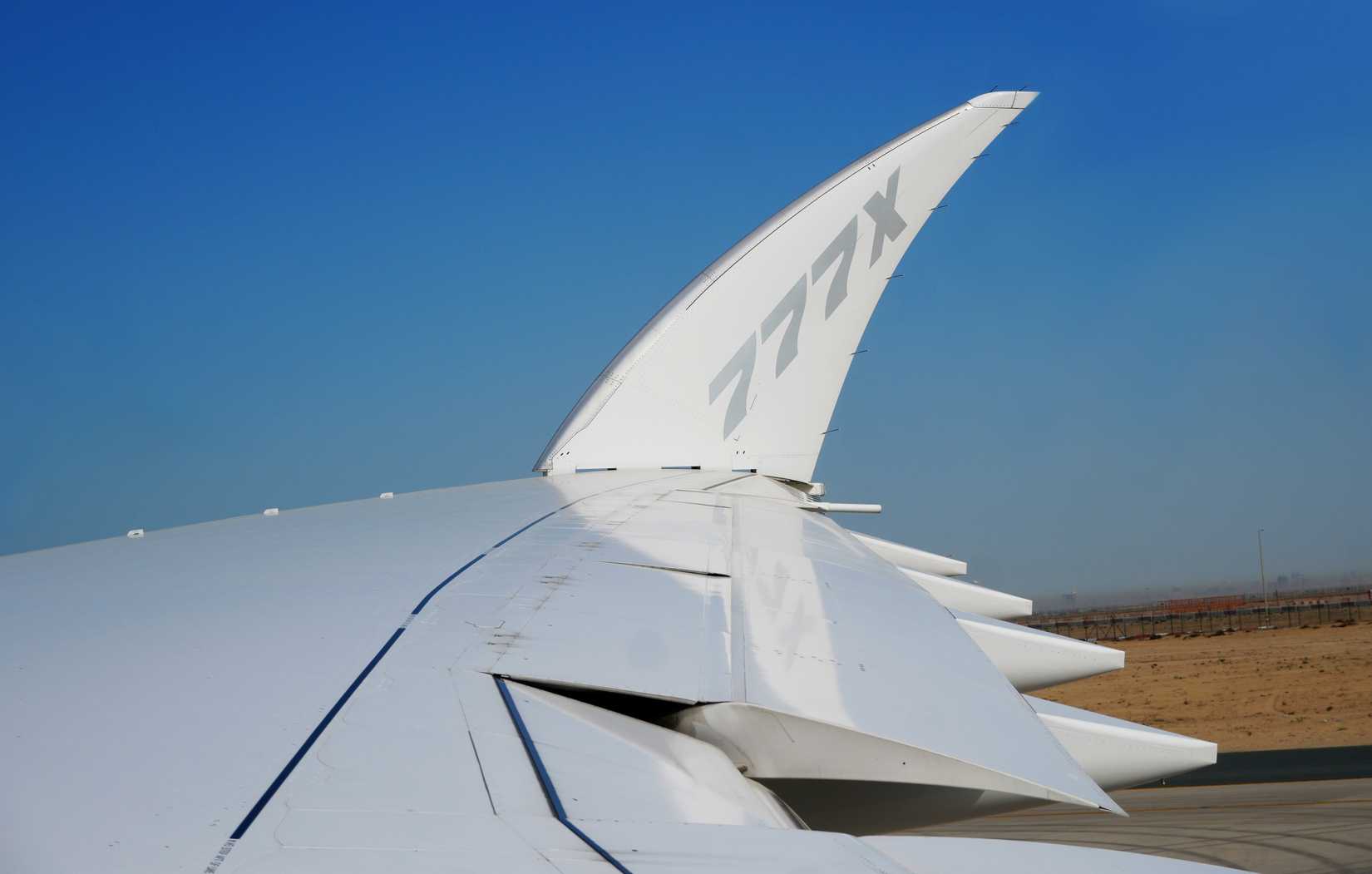
The 12-year A320 winglet story traces the complex, deliberate evolution of Airbus’s narrowbody wing tip devices, highlighting the transition from original standard wingtips to advanced Sharklets and retrofitted solutions that fundamentally reshaped airline economics and aerodynamic efficiency.
The evolution of wing tip devices on the Airbus A320 family represents a fascinating chapter in commercial aviation engineering. When the A320 entered service in the late 1980s, it featured distinctive, upward-swept fence-like devices known as wingtip fences. For over two decades, these original designs defined the silhouette of the world's most popular single-aisle aircraft family. However, as fuel prices fluctuated, environmental regulations tightened, and airline operating margins narrowed, the demand for enhanced aerodynamic efficiency grew exponentially. Over roughly a dozen years of intense design, testing, certification, and operational rollout, Airbus transformed the A320's wingtips, culminating in the widespread adoption of large, advanced winglets known as Sharklets. This journey reflects not only technological innovation but also the rigorous engineering compromises required to retrofit new aerodynamic structures onto existing aircraft airframes.
Understanding the Original A320 Wingtip Configuration
To appreciate the significance of subsequent aerodynamic modifications, one must first examine the baseline configuration of the A320 family. When Airbus designed the A320, it incorporated a specialized wingtip fence rather than a traditional winglet.
These original wingtip fences were relatively small, vertical plates measuring roughly 1.4 meters in height, positioned at the extreme edge of the wing. Their primary function was to reduce the intensity of wingtip vortices—swirling air masses created by the pressure differential between the upper and lower surfaces of the wing during flight. By partially blocking the spanwise flow of air, these fences reduced induced drag, which is a major component of overall aerodynamic drag during the cruise phase.
For the era, the wingtip fence was an efficient, lightweight solution that allowed the A320 to meet its design targets without imposing excessive structural bending moments on the wing spar. However, aerodynamic theory and wind tunnel testing continuously advanced. Engineers realized that taller, curved, and optimized winglets could capture more energy from the vortex core, translating into significantly greater fuel burn reductions. This realization set the stage for a multi-year development cycle aimed at modernizing the A320 wing.
The Push for Enhanced Efficiency and the Birth of Sharklets
The commercial aviation industry faced unprecedented economic pressures in the late 2000s and early 2010s, driven by volatile jet fuel prices. Airlines began demanding double-digit improvements in fuel efficiency from single-aisle aircraft operating short- to medium-haul routes. In response, Airbus launched a major initiative to develop a new, large composite wingtip device explicitly christened the "Sharklet."
Announced formally around 2009 and entering commercial service in 2012 aboard an Air Arabia aircraft, the Sharklet was a dramatic departure from the original wingtip fence. Standing roughly 2.4 meters tall, these curved, scimitar-like devices were engineered using advanced lightweight composite materials. The aerodynamic philosophy behind the Sharklet was straightforward: by extending the effective span of the wing upwards and smoothing the airflow transition at the tip, induced drag would be substantially curtailed.
| Wingtip Characteristic | Original Wingtip Fence | Advanced Sharklet Retrofit |
|---|---|---|
| Height | ~1.4 meters (4.6 feet) | ~2.4 meters (7.9 feet) |
| Primary Material | Aluminum and composite mix | Advanced lightweight composites |
| Fuel Burn Reduction | Baseline (0%) | Up to 4% on longer sectors |
| Structural Impact | Minimal wing reinforcement needed | Requires substantial wing box strengthening |
| Payload/Range Impact | Standard baseline capacity | Increased payload capability or +100nm range |
The introduction of Sharklets promised a reduction in fuel burn of up to 4% on sectors longer than 500 nautical miles. For an airline operating a large fleet of A320 aircraft, this translated into annual savings of hundreds of thousands of dollars per plane, alongside a corresponding decrease in carbon dioxide emissions. Furthermore, the installation of Sharklets offered operators two distinct operational paths: they could burn less fuel along existing routes, or they could leverage the aerodynamic efficiency to extend the aircraft's range by up to 100 nautical miles or increase payload capacity by up to 450 kilograms.
Engineering Challenges and Structural Reinforcements
While the aerodynamic benefits of Sharklets were clear, engineering a massive wingtip extension onto an existing, mature airframe introduced monumental structural hurdles. Wings are subjected to immense bending moments during takeoff, turbulence, and landing. Adding a 2.4-meter heavy composite structure to the outermost tip of the wing exponentially increases the bending loads experienced at the wing root where the wing attaches to the central fuselage box.
Airbus engineers discovered that simply bolting Sharklets onto existing A320 wings was impossible without extensive structural modifications. The outer wing boxes, stringers, ribs, and skin panels had to be redesigned and reinforced to handle the amplified fatigue and stress cycles. This reality split the A320 fleet into two distinct categories during production:
- Sharklet-capable production lines: Aircraft manufactured from a specific serial number onward featured factory-installed structural internal reinforcements, allowing direct installation of Sharklets.
- Legacy aircraft: Older A320 airframes lacked the internal wing box strength required for factory Sharklets, leading to a complex multi-year quest for a retrofit solution that could be applied economically to in-service aircraft.
The Retrofit Dilemma and Alternative Solutions
For airlines owning hundreds of early-generation A320s, the inability to easily install factory Sharklets was a significant operational frustration. The structural modification required to reinforce a legacy wing box was historically considered too invasive, time-consuming, and expensive to justify the return on investment through fuel savings alone.
This market gap opened the door for third-party aerodynamic engineering firms to develop alternative retrofit winglets. Companies such as Aviation Partners Boeing (though primarily focused on Boeing aircraft) and later specialized engineering partnerships introduced secondary market winglets designed specifically for older A320 models. The most notable of these was the Split Scimitar winglet style or alternative blended winglets certified through Supplemental Type Certificates (STCs).
These aftermarket winglets were engineered to provide a compromise: they delivered meaningful fuel burn reductions (typically in the 2% to 3% range) while distributing aerodynamic loads in a manner that minimized the need for heavy, invasive structural reinforcement of the wing box. Airlines carefully evaluated these aftermarket solutions against the cost of downtime, installation labor, and the remaining economic life of their older A320 airframes.
Operational Impact, Maintenance, and Airline Economics
Throughout the twelve-year evolution of A320 winglets, airlines had to balance capital expenditure against long-term operational savings. Installing new winglets—whether factory Sharklets or approved retrofits—involves substantial upfront costs, including the purchase price of the hardware, maintenance facility downtime, and re-certification of weight and balance manuals.
From a maintenance perspective, composite winglets generally proved robust, offering high resistance to environmental degradation, UV radiation, and minor ramp rash. However, maintenance crews had to be trained in specialized composite repair procedures. Unlike aluminum wingtip fences, which could often be patched or straightened following minor ground handling incidents, composite Sharklets required precise resin-injection and patch repairs or complete replacement if structural integrity was compromised.
Operationally, pilots noted subtle changes in handling characteristics, particularly during crosswind landings and high-altitude cruise optimization. Flight management systems (FMS) required software updates to accurately calculate performance metrics, optimal altitude step-climbs, and fuel burn predictions based on the modified drag profile of the aircraft.
Frequently Asked Questions
Can any A320 be retrofitted with factory Airbus Sharklets?
No. Factory-standard Sharklets require specific internal structural reinforcements within the wing box that were only incorporated into production lines after a certain manufacturing date. Older, legacy A320 airframes require extensive structural modifications or must utilize certified aftermarket winglets if they wish to upgrade.
How much fuel do Sharklets actually save on a typical flight?
Airbus data indicates that Sharklets reduce fuel burn by approximately 3.5% to 4% on sectors exceeding 1,500 nautical miles. On shorter domestic hops, the percentage savings are slightly lower because a larger proportion of flight time is spent in climb and descent phases rather than efficient cruise.
Do winglets increase the wingspan of the A320?
Yes. The addition of taller winglets increases the overall physical wingspan of the aircraft. For airport planning purposes, airlines and ground crews must verify that modified A320s still fit within their assigned International Civil Aviation Organization (ICAO) aerodrome code gate clearance categories, though most standard airport configurations accommodate the change without issue.
What is the difference between an A320 wingtip fence and a Sharklet?
The original wingtip fence is a smaller, vertical plate designed primarily to capture edge vortices with minimal structural weight penalty. The Sharklet is a much larger, curved, aerodynamically optimized composite device that extends further upward and outward, capturing significantly more energy to reduce induced drag.
Did the development of Sharklets influence the A320neo design?
Directly. The aerodynamic data, composite manufacturing techniques, and structural integration lessons learned during the 12-year evolution of the A320 winglet program laid the foundational engineering groundwork for the entire wing design of the modern A320neo (New Engine Option) family.
Final Recommendations for Fleet Managers and Aviation Enthusiasts
For commercial airline fleet planners evaluating legacy narrowbody assets, understanding the exact structural status of individual A320 wing boxes is paramount before committing to any wingtip modification program. Reviewing historical maintenance logs, consulting Airbus Service Bulletins (SBs), and performing detailed cost-benefit analyses accounting for remaining aircraft lease or ownership terms will ensure maximum economic return. For aviation enthusiasts and researchers, the 12-year A320 winglet story remains a masterclass in how incremental aerodynamic refinement can breathe new life into a mature, highly successful commercial aircraft platform.