While Qantas does not operate an Airbus A330 configured with precisely 100 seats, the inquiry typically relates to high-density regional configurations, VIP charter retrofits, or historical cabin redesign speculation regarding the airline's widebody fleet. Qantas operates both Airbus A330-200 and A330-300 aircraft, primarily featuring dual-class layouts ranging from 271 to 297 seats, designed for domestic trunk routes and regional international services across Asia and the Pacific.
Understanding the Qantas Airbus A330 Fleet Architecture
The backbone of the Qantas widebody domestic and medium-haul international fleet relies on the Airbus A330 family. Understanding how these aircraft are structured clarifies why a 100-seat layout does not correspond to standard commercial operations. Qantas utilizes two distinct variants of the A330: the A330-200 and the larger A330-300. Both types are optimized for high-capacity trunk routes, such as Sydney to Perth, Melbourne to Cairns, and international runs to Singapore, Jakarta, and Tokyo.
Commercial viability for widebody aircraft demands high seat counts to maximize revenue per trip, particularly on trunk routes constrained by slot allocations at major airports like Sydney Kingsford Smith Airport. A configuration with only 100 seats on a widebody airframe like the A330 would drastically increase the per-seat operating cost, rendering the aircraft economically unviable for standard commercial passenger service. Instead, Qantas configures its A330s to carry between 271 and 297 passengers, balancing premium revenue space with high-density economy seating.
Cabin Layouts: Business Class and Economy
Qantas divides its Airbus A330 fleet into two primary cabin configurations: international and domestic configurations. Both feature world-class business class products alongside comfortable economy cabins, but the proportions and specific seat hardware vary depending on the operational profile of the individual airframe.
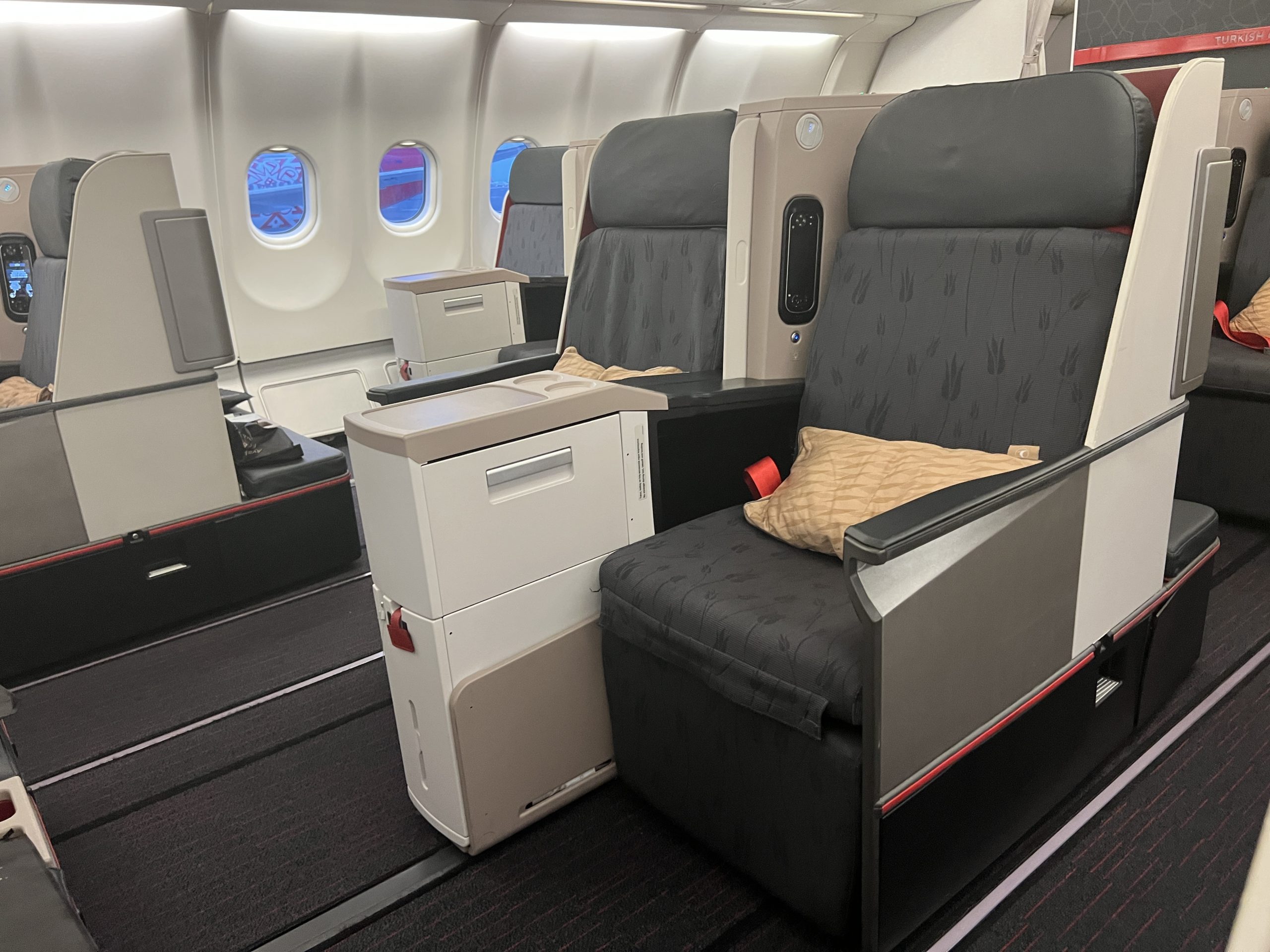
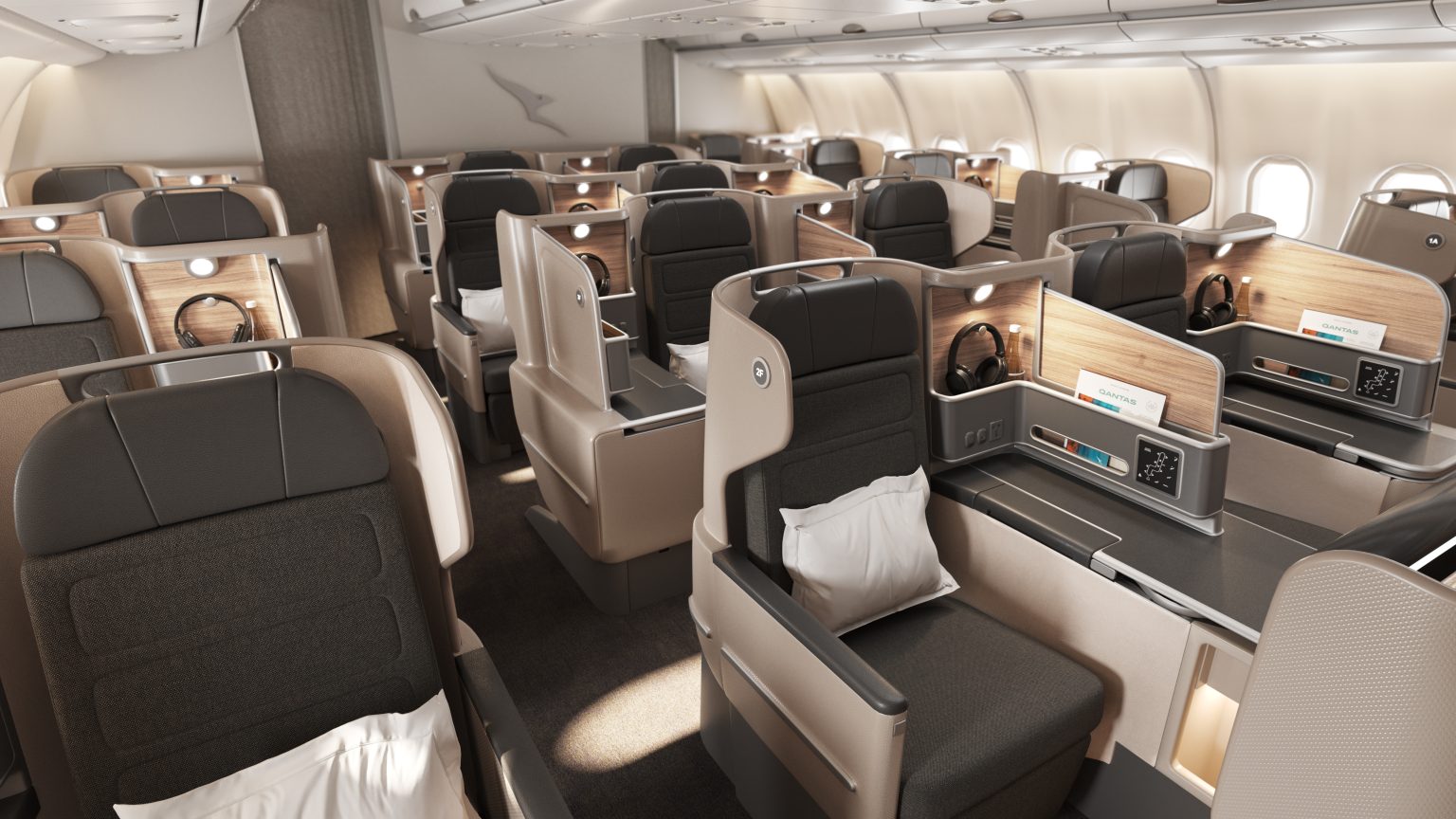
- Business Class: The international and domestic A330 fleets feature the bespoke "Business Suite" designed by Marc Newson in a staggered 1-2-1 configuration. This layout provides direct aisle access for every business class passenger, full flat beds, and extensive personal storage. The A330-200 typically features 27 or 28 business class suites, while the A330-300 features 28 business class suites.
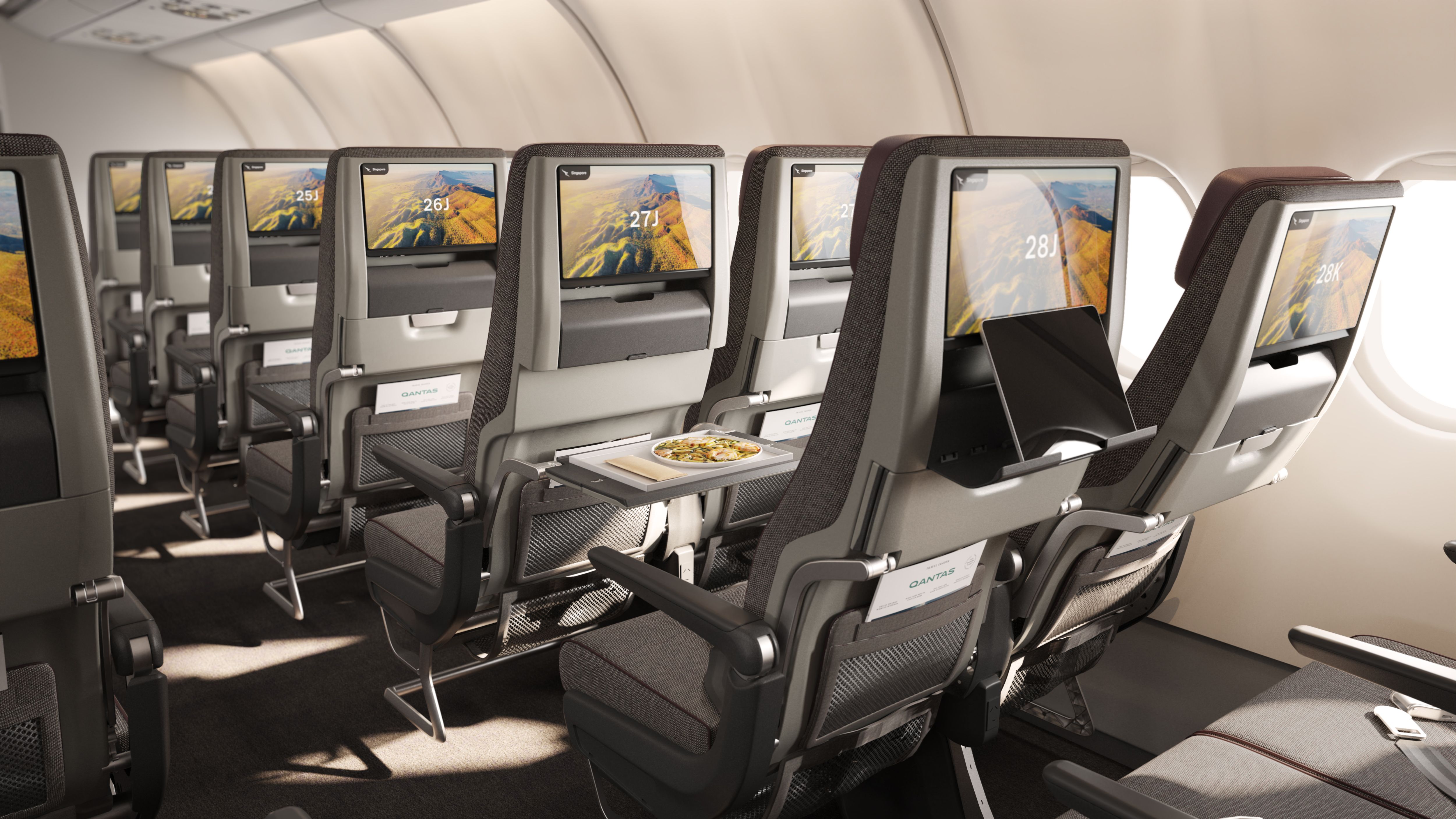
- Economy Class: Economy cabins are arranged in a 2-4-2 configuration, which is widely praised by travelers for minimizing middle-seat exposure compared to the 3-3-3 or 3-4-3 setups found on other widebody equipment. Economy seats include adjustable headrests, personal touch-screen entertainment monitors, and integrated power options.
Analyzing Regional and Charter Variations
When aviation enthusiasts or industry analysts discuss lower-density or specialized configurations like a 100-seat widebody, they are usually referencing specialized charter aircraft, VIP government transport variants, or historical military troop transport configurations used by other global airlines or air forces. Qantas itself does not deploy a 100-seat A330 for commercial operations, nor does it maintain a corporate VIP-configured A330 in that specific density range.
Qantas occasionally operates ad-hoc charter flights for sports teams, corporate groups, or government delegations using standard commercial aircraft. On these flights, passenger numbers may be reduced for comfort or weight restrictions, but the physical seat hardware remains bolted to the floor in its standard multi-class layout. Empty middle seats or blocked rows are common on specialized charters, but the total installed seat capacity does not change unless heavy structural cabin modifications are undertaken during a major D-check or dedicated conversion program.
Comparative Fleet Metrics
To understand the scale of Qantas widebody operations, examining the actual configuration metrics of the active A330 fleet provides clear context. The following table outlines the technical and passenger capacity specifications for the Qantas Airbus A330 variants.
| Aircraft Variant | Total Seat Capacity | Business Class (1-2-1) | Economy Class (2-4-2) | Primary Operational Routes |
|---|---|---|---|---|
| Airbus A330-200 (International) | 271 | 28 suites | 243 seats | Asia, Honolulu, Pacific Islands |
| Airbus A330-200 (Domestic) | 271 | 28 suites | 243 seats | Australian Domestic Trunk Routes |
| Airbus A330-300 | 297 | 28 suites | 269 seats | High-Demand Domestic & Asian Routes |
Fleet Renewal and Future Widebody Strategy
As Qantas looks toward the future of its widebody operations, fleet renewal programs are reshaping expectations for long-haul and medium-haul travel. The ongoing retirement and eventual replacement cycle for the older A330-200 airframes involves transitions toward modern, highly efficient equipment like the Boeing 787-9, Boeing 787-10, and Airbus A350 aircraft as part of the broader Project Sunrise and domestic widebody renewal initiatives.
None of these upcoming replacement aircraft feature ultra-low-density 100-seat layouts for standard commercial service. Modern airline economics require balancing passenger amenity with fuel efficiency and carbon reduction targets. Operating a widebody aircraft with only 100 passengers would generate excessive fuel burn per head, conflicting with modern corporate sustainability goals and financial optimization strategies.
Operational Economics of Widebody Density
The misconception surrounding a 100-seat widebody often stems from confusion with private business jet configurations or specialized narrowbody VIP airliners, such as Boeing Business Jets (BBJ) or Airbus Corporate Jets (ACJ), which frequently seat 19 to 50 passengers on smaller airframes like the A319 or A320. Applying a low-density VIP layout to a massive twin-aisle aircraft like the A330 is economically impractical for commercial airlines like Qantas, whose business model relies on moving high volumes of passengers efficiently across domestic and regional international networks.
- Fuel Burn per Passenger: Spreading the massive fuel consumption of a twin-engine widebody across only 100 travelers increases the environmental and financial cost per seat beyond viable market pricing.
- Slot Utilization: Major airports utilize strict slot controls. Airlines maximize the revenue potential of each arrival and departure slot by deploying high-capacity aircraft rather than flying large airframes with low passenger loads.
- Crew-to-Passenger Ratios: Regulatory safety mandates dictate minimum cabin crew numbers based on emergency exit capacities and total passenger counts, making very low-density configurations inefficient from a labor cost perspective.
Frequently Asked Questions
Does Qantas operate any 100-seat aircraft?
No. Qantas does not operate any aircraft configured with exactly 100 seats. Its mainline domestic and regional fleet consists of Boeing 737-800 aircraft seating 174 passengers, Airbus A321LR aircraft joining the fleet, and widebody A330s seating between 271 and 297 passengers. Regional subsidiaries like QantasLink operate smaller turboprops such as the Bombardier Dash 8 Q400, which seats 74 passengers, and regional jets like the Boeing 717 (historically) or Airbus A220.
What is the smallest widebody aircraft Qantas flies?
The Airbus A330-200 is the smallest widebody aircraft currently in active service with Qantas, offering a total capacity of 271 seats across two cabins.
Why do people associate the A330 with lower seat counts?
Travelers sometimes confuse commercial widebody airliners with private VIP conversions, government transport aircraft operated by defense forces, or historical all-business-class configurations used by niche boutique carriers on transatlantic or intercontinental routes.
How many business class seats are on a Qantas A330?
All Qantas Airbus A330-200 and A330-300 aircraft feature 28 individual Business Suites arranged in a staggered 1-2-1 layout, ensuring direct aisle access for every business class traveler.
Are Qantas A330s being retired?
Qantas is gradually modernizing its widebody fleet. While the A330s continue to serve core domestic and Asian routes reliably, the airline evaluates long-term fleet strategies incorporating newer-generation widebodies to replace older airframes over time.
Practical Next Steps for Travelers
When booking travel with Qantas on domestic trunk routes or regional international services, passengers looking to experience the Airbus A330 should review their flight itinerary details during the reservation process. Selecting flights operated by the A330-200 or A330-300 guarantees access to the 1-2-1 business class suite or the spacious 2-4-2 economy setup. Verify the specific aircraft type on your booking confirmation or via the Qantas official website to ensure your preferred widebody experience.