When clinicians document "garbled speech," it rarely serves as a precise diagnostic code under the International Classification of Diseases, 10th Revision (ICD-10). Instead, medical coders must translate this symptomatic observation into specific, billable terms like dysarthria or aphasia, depending on whether the speech impairment stems from mechanical muscular weakness or neurological language processing deficits.
The Challenge of Symptomatic Documentation
In a clinical setting, "garbled speech" is a colloquial term that describes a subjective auditory experience. Because ICD-10-CM (Clinical Modification) is a diagnostic coding system, it requires a definitive medical diagnosis rather than a descriptive symptom. When a physician writes "garbled speech" in a chart, the professional coder must query the provider or review the clinical evidence to identify the underlying etiology.
For the purpose of accurate billing and medical necessity documentation, garbled speech is generally classified as a manifestation of a deeper pathological process. The classification process requires distinguishing between speech—the physical act of producing sound—and language—the cognitive ability to select and organize words.
Distinguishing Clinical Classifications
To properly classify garbled speech, practitioners and coders typically look toward two primary categories within the ICD-10-CM framework: disorders of speech and disorders of language.
1. Dysarthria (R47.1)
If the patient’s speech is "garbled" because the muscles used for speech (lips, tongue, vocal cords, diaphragm) are weak or have poor motor control, the condition is clinically identified as dysarthria. In the ICD-10 hierarchy, R47.1 represents dysarthria. This is the most common translation for "garbled speech" when the patient is slurring or producing distorted phonemes, often secondary to a stroke, traumatic brain injury, or degenerative neuromuscular disease.
2. Dysphasia and Aphasia (R47.0)
If the "garbled" nature of the speech arises because the patient is substituting incorrect words, using nonsensical strings of sounds (jargon aphasia), or struggling with grammar, the classification shifts to R47.0. In these cases, the mechanics of the mouth may be working perfectly, but the neurological pathways responsible for speech generation are impaired.
ICD-10-CM Coding Table for Speech-Related Impairments
The following table outlines how to translate clinical observations into the appropriate ICD-10-CM codes for documentation and billing purposes.
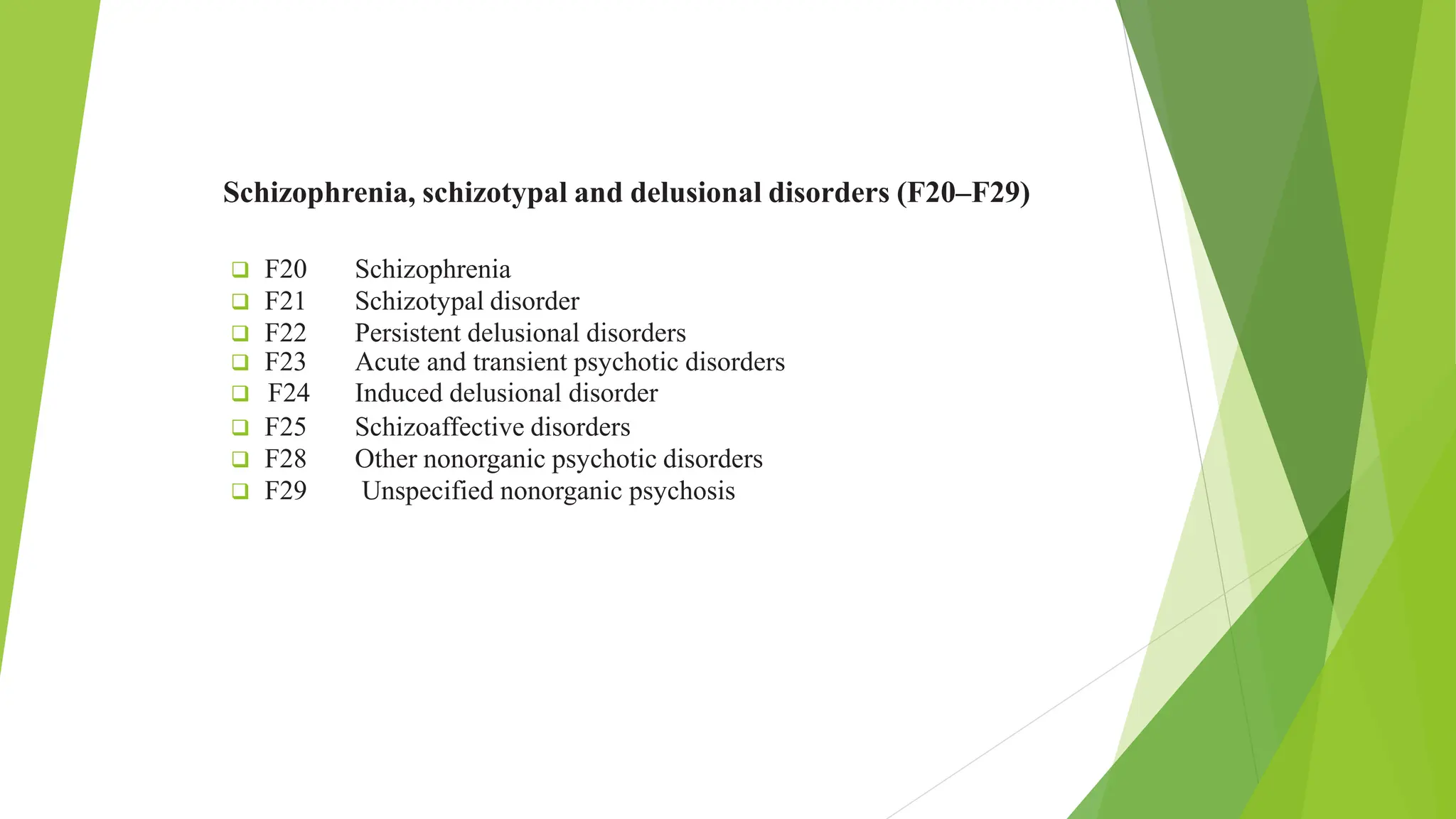
| Clinical Observation | Primary Symptom | ICD-10-CM Code |
|---|---|---|
| Slurred, thick, or mumbled speech | Dysarthria | R47.1 |
| Incoherent word salad; fluent but nonsensical | Wernicke's Aphasia | R47.01 |
| Effortful, telegraphic, or sparse speech | Broca's Aphasia | R47.02 |
| General lack of speech production | Mutism | R47.03 |
| Unspecified speech disturbance | Speech disturbance, NEC | R47.89 |
Note: NEC stands for "Not Elsewhere Classified," which should be used only when more specific diagnostic criteria cannot be met.
The Role of Speech-Language Pathologists (SLPs)
Often, a physician's note of "garbled speech" triggers a referral to an SLP. During a formal evaluation, the SLP performs standardized assessments to differentiate between apraxia of speech (a motor planning disorder) and dysarthria (a motor execution disorder). These evaluation findings are crucial for the medical coder. An SLP’s documentation often provides the specific medical terminology necessary to upgrade a generic "garbled speech" claim to a high-specificity diagnosis, which is essential for insurance reimbursement and long-term patient monitoring.
Diagnostic Coding Guidelines and Medical Necessity
For coding to be considered valid in 2026, it must adhere to the Official Guidelines for Coding and Reporting. When a patient presents with garbled speech, it is often a sign of an acute neurological event, such as a transient ischemic attack (TIA) or a stroke.
If the underlying cause is identified (e.g., I63.9, cerebral infarction, unspecified), the physician should code the underlying condition as the primary diagnosis. The speech impairment (e.g., R47.1) then becomes a secondary diagnosis. Coding "garbled speech" as the primary reason for a visit without identifying the root cause may lead to a denial of medical necessity, as insurers require evidence that the underlying pathology is being treated or evaluated.
Common Pitfalls in Documentation
Many healthcare providers rely on shorthand or imprecise language. Relying on the term "garbled speech" leads to three major administrative issues:
- Revenue Loss: Payers may flag "garbled" as a non-diagnostic, vague symptom, resulting in claim denials.
- Clinical Miscommunication: Different specialists interpret "garbled" differently. A neurologist might assume aphasia, while an otolaryngologist might assume a structural airway obstruction.
- Legal/Regulatory Risk: Documentation that lacks specific terminology can be viewed as "substandard" during clinical audits, potentially impacting quality-of-care scores.
To avoid these issues, clinicians should document the patient's specific deficits. Instead of "patient had garbled speech," improved documentation would read: "Patient exhibits slurred, imprecise articulation consistent with dysarthria, likely secondary to noted post-stroke paresis."
Troubleshooting Coding Denials
If a claim is rejected due to the use of an unspecified symptom code, the billing department must conduct a retrospective review.
- Audit the Progress Note: Check if the physical exam included a cranial nerve assessment or a bedside swallow evaluation.
- Query the Provider: Send a clinical documentation improvement (CDI) query to the physician, asking them to define the speech impairment in the context of the physical exam findings.
- Verify Comorbidities: Ensure that if the garbled speech is a residual effect of a past condition (a late effect), the documentation reflects this with the appropriate seventh-character extension for late effects.
Future Perspectives in Clinical Documentation
As of 2026, the shift toward Artificial Intelligence (AI) in clinical documentation is changing how these terms are processed. Natural Language Processing (NLP) tools are now being used to scan physician notes and suggest the most appropriate ICD-10-CM codes. These tools are trained to recognize that "garbled speech" is a high-probability indicator for R47.1 or R47.0 and will often prompt the clinician to provide the specificity needed for accurate coding. Despite these advancements, the human element—the physician’s ability to conduct a physical examination—remains the gold standard for diagnostic accuracy.
Frequently Asked Questions
Does "garbled speech" have its own ICD-10 code? No. There is no specific ICD-10 code for "garbled speech." It is a descriptive term that must be mapped to a formal diagnosis such as dysarthria (R47.1) or aphasia (R47.0) based on the patient's clinical presentation.
How do I differentiate between dysarthria and aphasia? Dysarthria is a motor disorder where the muscles are weak, making speech sound slurred or thick. Aphasia is a language disorder where the brain struggles to formulate or understand words, often resulting in fluent but nonsensical speech or word-finding difficulties.
What is the "code" for stroke-related speech issues? The stroke itself is coded under the I60–I63 series. The resulting speech impairment is coded as an additional diagnosis (e.g., R47.1) to demonstrate the functional impact of the stroke on the patient’s ability to communicate.
Can an SLP assign the final ICD-10 code? An SLP can provide the diagnosis based on their clinical evaluation, which the physician then reviews and incorporates into the medical record to support the final billing code.
What should I do if the physician refuses to use a specific code? If a physician provides a diagnosis that does not match the clinical documentation, the medical coder should follow organizational policies for physician queries. Proper documentation is a collaborative effort between the provider and the coding team.
Recommended Next Steps
To resolve issues related to the classification of garbled speech:
- Standardize your internal vocabulary: Develop a template for neurological speech assessments that includes options for slurring, word-finding, and motor control.
- Conduct provider training: Educate clinical staff on the difference between symptom documentation (what the patient says) and diagnostic documentation (what the physical exam proves).
- Review the CDI process: Ensure that any encounter involving speech impairment is reviewed for clinical specificity before the final claim is submitted to the payer.
By transitioning from vague descriptive terms to specific diagnostic language, healthcare providers can ensure accurate clinical reporting, improved patient care coordination, and streamlined billing processes.