The single most critical paradigm shift in understanding insulin levels in type 2 diabetes is the move from viewing insulin resistance solely as a consequence of hyperglycemia to recognizing hyperinsulinemia as a primary, driving pathological mechanism that precedes and accelerates the progression of the disease. This shift refocuses clinical attention from merely lowering blood glucose to addressing the underlying metabolic dysfunction caused by chronically elevated insulin levels.
The Traditional View vs. The Modern Understanding
For decades, the standard medical model for type 2 diabetes (T2D) was heavily glucocentric. In this framework, the primary clinical focus was the measurement of HbA1c and fasting blood glucose levels. When a patient exhibited elevated glucose, the conclusion was that their pancreas was failing to produce enough insulin, or the cells were not responding properly to it. Consequently, the standard intervention was to supplement the patient with exogenous insulin or drugs that force the pancreas to secrete more.
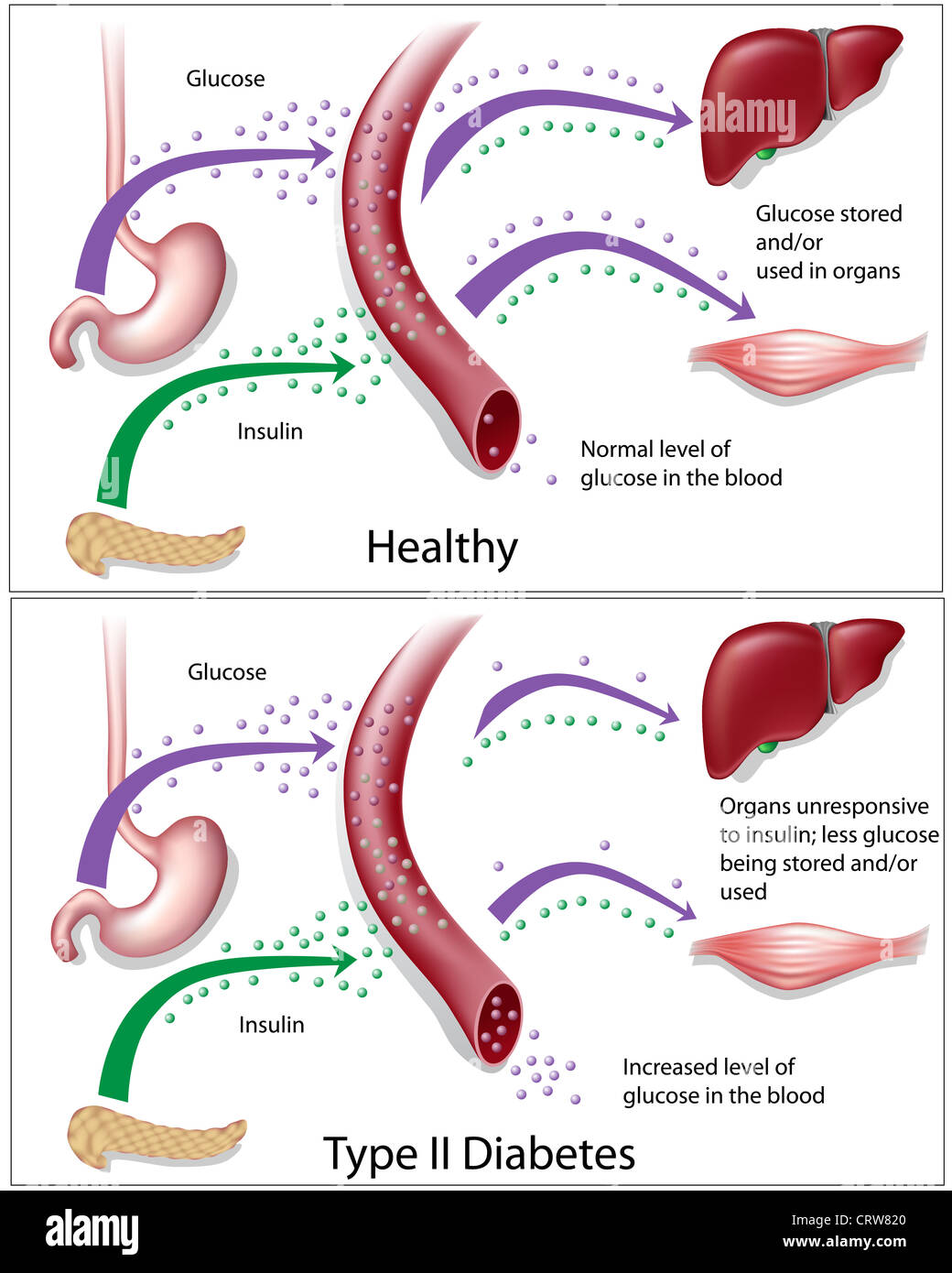
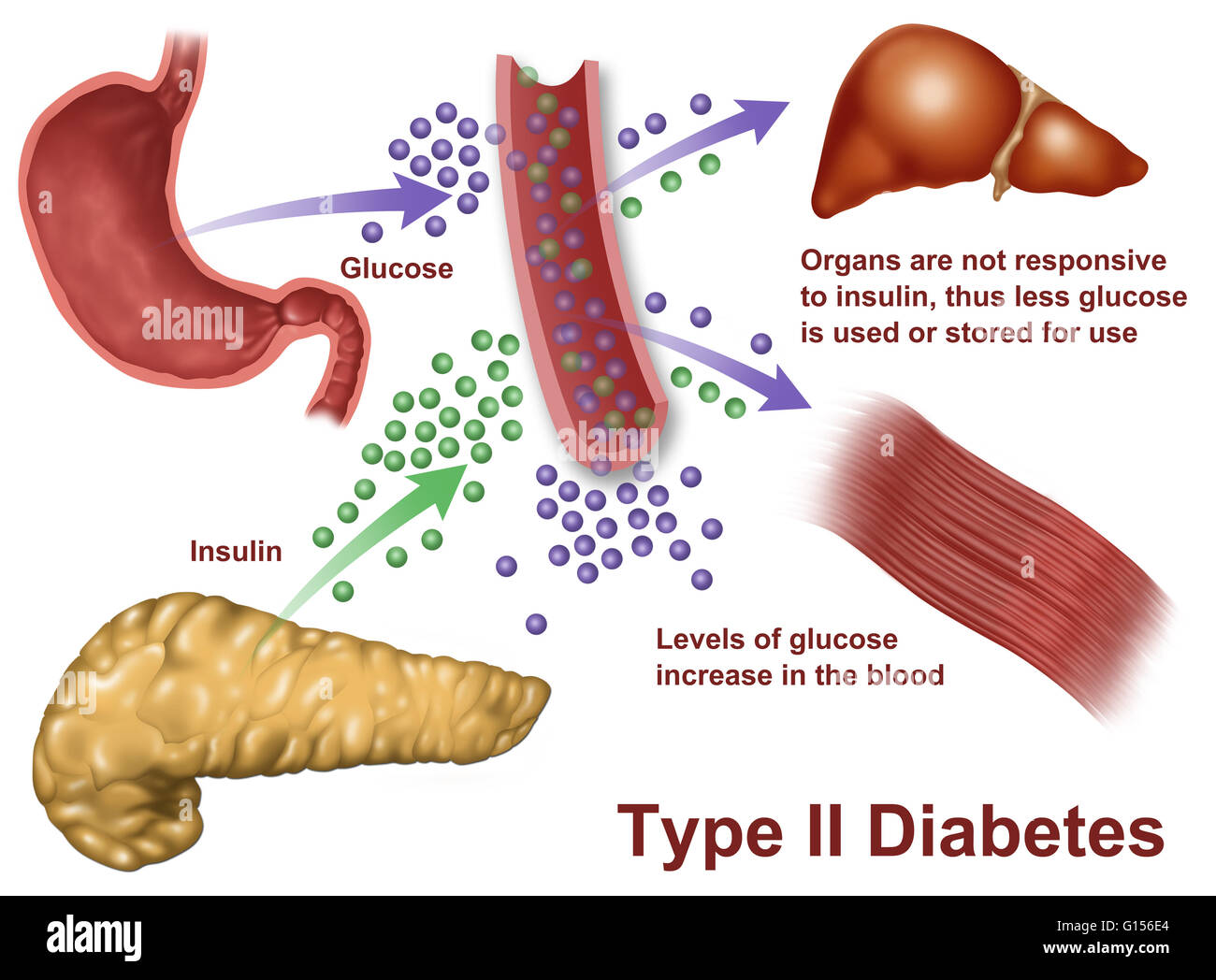
The modern understanding, bolstered by metabolic research published through 2026, posits that this "glucose-first" approach often treats the symptom rather than the root cause. While hyperglycemia is the defining feature that leads to a diagnosis, it is frequently the end-stage result of years of hyperinsulinemia. In this view, the body’s cells, in an attempt to protect themselves from an energy surplus, begin to resist the action of insulin. The pancreas compensates by pumping out even more insulin to maintain glucose homeostasis. This "vicious cycle" eventually leads to beta-cell exhaustion. By shifting our understanding to prioritize insulin levels, clinicians can better identify metabolic distress years before an HbA1c test reveals diabetes.
Understanding Hyperinsulinemia as a Driver of Disease
Hyperinsulinemia—the state in which there is an excess amount of insulin circulating in the blood—is now recognized as a key indicator of metabolic syndrome. When insulin levels are chronically high, the body is locked into a state of "fat storage" rather than "fat burning." Insulin is fundamentally an anabolic (building) hormone; it signals the body to store energy in the form of glycogen in the liver and muscles, and eventually, as triglycerides in adipose tissue.
In the context of T2D, this constant state of high insulin contributes to several systemic problems:
- Lipotoxicity: As fat cells reach their storage capacity, they begin to dump free fatty acids into the bloodstream, which can lead to ectopic fat deposition in the liver and pancreas, further worsening insulin resistance.
- Inflammation: Sustained high insulin levels are associated with systemic low-grade inflammation, which is a known catalyst for cardiovascular complications in diabetic patients.
- Compensatory Burnout: The beta cells in the pancreas, tasked with maintaining these high levels of insulin to overcome cellular resistance, eventually experience stress and structural changes. This is the point where the patient moves from pre-diabetes to overt type 2 diabetes.
Why Measuring Insulin Levels Matters More Than Ever
While standard care focuses on glucose, there is a growing movement toward the clinical utility of fasting insulin tests and the Homeostatic Model Assessment for Insulin Resistance (HOMA-IR). HOMA-IR is calculated using both fasting glucose and fasting insulin.
| Measurement Tool | Primary Focus | Limitation in Early Diagnosis |
|---|---|---|
| HbA1c | Average blood glucose (3 months) | Lags behind actual metabolic shifts |
| Fasting Glucose | Current blood sugar status | Often normal until insulin resistance is advanced |
| Fasting Insulin | Hormone-based metabolic state | Can be elevated while glucose remains "normal" |
| HOMA-IR | Insulin resistance index | Requires fasting; influenced by daily lifestyle |
By incorporating insulin measurements, healthcare providers can identify the stage at which a patient is compensating (still maintaining normal glucose due to high insulin) versus failing (glucose beginning to climb). This window of opportunity is critical for lifestyle-based interventions.
Practical Implications for Patient Management
The shift in understanding has profound implications for how patients with type 2 diabetes manage their condition in 2026. If the core problem is a "clogged" metabolic system driven by hyperinsulinemia, the solution involves lowering the insulin "floor."
1. Dietary Carbohydrate Management
Reducing the intake of refined carbohydrates and sugars is the most direct way to lower the insulin response. By minimizing glucose spikes, the pancreas is not required to secrete high volumes of insulin, allowing for a reduction in systemic insulin levels and potentially improving cell sensitivity over time.
2. Time-Restricted Eating
Feeding windows can significantly impact insulin levels. By adopting time-restricted eating, or intermittent fasting, patients provide their bodies with longer periods of low insulin levels. This allows the metabolic system to shift away from storage mode and toward mobilizing stored energy (lipolysis).
3. Muscle Health and Glucose Disposal
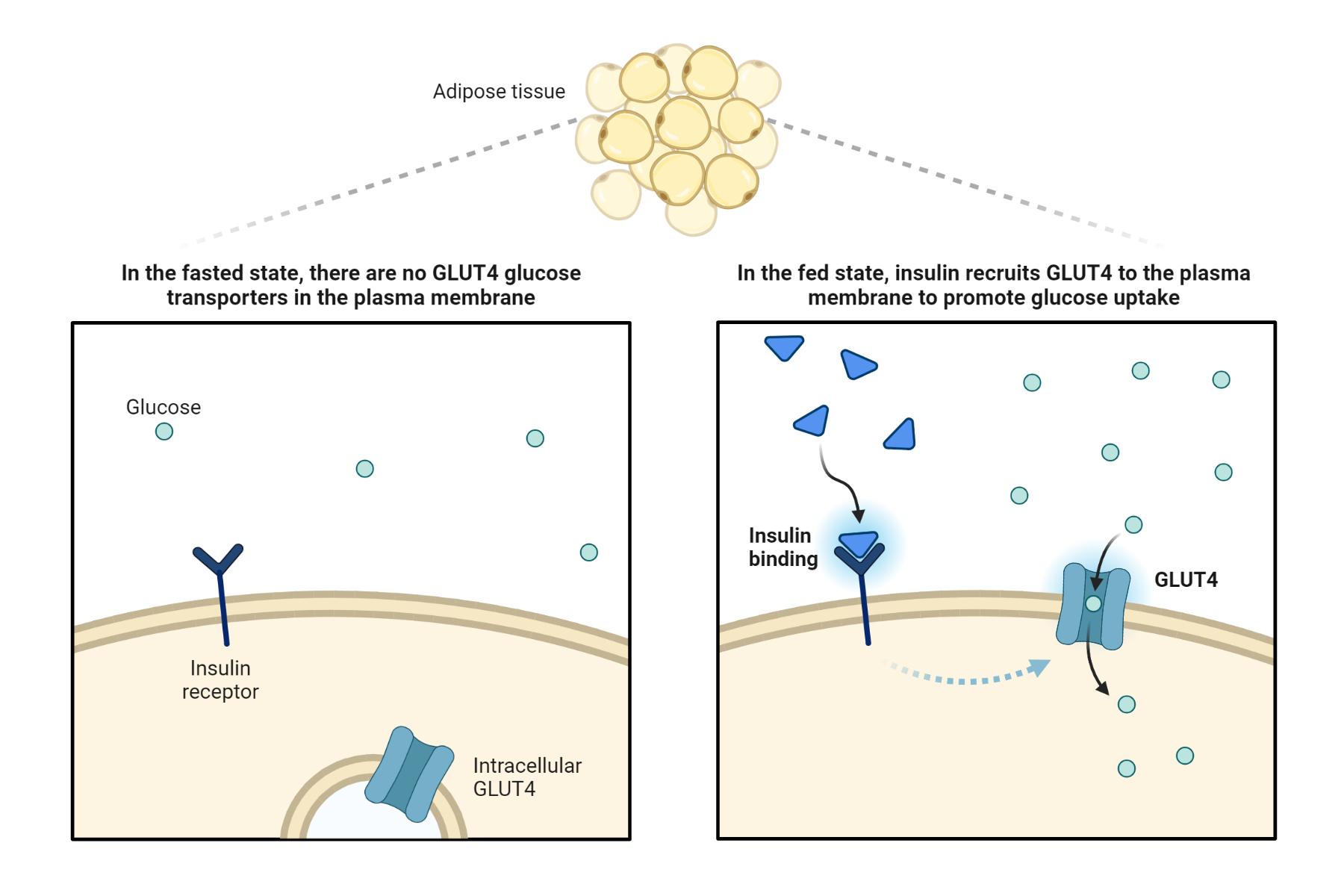
Skeletal muscle is the primary sink for glucose disposal in the human body. Resistance training increases the density of GLUT4 transporters in muscle tissue. These transporters allow glucose to enter muscle cells more efficiently, even in the presence of lower insulin levels, effectively reducing the burden on the pancreas.
Common Misconceptions About Insulin
Despite these advancements, several myths persist in the management of type 2 diabetes. Addressing these is essential for a contemporary understanding of the disease.
- "Insulin is just for lowering sugar": While true in a temporary pharmacological sense, using insulin or insulin-secretagogues without addressing the underlying resistance can actually exacerbate weight gain and hyperinsulinemia, leading to a higher dose requirement over time.
- "Type 2 diabetes is purely genetic": While genetics play a role in how a person manages energy, the rise in T2D prevalence suggests that environmental and dietary factors driving hyperinsulinemia are the primary contributors in the vast majority of cases.
- "Weight loss will automatically fix the insulin issue": Weight loss is highly effective, but the method of weight loss matters. Rapid weight loss achieved through extreme caloric restriction can sometimes lead to muscle wasting, whereas metabolic health is best improved through a combination of nutritional quality and muscle preservation.
Navigating the Healthcare Landscape
Patients often find that their primary care physicians may not routinely order fasting insulin tests, as they are not currently mandated for standard diagnostic screening for diabetes. If you are interested in better understanding your metabolic health beyond the standard HbA1c, consider the following steps:
- Request a Comprehensive Metabolic Panel: Ask your doctor if a HOMA-IR test is appropriate for your situation.
- Focus on Trends: A single insulin test can be misleading. Tracking trends alongside your glucose levels and waist circumference provides a more accurate picture of your metabolic health than any single number.
- Consult a Specialist: If your glucose is in the pre-diabetic range, consult with an endocrinologist or a certified diabetes care and education specialist (CDCES) who stays updated on modern metabolic research.
Professional Guidance Limitation
The information provided herein is for educational purposes only and does not constitute medical advice, diagnosis, or treatment. Diabetes is a complex, progressive condition. Always consult with your primary healthcare provider before making significant changes to your diet, exercise routine, or medication regimen. Individual needs vary greatly, and professional clinical supervision is required to ensure safety and efficacy.
Frequently Asked Questions (FAQ)
1. Does insulin cause weight gain in type 2 diabetes? Yes, exogenous insulin therapy is often associated with weight gain. Because insulin is an anabolic, fat-storing hormone, increasing circulating insulin levels can make it easier to store energy as fat. This is why non-insulin interventions are often prioritized in the early stages of treatment.
2. Can you be "cured" of insulin resistance? While "remission" is the more commonly accepted term in clinical literature, many patients significantly improve their insulin sensitivity through sustained lifestyle changes. Remission is defined by maintaining healthy glucose levels without the need for diabetes medication.
3. Why don't doctors test for insulin more often? The current diagnostic criteria for T2D are based on glucose levels. While insulin testing provides valuable clinical insight, it is not currently used for the standard diagnosis of diabetes because of the high variability in fasting insulin levels among the healthy population, which complicates the establishment of universal "normal" ranges.
4. How does sleep affect insulin levels? Poor sleep or chronic sleep deprivation is strongly linked to increased insulin resistance. Lack of sleep triggers a stress response that increases cortisol, which in turn raises blood glucose and demands more insulin secretion. Improving sleep hygiene is as essential as nutrition for metabolic health.
5. Are all carbohydrates bad for insulin? No. Complex carbohydrates high in fiber are digested more slowly, leading to a more gradual release of glucose into the bloodstream. This results in a lower, more controlled insulin spike compared to refined carbohydrates and sugars.
Next Steps for Metabolic Health
To move forward in your understanding of your specific metabolic profile, begin by tracking your daily carbohydrate intake and physical activity levels for two weeks. If your goals include better managing your insulin levels, discuss the feasibility of a HOMA-IR test with your doctor during your next physical. By shifting the focus from simply "managing blood sugar" to "optimizing metabolic sensitivity," you take an active role in preventing the progression of type 2 diabetes.