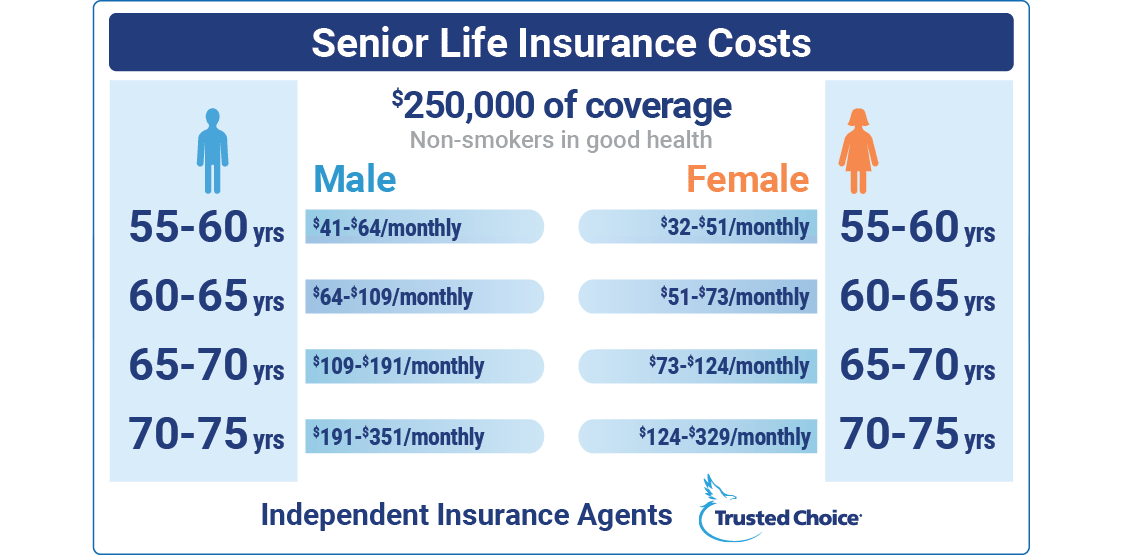
Securing life insurance for seniors over the age of 85 in New Jersey is possible, though it primarily takes the form of final expense or simplified issue whole life policies. These products are designed to cover end-of-life costs such as funeral expenses, medical bills, and small debts, rather than acting as traditional income replacement. Availability depends on your health profile, the insurer’s specific age limits, and New Jersey state insurance regulations.
Understanding the Landscape for Seniors Over 85
For individuals who have reached the age of 85, the insurance market shifts significantly. Traditional term life insurance—which provides coverage for a specific period—is virtually non-existent for this demographic. Instead, the industry focuses on "final expense insurance," a subset of whole life insurance.
In New Jersey, the Department of Banking and Insurance (DOBI) oversees these products. It is important to recognize that at age 85 and older, you are entering a niche market where insurers operate with stricter underwriting guidelines. Because the probability of a claim is statistically higher, premiums are higher relative to the death benefit provided. The primary goal for seniors at this stage is usually to leave behind a tax-free benefit that relieves their family of the immediate financial burden of funeral and burial costs.
Evaluating Policy Types: What Is Available?
When shopping for coverage at age 85, you will encounter three primary types of policies. Understanding the difference between these is the most critical step in protecting your financial interests.
1. Simplified Issue Whole Life Insurance
This is the most common choice for seniors. These policies require no medical exam. Instead, you answer a few health questions on the application. The underwriting department evaluates your answers to determine your eligibility. If you are approved, coverage typically begins immediately.
2. Guaranteed Issue Life Insurance
If you have significant health issues that prevent you from qualifying for simplified issue policies, guaranteed issue insurance is the final alternative. It is exactly what the name implies: you cannot be denied for health reasons. However, these policies almost always include a "graded benefit" period. If you pass away from natural causes within the first two or three years of the policy, the insurer may only refund the premiums paid plus a small percentage of interest, rather than the full face value of the policy.
3. Pre-Need Funeral Insurance
This is technically a contract with a funeral home, often funded by an insurance policy. It allows you to select specific services and merchandise in advance. While it serves the same "final expense" purpose, it is less flexible than a standard life insurance policy because the proceeds are generally earmarked specifically for the funeral home rather than going to a named beneficiary.
The Financial Reality: Premiums and Coverage Amounts
At age 85, the primary focus is managing costs versus the death benefit. Because life expectancy is shorter, insurers must collect a significant premium in a shorter window to make the policy viable.
| Policy Feature | Typical Range/Characteristic |
|---|---|
| Typical Death Benefit | $5,000 to $25,000 |
| Medical Exam | Not required (Health questions may apply) |
| Premium Structure | Level (stays the same until death) |
| Cash Value | Accumulates over time (usually slow) |
| Policy Type | Permanent (Whole Life) |
Note: The table above reflects standard market offerings as of 2026. Specific limits may vary by carrier.
New Jersey Regulatory Considerations
The state of New Jersey provides specific consumer protections for policyholders. The New Jersey Department of Banking and Insurance enforces regulations that ensure transparency in policy documents. When you purchase a policy, you are entitled to a "free look" period—typically 10 to 30 days—during which you can review the policy document and cancel it for a full refund if you find it does not meet your needs.
Furthermore, life insurance proceeds are generally not subject to federal income tax, and in New Jersey, they are often exempt from state inheritance taxes if structured correctly. However, you should consult with a tax professional or a New Jersey-based financial planner to understand how your estate may be affected by the specific size of your policy.
Steps to Secure Coverage
If you have decided that a policy is right for your financial plan, follow these steps to ensure you navigate the process safely:
- Assess Your Needs: Determine exactly how much coverage you require. If the goal is solely to cover a funeral, look at current average costs in your area of New Jersey. Do not over-insure; premiums for those over 85 can be expensive.
- Shop Multiple Carriers: Do not settle for the first quote. Different companies use different mortality tables and underwriting criteria. One company might view a specific health condition as a disqualifier, while another might offer a standard rate.
- Verify the Agent and Company: Ensure the insurance company is licensed to operate in New Jersey. You can verify this through the New Jersey DOBI website. Be wary of anyone claiming you must pay in cash or requesting sensitive information via unsolicited emails.
- Prepare Documentation: Even without a medical exam, you will likely need to provide basic information, including your Social Security number, medical history, and beneficiary designations.
- Read the Fine Print: Pay special attention to the "graded benefit" clause mentioned earlier. You must know whether your policy pays the full benefit on Day 1 or if it restricts the benefit during the initial years.
Common Pitfalls to Avoid
The most frequent mistake seniors make is failing to update their beneficiary information. If your beneficiary has passed away or is no longer the person you wish to receive the funds, your policy proceeds could end up in probate, which delays the payout and increases costs.
Another pitfall is "lapping" or missing a premium payment. Because these policies are often whole life, a missed payment can lead to the policy lapsing after a grace period. Given your age, getting a new policy if one lapses is not only more expensive due to your increased age, it may be impossible due to declining health. Always consider setting up automatic bank drafts to ensure payments are never missed.
Frequently Asked Questions
1. Is there an upper age limit for applying?
Yes, most carriers have an upper age limit, often around 85 or 90. A few specialized carriers may write policies for those slightly older, but your options will be very limited once you pass 85.
2. Does my health status automatically disqualify me?
No. Guaranteed issue policies are specifically designed for those with health issues. You will pay more, and there may be a waiting period, but you will not be turned down based on your medical records.
3. Can I get a policy for my spouse?
Yes, but you must have insurable interest in your spouse. You will generally need their consent and participation to initiate the application process.
4. How long does the approval process take?
Simplified issue policies can often be approved in a matter of days. Guaranteed issue policies are sometimes issued almost instantly because they do not require underwriting.
5. Should I work with a local agent or an online provider?
Both have merits. A local New Jersey agent can provide personalized service and navigate local funeral cost realities, while online providers may offer faster comparison tools. Choose whichever method allows you to verify the credentials of the entity you are dealing with.
Professional Advice Limitation
This guide provides general information based on standards in 2026 and should not be construed as legal, tax, or medical advice. Insurance products are complex financial instruments. You are encouraged to consult with a licensed insurance broker or a certified financial planner who is familiar with New Jersey state laws to evaluate your specific situation, as individual health circumstances and financial goals will dictate the best course of action.
Recommended Next Action
Your first step should be to request a "life insurance needs worksheet" from a reputable financial advisor or insurance agent. Once you have a firm number on the total amount of money you want to set aside for final expenses, contact three different highly-rated insurance carriers to obtain quotes. Compare the "graded benefit" periods specifically, as this is the most common area of confusion for seniors over 85. Ensure that the company you choose has a strong financial rating from agencies like AM Best or S&P, as you want to be certain they will be able to pay the claim when the time comes.