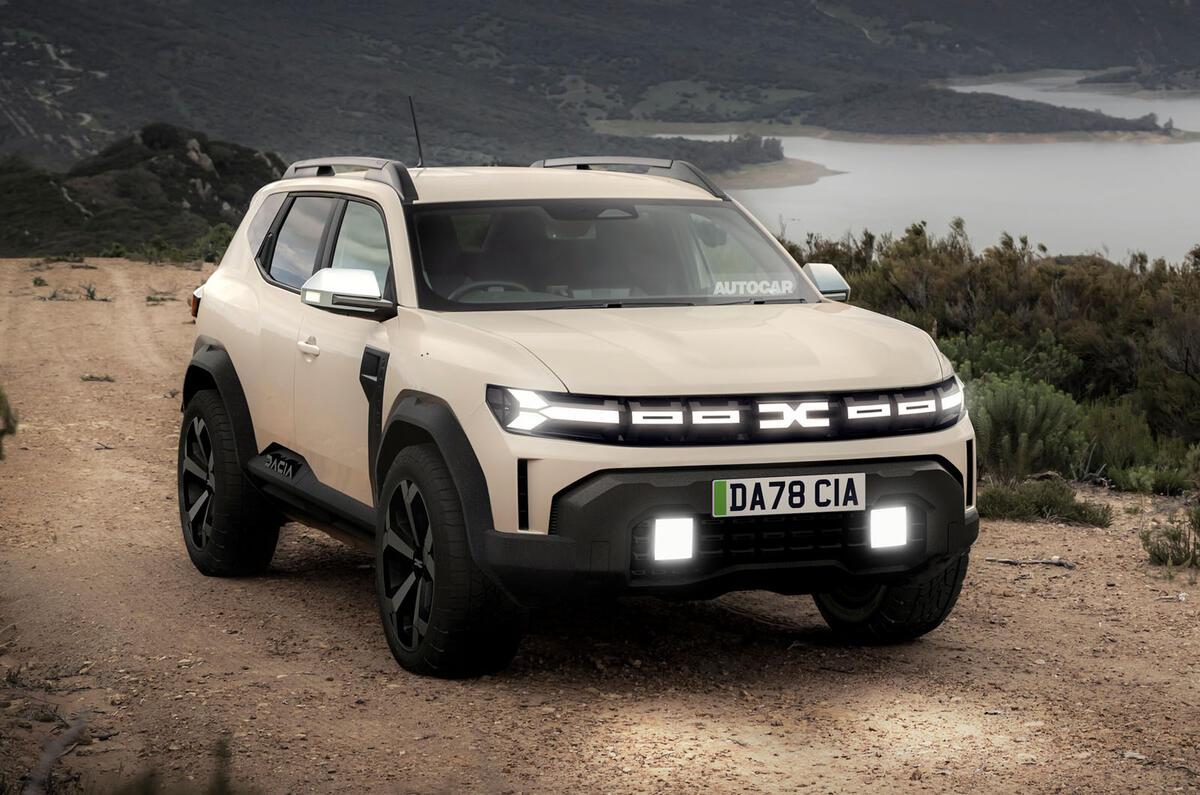
The Dacia Duster 4x4 strikes a rare balance in the modern automotive market, offering genuine off-road capability and everyday utility at an accessible price point. By combining robust mechanical four-wheel-drive systems with spacious interior packaging and frugal engine options, it proves that ruggedness does not require sacrificing daily usability or financial restraint.
Evolution and Market Positioning of the Duster 4x4
The Dacia Duster has carved out a distinct niche since its inception under the Renault-Nissan-Mitsubishi Alliance. Initially conceived as a rugged, no-frills tool for budget-conscious drivers who needed genuine rough-road capability, it has evolved through multiple generations without losing its core philosophy. Market positioning focuses heavily on value-driven utility, undercutting traditional compact and mid-size sport utility vehicles while maintaining mechanical systems capable of tackling unpaved tracks, snow-covered paths, and muddy trails.
In a segment increasingly dominated by front-wheel-drive crossovers that mimic off-road styling without the underlying hardware, the Duster 4x4 stands apart. It relies on a dedicated all-wheel-drive architecture equipped with selectable driving modes, short gear ratios on manual transmissions, and functional ground clearance. This makes it popular not only among private buyers living in rural or mountainous areas but also with commercial operators, forestry workers, and utility companies requiring dependable transport in challenging environments.
Mechanical Architecture and Off-Road Capability
At the heart of the Duster 4x4’s appeal is its mechanical hardware. Unlike simpler crossovers that route power exclusively to the front wheels until slippage occurs, the Duster utilizes an intelligent torque-on-demand system derived from proven Nissan alliance components. Drivers can manually select between "2WD," "Auto," and "Lock" modes depending on terrain conditions.
- Auto Mode: The vehicle automatically distributes torque between the front and rear axles based on available traction, optimizing fuel efficiency during normal highway driving while instantly reacting to loss of grip.
- Lock Mode: Power is split evenly between the front and rear wheels up to a specific speed threshold (typically around 60 km/h), maximizing traction in deep mud, sand, or heavy snow.
- Short First Gear: Manual variants often feature a crawler-like first gear ratio, allowing the vehicle to creep over obstacles at very low speeds without riding the clutch, effectively compensating for the absence of a traditional low-range transfer case.
Ground clearance is another critical factor. With a generous ride height—frequently measuring around 210 millimeters—and carefully engineered approach and departure angles, the vehicle negotiates ruts, rocks, and steep inclines without scraping its underbody. Protective skid plates underneath vulnerable mechanical components provide additional peace of mind for drivers venturing far from paved roads.
Powertrain Options: Balancing Efficiency and Output
Powering a rugged 4x4 vehicle requires engines that deliver sufficient torque at low revolutions without consuming excessive fuel. Over its production lifecycle, the Duster has featured a variety of powerplants, including efficient turbocharged petrol engines and high-torque diesel options.
Petrol and Hybrid Developments
Modern turbocharged petrol units, such as the 1.3-liter TCe engines, provide punchy acceleration and strong mid-range torque, making highway overtaking effortless despite the boxy aerodynamic profile of the vehicle. More recent iterations incorporate mild-hybrid and full-hybrid powertrains to comply with stringent emissions regulations while enhancing urban fuel economy. These hybrid configurations integrate electric motors to assist the internal combustion engine during initial acceleration, reducing fuel consumption in stop-and-go traffic without compromising the integrity of the all-wheel-drive system.
Diesel Reliability and Torque
For heavy-duty applications and long-distance towing, diesel engines have historically been a cornerstone of the Duster 4x4 lineup. Offering high torque output at low engine speeds, these diesel units excel in towing trailers, navigating steep off-road inclines, and maintaining excellent fuel efficiency on long highway journeys. However, buyers must consider local emissions regulations and maintenance requirements regarding particulate filters when selecting diesel variants for predominantly urban use.
Interior Packaging, Comfort, and Everyday Practicality
A vehicle that excels off-road is of limited use if it compromises daily livability. The Duster 4x4 bridges this gap by prioritizing functional interior packaging over flashy, fragile trim elements. Cabin materials are chosen for durability; hard plastics and robust upholstery withstand the wear and tear of muddy boots, wet gear, and frequent use by families or outdoor enthusiasts.
Cabin Ergonomics and Storage
Interior space is surprisingly generous given the vehicle's compact exterior footprint. Headroom and legroom are adequate for adult passengers in both the front and rear seats. Numerous storage compartments, door pockets, and a practical glovebox provide ample space for everyday items. The dashboard layout is straightforward, featuring physical buttons and rotary dials for climate control and driving modes, ensuring they can be operated easily even while wearing gloves or driving over bumpy terrain.
Cargo Capacity and Versatility
Boot space in the 4x4 variants is slightly reduced compared to front-wheel-drive models due to the integration of the rear differential and multi-link or reinforced rear suspension setup, yet it remains highly functional. Folding down the 60:40 split-rear seats expands the cargo area significantly, accommodating large luggage, camping equipment, bicycles, or work tools.
Comparative Analysis: Duster 4x4 vs. Traditional Compact SUVs
To understand where the Duster 4x4 sits within the automotive landscape, it helps to compare its core attributes against traditional compact crossovers and dedicated heavy-duty off-roaders.
| Feature / Attribute | Dacia Duster 4x4 | Traditional FWD Crossover | Dedicated Heavy Off-Roader |
|---|---|---|---|
| Drivetrain | Selectable 4x4 with Lock Mode | Front-Wheel Drive (FWD) | Full-Time 4x4 with Low Range |
| Ground Clearance | High (~210 mm) | Moderate (~160–180 mm) | Very High (Often 220+ mm) |
| Purchase Price | Budget-friendly / Accessible | Varies widely | Expensive |
| Interior Materials | Durable, wash-friendly plastics | Passenger-car oriented | Utilitarian or premium |
| Fuel Efficiency | High (frugal engines) | Very High | Low to Moderate |
| Highway Comfort | Competent, minor wind noise | High refinement | Lower due to solid axles |
This comparison highlights the Duster’s unique value proposition: it captures the mechanical capability missing in standard crossovers while avoiding the high purchase prices, heavy fuel consumption, and cumbersome driving dynamics associated with traditional, ladder-frame off-roaders.
Operating Costs, Maintenance, and Reliability
Total cost of ownership is a primary consideration for buyers drawn to the Duster 4x4. Because the vehicle shares mechanical architectures and parts bins with its parent automotive group, replacement components are widely available and reasonably priced. Independent garages can service the vehicle without requiring specialized proprietary software for basic maintenance tasks.
- Fuel Economy: Real-world fuel consumption remains modest, particularly for manual diesel and modern mild-hybrid petrol models, keeping running costs manageable during daily commutes.
- Insurance and Tax: Due to moderate engine displacements and sensible safety ratings, insurance brackets are generally favorable compared to larger, more powerful sport utility vehicles.
- Wear and Tear: Off-road use naturally accelerates wear on suspension components, tires, and brake pads. Owners frequently note that replacing suspension bushings or switching to all-terrain tires is straightforward and economical.
Common Challenges and Limitations
Despite its many strengths, the Duster 4x4 is not without limitations. Buyers must evaluate these factors carefully to ensure the vehicle aligns with their specific driving requirements.
- Highway Refinement: At high motorway speeds, wind noise around the A-pillars and mirrors becomes noticeable due to the upright stance and boxy geometry.
- Advanced Driver Assistance Systems: While modern iterations include essential safety features such as automatic emergency braking, lane-keep assist, and rear parking sensors, the autonomous driving suites are less sophisticated than those found in premium European competitors.
- Towing Capacities: While capable of pulling trailers, caravans, or utility loads within its certified limits, it cannot match the heavy towing capacities of larger body-on-frame trucks or large diesel SUVs.
- Interior Aesthetics: The heavy reliance on hard plastics and simple textures means the cabin lacks the soft-touch luxury or ambient lighting found in higher-priced crossover segments.
Frequently Asked Questions
Can the Dacia Duster 4x4 handle serious off-roading?
Yes, within reason. While it lacks a low-range transfer case and locking differentials found on hardcore off-roaders, its light weight, short first gear, lockable all-wheel-drive mode, and generous ground clearance allow it to tackle deep snow, mud, and steep rocky tracks that would immobilize standard front-wheel-drive crossovers.
Is the Duster 4x4 comfortable for long highway road trips?
It is reasonably comfortable, featuring compliant suspension that absorbs rough tarmac effectively. However, drivers should expect higher levels of wind and road noise at sustained highway speeds compared to more aerodynamic, premium compact SUVs.
How does the 4x4 system affect fuel consumption?
The all-wheel-drive system adds mechanical weight and drivetrain friction, resulting in a slight fuel penalty compared to front-wheel-drive variants. However, operating in "Auto" mode minimizes this impact by disengaging the rear axle when extra traction is not required.
What maintenance precautions are necessary after driving off-road?
After driving through deep mud, sand, or salt water, it is essential to wash the undercarriage thoroughly to prevent abrasive buildup and corrosion on brake lines, suspension joints, and the exhaust system. Checking fluid levels in the rear differential after frequent deep-water crossings is also recommended.
Conclusion and Recommendations
The Dacia Duster 4x4 proves that capability and economy do not have to be mutually exclusive. By prioritizing functional engineering, mechanical simplicity, and robust drivetrain architecture over superficial luxury, it delivers exceptional utility for drivers who need a dependable vehicle for unpaved roads and adverse weather conditions. Prospective buyers should assess their priorities: if daily refinement and soft-touch interior finishes are paramount, a traditional crossover may be more suitable. However, for those who value mechanical honesty, genuine traction, and sensible operating costs, the Duster 4x4 remains an unrivaled choice in its class.