AARP term life insurance, made available through New York Life Insurance Company, primarily offers level-premium term life options designed for mature adults. Evaluating these policies involves understanding how their fixed rates, renewable structures, and age-based eligibility requirements compare to alternative coverage types.
When individuals reach a certain stage in life, planning for final expenses, income replacement, or debt settlement becomes a critical financial priority. For members of the American Association of Retired Persons (AARP), life insurance is frequently marketed as an accessible, group-sponsored path to financial security. However, navigating the specific options requires a detailed look at how these products function, who qualifies, and how they stack up against standard individual policies. This analysis explores the core characteristics, structural differences, and strategic considerations of AARP term life insurance options to help applicants make informed decisions.
Understanding AARP Life Insurance Structure
The life insurance products marketed through AARP are not issued directly by the organization itself. Instead, AARP acts as the sponsor, partnering with the New York Life Insurance Company to design, underwrite, and service group insurance policies tailored to AARP members. This distinction is vital because policyholders are entering into a contract with New York Life, subject to that company's financial strength ratings, administrative rules, and claims-paying history.
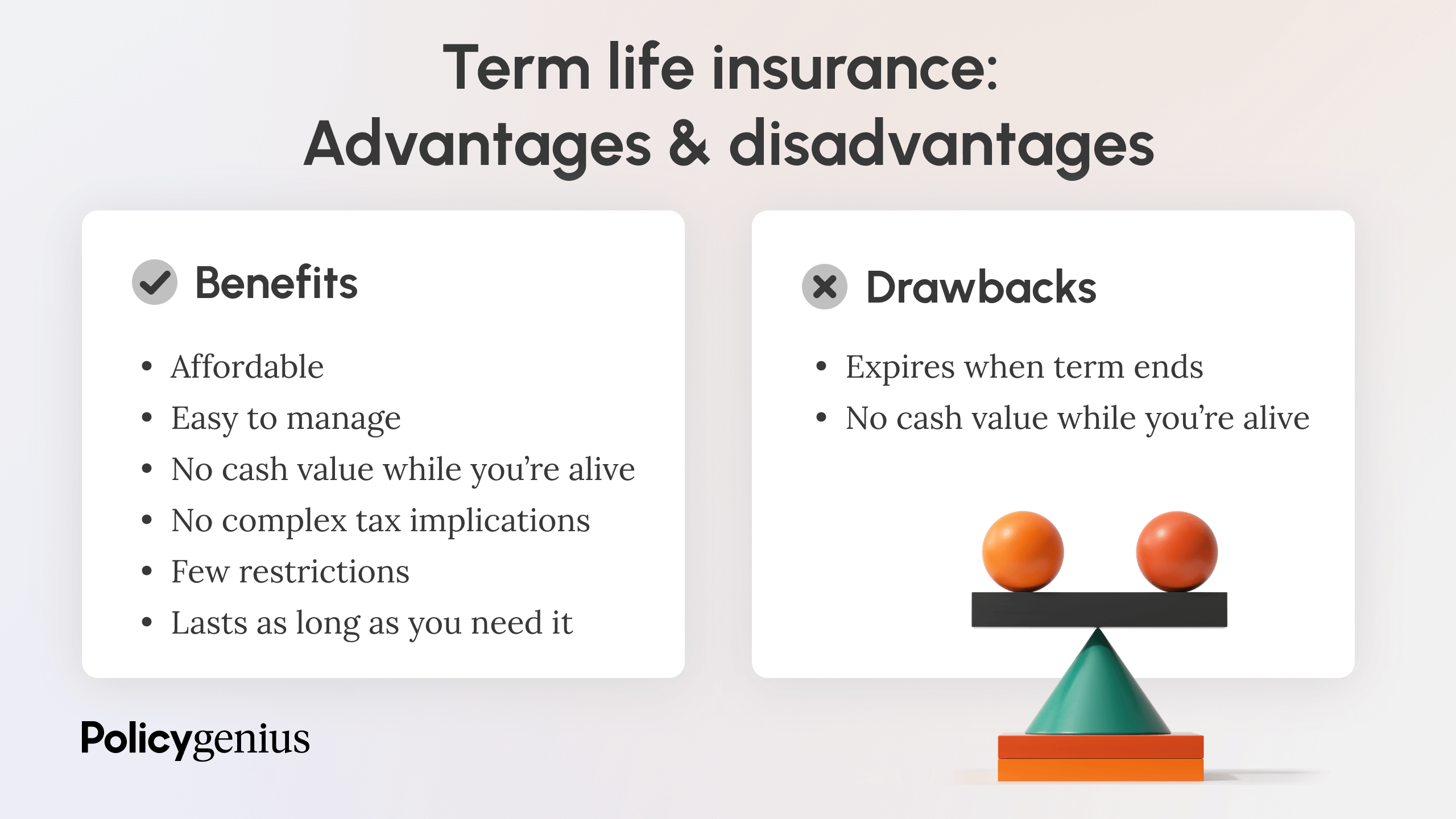
Term life insurance is designed to provide coverage for a specified period—or "term"—rather than building cash value like whole or universal life policies. The primary objective is to provide a financial safety net that pays a death benefit to designated beneficiaries if the insured passes away while the policy is active.
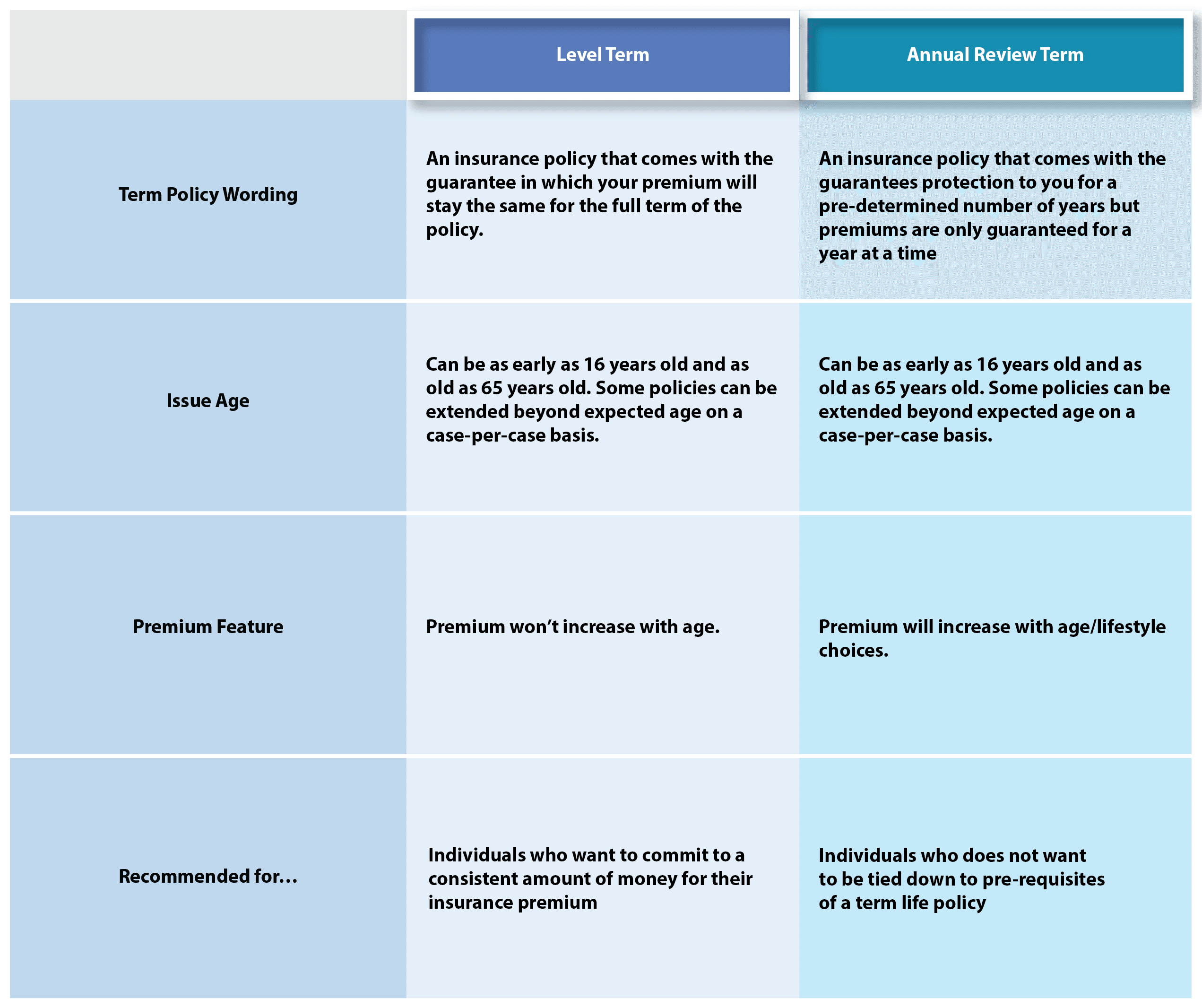
Within the AARP life insurance portfolio, term products are generally structured around level premiums that stay flat for a specific duration, typically five-year age bands, before stepping up as the insured enters a new age bracket. This structural nuance separates group term insurance from traditional individual term policies, which often lock in rates for 10, 15, 20, or 30 years without price changes during that initial term.
Core Features of AARP Term Life Options
The flagship term life offering available through AARP is typically structured to accommodate older adults who might otherwise face steep rate increases or underwriting hurdles in the open market. Examining the structural pillars of these products reveals how they operate in practice.
Premium Adjustments and Age Bracketing
Unlike traditional term insurance where a 20-year policy maintains the exact same monthly premium from year one through year twenty, AARP-endorsed term policies generally feature premiums that increase every five years as the insured transitions into a higher age bracket (e.g., moving from age 65–69 to age 70–74). While this ensures coverage remains mathematically viable for a group pool, it means long-term policyholders must anticipate rising costs as they age.
Renewable and Convertible Provisions
A standard feature of these term policies is the right of renewal. Policies are typically renewable up to a certain maximum age (often age 80 or 85, depending on the specific product tier and state regulations), provided premiums are paid on time and the group policy remains in force. Additionally, many term contracts include a conversion privilege, allowing policyholders to convert all or a portion of their term coverage into a permanent whole life insurance policy without undergoing a medical exam or answering new health questions, subject to specific age limits.
Benefit Amounts and Underwriting Flexibility
Coverage amounts through AARP term options are usually capped at specific thresholds compared to multi-million-dollar commercial term policies, reflecting their focus on final expenses and targeted income protection. Underwriting for group term insurance often relies heavily on simplified issue questionnaires rather than extensive paramedical exams, though certain health conditions can still lead to denial or redirection toward guaranteed acceptance whole life alternatives.
Comparing AARP Term Life vs. Alternative Coverage
Selecting the right insurance vehicle requires a direct look at how AARP term policies compare with other common choices available to mature consumers. The following comparison highlights key operational and financial differences.
| Feature / Metric | AARP Term Life Insurance | Traditional Individual Term Life | Whole Life / Final Expense Insurance |
|---|---|---|---|
| Rate Structure | Premiums increase every 5 years with age brackets. | Rates remain level for 10, 20, or 30 years. | Premiums remain level for the life of the policy. |
| Medical Underwriting | Usually simplified health questions; rarely requires an exam. | Typically requires full underwriting, labs, and medical exam. | Minimal underwriting; often guaranteed acceptance options. |
| Cash Value Accumulation | None (pure term insurance). | None (pure term insurance). | Builds cash value over time against which loans can be taken. |
| Maximum Issue Age | Varies by product, often up to age 80. | Usually capped around age 75 to 80. | Available to advanced ages (up to 85 in some cases). |
| Policy Ownership | Group policy certificate issued via New York Life. | Individual private contract with an insurance carrier. | Individual private contract with an insurance carrier. |
Eligibility Requirements and Application Prerequisites
Securing coverage through the AARP life insurance program involves meeting specific organizational and medical criteria. Understanding these prerequisites prevents wasted time and helps applicants determine whether they are strong candidates for approval.
- AARP Membership: The foundational prerequisite is active membership in AARP. Both the primary applicant and any eligible spouse must hold valid memberships.
- Age Limits: Applicants must fall within the designated acceptance window, which generally spans from age 50 to 80 for term life products, though exact age brackets vary depending on state availability and specific policy terms.
- Health Questionnaire: While invasive medical exams are frequently avoided for simplified issue group term policies, applicants must complete a health questionnaire disclosing major medical conditions, tobacco use, and recent treatments. Misrepresenting health history on these forms can lead to claim denials later.
- Residency Status: Policies must comply with state insurance regulations. Consequently, applicants must reside in a state where the specific New York Life-underwritten AARP policy is approved and licensed for sale.
Costs and Financial Considerations
Evaluating the financial impact of AARP term life insurance requires looking beyond the initial introductory monthly payment. Because premiums adjust upward every five years, a policy that appears inexpensive at age 55 may become significantly more costly by the time the insured reaches age 75 or 80.
Consumers should perform a long-term cost projection. If the primary financial goal is short-term income replacement while children finish college or a mortgage is paid off, a traditional level-term policy with a fixed 20-year rate might offer better cost predictability. Conversely, if the goal is covering immediate final expenses and the applicant prefers avoiding medical exams, the simplified underwriting of an AARP-endorsed term or whole life product may justify the shifting rate structure.
It is also important to consider financial strength. New York Life Insurance Company holds high financial strength ratings from major independent rating agencies such as A.M. Best, Moody's, and Standard & Poor's, offering reassurance regarding the company's long-term ability to pay claims.
Common Mistakes to Avoid When Evaluating Options
Navigating senior life insurance can be complex, and several frequent missteps can compromise a financial plan:
- Ignoring the 5-Year Rate Step-Ups: Failing to look at the future premium schedule can result in unexpected financial strain when the insured crosses into a new age bracket.
- Confusing Term with Permanent Needs: Purchasing a term policy when permanent coverage is actually required to cover lifelong estate taxes or long-term care obligations.
- Assuming Guaranteed Approval: While underwriting is often simplified, assuming that poor health conditions will be entirely overlooked can lead to unexpected rejection.
- Overlooking Conversion Deadlines: Waiting too long to exercise a policy's conversion privilege, thereby missing the age or time limit during which term coverage can be switched to permanent insurance without medical checks.
Frequently Asked Questions
Does AARP sell life insurance directly?
No. AARP does not issue or underwrite insurance policies. It partners with the New York Life Insurance Company, which creates, issues, and administers the policies endorsed for AARP members.
Do AARP term life policies require a medical exam?
Most AARP-endorsed term life options use simplified issue underwriting, meaning applicants typically do not need to undergo a physical medical exam or blood draw. Approval is generally determined based on answers to a health questionnaire and background database checks.
Can my AARP term life insurance rates increase?
Yes. Unlike traditional level-term policies that lock in a single rate for decades, AARP term life insurance premiums typically increase every five years as the insured transitions into a higher age bracket.
What happens if I drop my AARP membership?
Because these insurance products are offered exclusively to members, allowing your AARP membership to lapse could potentially impact your ability to renew or modify your policy, depending on the contractual stipulations of the group master contract.
Is it possible to convert an AARP term policy into permanent insurance?
Many AARP term life options include a conversion feature that allows policyholders to transition their term policy into a permanent whole life insurance policy without needing to answer new health questions or take a medical exam, up to a specified maximum age.
Conclusion and Next Actions
Evaluating AARP term life insurance options requires balancing the convenience of simplified underwriting and group sponsorship against the reality of escalating premiums as you age. Review your current financial obligations, check the multi-year rate schedules provided by New York Life, and compare them against traditional individual policies. If you decide to proceed, request official quotes directly through authorized channels, verify your state's specific product availability, and ensure that the chosen coverage aligns precisely with your long-term estate and final-expense goals.