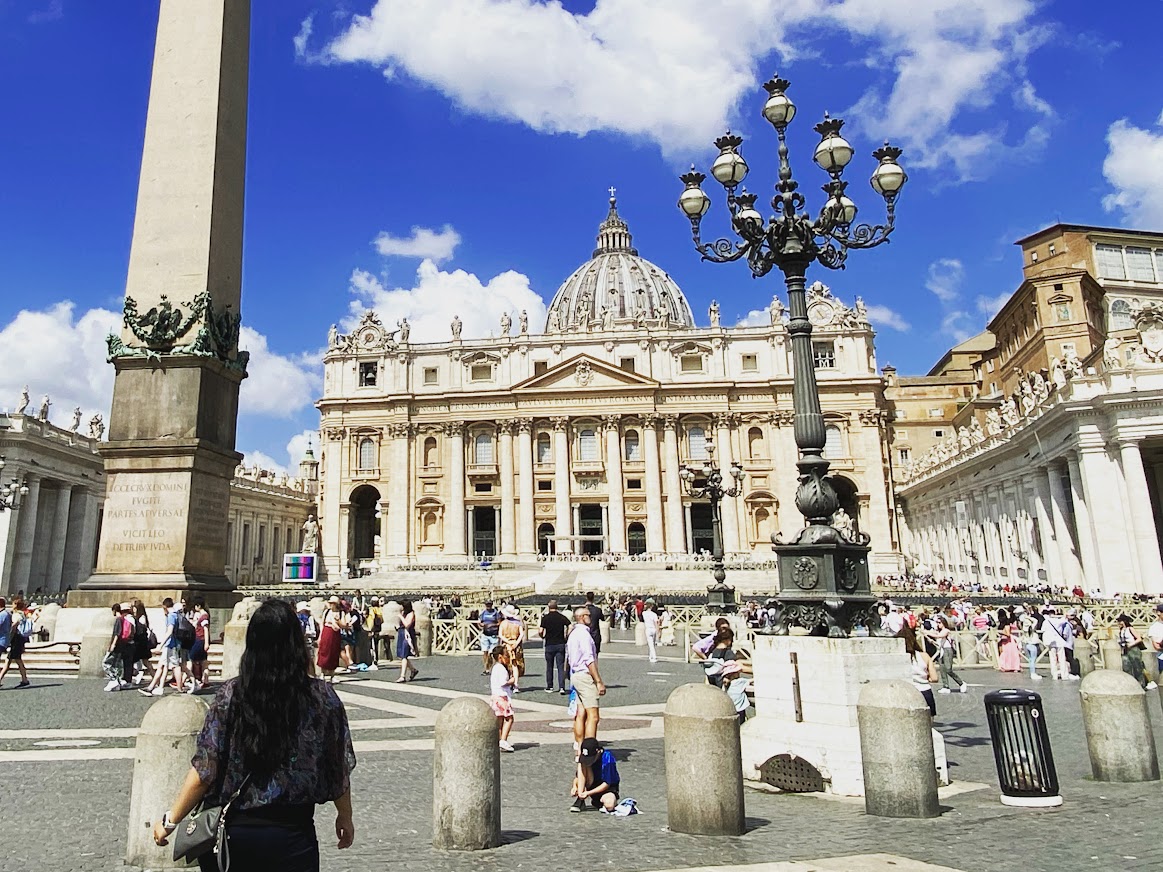
Finding the best time to visit the Vatican involves balancing seasonal weather patterns, crowd density, liturgical calendar events, and museum opening hours to optimize your experience of the Vatican Museums, St. Peter's Basilica, and St. Peter's Square.
Understanding the Vatican Visitor Cycle
Planning a successful trip to Vatican City requires understanding that the world's smallest independent state operates on a complex rhythm influenced by international tourism trends, school holidays, and the global liturgical calendar of the Roman Catholic Church. Because the Vatican welcomes millions of visitors annually, timing your entry correctly can mean the difference between a tranquil morning admiring Renaissance masterpieces and spending hours shuffling through claustrophobic corridors.
To master the visitor cycle, you must look beyond simple seasonal changes. While summer brings long daylight hours, it also introduces searing Mediterranean heat and overwhelming tourist volume driven by school vacations across Europe and North America. Conversely, winter introduces shorter days and cooler temperatures, but rewards the strategic traveler with significantly shorter queues and a more intimate atmosphere inside the Sistine Chapel. However, even within specific seasons, the day of the week and the hour of the day exert a profound influence on your overall experience.
Seasonal Breakdown: Weather, Crowds, and Atmosphere
Evaluating the calendar year reveals distinct windows of opportunity for visiting Vatican City. Each season presents a unique combination of environmental factors that directly impact your physical comfort and your ability to appreciate the art and architecture.
Spring (April to May) and Autumn (September to October)
Generally considered the golden windows for visiting Rome, spring and autumn offer mild, comfortable weather that makes walking around St. Peter's Square and waiting in security lines much more pleasant. Daytime temperatures typically hover between 15°C and 24°C (59°F to 75°F).
However, these shoulder seasons are no longer hidden secrets. Travelers seeking pleasant weather flock to Rome during these months, meaning visitor numbers remain consistently high. Furthermore, spring encompasses major religious holidays like Easter, which triggers massive global pilgrimages and temporary closures or restricted access to various parts of St. Peter's Basilica and the Vatican Museums. If you choose spring or autumn, expect heavy crowds and book your tickets several weeks in advance.
Summer (June to August)
Summer in Rome is characterized by intense heat, bright sunshine, and humidity, with afternoon temperatures frequently exceeding 35°C (95°F). The Vatican Museums are largely indoor complexes with limited climate control in older wings, meaning that thousands of visitors packed into confined spaces can create an uncomfortably warm environment.
Despite the climatic challenges, summer aligns with peak vacation periods, resulting in the highest visitor volumes of the year. If you must visit during summer, your strategy must focus on securing the earliest possible entry slots or utilizing evening opening hours when the intensity of the sun subsides and day-tripping tour groups begin to disperse.
Winter (November to February, Excluding Holidays)
Winter represents the low season for Roman tourism, making it the best time to visit the Vatican if crowd avoidance is your primary goal. While December and January can bring chilly, damp weather and occasional rain, daytime temperatures rarely drop below freezing.
During this period—specifically mid-November through February, excluding the Christmas and New Year festive fortnight—you will encounter the shortest lines of the year. You can stand before Michelangelo’s frescoes in the Sistine Chapel or walk the length of the Gallery of Maps with considerably fewer people blocking your view. Be aware, however, that shorter daylight hours mean outdoor photography in St. Peter's Square must be planned around early sunsets.
Day-of-the-Week Analysis
Selecting the right month is only half the battle; choosing the correct day of the week is equally vital for managing crowd density inside the Vatican complex.
| Day of the Week | Crowd Level | Strategic Considerations |
|---|---|---|
| Monday | Very High | Many other Roman museums (such as the Colosseum and Roman Forum or the Capitoline Museums) are closed on Mondays, funneling a disproportionate number of tourists directly to the Vatican Museums. |
| Tuesday | Moderate to High | A relatively standard day, though residual weekend travelers and tour groups keep numbers elevated. |
| Wednesday | High (Morning) | Papal Audiences take place on Wednesday mornings (usually in St. Peter's Square or the Paul VI Audience Hall). This causes heavy congestion around St. Peter's Square and security checkpoints until early afternoon. |
| Thursday | Moderate | Often quieter than Mondays and Wednesdays, offering a balanced environment for museum exploration. |
| Friday | Moderate | Similar to Thursday, though weekend leisure travelers begin arriving in the city by Friday afternoon. |
| Saturday | Very High | A peak day for weekend city-breaks. Both domestic and international travelers crowd the museums, making it one of the busiest days of the week. |
| Sunday | Closed / Low | The Vatican Museums are generally closed on Sundays, except for the last Sunday of the month. St. Peter's Basilica remains open, but access is subject to morning Mass and the Angelus prayer delivered by the Pope at noon, which draws large crowds to the square. |
The Best Time of Day for Entry
Once you have selected your month and day, timing your arrival hour will dictate your immediate success. The rhythm of a Vatican day follows a predictable curve that smart travelers can manipulate to their advantage.
Early Morning (The 8:00 AM Advantage)
Booking the earliest available entry slot—typically 8:00 AM or 8:30 AM through the official Vatican ticketing portal—is widely considered the single best tactical decision you can make. Entering before the general public rush allows you to make a beeline directly for the Sistine Chapel before the corridors become packed. Arriving early also grants you cooler morning temperatures and a more contemplative atmosphere.
Late Afternoon (The 3:00 PM Window)
If you cannot secure an early morning ticket, the late afternoon (around 3:00 PM or 3:30 PM, depending on closing times) offers a secondary window of relief. Large tour groups that arrived in the morning have usually departed, and the afternoon rush begins to thin out. However, you must calculate your pace carefully, as the museums typically close at 6:00 PM or 7:00 PM (with final entry two hours prior), giving you less time to explore the vast collections.
Evening Openings (Spring to Autumn)
From late April through October, the Vatican Museums offer special evening openings on select nights (usually Fridays and Saturdays), extending hours until 10:30 PM or 11:00 PM. These evening slots provide a completely unique ambiance, often accompanied by live classical music performances inside the courtyards. Visitor numbers are strictly capped for these slots, making evening tours one of the most serene ways to experience the Vatican.
Navigating Liturgical Calendar Considerations
Because Vatican City is the sovereign headquarters of the Roman Catholic Church, its operational schedule is heavily influenced by religious observances. Ignoring the liturgical calendar can lead to unexpected closures, massive security gridlock, or severely restricted access.
Major liturgical events—such as Holy Week leading up to Easter, Christmas Eve and Day, Saints Peter and Paul Day (June 29), and the Feast of the Assumption (August 15)—draw tens of thousands of pilgrims. During these periods, St. Peter's Basilica and the surrounding square may be closed to regular tourists during papal masses or ceremonies. Conversely, visiting during ordinary time (periods without major feast days) ensures standard operating procedures and full access to all visitor zones.
Practical Strategies for Beating the Crowds
Maximizing your Vatican visit requires combining strategic timing with logistical preparation. Implementing the following operational guidelines will protect your schedule and enhance your sightseeing experience.
- Pre-Book Official Tickets Online: Never rely on walking up to the ticket window unless you are prepared to wait in lines that frequently stretch for hundreds of meters along the Vatican walls. Secure timed-entry tickets weeks in advance through the official Vatican Museums Ticket Office.
- Adhere to the Dress Code: Both the Vatican Museums and St. Peter's Basilica enforce a strict dress code. Shoulders and knees must be covered for all visitors, regardless of gender. Wearing shorts, sleeveless shirts, or miniskirts will result in denial of entry at security, wasting valuable time.
- Understand Security Protocols: All visitors must pass through airport-style security screening. Even with pre-booked timed-entry tickets, expect a security queue that can take 15 to 30 minutes during peak hours.
- Allocate Adequate Time: The Vatican Museums house miles of galleries containing thousands of works of art. Do not attempt to rush through in an hour. Allow at least three to four hours for a comprehensive visit, plus an additional hour if you plan to climb the dome of St. Peter's Basilica.
Frequently Asked Questions
What is the absolute best month of the year to visit the Vatican?
November and February are widely considered the best months to visit the Vatican. During these off-peak winter months, tourist numbers drop significantly, allowing you to explore the Vatican Museums, the Sistine Chapel, and St. Peter's Basilica without battling dense crowds or enduring excessive heat.
Are the Vatican Museums open on Sundays?
No, the Vatican Museums are closed on most Sundays, with the exception of the last Sunday of every month, when admission is free from 9:00 AM to 2:00 PM (with final entry at 12:30 PM). However, visiting on the free Sunday is generally discouraged for travelers seeking a tranquil experience, as crowd levels reach extraordinary highs.
Is it better to visit the Vatican in the morning or afternoon?
Morning is generally better if you secure an early entry slot (8:00 AM to 8:30 AM) to beat the main rush. If you miss the morning window, late afternoon (after 3:00 PM) serves as a reliable alternative when large tour groups have departed, though you will have less overall time before closing.
How far in advance should I book Vatican tickets?
You should book your tickets on the official Vatican website 30 to 60 days in advance, especially if you are traveling during peak seasons (spring, autumn, or summer). High-demand early morning slots and specialized guided tours sell out weeks ahead of time.
Can I visit St. Peter's Basilica without entering the Vatican Museums?
Yes, St. Peter's Basilica is separate from the Vatican Museums and is free to enter. However, you must still pass through security screening in St. Peter's Square. To minimize the queue for the basilica, the best strategy is to arrive early in the morning right when it opens (typically at 7:00 AM) before the security lines build up.
What should I wear when visiting the Vatican?
Both men and women must wear clothing that covers their shoulders and knees. Shorts, short skirts, and sleeveless tops are strictly prohibited. Bringing a lightweight scarf or shawl is a practical way to ensure compliance if you are wearing short sleeves during warm weather.
Final Recommendations for Your Itinerary
To secure the most rewarding experience at Vatican City, aim for a Tuesday or Thursday morning in late October or early November, book your entry ticket online for the earliest available time slot, and ensure your attire complies with Vatican dress regulations. By combining deliberate calendar planning with punctual execution, you can bypass the stress of overcrowding and fully absorb the historical and artistic grandeur of the Holy See.