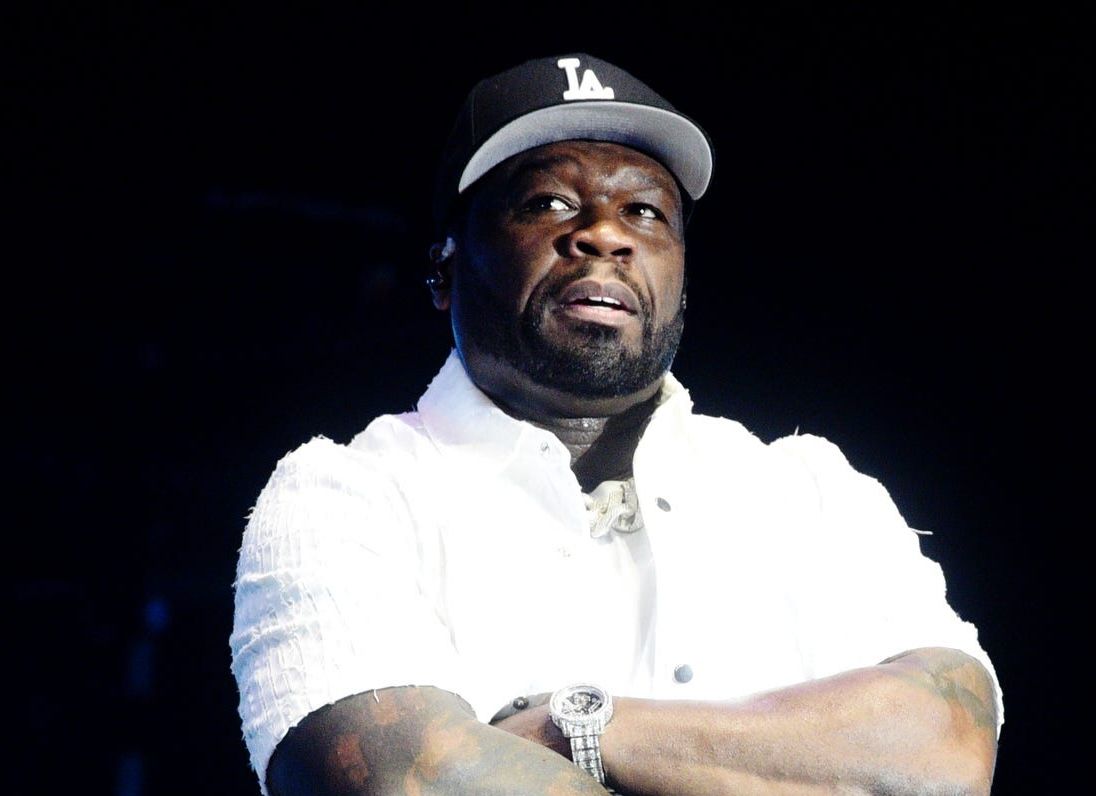
50 Cent does not like Diddy and has maintained a vocal, public, and often aggressive stance against him for over two decades. What began as industry competition and lyrical jabs evolved into a relentless social media campaign and, more recently, a serious investigative documentary project focusing on the various legal allegations against Diddy.
The Origins of the 50 Cent and Diddy Conflict
To understand the animosity between Curtis "50 Cent" Jackson and Sean "Diddy" Combs, one must look back to the early 2000s. At the time, Diddy was the undisputed king of hip-hop commercialization with Bad Boy Records, while 50 Cent was the aggressive newcomer from Queens who was intent on dismantling the established hierarchy.
The friction arguably began with the 2002 track "The Bomb," where 50 Cent suggested Diddy knew more than he let on regarding the 1997 murder of The Notorious B.I.G. While 50 Cent later characterized much of his early "beefs" as a strategy to gain visibility, his specific disdain for Diddy appeared to have deeper roots in how the two men approached the music business. 50 Cent frequently criticized the way Diddy handled his artists’ contracts, often portraying Diddy as a predatory executive who prioritized his own image and wealth over the longevity of the talent on his roster.
As 50 Cent’s star rose with G-Unit and Shady/Aftermath, he no longer needed Diddy’s approval. This independence allowed him to transition from subtle lyrical jabs to overt public mockery. By the mid-2000s, the "like" or "dislike" question was already settled: they were professional rivals who shared a mutual, albeit quiet, distaste for one another.
Business Rivalries: Spirits and Sponsorships
The feud intensified significantly when both moguls entered the luxury spirits market. Diddy had a massive success with Cîroc vodka, which he marketed through the "Cîroc Boyz" lifestyle. In response, 50 Cent partnered with Effen Vodka and later Branson Cognac and Le Chemin du Roi Champagne.
50 Cent used these business ventures as a platform for psychological warfare. He would frequently post on social media, urging followers to "dump" Cîroc in favor of Effen. Unlike typical corporate competition, 50 Cent’s marketing strategy involved personal attacks. He accused Diddy of being "fruity" (a derogatory term he used to question Diddy’s masculinity and lifestyle) and suggested that Diddy’s business success was built on a foundation of fluff rather than substance.
During this period, the rivalry was often viewed by the public as "trolling." 50 Cent became the self-appointed "King of Instagram Trolling," and Diddy was his favorite target. However, behind the jokes about pink suits and party invitations, there was a clear intent to devalue Diddy’s brand. 50 Cent’s objective was to position himself as the "tougher," more authentic version of a hip-hop mogul, contrasting himself against Diddy’s more polished, "shiny suit" persona.
The Turning Point: From Trolling to Serious Allegations
For years, the public perceived the 50 Cent vs. Diddy feud as a standard hip-hop rivalry—mostly talk, some business competition, but ultimately harmless. That perception changed drastically in late 2023 and throughout 2024. When Cassie Ventura filed a lawsuit against Diddy alleging years of abuse, sex trafficking, and physical violence, 50 Cent shifted his tone from lighthearted mockery to relentless criticism.
While many in the hip-hop community remained silent as more lawsuits against Diddy emerged, 50 Cent became the loudest voice in the room. He used his massive social media reach to highlight every new allegation, legal filing, and news report. This was no longer about selling vodka; it was about accountability and, according to 50 Cent, exposing a side of the industry that had been hidden for too long.
The Federal Raids and Legal Fallout
When federal agents raided Diddy’s properties in Los Angeles and Miami in early 2024, 50 Cent’s commentary reached a fever pitch. He began posting memes and videos almost hourly, reacting to the news. For 50 Cent, the raids were a validation of the "rumors" he had been hinting at for years.
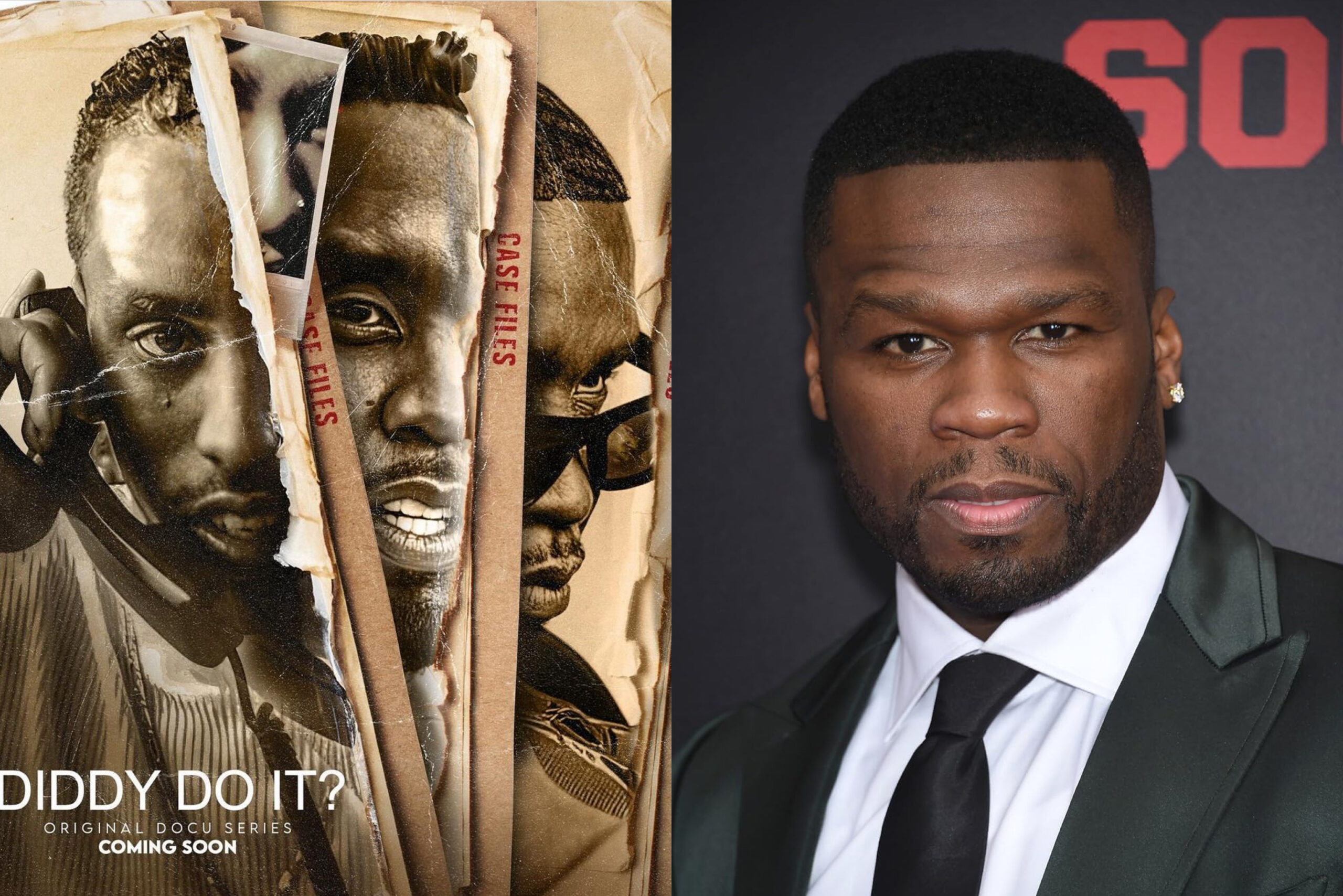
He didn't just stop at social media posts. 50 Cent announced that G-Unit Film & Television was producing a multi-part documentary series about the allegations against Diddy. By doing this, he moved the conflict into the realm of investigative journalism and media production, ensuring that the narrative surrounding Diddy’s downfall would be documented—and monetized—by his longest-standing rival.
Key Events in the 50 Cent vs. Diddy Timeline
The following table summarizes the major milestones that define why 50 Cent and Diddy are on opposite sides of the hip-hop landscape.
| Year | Event | Nature of Conflict | Result/Outcome |
|---|---|---|---|
| 2002 | Release of "The Bomb" | Lyrical jab | 50 Cent suggests Diddy has info on BIG’s death. |
| 2006 | Mase joins G-Unit | Executive maneuvering | 50 Cent attempts to buy Mase out of his Bad Boy contract; Diddy blocks it. |
| 2014 | The Vodka Wars | Business competition | 50 Cent uses Effen Vodka to troll Diddy’s Cîroc brand. |
| 2023 | Cassie Ventura Lawsuit | Legal/Ethical | 50 Cent begins vocal support for the victims and increases his public attacks. |
| 2024 | Federal Raids | Criminal Investigation | 50 Cent confirms the production of a documentary series about Diddy's legal troubles. |
| 2025 | Documentary Sale | Media Strategy | 50 Cent secures a major streaming deal (Netflix) for the Diddy exposé. |
| 2026 | Current Status | Permanent Hostility | 50 Cent remains a primary commentator on Diddy’s ongoing legal proceedings. |
Why 50 Cent Refuses to "Patch Things Up"
In the world of celebrity, feuds are often settled for the sake of public relations or collaborative profit. However, 50 Cent has shown no interest in reconciling with Diddy. There are several reasons for this persistent stance:
- Brand Identity: 50 Cent’s brand is built on being "real" and "unfiltered." Forgiving someone he has accused of being a "creep" or "predator" would undermine the persona he has cultivated since Get Rich or Die Tryin'.
- Moral High Ground: By positioning himself as the person who "called it" years before the legal system caught up, 50 Cent gains a level of social capital. He portrays himself as a protector of the culture rather than just a participant in it.
- Personal Distaste: On various podcasts and interviews, 50 Cent has mentioned that he always felt "uncomfortable" around Diddy. He often cites Diddy’s behavior at parties or his "aggressive" friendship style as reasons why he kept his distance.
- Strategic Dominance: In the competitive world of New York hip-hop, there was only room for one "top mogul." By being the one to dance on the metaphorical grave of Diddy’s reputation, 50 Cent effectively wins the long-term battle for legacy.
The Documentary: "Diddy Do It?"
One of the most significant pieces of evidence that 50 Cent does not like Diddy is the production of the documentary series, often referred to by the working title Diddy Do It? (or simply the "G-Unit Diddy Doc").
50 Cent has stated that the proceeds from this documentary will go to victims of sexual assault. This move serves a dual purpose: it provides 50 Cent with a platform to present the evidence against Diddy to a global audience, and it insulates him from accusations that he is merely "clouting" or profiting off of someone else's tragedy. By involving legal experts, former Bad Boy employees, and alleged victims, the documentary moves the "beef" from the pages of The Source or Instagram into the historical record of the American legal system.
Cultural Impact of the Feud
The animosity between these two men reflects a larger divide in hip-hop culture. Diddy represented the era of extreme excess, "party" rap, and the "shiny suit" aesthetic that dominated the late 90s. 50 Cent represented the return to street authenticity and a more cynical, business-minded approach to the industry.
When 50 Cent attacks Diddy, he is often attacking the "industry" itself. He views Diddy as the embodiment of the "fake" aspects of Hollywood and the music business. This resonates with a large segment of 50 Cent’s audience, who enjoy seeing an "outsider" disrupt the status quo of the elite.
Furthermore, 50 Cent’s willingness to speak out against Diddy when others wouldn't has changed the conversation regarding the "code of silence" in hip-hop. For years, the industry protected its most powerful figures. 50 Cent’s relentless trolling broke that seal, making it easier for mainstream media and legal entities to take the allegations against Diddy seriously.
FAQs About 50 Cent and Diddy
Has Diddy ever responded to 50 Cent's trolling?
For the most part, Diddy has chosen the "high road" in terms of public comments. He rarely addressed 50 Cent’s Instagram posts directly, often choosing to focus on his "Love" era persona and business ventures. However, in the legal sphere, Diddy’s teams have frequently dismissed 50 Cent’s commentary as biased and motivated by a desire for attention. Diddy’s lack of a direct rebuttal often frustrated 50 Cent, who seemed to want a more active "war."
Were 50 Cent and Diddy ever friends?
They were never "friends" in the traditional sense. While they attended the same industry events and have photos together from the early 2000s, their relationship was always transactional and competitive. 50 Cent has stated in interviews that he always felt an "energy" from Diddy that he didn't like, leading him to keep his distance even when they were both at the top of the charts.
Did 50 Cent's trolling help the legal cases against Diddy?
While 50 Cent's social media posts are not legal evidence, they certainly helped maintain public interest and pressure. By constantly highlighting the lawsuits and federal investigations, 50 Cent ensured that the news didn't "blow over." This public pressure can sometimes influence how authorities or witnesses feel about coming forward, as it signals that the person in question is no longer "untouchable."
Is 50 Cent making money from Diddy's downfall?
Yes, but in a indirect way. 50 Cent's brand grows every time he is proven "right" about a controversial topic. Additionally, his documentary series sold to Netflix for a significant sum. While he has pledged portions of the proceeds to charity, the production itself is a commercial product of G-Unit Film & Television. 50 Cent has never been shy about his ability to turn a conflict into a business opportunity.
What does 50 Cent say about Diddy's current legal status in 2026?
As of 2026, 50 Cent continues to provide commentary on the judicial outcomes and ongoing civil litigation involving Diddy. He has generally maintained a "told you so" attitude, often posting clips of old interviews where he dropped hints about Diddy’s behavior, framing himself as a whistleblower who was ignored for twenty years.
Final Summary of the Relationship
The relationship between 50 Cent and Diddy is a study in long-term professional and personal animosity. 50 Cent does not like Diddy, and he has spent much of his career making that fact known to anyone with an internet connection. What began as a battle for New York rap supremacy evolved into a bitter business rivalry and eventually a crusade for legal accountability.
For 50 Cent, the downfall of Diddy is not just a news story; it is the final chapter in a narrative he has been writing since 2002. Whether through songs, vodka brands, or high-budget documentaries, 50 Cent has remained the most consistent and effective critic of Sean "Diddy" Combs. In 2026, the feud remains one of the most significant and transformative conflicts in the history of hip-hop, marking the end of an era of perceived invincibility for industry moguls.
Recommendation: For those interested in the specifics of the allegations, following the official court filings and the G-Unit produced documentary remains the most direct way to see how 50 Cent’s claims align with the legal reality.