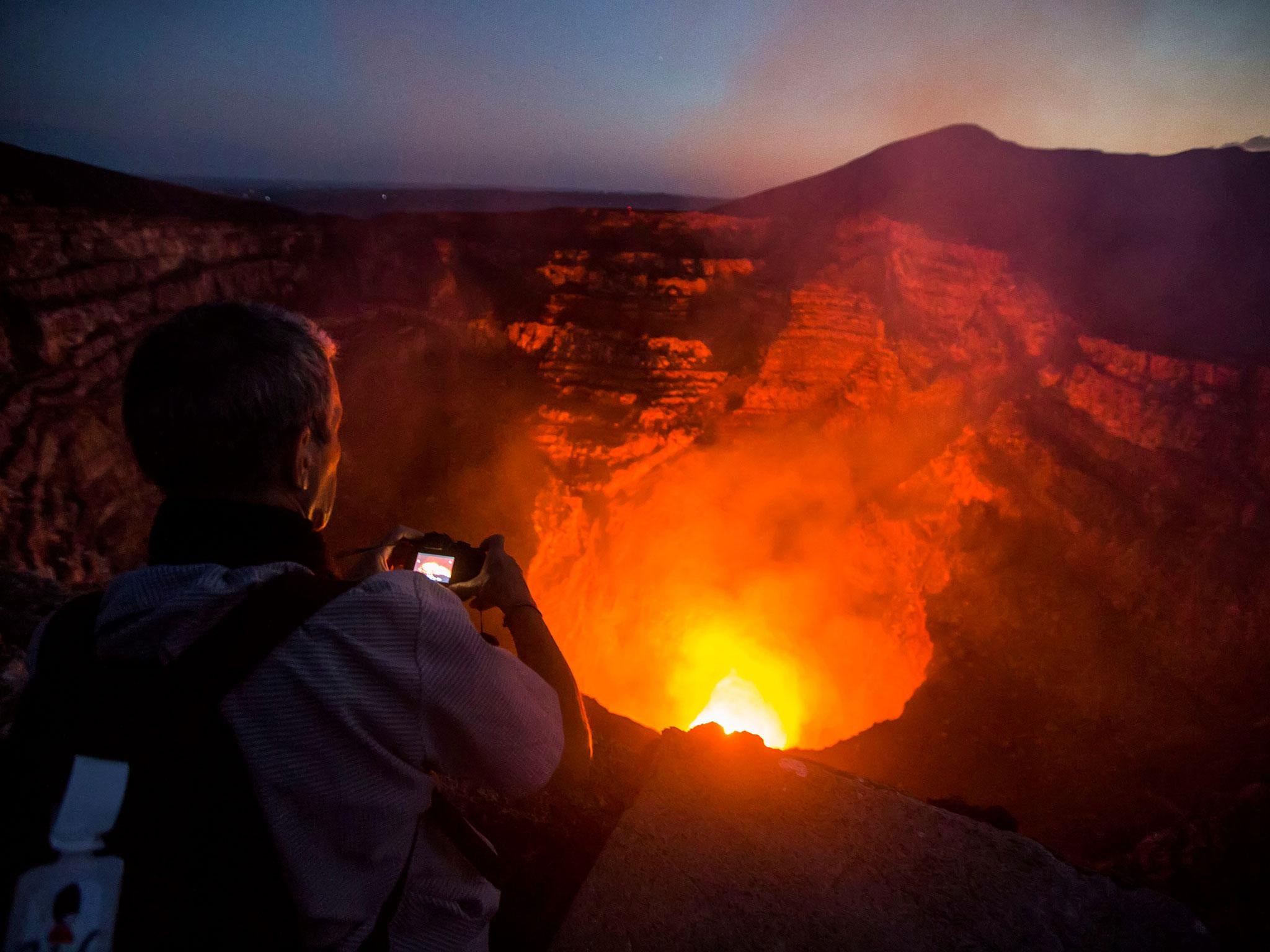
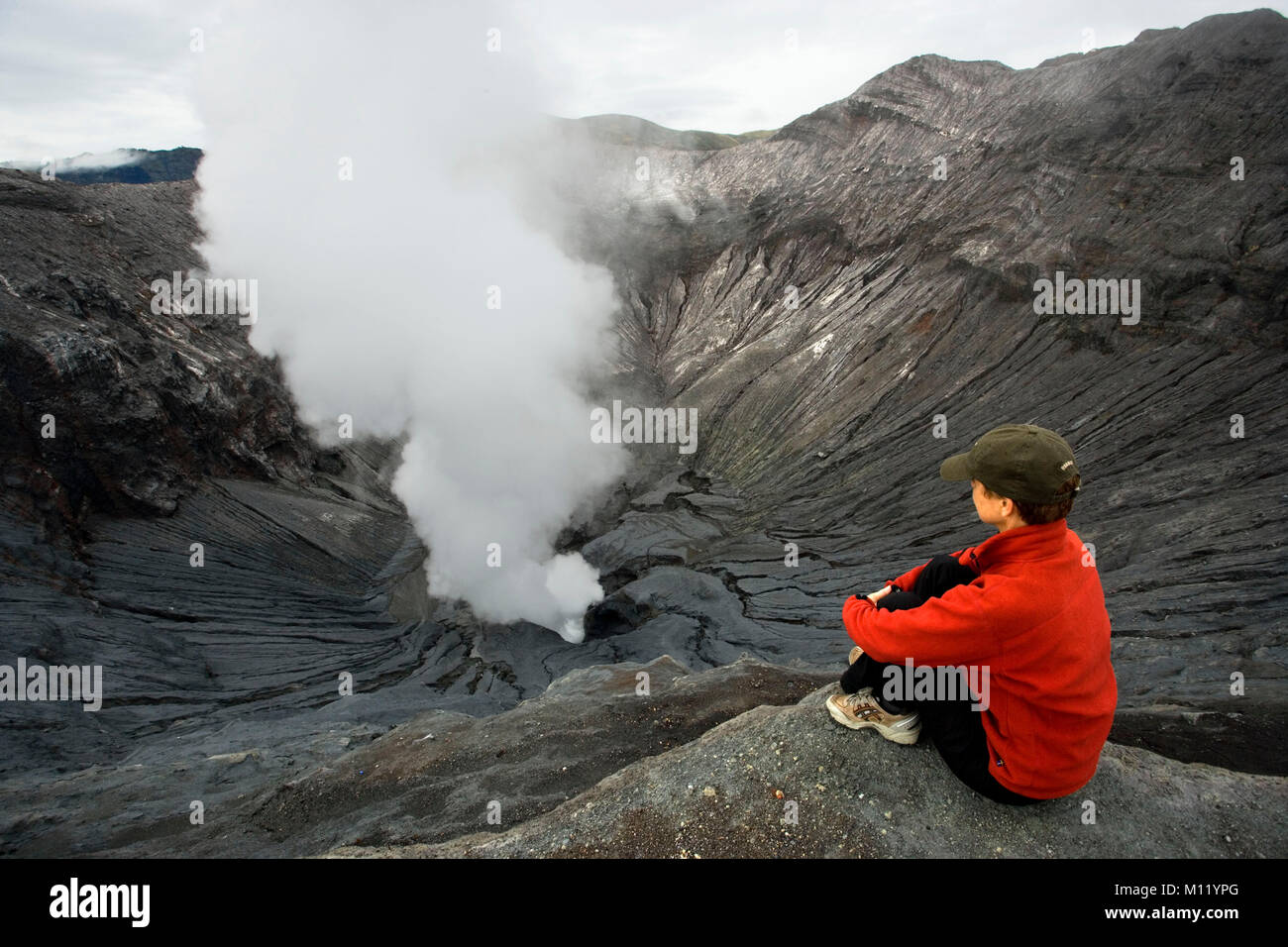
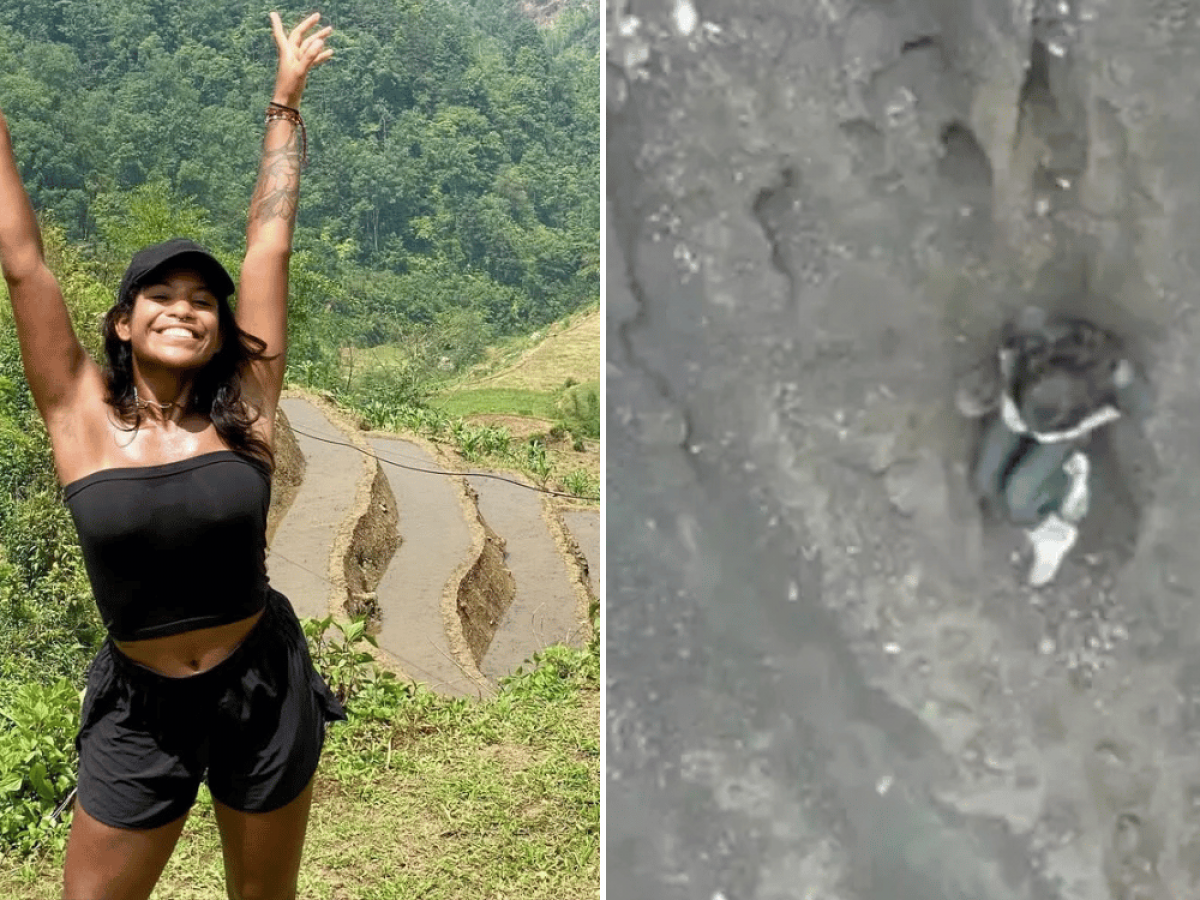
When a tourist falls into a volcano, the consequences are invariably catastrophic, blending extreme thermal trauma, toxic gas exposure, and severe structural trauma from high-altitude falls. Survival is exceedingly rare due to molten rock temperatures exceeding 1,000 degrees Celsius, volatile volcanic gases, and the sheer logistical impossibility of immediate rescue from active crater interiors.
The Physical Realities of Volcanic Environments
Volcanoes are dynamic, high-energy geological features governed by physics and thermodynamics that leave no margin for human error. Understanding what happens during a fall requires examining the immediate environmental hazards present at the rim and interior of an active or dormant crater.
Extreme Thermal Temperatures and Pyroducts
Magma and lava pool temperatures range dramatically based on composition, typically spanning from 700 degrees Celsius for rhyolitic flows up to 1,200 degrees Celsius for basaltic lavas. Even without direct contact with molten rock, ambient temperatures near active vents or inside gas-emitting fissures can instantly cause severe burns, flash-boil respiratory tracts, and ignite clothing. When a person descends into a crater, radiant heat alone can incapacitate them before they ever reach a solid surface or liquid magma pool.
Atmospheric Toxicity and Asphyxiation Hazards
Volcanic craters are notorious for accumulating dense, heavier-than-air volcanic gases such as carbon dioxide ($CO_2$), sulfur dioxide ($SO_2$), hydrogen sulfide ($H_2S$), and hydrogen chloride ($HCl$). These gases frequently pool in depressions, summit calderas, and vents due to lack of wind circulation. A person falling or descending into a crater often succumbs to acute asphyxiation or toxic chemical inhalation long before thermal injuries prove fatal.
Fall Impact and Geotechnical Instability
Volcanic rims are composed of loose tephra, ash, carious rock, and unstable scoria. These edges frequently overhang empty space or drop vertically for hundreds of meters. A fall typically involves a high-velocity descent striking jagged, abrasive rock faces, resulting in catastrophic blunt force trauma, skeletal fractures, and internal hemorrhaging.
Comparative Hazards of Volcanic Zones
The severity of a fall depends heavily on the state of the volcano and the nature of the terrain. The following table outlines the primary hazards encountered across different volcanic environments.
| Volcanic State / Terrain | Primary Physical Hazard | Secondary Hazard | Survival Probability |
|---|---|---|---|
| Active Lava Lake (e.g., Erta Ale) | Immediate thermal incineration ($1,000^\circ\text{C}+$) | Toxic gas plumes ($SO_2$) | Effectively zero |
| Active Dry Vent (e.g., Mount Etna) | Deep vertical drop ($>100\text{m}$) | Asphyxiating gas pockets ($CO_2$) | Extremely low |
| Dormant Crater Lake (e.g., Kawah Ijen) | Chemical burns (sulfuric acid water) | Hypothermia and drowning | Very low |
| Inctive / Hiking Caldera (e.g., Mount Fuji) | High-altitude trauma, scree slips | Exposure and rapid weather shifts | Low to moderate (rescue possible) |
Logistical and Technical Challenges of Volcanic Rescues
Executing a rescue or recovery operation inside an active volcanic crater presents some of the most complex challenges in modern wilderness search and rescue (SAR). Emergency responders face extreme danger that often halts standard deployment protocols.
Hazardous Access and Gas Monitoring
Rescue teams cannot enter an active crater without specialized Self-Contained Breathing Apparatus (SCBA) gear and real-time gas monitoring equipment. If concentrations of carbon dioxide or sulfur dioxide exceed safety thresholds, rescue workers become casualties themselves. Consequently, authorities frequently have to wait for wind shifts or volcanic quiescence before attempting recovery.
Vertical Rope Rescue Limitations
Many volcanic craters feature sheer, loose walls that cannot anchor traditional climbing ropes securely. Falling rock, sudden seismic tremors, or minor ash ejections can sever ropes or trigger secondary rockfalls, endangering ground crews stationed at the rim.
Deployment of Unmanned Technology
In recent years, volcanic rescue operations have increasingly relied on unmanned aerial vehicles (drones) equipped with thermal imaging and high-zoom optical cameras to locate victims without risking human lives. However, intense magnetic anomalies, high-heat updrafts, and corrosive acidic vapors frequently short-circuit or destabilize drone electronics during deep-crater flights.
Prevention, Safety Protocols, and Regulatory Compliance
National parks and geological authorities enforce strict safety boundaries around volcanic sites to prevent tragic accidents. Understanding these guidelines is vital for tourists visiting active geothermal regions.
- Adhere to Designated Trails: Never cross barricades, warning signs, or painted lines indicating unstable ground or restricted zones.
- Monitor Local Advisory Levels: Check volcanic alert systems managed by national geological surveys (such as the USGS in the United States or PVMBG in Indonesia) before embarking on hikes.
- Carry Proper Safety Gear: Equip yourself with sturdy footwear, helmets in active rockfall zones, and portable gas detectors if visiting authorized high-gas geothermal fields.
- Respect Meteorological Warnings: High winds, heavy fog, and sudden rainstorms dramatically reduce visibility and destabilize loose volcanic ash paths, vastly increasing slip hazards.
Frequently Asked Questions
Can anyone survive falling into an active volcano?
Survival is virtually impossible if a person falls directly into an active lava lake or high-heat magma vent due to instant extreme thermal destruction and toxic gas inhalation. Survival is only theoretically possible in rare instances where a tourist falls onto a shallow, inactive shelf or dry ledge well above the active magma chamber, and even then, severe trauma and toxic gas exposure usually prove fatal without immediate extraction.
Why do volcanic gases make rescue operations so dangerous?
Volcanic gases like carbon dioxide and sulfur dioxide are heavy, odorless, and invisible. They accumulate in low-lying crater bowls, displacing breathable oxygen. Rescuers entering these zones without specialized breathing apparatus can lose consciousness within seconds, turning a rescue mission into a multiple-casualty incident.
Are tourists legally liable for ignoring volcano warning signs?
Yes. In many jurisdictions worldwide, tourists who bypass official safety barriers, enter closed restricted zones, or ignore emergency alerts are held legally liable for the immense costs of search and rescue operations. Furthermore, such negligence frequently violates local conservation and safety laws, leading to hefty fines or prosecution.
What should you do if someone slips near a volcanic edge?
Do not attempt an unassisted rope or hand rescue if it places you at risk of sliding into the crater. Immediately mark the exact location, note the time, contact local emergency services or park rangers, and provide precise GPS coordinates if available while staying on stable, solid ground.
Next Actions and Emergency Guidance
For travelers planning visits to active geological parks or volcanic regions, preparation and vigilance are the best defenses against catastrophic accidents. Always register with park authorities when undertaking remote treks, hire certified local guides who understand shifting volcanic behaviors, and maintain a safe distance from active vents, steam fissures, and steep, unreinforced rims.