When you are involved in a collision with a commercial tractor-trailer, the process of pursuing a semi accident lawsuit involves navigating complex layers of federal regulations, multiple potentially liable parties, and sophisticated insurance defense strategies. Unlike standard passenger vehicle accidents, these cases are defined by the severe physical toll on victims, the immense weight of commercial vehicles, and the deep involvement of corporate entities that immediately mobilize teams to mitigate financial exposure.
Understanding the Scope of Commercial Trucking Litigation
A semi accident lawsuit, legally categorized under personal injury and often complex tort law, centers on the principle of negligence—the failure of a truck driver or trucking company to exercise reasonable care, leading to harm. Because commercial trucks (Class 8 vehicles) can weigh up to 80,000 pounds when fully loaded, the force of an impact is vastly greater than in typical car crashes.
The legal complexity arises because the truck driver is rarely the only party involved. You are often dealing with the motor carrier (the trucking company), the logistics provider, the owner of the trailer, the maintenance company, and potentially the manufacturer of the truck’s components. Each of these entities carries insurance, and each has a vested interest in shifting blame to protect their assets.
The Immediate Post-Accident Phase
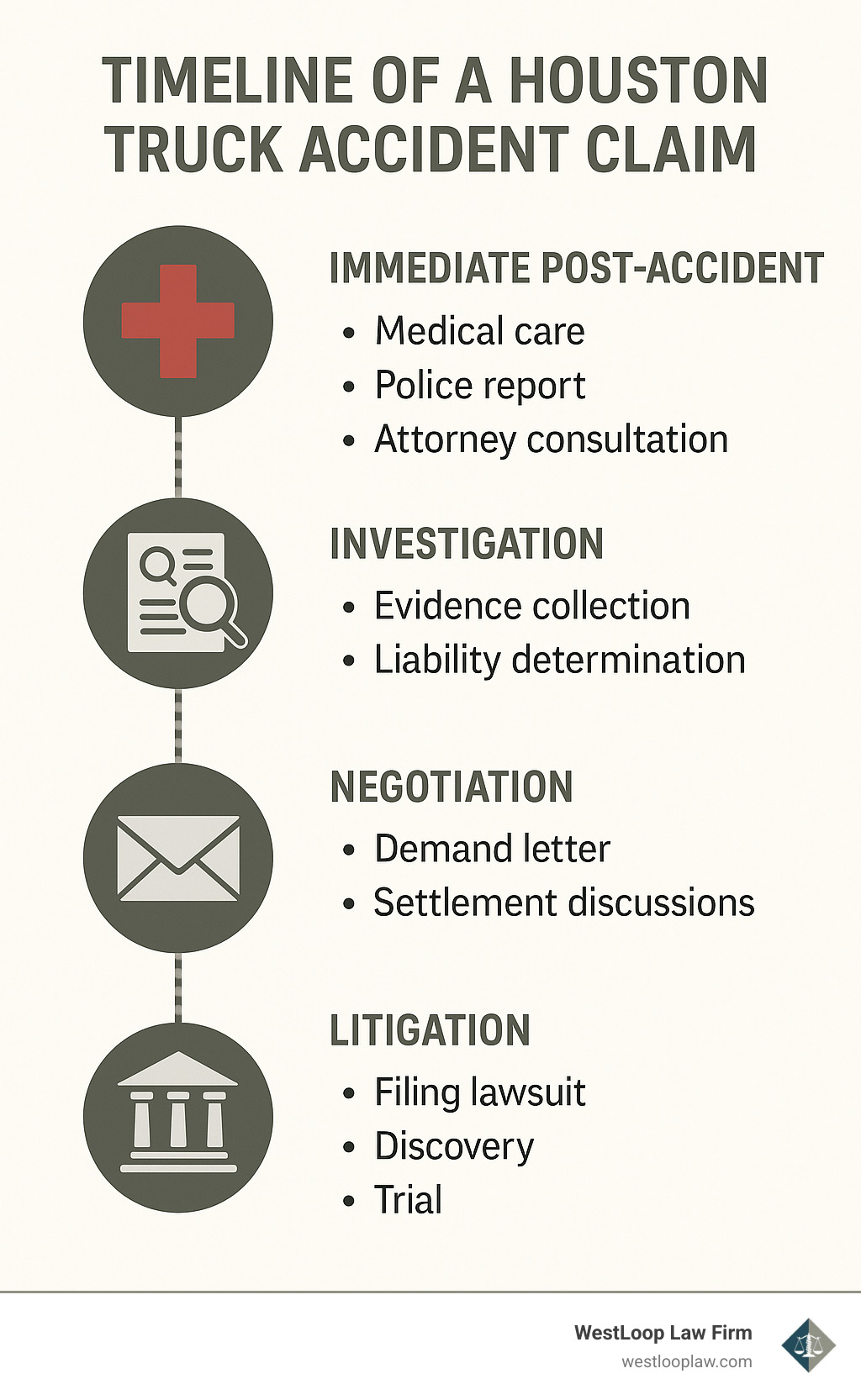
If you have been involved in a semi-truck collision, your actions within the first hours and days dictate the strength of your future legal claim. Preservation of evidence is the highest priority.
- Law Enforcement Documentation: Ensure a police report is filed at the scene. Because semi-trucking incidents often involve state or federal jurisdictional issues, a report from the state highway patrol is generally more detailed and useful than a local municipal report.
- Medical Evaluation: Even if you feel "fine," the adrenaline of a crash can mask severe internal injuries, such as concussions or spinal compression. Comprehensive documentation from a medical professional immediately after the crash is vital for proving causation.
- Evidence Collection: If you are physically capable, photograph the scene, the truck’s DOT number, the position of the vehicles, and any debris. If you cannot do this, request that a family member or legal representative secures this information before the scene is cleared and evidence is lost.
Federal Regulations and the Duty of Care
Trucking companies operate under the oversight of the Federal Motor Carrier Safety Administration (FMCSA). The Federal Motor Carrier Safety Regulations (FMCSR) establish strict rules that, if violated, provide a foundation for proving negligence in a semi accident lawsuit.
Key regulations to look for include:
- Hours of Service (HOS): Drivers are limited in how many consecutive hours they can drive to prevent fatigue. If the driver exceeded these limits, the carrier may be held liable for negligent supervision.
- Maintenance Logs: Carriers must maintain proof of regular vehicle inspections. Failing to maintain brakes, tires, or steering mechanisms is a common cause of accidents.
- Hiring and Training: Carriers have a duty to screen drivers for history of substance abuse or reckless driving. Negligent hiring or retention is a common secondary claim.
Comparative Negligence and Liability
One of the most frequent defenses employed by trucking companies is the theory of comparative negligence. This legal doctrine argues that the victim shares a portion of the fault for the accident, which, depending on the jurisdiction, could reduce or eliminate the damages awarded.
For instance, if a passenger vehicle cut off a semi-truck, the insurance company will aggressively document that maneuver to argue for a reduction in settlement value. Understanding how your state handles "pure" versus "modified" comparative negligence is essential. In "modified" jurisdictions, if you are found to be 50% or 51% at fault, you may be barred from recovering any damages at all.
Comparing Potential Outcomes
The following table highlights the common differences between a standard passenger car accident and a semi-truck accident claim.
| Feature | Passenger Vehicle Accident | Semi-Truck Accident |
|---|---|---|
| Primary Parties | Driver vs. Driver | Driver, Carrier, Cargo Owner, Insurer |
| Evidence Type | Photos, Statements | ELD logs, Maintenance, GPS, Dash-cam |
| Regulation | State Traffic Laws | State Laws + FMCSA Federal Rules |
| Insurance Limits | Low/Standard | High ($750,000 to $5M+ minimums) |
| Discovery Scope | Limited to the driver | Corporate policies, hiring, training |
The Role of Discovery in Your Lawsuit
Discovery is the phase of a lawsuit where the parties exchange information. In a semi accident lawsuit, this is where the case is often won or lost. Unlike a fender bender, your attorney will demand specific digital and corporate records from the trucking company, including:
- Electronic Logging Device (ELD) Data: This digital log tracks the driver’s speed, location, and HOS compliance.
- Driver Qualification File: This reveals whether the driver was properly licensed, trained, and tested for drugs or alcohol.
- Internal Correspondence: Emails or logs regarding the vehicle’s mechanical status that were ignored or bypassed.
Calculating Damages in a High-Stakes Case
In a lawsuit involving a commercial vehicle, the potential for high-value damages is significant, but it must be meticulously documented. Economic damages include medical bills (current and future), lost wages, and loss of earning capacity. Non-economic damages, often called "pain and suffering," compensate for the loss of quality of life, emotional trauma, and physical disability.
To maximize these damages, you must provide expert testimony. This often requires hiring medical economists, life-care planners, and accident reconstruction experts who can testify in court about the long-term impacts of the accident on your life.
Navigating Insurance Negotiations
Trucking companies carry high-limit insurance policies. While this ensures there is money available to cover a judgment, it also means the insurer will fight harder. They may offer a "quick settlement" early in the process. Be wary of these offers, as they are almost always significantly lower than the true lifetime cost of your injuries. Never sign a release of liability without having a legal professional review the offer against your long-term medical prognosis.
Common Challenges and Pitfalls
- Destruction of Evidence: If a formal letter of spoliation is not sent to the trucking company immediately, they may legally dispose of the truck or delete electronic logs after a certain period of time.
- Jurisdictional Issues: Because trucks cross state lines, your lawsuit might be moved to federal court. Federal courts often have stricter rules and different judges who may have different approaches to civil litigation.
- Corporate Veil: Trucking companies sometimes use shell companies or independent contractors to limit their liability. An experienced legal team must look through these layers to find the party that is actually responsible for the driver’s actions.
Frequently Asked Questions
How long do I have to file a semi accident lawsuit? Every state has a statute of limitations, which is a deadline for filing a lawsuit. In many jurisdictions, this can be as short as two years from the date of the accident. Missing this date usually results in the permanent forfeiture of your right to sue.
What is the "Black Box" of a truck? Modern commercial trucks are equipped with an Event Data Recorder (EDR), often called a "black box." It records technical data such as speed, braking activity, and engine performance leading up to the moment of impact. This is often the most critical evidence in proving how a crash occurred.
Will I have to go to trial? Most lawsuits are settled out of court through mediation or negotiation. However, you must be prepared to go to trial to achieve a fair settlement. If the trucking company knows you are unwilling to take the case to a jury, they have little incentive to offer a maximum settlement.
What if the truck driver was an independent contractor? Even if the driver is classified as an independent contractor, the motor carrier can often still be held liable under the doctrine of respondeat superior or because of specific federal regulations that hold carriers responsible for the equipment they operate under their Department of Transportation (DOT) operating authority.
Next Actions and Recommendations
If you are currently managing the aftermath of a semi-truck accident, your most important next step is to secure an attorney with specific experience in trucking litigation. General personal injury firms often lack the resources to hire the necessary experts—such as accident reconstructionists—or the experience to navigate the specific federal regulations that make these cases unique.
Ensure your legal representative is prepared to issue a formal preservation letter to the carrier immediately. This letter requires the company to stop the destruction of all data, including truck logs, maintenance records, and video footage. Do not discuss the details of the accident with the other party’s insurance adjusters until you have received professional legal counsel, as your words can be used to minimize the value of your claim.