A project manager functions as the central hub of delivery by integrating cross-functional communication, managing resource allocation, and synchronizing disparate workstreams toward a singular objective. This position acts as the primary connective tissue between stakeholders and execution teams, ensuring that project scope, budget, and timelines remain aligned with organizational goals throughout the entire project lifecycle.
The Anatomy of the Hub: Defining the Role
In modern project management, the concept of a "hub" refers to a centralized point of convergence. Unlike functional managers who oversee specific departments, a project manager acts as an intermediary. They exist at the intersection of business strategy and technical implementation. By maintaining a constant flow of information between these two poles, they prevent the silos that frequently cause projects to derail.
The project manager ensures that the "spokes"—which include engineering, design, marketing, finance, and procurement—all rotate at the same speed. If one department experiences a delay, the project manager perceives the ripple effect immediately and adjusts the operational strategy. This systemic view is what distinguishes a true project lead from a task coordinator. Without this centralized oversight, the "hub" disappears, leaving teams to operate in isolation, which inevitably leads to misaligned expectations and missed delivery milestones.
Orchestrating Communication and Information Flow
Effective delivery is less about the technical work itself and more about the communication surrounding that work. As the hub of delivery, the project manager is responsible for filtering, interpreting, and disseminating information.
- Stakeholder Translation: Business leaders often speak in terms of ROI, market share, and deadlines. Execution teams speak in terms of technical constraints, dependencies, and capacity. The project manager translates these languages, ensuring that the "what" and "why" defined by leadership are understood as the "how" by the team.
- Transparency and Accountability: By maintaining a single source of truth—whether through project management software or internal reporting dashboards—the project manager creates accountability. When every team member knows who is responsible for what, the risk of "dropped balls" significantly decreases.
- Conflict Mitigation: Because the project manager sits in the center of the organization, they are uniquely positioned to spot conflicts before they escalate. By identifying resource bottlenecks or personality clashes early, they act as an internal diplomat, keeping the delivery track clear of obstructions.
Balancing Scope, Cost, and Time
The "Iron Triangle" of project management—scope, cost, and time—remains the primary set of constraints for any delivery professional. The project manager serves as the guardian of these three variables.
| Constraint | Managerial Focus | Risk if Hub is Weak |
|---|---|---|
| Scope | Defining requirements and preventing creep. | Features bloat; delivery is delayed. |
| Cost | Allocating budget and monitoring burn rate. | Overspending; project cancellation. |
| Time | Sequencing tasks and critical path management. | Missed deadlines; loss of market opportunity. |
The hub-like nature of the role allows the project manager to perform trade-off analysis. If a stakeholder requests an expansion of scope, the project manager immediately assesses how this affects the budget and the timeline. By being the central point of contact, they ensure that no change is made in a vacuum, protecting the project from the cumulative damage of unmanaged adjustments.
Managing Dependencies and Critical Paths
A project is rarely a linear progression of tasks. It is a complex network of dependencies where the output of one team often serves as the input for another. As the hub, the project manager maps these dependencies to identify the critical path—the sequence of stages determining the minimum time required for completion.
When an unexpected technical blocker occurs, the project manager identifies which downstream tasks are affected. They do not just manage the issue at hand; they manage the impact of the issue. By re-sequencing work or renegotiating deadlines with stakeholders, they keep the delivery engine running. This proactive dependency management is what prevents a localized technical issue from turning into a total project stall.
Risk Management as a Core Competency
Risk is inherent in delivery. However, most project failures are not the result of unavoidable disasters, but rather of unmanaged risks that went unnoticed until it was too late. The project manager, sitting at the hub, has the broadest visibility across the organization. This position allows them to aggregate risk data from all departments.
Effective risk management involves more than maintaining a register; it requires the authority to act on that data. Because the project manager is the central point of contact for all entities involved, they can force the uncomfortable conversations necessary to mitigate risks. Whether it is escalating a resourcing issue to executive leadership or pivoting a technical strategy, the hub position provides the leverage needed to turn risks into manageable challenges rather than project-ending events.
The Evolution of the Hub in 2026
As of 2026, the nature of the project manager’s role has shifted significantly due to the integration of advanced project management software and automated reporting tools. While the core philosophy of the "hub" remains, the execution is increasingly data-driven.
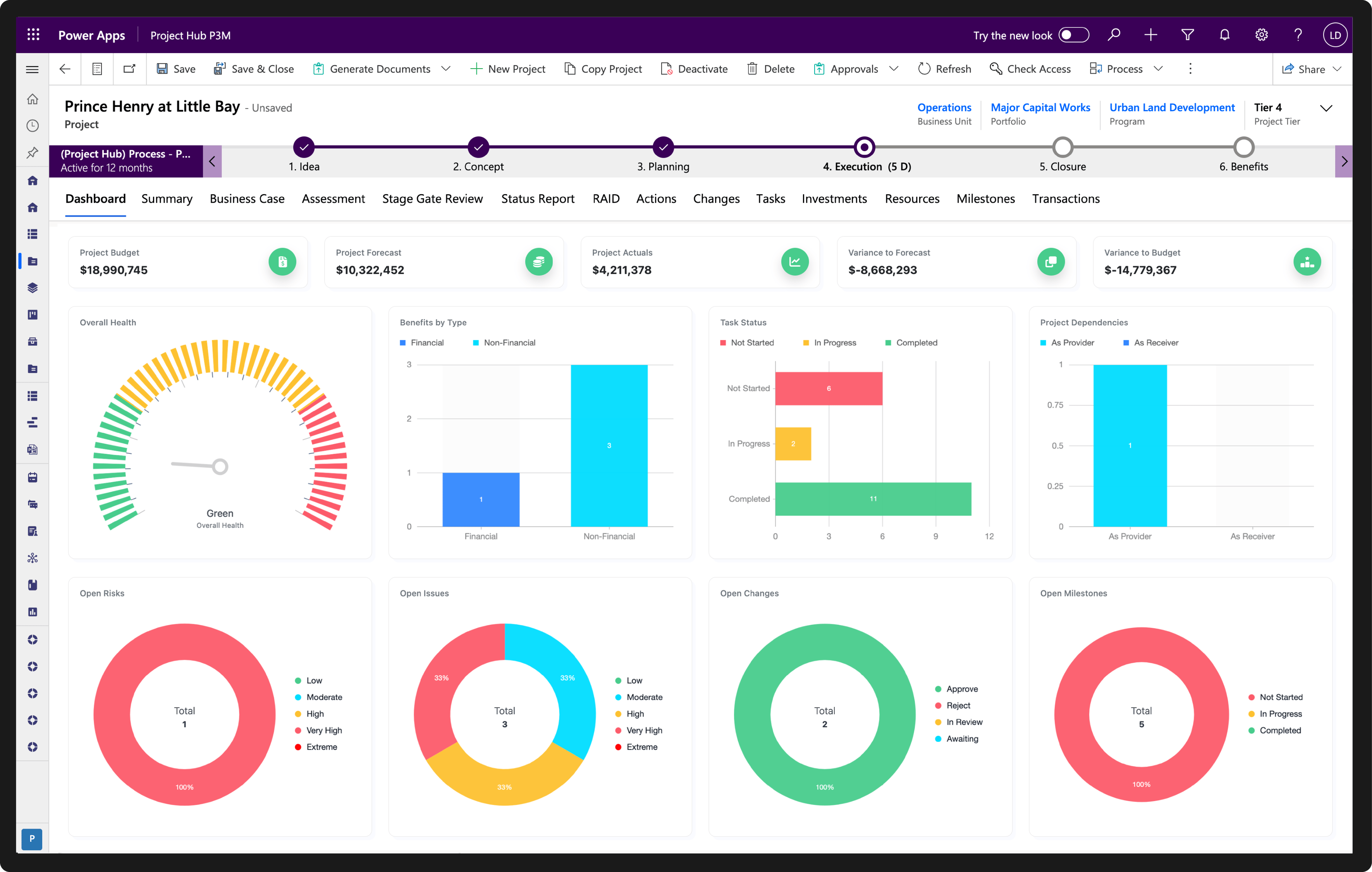
Project managers now rely on real-time analytics to sense the health of a project. Rather than waiting for a weekly status meeting to uncover issues, they utilize automated dashboards that track performance metrics against historical baselines. This transition from reactive to predictive management has solidified the project manager’s role as a strategic business partner rather than a mere administrator.
However, this increased reliance on automation does not diminish the human requirement of the role. In fact, it makes it more critical. As machines handle the data processing, the project manager is freed to focus on the human elements of delivery: stakeholder management, motivation, and strategic alignment. The human in the hub is now more of an orchestra conductor, ensuring that the symphony of automated tools and human talent plays in harmony.
Common Pitfalls and How to Avoid Them
Even with a designated project manager, the "hub" can break down. Being aware of these pitfalls is essential for anyone in this position.
- Becoming a Bottleneck: A common mistake is for the project manager to insist on being the exclusive point of contact for every trivial detail. This creates a bottleneck that slows down the team. A successful hub enables communication flows among team members while remaining informed, rather than acting as a mandatory gatekeeper for every conversation.
- Ignoring the Cultural Context: Technical delivery occurs within a corporate culture. A project manager who ignores the political landscape of their organization will struggle to get resources or executive buy-in, regardless of how organized their project plan is.
- Lack of Emotional Intelligence: Because the project manager must constantly negotiate and influence, poor interpersonal skills are a fatal flaw. You must be able to deliver bad news to leadership and manage frustration among team members without alienating either group.
Frequently Asked Questions
1. How does a project manager maintain control without micromanaging? Control is maintained through processes and clear expectations rather than constant observation. By defining roles, setting clear KPIs, and establishing a regular cadence for updates, a project manager can stay informed without hovering over team members’ shoulders.
2. What should a project manager do when two key stakeholders disagree on project priorities? The project manager must return to the original project charter and business case. By refocusing the conversation on the primary goals and the impact on the "Iron Triangle," they can move the discussion from personal preference to objective organizational needs.
3. How do I demonstrate the value of the project manager role to leadership? Show the ROI by tracking and reporting on project success metrics such as the variance between planned vs. actual budget, time-to-market performance, and the reduction in scope creep when a project manager is involved compared to when they are not.
4. Does the hub model work in Agile teams as well as Waterfall? Yes, though the implementation differs. In Agile, the project manager (often acting as a Scrum Master or Delivery Lead) serves as the facilitator of the process, ensuring the team remains unblocked and focused on the sprint goal, rather than managing the rigid, long-term plans typical of Waterfall.
5. How has AI changed the project manager’s role as the hub? AI has offloaded administrative burdens like status report generation, meeting scheduling, and basic resource tracking. This has allowed project managers to elevate their focus from "managing tasks" to "managing outcomes," enabling them to act as true strategic advisors to the business.
Taking the Next Step
To effectively act as the hub of delivery, you must prioritize visibility over volume. Start by auditing your project’s communication channels. Are you the central source of truth, or are you just one of many voices in a fragmented conversation? Consolidate your reporting, establish a clear escalation path for risks, and ensure that every team member understands their role in the broader project ecosystem. By intentionally occupying the center, you provide the stability and direction required for successful, repeatable delivery.