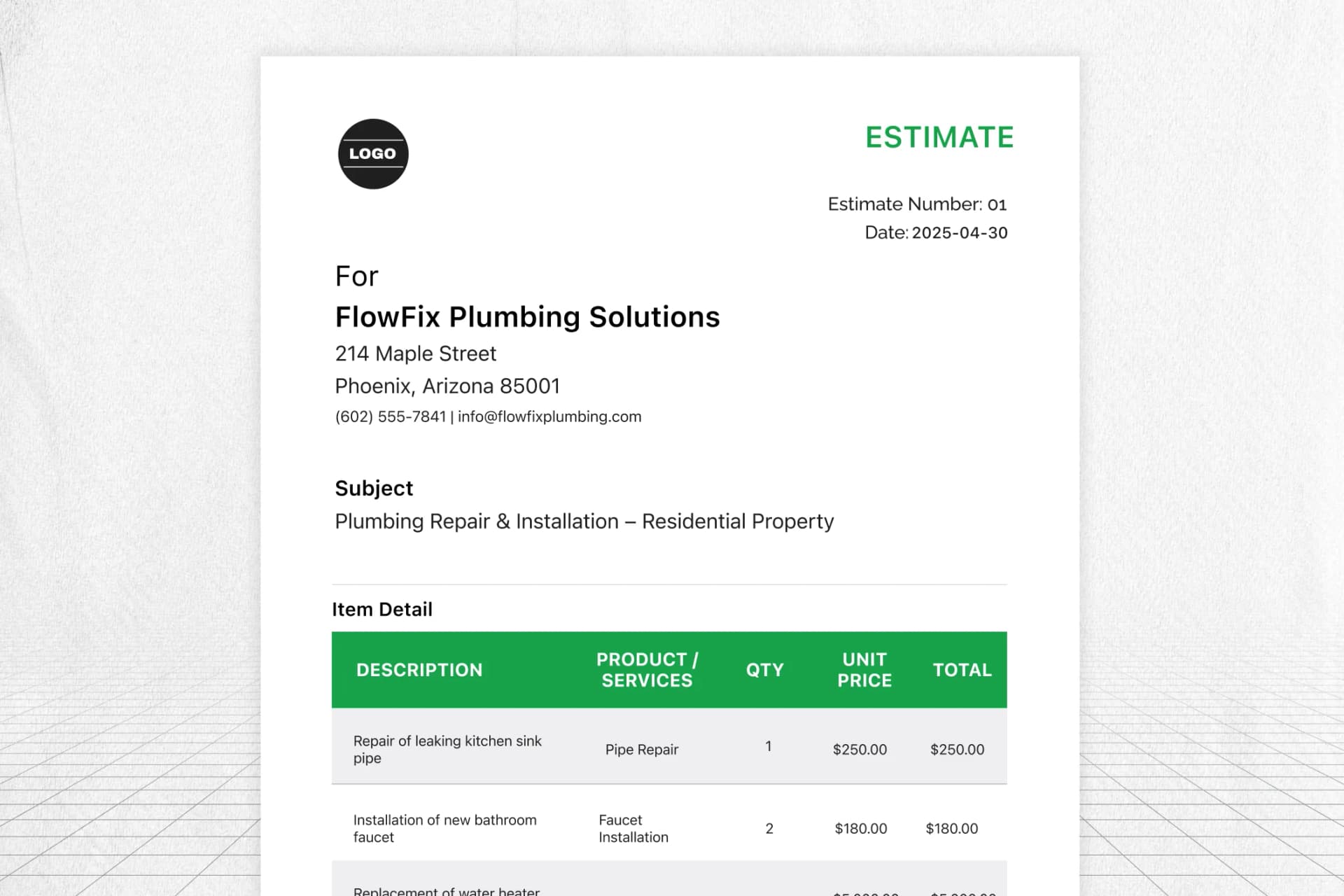
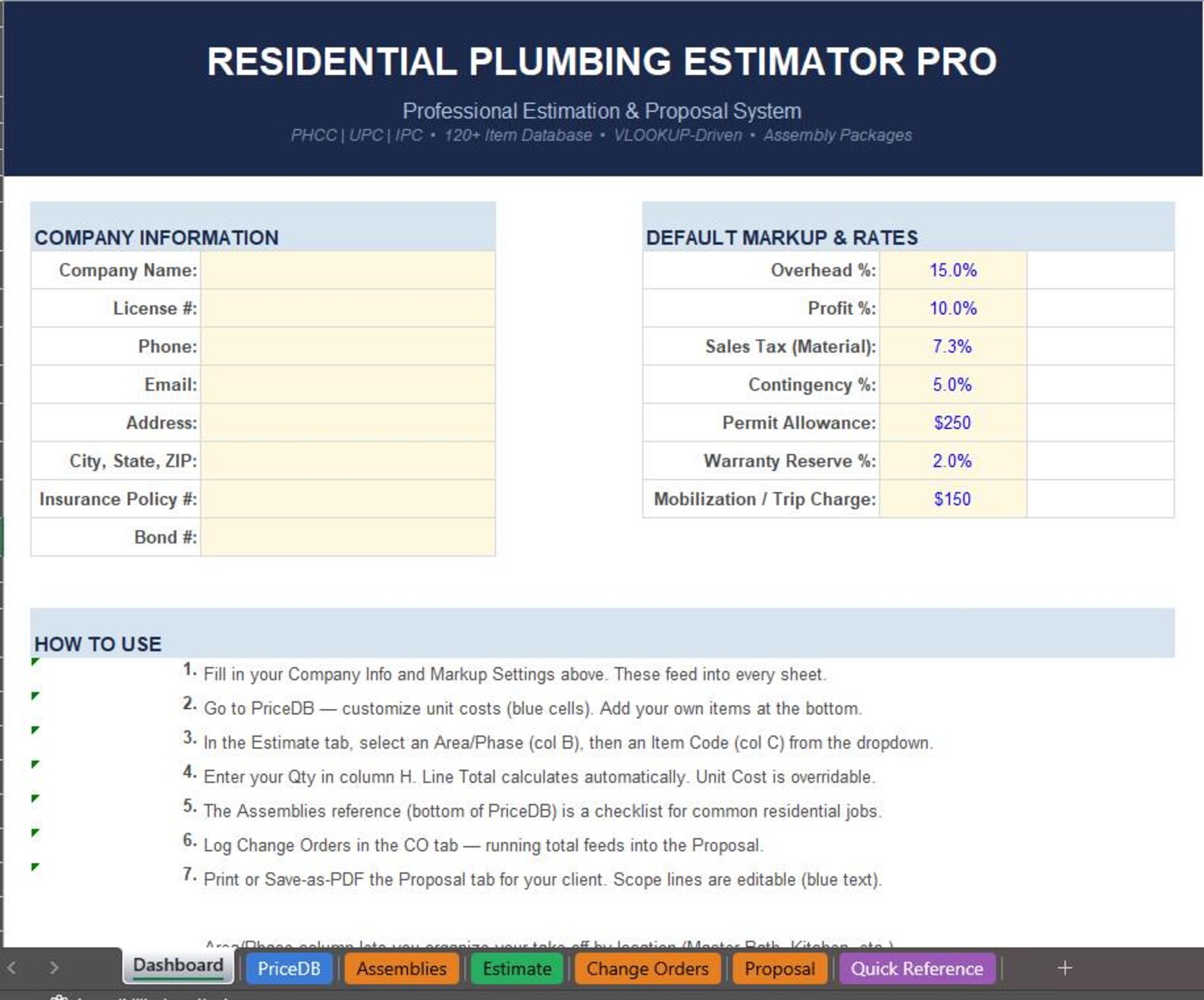
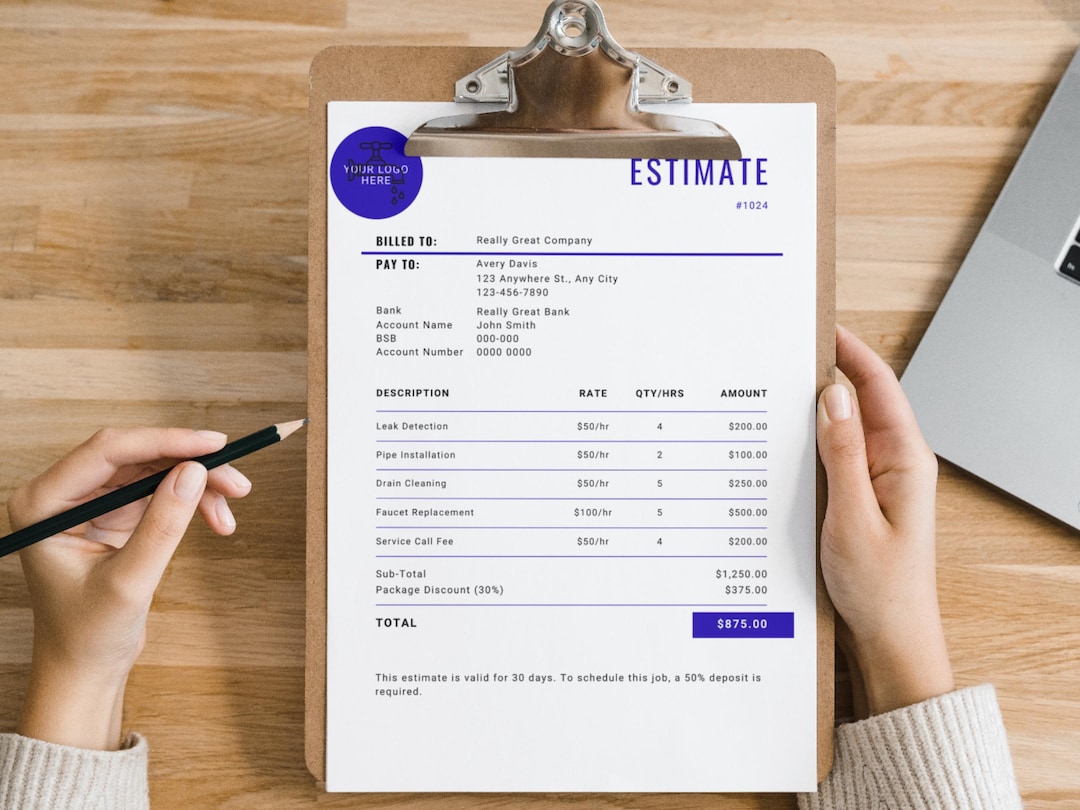
A plumbing estimate is a formal document provided by a licensed professional that outlines the projected costs, scope of work, and timeline for a specific plumbing project. It serves as a binding or non-binding financial agreement, detailing labor rates, material expenses, permit fees, and warranty terms to ensure transparency before any work begins.
The Anatomy of a Professional Plumbing Estimate
Understanding a plumbing estimate requires more than just looking at the bottom line. For homeowners in 2026, the complexity of modern high-efficiency systems and smart home integration means that estimates are more detailed than ever. A professional estimate should be transparent, organized, and specific enough to prevent "scope creep"—the gradual expansion of a project beyond its original intent.
Contractor and Homeowner Information
Every legitimate estimate begins with the basics. This includes the plumbing company’s legal name, physical address, phone number, and their state-issued contractor license number. In 2026, verifying a license is the first step in consumer protection, as it ensures the contractor carries the necessary liability insurance and workers' compensation. The estimate should also clearly state the homeowner’s contact information and the physical address where the work will be performed.
Detailed Scope of Work
This is the most critical section of the document. A vague scope of work like "fix bathroom leak" is a red flag. A professional estimate will specify the exact nature of the repair or installation. For example, it might state: "Remove and replace 15 feet of 2-inch PVC drain line behind the master shower, including the installation of a new P-trap and vent connection." This level of detail protects the homeowner by defining exactly what is included in the price.
Material Breakdown and Specifications
In an era of fluctuating commodity prices, a detailed material list is essential. The estimate should specify the types of materials being used—such as PEX-A versus PEX-B piping, or copper Grade L versus Grade M. If specific fixtures are being installed, such as a WaterSense-certified high-efficiency toilet, the model number and finish should be listed to ensure you are getting the quality you paid for.
Labor Costs and Tiers
Labor is often the largest component of a plumbing bill. In 2026, labor rates reflect the high demand for skilled trades. The estimate should clarify if the project is being billed as a "flat rate" (a set price for the entire job) or "time and materials" (hourly rates plus the cost of parts). For larger projects, the estimate may break down labor into phases, such as "rough-in plumbing" and "finish plumbing."
Detailed Plumbing Estimate Example: Main Sewer Line Repair
To help homeowners visualize a professional quote, let’s examine a hypothetical estimate for a common but significant project: a residential main sewer line replacement using trenchless technology. This example reflects typical 2026 pricing and industry standards.
Project Title: Main Sewer Line Replacement (Trenchless Pipe Bursting) Date: October 14, 2026 Estimate Number: EST-99204
| Item Description | Quantity | Unit Price | Total |
|---|---|---|---|
| Diagnostic Video Inspection: High-definition camera scan of line to locate blockage and verify pipe integrity. | 1 | $250.00 | $250.00 |
| Permits and Inspections: Municipal plumbing permit and final inspection by city official. | 1 | $175.00 | $175.00 |
| Excavation: Digging of two 4x4 access pits (launch and receiving) to reach the sewer main. | 1 | $1,200.00 | $1,200.00 |
| Trenchless Pipe Bursting: Installation of 50 linear feet of HDPE (High-Density Polyethylene) seamless pipe. | 50 ft | $95.00 | $4,750.00 |
| Connection & Testing: Connection to city main and house cleanout; pressure testing for leaks. | 1 | $600.00 | $600.00 |
| Site Restoration: Backfilling of access pits and basic surface leveling (excludes landscaping). | 1 | $400.00 | $400.00 |
| TOTAL ESTIMATED COST | $7,375.00 |
Payment Terms: 10% deposit due upon signing; 40% due at start of excavation; 50% due upon successful final inspection. Warranty: 10-year warranty on workmanship; 50-year manufacturer warranty on HDPE piping.
Factors Influencing Plumbing Costs in 2026
The cost of plumbing services is not static. Several macroeconomic and regional factors influence the numbers you see on an estimate. Understanding these variables can help homeowners determine if a quote is fair or inflated.
Material Availability and Technology
By 2026, the plumbing industry has fully embraced advanced materials like high-density polyethylene (HDPE) and smart leak-detection systems. While these materials offer superior longevity and performance, their initial cost is higher than traditional PVC or galvanized steel. Furthermore, the use of specialized equipment, such as robotic descaling tools or hydro-jetting machines, adds a "technology fee" to the estimate that covers the maintenance and capital cost of these tools.
Labor Market Dynamics
The ongoing shortage of master plumbers has led to an increase in hourly rates across North America. In 2026, homeowners can expect to pay anywhere from $125 to $300 per hour for a licensed master plumber, depending on the complexity of the task and the urgency of the call. Apprentice or journeyman rates may be lower, but complex diagnostic work usually requires a more experienced professional.
Local Building Codes and Compliance
Plumbing standards are updated regularly by the International Code Council (ICC). An estimate must reflect the cost of bringing a system up to current 2026 codes. For instance, if you are replacing a water heater, the estimate might include the mandatory installation of an expansion tank or a specific type of venting that wasn't required when your house was built. These are non-negotiable costs that ensure the safety and legality of the installation.
How to Compare Multiple Estimates
Homeowners are often advised to get at least three estimates for major projects. However, comparing them is not always as simple as looking at the total price. You must ensure you are comparing "apples to apples."
Evaluating "Low-Ball" Bids
If one estimate is significantly lower than the others, it often indicates that the contractor has omitted essential items. Common omissions include permit fees, site cleanup, or the use of sub-standard materials. A low-ball bid might also suggest that the contractor is not carrying proper insurance, which leaves the homeowner liable for any accidents that occur on the property.
Checking for Inclusive Pricing
A high-quality estimate is inclusive. It should cover everything from the initial diagnostic to the final cleanup. Ask specifically if the price includes the "restoration" of surfaces. For example, if a plumber has to cut through drywall to fix a pipe, does the estimate include patching and painting that drywall? Often, plumbers will handle the pipe but leave the wall repair to a general contractor, which is an additional cost the homeowner must budget for.
Verification of Credentials
In 2026, most reputable plumbers will include QR codes or links on their digital estimates that lead directly to their profile on the Better Business Bureau (BBB) or state licensing portals. Use these tools to verify that the company has a history of resolving complaints and maintains an "active" status with the state board.
Common "Hidden" Costs in Plumbing Projects
Even the most thorough estimate can be impacted by unforeseen circumstances once the "walls are opened." Homeowners should always maintain a contingency fund of 10-15% above the estimated price.
- Discovery of Non-Code Compliant Work: If a plumber discovers that previous work was done illegally or dangerously by a previous owner, they are often legally required to fix it before proceeding with the new task.
- Structural Obstructions: Estimates are often based on the assumption that pipes are easily accessible. If a plumber encounters unexpected concrete footings or structural beams that require rerouting, labor costs will increase.
- Emergency Surcharges: If a project that began as a scheduled repair turns into an emergency (e.g., a pipe bursts during the night), additional after-hours fees may apply.
- Permit Delays: While the permit fee is usually fixed, delays in city inspections can extend the timeline of a project, potentially leading to increased labor costs if the crew is sidelined.
Understanding Warranties and Guarantees
A plumbing estimate is not just about the cost; it is also about the protection of your investment. In 2026, standard warranties have become more robust to compete for savvy consumers.
Workmanship Warranty
This covers the labor performed by the plumber. If a newly installed joint leaks within the warranty period (typically 1 to 5 years), the plumber should return to fix it at no additional cost. Ensure the estimate specifies the duration of this warranty in writing.
Manufacturer Warranty
This covers the fixtures and parts themselves. For example, a tankless water heater might have a 12-year warranty on the heat exchanger but only a 5-year warranty on other parts. The plumber's estimate should ideally include the warranty documentation for any major appliances they provide. Note that many manufacturer warranties are voided if the product is not installed by a licensed professional contractor.
FAQs About Plumbing Estimates
Is a plumbing estimate the same as a quote?
Technically, an estimate is an educated guess of the final cost, whereas a quote is a fixed price. In 2026, many plumbers use the terms interchangeably, but it is important to ask if the price is "fixed" or if it can change based on the hours worked. Always prefer a "Not-to-Exceed" clause in your agreement to protect against spiraling costs.
Should I pay for a plumbing estimate?
Many companies offer "free estimates" for straightforward tasks, but for complex diagnostic work—such as locating a slab leak or performing a sewer camera inspection—a fee is standard. Often, if you hire the company to perform the work, they will credit the diagnostic fee toward the final bill.
How long is a plumbing estimate valid?
Due to the volatility of material costs like copper and PVC, most plumbing estimates in 2026 are valid for only 15 to 30 days. If you wait several months to start a project, you should request an updated estimate to account for any price increases in parts or labor.
Why is there such a large price difference between PEX and Copper?
Copper is a commodity that is subject to global market fluctuations and requires significant labor (soldering) to install. PEX (cross-linked polyethylene) is a flexible plastic that is cheaper to manufacture and faster to install because it requires fewer fittings. While copper is known for its 50+ year lifespan, high-quality PEX-A is now considered a durable, cost-effective alternative in most residential applications.
What should I do if the final bill is higher than the estimate?
Review the "Change Order" section of your contract. A plumber should never perform additional work that increases the cost without your written or verbal consent. If the discrepancy is due to unforeseen complications, a reputable plumber will explain the issues and provide a revised estimate before proceeding.
Does homeowners insurance cover plumbing repairs?
Typically, homeowners insurance covers the damage caused by a sudden pipe burst (like ruined flooring), but it rarely covers the repair of the plumbing itself. Maintenance issues or gradual leaks are generally not covered. However, it is always worth checking your policy or contacting your agent before signing a large estimate.
Practical Recommendation for Homeowners
When you receive a plumbing estimate, do not simply look at the total. Read every line of the scope of work and the terms and conditions. If a detail is missing—such as who is responsible for hauling away the old water heater or who pays for the city permit—ask the plumber to add it to the document. A professional contractor will have no problem being specific. Finally, always ensure that the estimate includes a clear payment schedule; never pay 100% of the cost upfront. In 2026, using digital payment platforms that offer consumer protection is the safest way to handle these transactions.