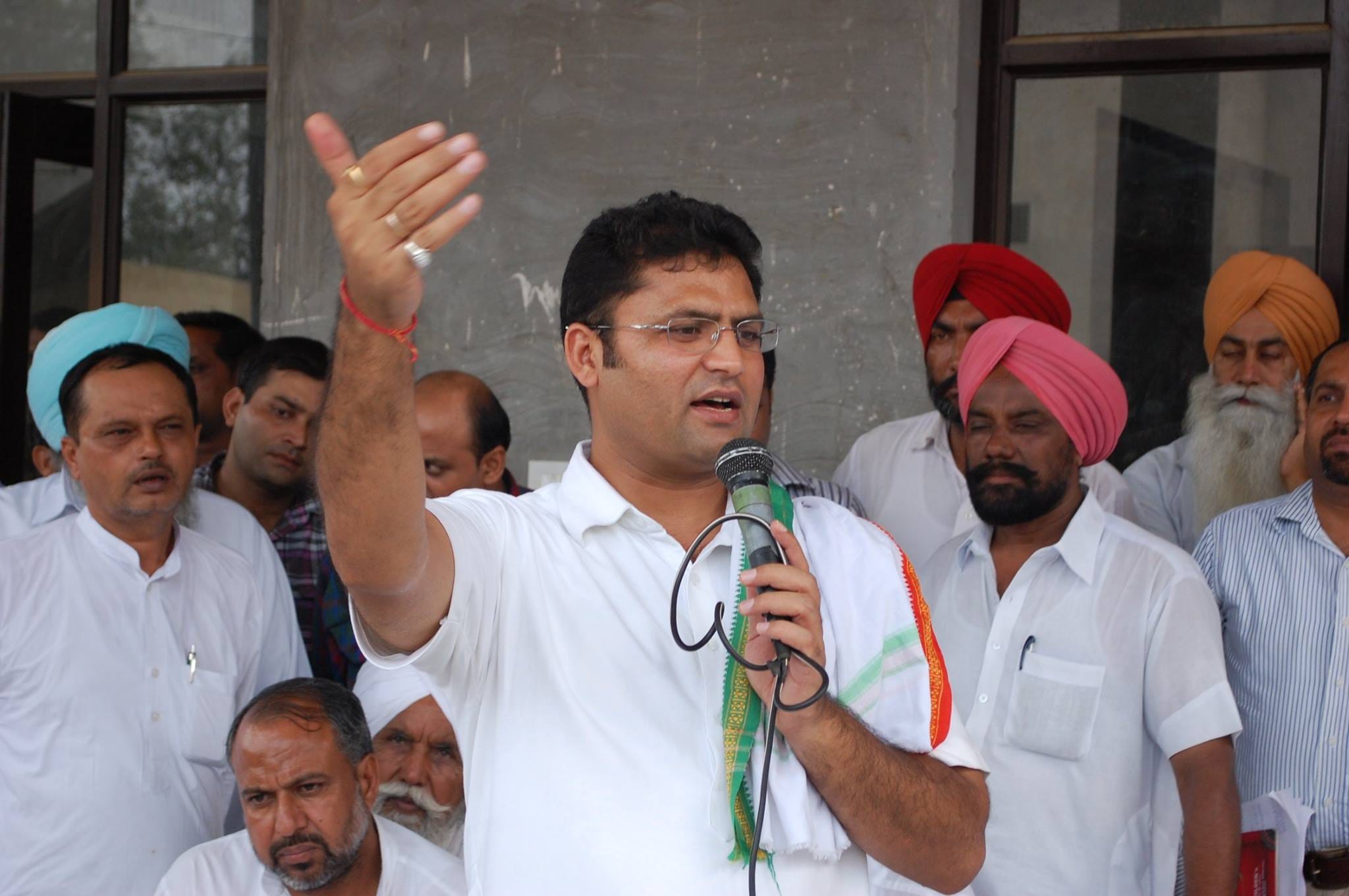
Ashok Tanwar’s financial profile and declared assets provide a window into the intersection of public service, political careers, and mandatory wealth declarations in India. As a prominent political figure who has navigated various parties within the Indian political landscape—including the Indian National Congress, the All India Trinamool Congress, the Aam Aadmi Party, and the Bharatiya Janata Party—his financial disclosures submitted during election nomination cycles offer verified figures regarding his movable and immovable properties. Analyzing these official affidavits gives citizens and researchers a clear, transparent view of his declared wealth, liabilities, and financial evolution over successive electoral cycles.
The Context of Political Wealth Disclosures in India
Evaluating the financial status of public figures in India requires relying on statutory disclosures mandated by the Election Commission of India (ECI). Whenever a candidate files nomination papers for Lok Sabha or Vidhan Sabha elections, they must submit a sworn affidavit under Form 26. This legal document details their assets, liabilities, educational background, and any pending criminal cases.
For observers tracking figures like Ashok Tanwar, these affidavits represent the gold standard of financial verification. Rather than relying on speculative estimates or unverified media reports, political financial analysis focuses strictly on these legal filings. These documents partition wealth into two primary categories: movable assets (such as cash, bank deposits, vehicles, jewellery, and investments) and immovable assets (such as agricultural land, non-agricultural land, commercial buildings, and residential properties). Furthermore, these declarations outline any financial liabilities, including loans from banks, dues owed to public financial institutions, and liabilities owed to private individuals.
Overview of Ashok Tanwar’s Political Career and Financial Evolution
Ashok Tanwar’s political trajectory has spanned multiple decades, marked by leadership roles within youth politics, parliamentary representation, and organizational responsibilities across various states. Born in Chhatesra village in the Sirsa district of Haryana, his rise through the ranks of the Indian Youth Congress and subsequent election to the 15th Lok Sabha from the Sirsa constituency established his footprint in national politics.
A political career of this magnitude typically correlates with a documented evolution in personal assets. Over successive electoral filings, political analysts trace how a leader's movable and immovable holdings change. While initial affidavits from earlier decades often reflect modest holdings inherited or accumulated through early professional and political engagements, subsequent filings during later state and national electoral bids capture the acquisition of residential assets, vehicle ownership updates, and variations in bank holdings and investments.
To understand the scope of Ashok Tanwar's declared wealth, it is essential to look at the structural components that make up a typical Indian politician’s asset portfolio as recorded in official election affidavits.
| Asset Category | Description in ECI Affidavits | Typical Components in Political Filings |
|---|---|---|
| Movable Assets | Liquid and semi-liquid personal holdings | Cash in hand, bank balances, mutual funds, bonds, gold, silver, vehicles, and insurance policies. |
| Immovable Assets | Real property holdings | Inherited or self-acquired agricultural land, commercial plots, residential houses, and apartments. |
| Liabilities | Outstanding financial obligations | Bank loans, vehicle loans, mortgages, dues to government bodies, and private borrowings. |
| Source of Income | Declared professional earnings | Salary as a parliamentarian/legislator, agricultural income, business proceeds, and professional fees. |
Analyzing Movable and Immovable Assets
When reviewing the financial affidavits associated with Ashok Tanwar across various election cycles, the composition of assets highlights typical patterns seen among established Indian politicians. Movable assets generally comprise bank accounts held in nationalized and scheduled banks, investments in financial instruments, and personal valuables like gold and silver jewellery. In accordance with statutory requirements, these entries list both self-owned assets and those held by a spouse or dependents.
Immovable assets, conversely, form the bulk of the declared net worth value. In Haryana and the National Capital Region (NCR), real estate holdings often include ancestral properties in native villages as well as self-acquired residential or commercial real estate in urban centers like Sirsa, Gurugram, or New Delhi. Election affidavits require politicians to state the purchase price as well as the approximate current market value of these properties at the time of filing, providing a comparative metric for asset growth.
Understanding Liabilities and Financial Obligations
A comprehensive assessment of net worth is incomplete without examining liabilities. In statutory affidavits, liabilities represent the total debt burden carried by the individual and their family members. These can range from commercial bank loans taken for vehicle purchases or housing construction to unsecured loans from family members or political associates. Comparing total assets against total liabilities yields the net declared worth for a specific assessment year. For leaders with long-standing public careers, liabilities often fluctuate based on ongoing real estate acquisitions or business investments.
Factors Influencing Perceptions of Politician Net Worth
Public curiosity surrounding the net worth of political figures often leads to confusion between official disclosures and speculative media valuations. Several distinct factors explain these discrepancies:
- Market Valuation vs. Purchase Price: Election affidavits often list the historical acquisition cost alongside the estimated current market value. Real estate appreciation over decades can dramatically shift estimated market worth without requiring new cash acquisitions.
- HUF and Family Holdings: Affidavits distinguish between personal property, property held under a Hindu Undivided Family (HUF) structure, and assets owned independently by a spouse. Total household wealth is frequently aggregated by public commentators, whereas legal ownership may be split.
- Inflation and Asset Realignment: Over multi-decade careers, macroeconomic inflation, shifting interest rates, and the monetization of agricultural land near expanding urban centers naturally alter the nominal value of declared assets.
Frequently Asked Questions
What is the primary source of data for Ashok Tanwar’s net worth?
The primary and most reliable source of data regarding Ashok Tanwar’s financial status is the official affidavit submitted to the Election Commission of India during his parliamentary and assembly election nominations. These legally binding documents provide itemized lists of movable and immovable assets.
Are political net worth figures subject to regular public updates?
Yes. Political figures are legally required to submit updated financial affidavits every time they contest an election. Consequently, comprehensive updates to their declared assets and liabilities become publicly accessible during each election cycle.
Do election affidavits include the assets of family members?
Election affidavits mandate the disclosure of assets and liabilities held by the candidate, their spouse, and any dependent children. This ensures a comprehensive financial overview of the household rather than just the individual politician.
How do immovable assets impact a politician's declared net worth?
Immovable assets, such as agricultural land, commercial spaces, and residential buildings, usually constitute the highest financial value within a politician's portfolio. Changes in real estate market values heavily influence the overall upward or downward trajectory of declared net worth across different election filings.
Where can citizens view these financial disclosures?
Citizens and researchers can access verified copies of election affidavits through portals managed by the Election Commission of India or through independent election watchdogs like the Association for Democratic Reforms (ADR) and MyNeta, which digitize and publish these public records.
Next Actions and Verification Guidance
For individuals seeking precise, up-to-date financial figures regarding Ashok Tanwar or any other Indian political figure, relying on verified institutional databases is essential. Avoid unverified social media claims or sensationalized financial blogs that lack primary documentation. Instead, consult the official candidate affidavits hosted on the Election Commission of India's website or review structured summaries provided by non-partisan electoral research organizations. Always check the specific filing date of the affidavit to ensure the financial data reflects the correct electoral cycle.