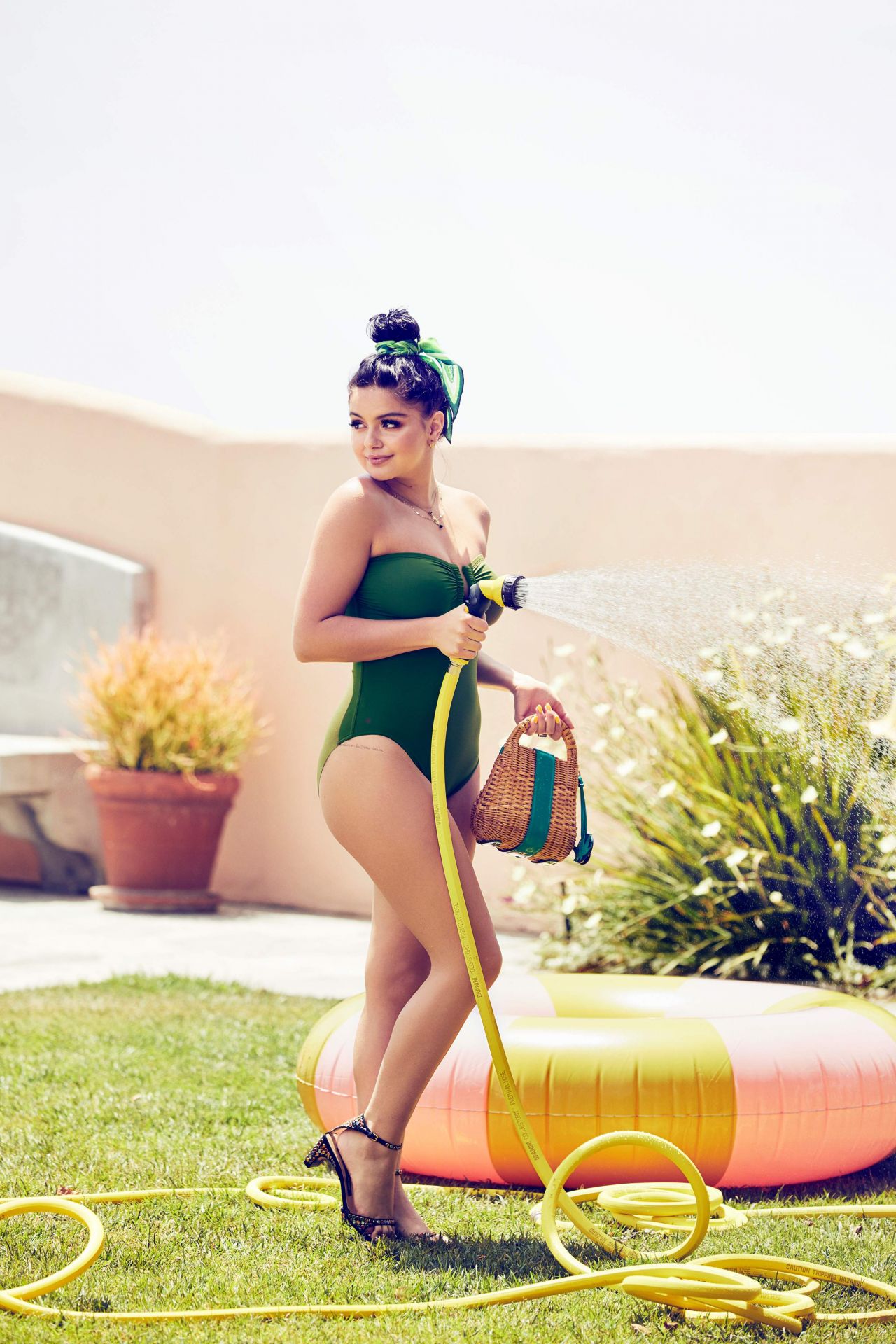
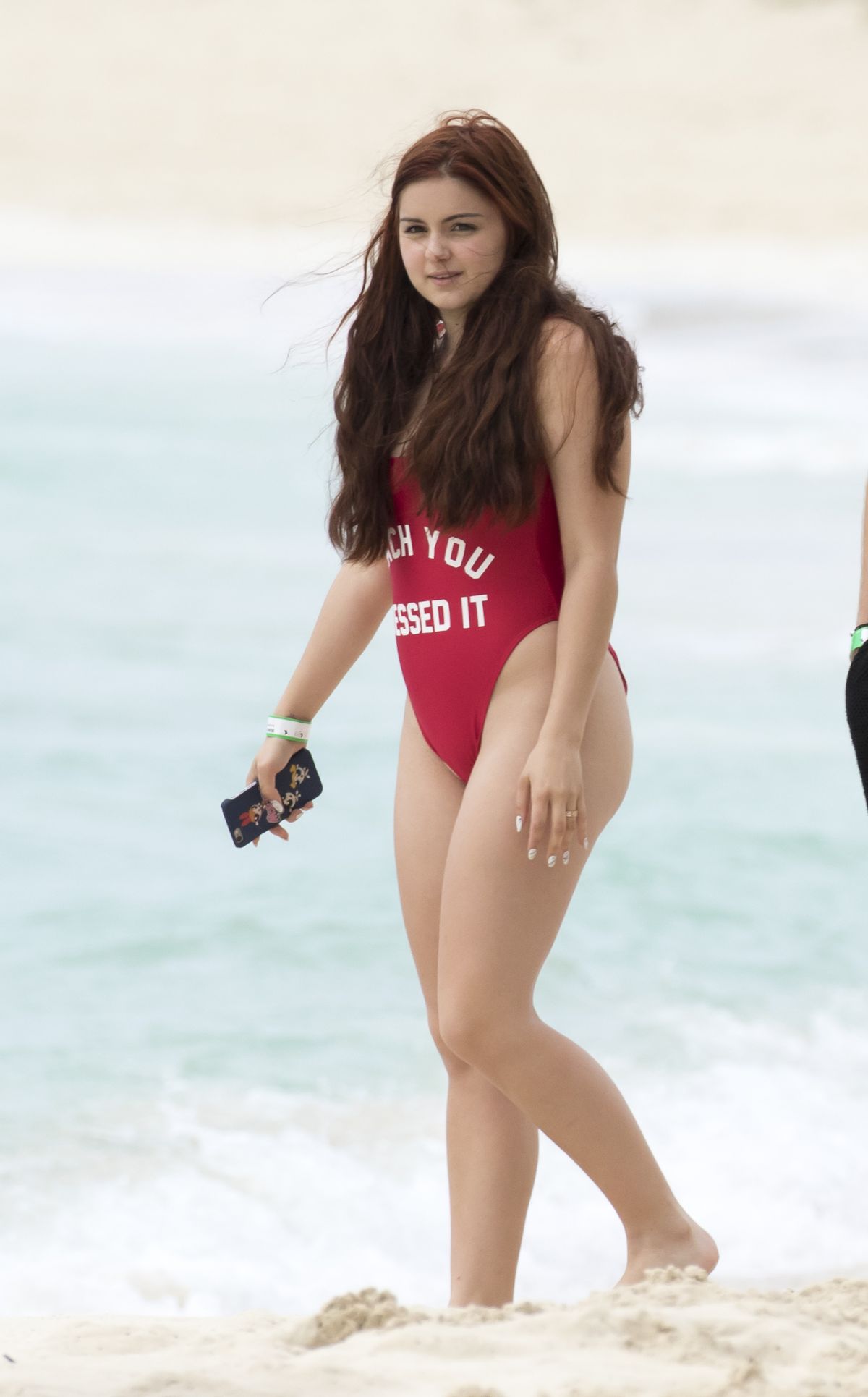
Ariel Winter’s swimsuit design choices prioritize structural support, body-positive silhouettes, and a blend of minimalist and high-fashion aesthetics. Her signature look often incorporates high-cut leg openings to elongate the frame, daring monokini cut-outs to accentuate the waist, and a preference for bold solid colors or classic animal prints that emphasize confidence and personal comfort.
As we look at the fashion landscape in 2026, Ariel Winter remains a pivotal figure in the conversation surrounding body positivity and functional celebrity fashion. Her journey from the star of Modern Family to a style icon has been heavily documented through her choices in swimwear. These choices are not merely about following trends; they are technical decisions based on fit, fabric tension, and the balance of proportions. Understanding her design preferences provides a roadmap for those looking to combine high-fashion aesthetics with the practical needs of a curvy or petite-yet-curvy physique.
The Evolution of Style: Pre- and Post-2015 Influence
To understand Ariel Winter’s current swimsuit design choices, one must look at the 2015 turning point. Winter has been remarkably candid about her breast reduction surgery, a decision driven by physical discomfort and the difficulty of finding clothes—especially swimwear—that fit correctly.
Before this period, her swimsuit choices were often restricted by the need for extreme structural support, frequently resulting in designs that felt older than her actual age or overly industrial. Post-surgery, her design choices shifted toward "aesthetic freedom." In 2026, we see the culmination of this evolution: a wardrobe that celebrates the body rather than attempting to hide or merely contain it. She moved away from heavy, wide-strap utilities toward delicate spaghetti straps, strapless bandeau tops, and intricate back detailing that was previously impossible to wear comfortably.
Architectural Silhouettes: The High-Cut Leg and Proportions
One of the most consistent technical elements in Ariel Winter’s swimsuit design choices is the high-cut leg. Standing at approximately 5’1”, Winter uses this specific design feature to create the illusion of height.
The Elongation Effect
By raising the leg opening toward the hip bone, the swimsuit exposes more of the thigh and hip area. This breaks the horizontal line that a traditional "boy-cut" or "standard-cut" bikini bottom creates. In fashion theory, this vertical exposure draws the eye upward, making the legs appear several inches longer than they are.
Waist Emphasis
When combined with a high-waisted bottom or a monokini with side cut-outs, the high-cut leg creates an hourglass emphasis. Winter frequently chooses pieces that utilize "v-shaped" waistlines. This design choice narrows the appearance of the midsection while highlighting the natural curve of the hips, a hallmark of her 2024–2026 "summer-core" aesthetic.
The Monokini: Balancing Coverage and Exposure
The monokini—a hybrid between a one-piece and a bikini—is perhaps Winter’s most frequent choice for public appearances and social media features. This design choice serves a dual purpose: it provides the security and torso-shaping of a one-piece while offering the visual "skin-to-fabric" ratio of a bikini.
Strategic Cut-outs
Winter’s monokini choices often feature "negative space" around the obliques. Technically, this acts as a contouring tool. Darker fabrics or textured materials on the front panel, contrasted with open sides, create a shadow effect that streamlines the torso. For someone with a curvy figure, these cut-outs allow for movement without the "pinching" that sometimes occurs at the waistband of traditional two-piece sets.
Hardware and Embellishments
In recent seasons leading into 2026, Winter has trended toward minimalist hardware. Instead of heavy plastic buckles, she opts for thin gold rings or "O-ring" connectors. These functional elements join the top and bottom pieces of a monokini, adding a touch of "yacht-chic" luxury without adding bulk to the silhouette.
Fabric Selection and Texture Engineering
The "why" behind a swimsuit's success often lies in the textile. Winter’s design choices reflect a deep understanding of fabric weight and elasticity.
- Ribbed Fabrics: A staple in her 2025 and 2026 collections. Ribbed spandex blends provide more "hold" than flat-finish fabrics. The vertical lines of the ribbing offer a subtle slimming effect and hide minor imperfections in the fabric's tension over the body.
- Metallic Sheen: Winter frequently experiments with "liquid-look" fabrics. These materials reflect light in a way that emphasizes muscle tone and skin glow. However, she typically balances the high-shine fabric with a very simple, clean-cut design to avoid looking over-embellished.
- Double-Lining and Compression: To achieve the smooth look seen in her photography, Winter prioritizes high-denier fabrics. Double-lining is essential in her lighter-colored choices (white, peach, or neon yellow) to ensure opacity and provide a level of light compression that acts similarly to shapewear.
Color Palettes: From Neons to Earthy Neutrals
Ariel Winter’s color choices are rarely accidental. They generally fall into three distinct categories based on the setting and the desired "mood" of the design.
Neon and High-Saturation
Winter often utilizes neon pinks, electric blues, and lime greens. These colors serve to highlight a tan and project a youthful, energetic persona. Technically, high-visibility colors draw the eye to the entire silhouette, which works well when the swimsuit's cut is precisely tailored.
Classic "Noir" and Minimalism
Black remains her most frequent choice for "timeless" looks. A black swimsuit is the ultimate tool for silhouette control. When Winter chooses black, she often goes for more daring cuts—deeper necklines or thinner straps—knowing that the color provides a sense of sophisticated restraint that balances the skin exposure.
Animal Prints and Textures
Occasionally, Winter opts for leopard or zebra prints. The design choice here is about "breaking up" the visual plane. Busy patterns are excellent for camouflaging seam lines and providing a cohesive look that doesn't focus the eye on any single body part, but rather the overall ensemble.
Technical Comparison of Favorite Styles
The following table breaks down the technical attributes of the swimsuit styles most associated with Ariel Winter’s public fashion profile.
| Style Category | Primary Design Feature | Best Suited For | Technical Benefit |
|---|---|---|---|
| The High-Leg One-Piece | Hip-bone cutouts | Petite/Curvy frames | Maximizes leg length and verticality. |
| The Ring-Linked Monokini | O-ring hardware | Hourglass shapes | Provides structural stability with visual flair. |
| The Triangle String Bikini | Adjustable sliders | Sunbathing/Low-impact | Allows for custom cup-width and minimal tan lines. |
| The Underwire Demi-Cup | Internal support structure | Larger busts/Post-surgery | Offers lift and "separation" for a structured look. |
| The Ribbed Scoop Neck | Vertical knit texture | Active swimming | High durability and superior fabric "snap-back." |
The Role of Support: Post-Reduction Functionality
Even after her breast reduction, support remains a critical factor in Winter’s design choices. However, the type of support has changed. She no longer relies on thick, industrial-grade underwires. Instead, she utilizes:
- Wide Under-Bust Bands: Many of her bikini tops feature a 1-inch or wider elastic band beneath the cups. This distributes the weight of the bust across the ribcage rather than hanging it entirely from the shoulder straps.
- Halter Ties: By using thicker halter neck ties, the weight is distributed across the trapezius muscles, providing a natural lift that enhances the "plunge" effect of many of her chosen necklines.
- Darted Cups: Rather than using removable foam pads—which can shift and look unnatural—Winter often chooses suits with sewn-in darts. This construction technique creates a permanent shape that conforms to the body’s natural curves.
Replicating the Look: Practical Tips for 2026
If you are looking to adopt the Ariel Winter approach to swimwear, focus on the "architecture" of the suit rather than just the color.
- Check the Side Seam: For the "Winter-esque" leg elongation, look for side seams that angle upward. If the seam is horizontal, it will shorten your legs.
- Prioritize Fabric Weight: Avoid thin, single-layer polyester. Look for nylon-spandex blends with a weight of at least 200 GSM (grams per square meter). This ensures the suit retains its shape when wet.
- Balance the "Reveal": Winter’s most successful looks follow a simple rule: if the bottom is high-cut and revealing, the top is often a more stable scoop or square neck. If the top is a daring plunge, the bottom might be a more classic high-waisted cut.
- Embrace "Invisible" Support: You don't need visible wires to get a lifted look. Look for "internal power mesh" lining, a common feature in high-end 2026 swimwear that provides invisible shaping.
Common Mistakes to Avoid
When attempting to mirror these design choices, several common pitfalls can occur:
- Incorrect Torso Length: Monokinis are notoriously difficult for those with very long or very short torsos. If the "link" between the top and bottom is too short, it will pull the shoulders down; if too long, the fabric will sag at the waist.
- Over-sizing for Coverage: Many people buy a size too large to feel "covered," but in swimwear, extra fabric leads to sagging and "bubbling." Following Winter's lead means buying the size that fits the narrowest part of your body and letting the cut (like a high-leg) do the work of showing skin.
- Neglecting the Back View: Winter’s suits are often just as detailed in the back as the front. Multi-strap "caged" backs provide extra points of tension, which actually helps the front of the suit stay in place.
Frequently Asked Questions
What brand of swimsuits does Ariel Winter usually wear?
Ariel Winter has been seen in a variety of brands ranging from high-street labels like Aerie and Target to designer pieces from Frankie’s Bikinis and Beach Bunny Swimwear. She often favors brands that specialize in "inclusive sizing" that doesn't sacrifice trendy aesthetics for support.
How does she achieve the "elongated leg" look in photos?
Beyond the design choice of the high-cut leg, the look is often enhanced by "posing on the toes" or extending one leg forward. However, the technical merit of the high-hip cut is the primary factor, as it removes the horizontal line that typically "cuts" the leg off at the mid-thigh.
Are her swimsuit choices suitable for active swimming?
While many of her monokinis are "lifestyle" pieces suited for lounging or light wading, her ribbed one-pieces and scoop-neck bikinis are designed with higher-performance fabrics. For active swimming, she typically chooses designs with wider straps and fewer "loose" hardware elements.
Has her style changed significantly in 2026?
In 2026, her style has matured into what many call "Quiet Luxury Swim." While she still embraces bold cuts, there is a greater focus on high-quality textures, earthy tones (like terracotta and sage), and sophisticated "wrap" designs that offer more versatility than the neon string bikinis of her earlier years.
What is the most important factor in her "body positive" styling?
The most important factor is fit over fashion. Winter’s design choices demonstrate that when a garment is tailored or chosen for a specific body type—rather than trying to force a body into a trend—the result is inherently more confident and stylish.
Final Recommendation: Finding Your Cut
Ariel Winter’s swimsuit design choices serve as a masterclass in understanding personal proportions. If you have a petite or curvy frame, the high-cut leg and the structured monokini are your most effective tools for 2026. Prioritize fabrics with high elastic recovery (like ribbed knits) and don't shy away from "structural" elements like wide under-bands or halter ties. The goal is to find a suit that feels like a "second skin"—providing enough security that you can move freely while highlighting your favorite features through strategic cut-outs and bold color choices.