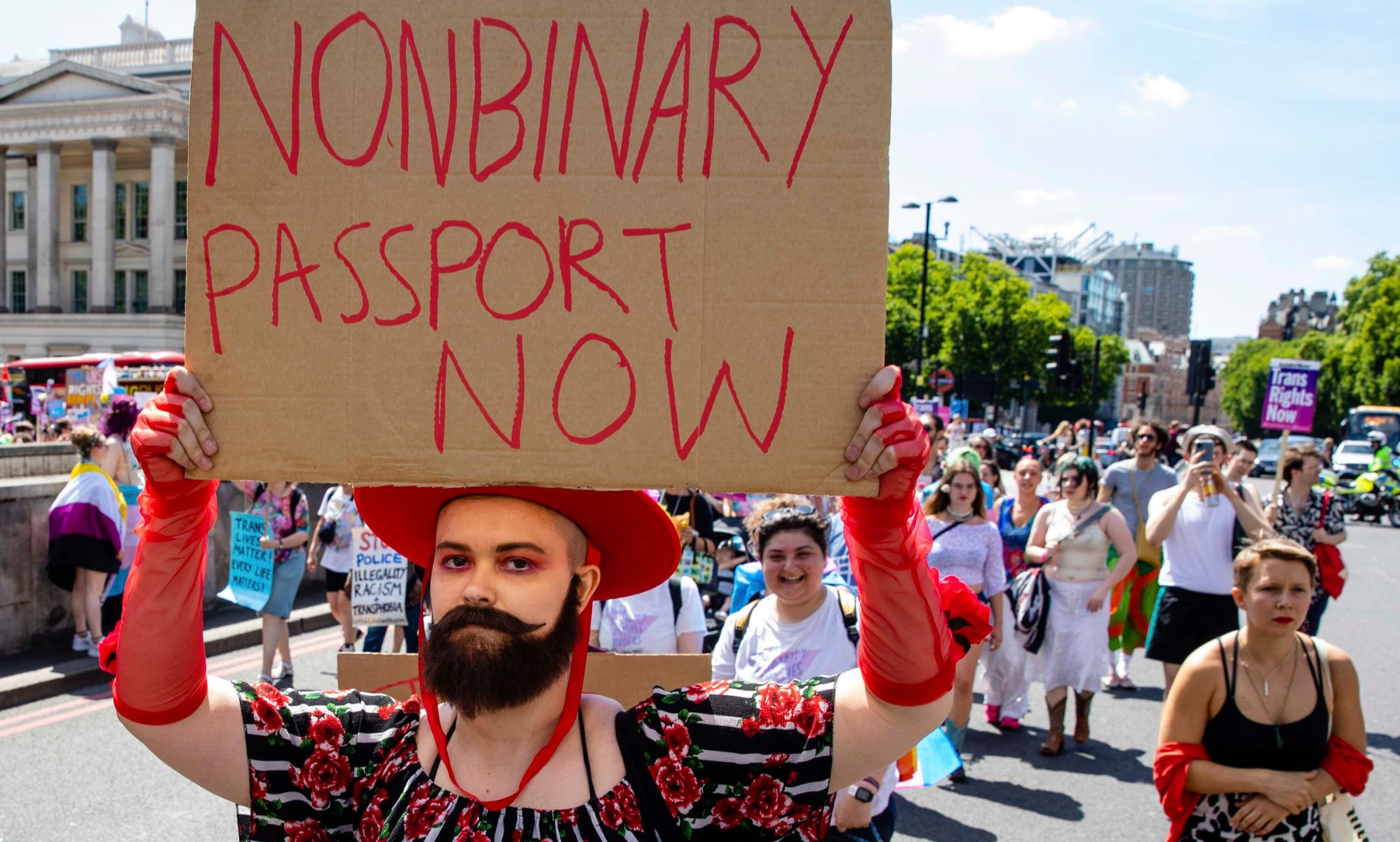
Ari Kytsya’s public journey offers a clear window into the nuanced process of understanding and expressing a non-binary gender identity. Navigating life outside traditional male and female binaries involves deep self-reflection, social adjustments, and personal redefinitions that challenge societal expectations of gender expression.
Understanding Non-Binary Identity
A non-binary identity encompasses any gender that does not fit strictly within the traditional binary categories of exclusively man or woman. For individuals like Ari Kytsya, recognizing this reality often begins long before public disclosure or social transition. Society typically assigns gender at birth based on external anatomy, setting up a binary framework that governs everything from clothing styles and legal documents to social pronouns and behavioral expectations.
When an individual realizes that this assigned framework does not align with their internal sense of self, a process of introspection begins. This realization is rarely a sudden epiphany; rather, it is often a gradual accumulation of moments where traditional gender roles feel restrictive, inaccurate, or entirely foreign. Exploring a non-binary identity requires untangling personal preferences from cultural conditioning. It involves asking fundamental questions about identity: Who am I outside of what society expects me to be? How do my mind, spirit, and presentation intersect? By examining these questions, individuals carve out a linguistic and conceptual space for themselves where none previously existed in their immediate social environment.
The Role of Personal Expression and Public Visibility
For public figures and content creators like Ari Kytsya, gender exploration often plays out in the public eye. This visibility introduces a distinct set of dynamics, blending personal authenticity with public commentary.
- Internal Realization
- Private Exploration
- Social Expression
- Public/Digital Sharing
Public figures navigate their identities while interacting with audiences who may or may not understand the complexities of non-binary life. Digital platforms offer a double-edged sword for gender exploration:
- Community Building: Finding like-minded individuals who share similar experiences validates one's feelings and reduces isolation.
- Audience Scrutiny: Public visibility invites constant commentary on physical appearance, clothing choices, and pronoun usage.
- Control Over Narrative: Creators can document their journeys on their own terms, educating followers and dispelling myths about non-binary identities.
When someone in the public sphere shifts their presentation—whether through changes in hairstyle, wardrobe, or mannerisms—it serves as a visual marker of their internal evolution. For followers observing Ari Kytsya, these shifts highlight that gender expression is fluid and personal, rather than a static destination.
Navigating Social Recognition and Language
One of the most practical challenges on the path to a non-binary identity is navigating social recognition. Language plays a powerful role in validating a person's existence, yet standard grammar and social conventions are deeply rooted in binary structures.
Pronoun Shifts and Linguistic Adjustments
Pronouns are often the first friction point in social interactions. While traditional third-person pronouns (he/him and she/her) reinforce the binary, non-binary individuals may adopt they/them pronouns or neopronouns such as ze/zir. Adopting these pronouns requires conscious effort from friends, family, and followers. The adjustment period highlights how deeply ingrained binary language is in daily communication.
Social Dynamics and Relationships
Beyond language, interpersonal relationships often undergo a recalibration. Friends and family members may experience a learning curve, moving from initial confusion to eventual acceptance. For public personalities, this dynamic extends to professional partnerships and follower interactions. Establishing boundaries and educating others becomes an ongoing task, requiring emotional labor that is rarely acknowledged by casual observers.
Comparing Gender Identities and Expressions
To better understand where non-binary identities fit within the broader spectrum of gender diversity, it is helpful to compare common terms and concepts often encountered in these discussions.
| Term | Definition | Primary Focus |
|---|---|---|
| Cisgender | An identity where a person's internal sense of gender matches the sex they were assigned at birth. | Alignment with assigned birth sex. |
| Transgender | An umbrella term for people whose gender identity differs from the sex they were assigned at birth. | Movement across or away from assigned binary categories. |
| Non-Binary | An umbrella identity for those whose gender falls outside the strict man/woman binary. | Rejection of binary constraints; living outside traditional categories. |
| Gender Fluid | A gender identity that shifts or changes over time rather than remaining fixed. | Dynamic, changing experience of gender. |
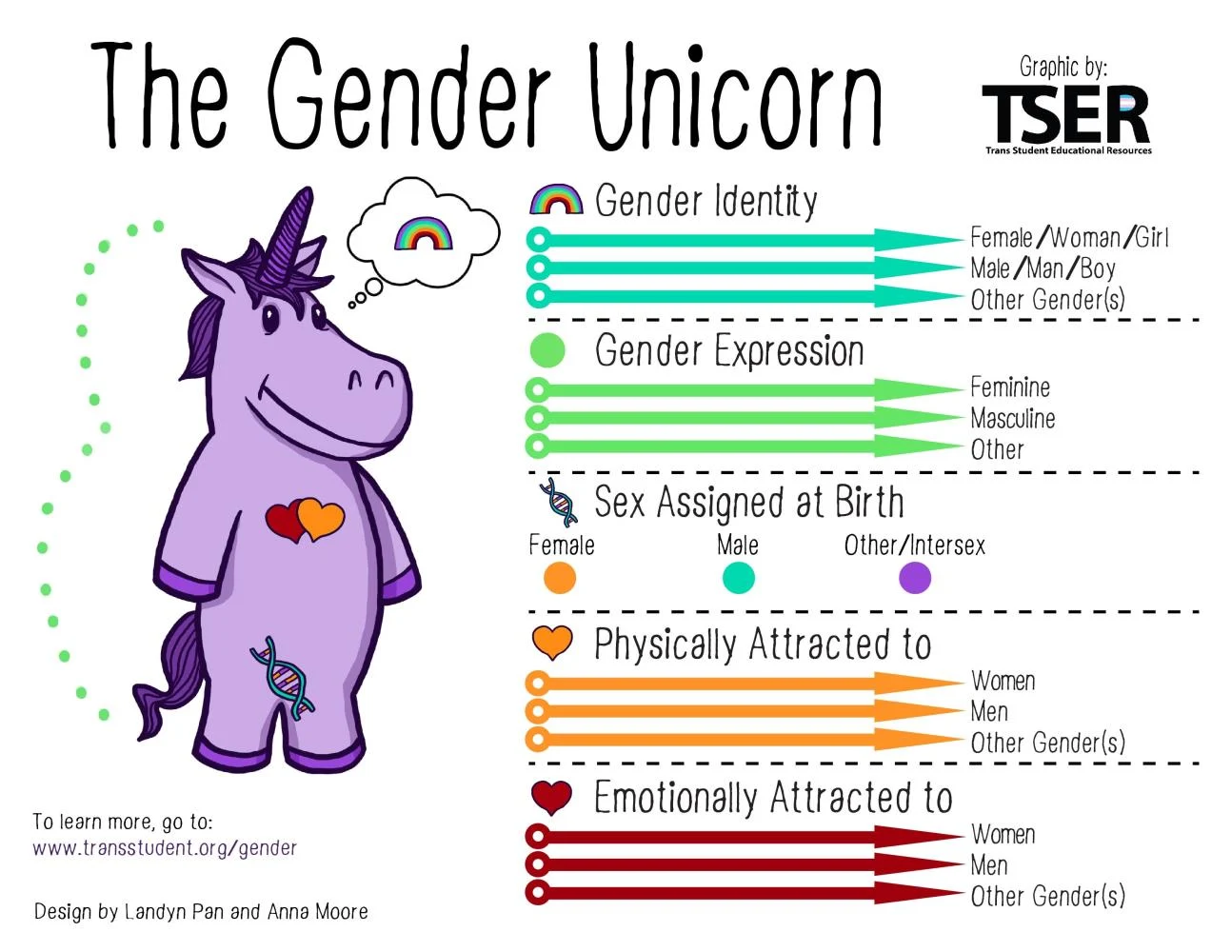
| Gender Expression | The external manifestation of a person's gender through clothing, hair, demeanor, and voice. | Presentation and communication to the outside world. |
This comparison illustrates that non-binary identity is distinct from mere gender expression. While someone's presentation might fluctuate, a non-binary identity represents an internal framework of self-understanding.
Common Misconceptions About Non-Binary Journeys
Misunderstandings about non-binary identities frequently stem from a lack of education and the persistence of rigid cultural norms. Addressing these misconceptions is essential for fostering accurate public understanding.
The Myth of the "In-Between" State
A common error is viewing non-binary identities as a temporary stepping stone between being a man and being a woman. In reality, non-binary identities are complete and valid endpoints in themselves, not transition phases toward a binary outcome.
Confusing Gender Identity with Sexual Orientation
Gender identity refers to who a person is internally, while sexual orientation refers to who a person is attracted to. A non-binary person can hold any sexual orientation, including heterosexual, homosexual, bisexual, asexual, or pansexual. Conflating these two distinct aspects of identity creates unnecessary confusion.
Assuming a Uniform Presentation
There is no singular "look" for a non-binary person. Some individuals adopt androgynous presentations, while others lean into hyper-feminine or hyper-masculine aesthetics. Presentation is a personal choice and does not validate or invalidate a person's non-binary identity.
Frequently Asked Questions
What does it mean to be non-binary?
Being non-binary means having a gender identity that does not fit neatly into the categories of exclusively man or woman. Non-binary individuals may feel they are both, neither, somewhere in between, or outside of the gender binary altogether.
Are non-binary identities a modern trend?
No. While the terminology and public visibility have evolved rapidly in recent years, historical and anthropological records show that people existing outside traditional gender binaries have been documented across various cultures and centuries worldwide.
How do pronouns work for non-binary individuals?
Many non-binary individuals use they/them pronouns, but others use binary pronouns, neopronouns, or go by their name without pronouns. Asking politely and respecting a person's stated preference is the standard way to acknowledge their identity.
Does transitioning look the same for everyone?
No. Transitioning is deeply personal and varies wildly. For some, it involves social changes like updating names, pronouns, and clothing. For others, it may involve legal document updates or medical procedures. Many non-binary individuals do not pursue medical transition at all.
How can allies support non-binary people?
Allies can support non-binary individuals by respecting their names and pronouns, educating themselves on gender diversity, speaking up against microaggressions, and creating inclusive environments in social and professional spaces.
Exploring a non-binary identity, as seen through journeys like Ari Kytsya's, highlights the courage required to step outside societal expectations. By prioritizing authentic self-expression and fostering open dialogue, individuals continue to redefine what it means to live beyond the binary, encouraging greater empathy and understanding across society.