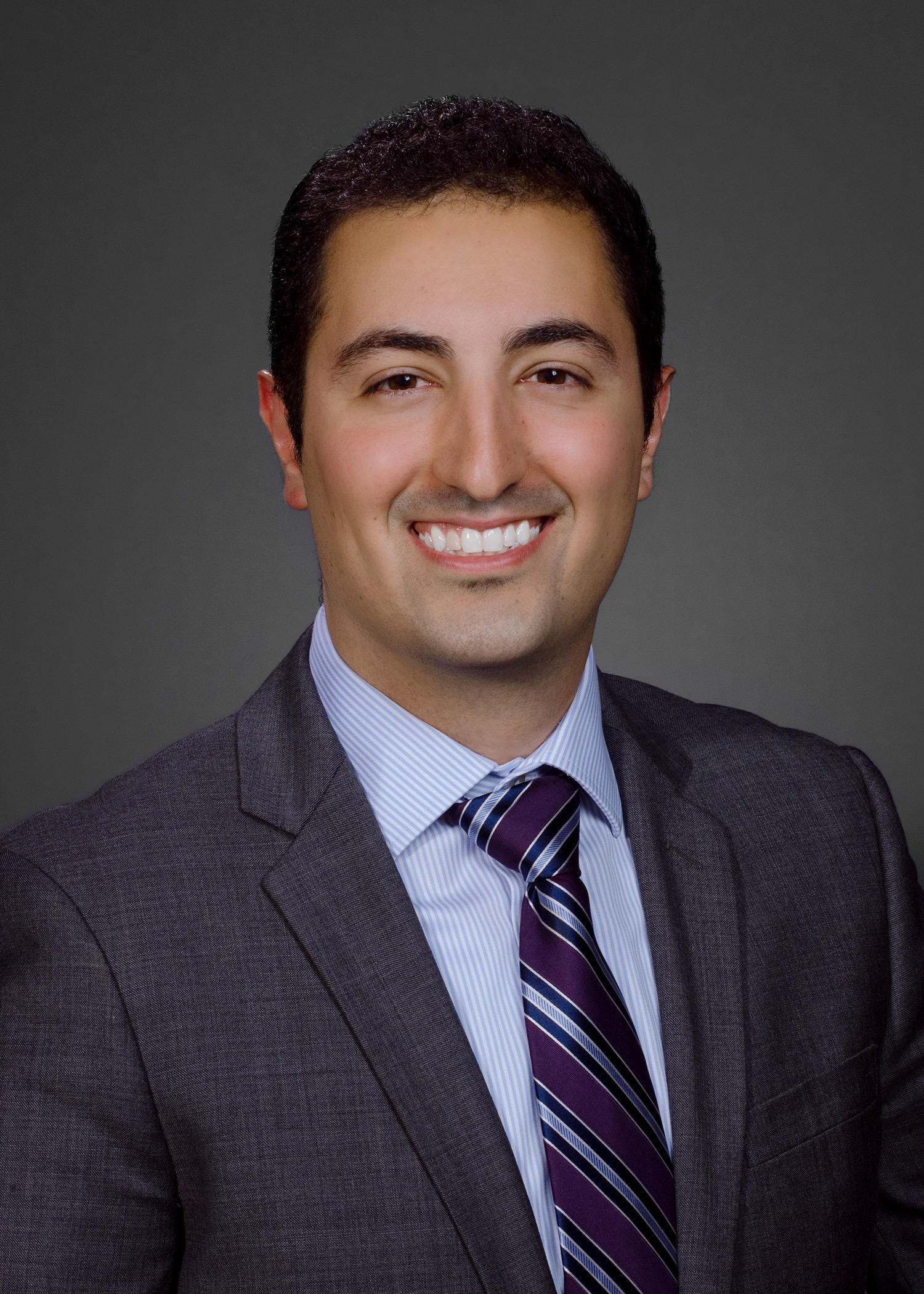
Anthony L. Ricco is a premier American criminal defense attorney renowned for his expertise in federal death penalty litigation and high-profile criminal trials. His cases often involve complex international terrorism, organized crime, and capital offenses where he serves as a "learned counsel," navigating the most rigorous legal challenges in the United States federal court system.
In the landscape of the American judiciary, few names command as much respect in the realm of capital defense as Anthony L. Ricco. Based in New York City, Ricco has spent decades defending individuals facing the most severe penalties the law can impose. His career is not merely a list of court appearances but a profound study of the Sixth Amendment in action. As of 2026, his body of work continues to serve as a benchmark for defense strategies in cases involving the Federal Death Penalty Act and the Criminal Justice Act (CJA). Understanding the cases of Anthony Ricco requires an analysis of both the legal technicalities of federal trials and the ethical fortitude required to represent clients the public often deems indefensible.
The Role of Learned Counsel in Capital Cases
To understand Ricco’s most significant cases, one must first understand his designation as Learned Counsel. Under federal law, specifically 18 U.S.C. § 3005, any defendant facing the death penalty is entitled to two attorneys, at least one of whom must be "learned in the law applicable to capital cases."
This is a highly specialized role. A learned counsel must possess extensive experience in the unique procedural and substantive requirements of death penalty litigation, which includes the "bifurcated" trial process. In these cases, the trial is split into a guilt phase and a sentencing phase. Ricco’s mastery of the "mitigation" phase—where the defense presents evidence to persuade a jury to choose life imprisonment over execution—is what has made him a fixture in high-stakes federal courtrooms.
United States v. Bin Laden: The 1998 Embassy Bombings
One of the most consequential chapters in Ricco’s career was the representation of Mohamed Sadeek Odeh in the trial concerning the 1998 bombings of the U.S. Embassies in Nairobi, Kenya, and Dar es Salaam, Tanzania. This case, prosecuted in the Southern District of New York (SDNY), was a precursor to the modern legal battles against Al-Qaeda.
Legal Challenges and Defense Strategy
Representing Odeh presented unprecedented challenges. The case involved massive amounts of classified information, requiring the defense to navigate the Classified Information Procedures Act (CIPA). Ricco had to manage evidence gathered from across the globe while contending with a domestic climate of heightened fear regarding international terrorism.
Odeh was charged with multiple counts of murder and conspiracy to use weapons of mass destruction. The prosecution sought the death penalty. Ricco’s strategy focused on humanizing the defendant and highlighting the complexities of his involvement, or lack thereof, in the actual execution of the bombings.
The Outcome
After a lengthy and grueling trial in 2001, the jury found Odeh guilty but famously declined to impose the death penalty. Instead, he was sentenced to life in prison without the possibility of parole. This result was viewed as a significant achievement for the defense team, demonstrating that even in cases of mass-casualty terrorism, a skilled defense could successfully argue against the ultimate sanction.
The James "Jimmy Henchman" Rosemond Trials
In a sharp pivot from international terrorism to the intersection of the music industry and organized crime, Ricco represented James Rosemond, better known as "Jimmy Henchman." Rosemond was a prominent hip-hop mogul who managed artists like Game and Gucci Mane but was accused by federal prosecutors of running a massive drug trafficking empire and orchestrating a murder-for-hire plot.
The "Lodi Mack" Murder Trial
The most intense legal battle involved the death of Lowell "Lodi Mack" Fletcher, an associate of the rap group G-Unit. Prosecutors alleged that Rosemond ordered the hit as retaliation for an assault on his son. Ricco represented Rosemond through multiple trials, as the first ended in a hung jury—a testament to the effectiveness of the defense in creating reasonable doubt despite the testimony of multiple cooperating witnesses.
Technical Defense against Cooperating Witnesses
A hallmark of Ricco’s work in the Rosemond cases was his aggressive cross-examination of "snitches" or cooperating witnesses. In federal drug and conspiracy cases, the prosecution often relies heavily on individuals looking for reduced sentences. Ricco’s ability to dismantle the credibility of these witnesses by highlighting their incentives to lie remains a core component of his trial methodology. Although Rosemond was eventually convicted and sentenced to life, the procedural battles led by Ricco underscored the difficulty of proving intent in complex conspiracy charges.
Defending Khalid Sheikh Mohammed (KSM) and the 9/11 Commission
Perhaps the most daunting assignment in Ricco’s career is his involvement in the military commissions at Guantanamo Bay. Ricco was appointed as learned counsel for Khalid Sheikh Mohammed, the alleged mastermind of the September 11 attacks.
The Complexity of Military Commissions
Unlike the Article III courts in New York, the military commissions operate under a different set of rules, blending military law with federal standards and unique evidentiary hurdles. Ricco’s role in this case involves:
- Challenging the admissibility of evidence obtained through "enhanced interrogation techniques" (torture).
- Navigating the logistical nightmare of a trial held at a remote naval base.
- Advocating for constitutional protections in a venue that was specifically designed to limit them.
As of 2026, the 9/11 litigation remains one of the longest-running and most complex legal matters in U.S. history. Ricco’s participation ensures that the proceedings maintain a veneer of legal legitimacy by providing a vigorous defense that adheres to the highest standards of the American bar.
State of New York v. Diverse Defendants
While his federal work is most publicized, Ricco has also been a stalwart in New York State courts. He has represented numerous individuals in high-profile homicide and racketeering cases. His presence in these trials often brings a level of "federal-grade" scrutiny to state proceedings, forcing prosecutors to adhere strictly to the rules of evidence and procedure.
He is often sought after in cases where there is a high risk of "inflammatory" evidence—details that might prejudice a jury regardless of their legal relevance. Ricco is known for his "motions in limine," which are pre-trial requests to exclude certain evidence, ensuring that the trial remains focused on the specific charges at hand rather than the defendant's character or past.
Summary of Notable Cases
The following table summarizes some of the most critical cases associated with Anthony Ricco’s career:
| Case Name | Client | Primary Charges | Key Legal Significance |
|---|---|---|---|
| U.S. v. Bin Laden | Mohamed Sadeek Odeh | Conspiracy, Murder (Embassy Bombings) | Successfully avoided death penalty in a major terrorism trial. |
| U.S. v. Rosemond | James Rosemond | Drug Trafficking, Murder-for-Hire | Challenged the credibility of high-level cooperating witnesses. |
| U.S. v. KSM | Khalid Sheikh Mohammed | Terrorism, War Crimes (9/11) | Served as learned counsel in the most complex capital case in U.S. history. |
| U.S. v. Basciano | Vincent Basciano | Racketeering, Murder | Involved defense work for high-ranking organized crime figures (Bonanno family). |
| State v. Anonymous | Various | Homicide/Manslaughter | Extensive work in state-level criminal defense and civil rights advocacy. |
Legal Philosophy: The "Lawyer’s Lawyer"
Anthony Ricco is frequently referred to as a "lawyer’s lawyer." This moniker stems from his deep commitment to the profession and his willingness to take on the cases that other attorneys might find too politically or socially toxic.
Advocacy for the Criminal Justice Act (CJA)
Ricco has been a vocal advocate for the Criminal Justice Act, which provides funding for legal representation for defendants who cannot afford an attorney in federal court. He views the CJA panel as the "conscience of the court," ensuring that the quality of a person’s defense is not dictated solely by their bank account. His cases often serve as educational models for other CJA attorneys on how to handle expert witnesses and mitigation specialists.
The Ethics of Representation
For Ricco, the defense of an individual charged with terrorism or heinous violence is not an endorsement of the act, but a defense of the law itself. He has often stated in interviews and lectures that if the government is allowed to take the life of the most hated person without a rigorous, fair, and constitutionally sound trial, then no citizen’s life is truly secure. This philosophical bedrock is what allows him to approach cases like the 1998 embassy bombings or the 9/11 commissions with the same professional intensity as a standard criminal trial.
Frequently Asked Questions
What is Anthony Ricco's specialty in law?
Anthony Ricco is a criminal defense specialist primarily focused on federal capital cases (death penalty trials). He is widely recognized for his expertise in the Federal Death Penalty Act and the nuances of the sentencing phase in federal court.
How did Ricco prevent the death penalty in the Embassy Bombing case?
In the case of U.S. v. Bin Laden, Ricco and his team utilized extensive mitigation evidence. This involved investigating the defendant's background, family history, and the specific level of his involvement in the conspiracy to argue that life without parole was a more appropriate and just punishment than execution.
What is a "Learned Counsel"?
A Learned Counsel is an attorney appointed in federal death penalty cases who has specific, proven experience in capital litigation. Federal law requires at least one of the defense attorneys to meet these high standards to ensure the defendant receives a competent defense in a life-or-death situation.
Is Anthony Ricco still practicing law in 2026?
Yes, as of 2026, Anthony Ricco remains an active and influential member of the legal community. While he may be selective about the cases he takes, he continues to represent clients in high-stakes federal matters and serves as a mentor and consultant for other defense teams across the country.
Has Anthony Ricco won any awards for his work?
Ricco has received numerous accolades from the legal community, including honors from the National Association of Criminal Defense Lawyers (NACDL) and various New York bar associations. He is frequently cited for his "extraordinary contributions to the fair administration of justice."
Professional Recommendation for Legal Research
If you are a law student or legal professional studying the cases of Anthony Ricco, it is recommended to review the trial transcripts from the Southern District of New York (SDNY), particularly the cross-examinations in the U.S. v. Bin Laden trial. These documents provide a masterclass in how to handle hostile witnesses and complex international evidence. Furthermore, examining his appellate briefs can provide deep insights into how federal sentencing guidelines and the Sixth Amendment are argued at the highest levels.
For those facing federal charges, the career of Anthony Ricco underscores the importance of securing counsel with specific experience in the Criminal Justice Act (CJA) framework and federal rules of evidence. A general practice attorney is rarely sufficient for the complexities of the federal system, where the stakes often involve mandatory minimums or capital punishment.
Professional Advice Disclaimer: The information provided in this article is for educational and informational purposes only and does not constitute legal advice. Criminal law varies by jurisdiction, and federal cases involve highly specific procedures. If you or someone you know is facing criminal charges, you should consult with a qualified attorney licensed in your jurisdiction.