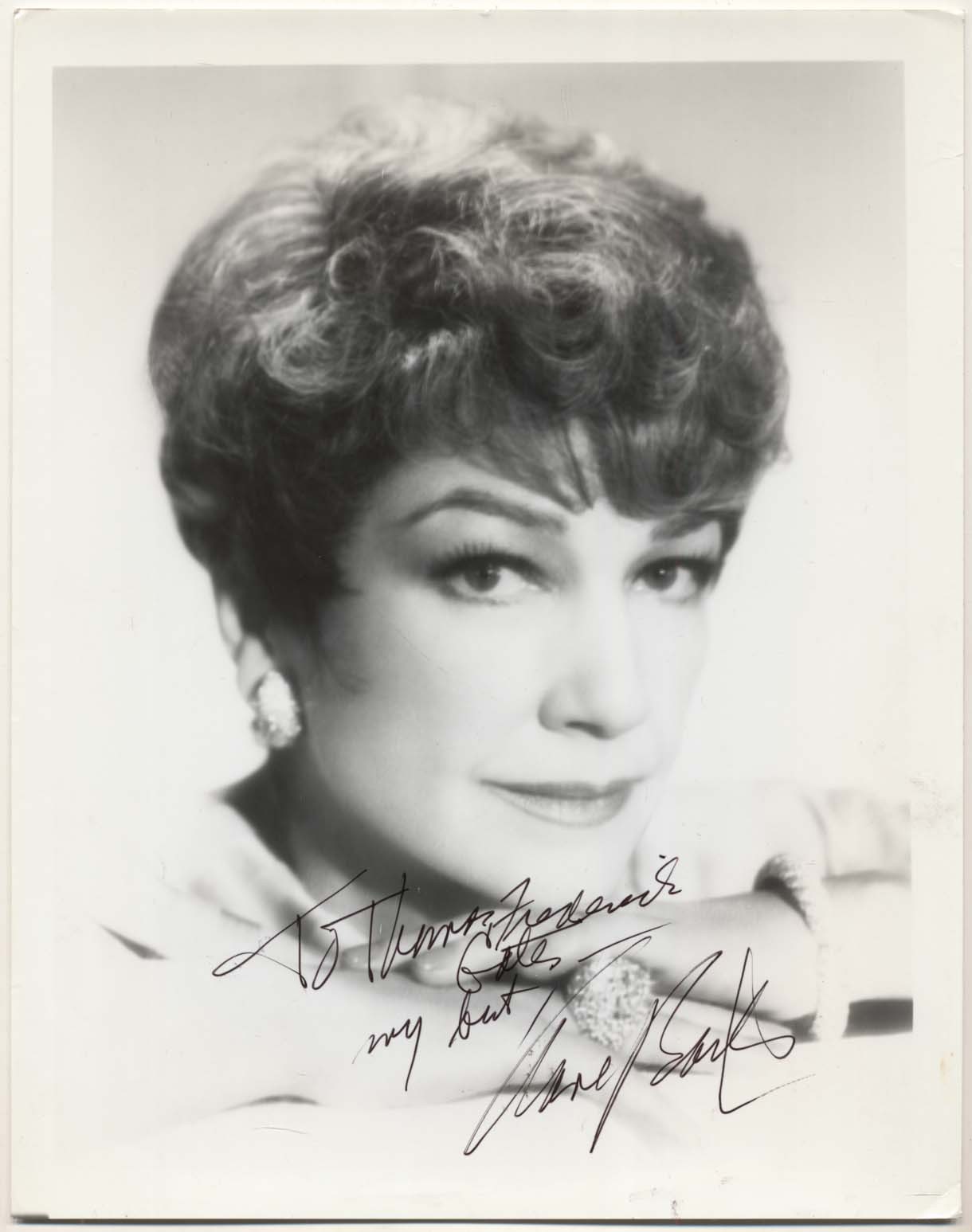
At the time of her passing in 1985, Academy Award-winning actress Anne Baxter had an estimated net worth of $1 million to $5 million. Adjusted for inflation to 2026 standards, this estate would be valued at approximately $12 million to $15 million, reflecting her decades of work in the studio system, her literary success, and her strategic real estate holdings.
Anne Baxter was far more than a typical starlet of the Golden Age. As the granddaughter of the legendary architect Frank Lloyd Wright and a versatile performer who transitioned seamlessly from Ingenue to villainous powerhouse, her financial journey was marked by high-earning studio contracts, a daring mid-career hiatus in the Australian outback, and a robust late-career resurgence on television. To understand her net worth is to understand the economic shifts of Hollywood itself, from the rigid contract era of the 1940s to the dawn of the independent television boom in the 1980s.
The Foundation of Wealth: The Studio Contract Era
Anne Baxter’s financial journey began in earnest when she signed with 20th Century Fox in 1940. During this period, the "Studio System" governed the earnings of most actors. Unlike the massive backend deals and profit-participation percentages seen in 2026, stars of the 1940s were generally paid a weekly salary.
The Fox Years and Rising Salaries
Baxter was not an immediate high-earner. Her initial contracts were standard for a newcomer, but her rapid ascent in films like The Pied Piper (1942) and Crash Dive (1943) allowed her agents to renegotiate for higher weekly guarantees. By the time she starred in The Razor’s Edge (1946), for which she won the Academy Award for Best Supporting Actress, her earning power had tripled.
Winning an Oscar in the 1940s was a significant financial catalyst. While the trophy itself carried no monetary prize, it served as a powerful lever for contract negotiations. It is estimated that her weekly salary jumped into the thousands—a massive sum at a time when the average American household income was under $3,000 per year.
The Pinnacle of Prestige: All About Eve
In 1950, Baxter played the titular role in All About Eve. While Bette Davis received the lion's share of the publicity, Baxter’s performance as the calculating Eve Harrington solidified her status as a top-tier lead. Historians note that this period represented her peak "quote"—the standard fee a studio would have to pay to borrow her for a production. Her work in this era provided the capital that would later allow her to take significant risks with her lifestyle and career.
The Financial Impact of "The Ten Commandments"
If All About Eve was her critical peak, Cecil B. DeMille’s The Ten Commandments (1956) was her commercial zenith. Playing Queen Nefretiri in one of the most expensive and highest-grossing films of all time provided Baxter with a substantial payday.
DeMille was known for his lavish productions, and while he was often frugal with his actors, the scale of this production meant that Baxter’s compensation was at the top of the industry standard. Furthermore, the film's enduring popularity and frequent re-releases ensured that her name remained a marketable commodity for decades, aiding her ability to secure work in later years.
The Australian Sabbatical: A Calculated Risk
One of the most unique aspects of Anne Baxter’s financial history is her marriage to Randolph Galt and her subsequent move to the Australian outback. In the early 1960s, at the height of her fame, she abandoned Hollywood to live on a 37,000-acre cattle station called "Gilead."
Investment in Real Estate and Agriculture
This move was a radical departure from the typical celebrity lifestyle. From a net worth perspective, this period was characterized by:
- Capital Outlay: The purchase and maintenance of a massive agricultural estate required significant liquid capital.
- Opportunity Cost: By leaving Hollywood for several years, Baxter forfeited millions in potential film earnings during the transition from the studio system to the "New Hollywood" of the 1960s.
- Asset Diversification: While she wasn't earning a salary, she was an owner of a vast physical asset—land. In the long term, real estate in expanding territories often proves more stable than the volatile income of an actor.
Baxter eventually chronicled this experience in her 1976 memoir, Intermission: A True Story. The book became a bestseller, proving that her time in Australia could be monetized through literary success, adding a new stream of income to her portfolio.
Television and the Later Career Resurgence
In the 1970s and 1980s, Baxter followed the trend of many Golden Age stars by moving into television. This move was financially prudent, as television offered steady work and "residuals"—payments for reruns—which were more formalized than the early film contracts.
The "Hotel" Era
Her most notable late-career role was in the ABC series Hotel. Baxter was brought in to replace Bette Davis (who had fallen ill) as the glamorous Victoria Cabot. During this time, television stars of successful network dramas could earn between $25,000 and $50,000 per episode. Given the show's success, this role provided Baxter with a substantial financial cushion in her final years.
Guest Appearances and Voice Work
Baxter was a frequent guest on popular shows like The Love Boat, Marcus Welby, M.D., and Columbo. These appearances, combined with her work in theater (notably replacing Lauren Bacall in Applause on Broadway), ensured that her net worth continued to grow even as she reached her 60s.
Real Estate and Tangible Assets
Beyond her career earnings, Baxter’s net worth was tied to her savvy real estate holdings. At different points in her life, she owned property in:
- California: Strategic homes in the Los Angeles area during her peak filming years.
- Australia: The massive Gilead station, though she eventually moved on from this after her divorce from Galt.
- Connecticut: In her later years, she maintained a residence in Easton, Connecticut.
- New York City: She was a longtime resident of the city, owning an apartment that benefited from the significant appreciation of Manhattan real estate in the 1970s and 80s.
Comparative Valuation Table
To understand the scale of Anne Baxter’s wealth relative to the economic climate of 2026, we must look at how her earnings and assets translate across different eras.
| Financial Milestone | Estimated Value (Year of Event) | Equivalent Value (2026 USD) |
|---|---|---|
| Early Fox Contract (Weekly) | $500 - $1,500 | $10,500 - $31,000 |
| Oscar Win Bonus/Negotiation | $50,000+ (per film) | $750,000+ |
| "Intermission" Book Royalties | $100,000+ (Total) | $550,000+ |
| "Hotel" Per-Episode Salary | $35,000 | $105,000 |
| Total Estate at Death (1985) | $1M - $5M | $12M - $15M |
Note: 2026 values are calculated based on historical CPI data and projected inflation trends for the early 2020s.
The Frank Lloyd Wright Connection
It is often speculated whether Baxter inherited significant wealth from her grandfather, the world-renowned architect Frank Lloyd Wright. While Wright was incredibly successful, he was also known for his extravagant spending and financial mismanagement.
Baxter did not rely on a massive inheritance; rather, her connection to Wright provided her with cultural capital and an entry into high-society circles that helped her maintain a prestigious brand. Any financial benefit from the Wright estate was likely indirect, such as the value of family-held art, furniture, or minor intellectual property rights related to his designs.
Factors Influencing Her Final Estate
Several factors contributed to the final valuation of Baxter's estate in 1985:
- Residuals: Under the Screen Actors Guild (SAG) agreements of the time, her films and television shows continued to generate income long after production ended.
- Investments: Like many stars of her era, she likely held a portfolio of stocks and municipal bonds managed by professional wealth managers.
- Liquidity: Unlike some stars who died "land poor" (owning property but having little cash), Baxter’s steady work on Hotel ensured she had significant liquidity toward the end of her life.
Frequently Asked Questions
Did Anne Baxter receive royalties for "The Ten Commandments"?
While actors in the 1950s did not typically receive the lucrative "backend" points common today, Baxter did receive residuals for television broadcasts and home video releases once the SAG-AFTRA residual structures were fully established. These provided a modest but consistent income stream for her estate.
Was Anne Baxter wealthy when she moved to Australia?
Yes. She used her Hollywood earnings to fund the move and the initial investment in the Gilead station. However, the station itself was a working ranch and subject to the financial volatility of the agricultural market, which at times made her "asset-rich but cash-poor" during that specific decade.
Who inherited Anne Baxter’s estate?
Anne Baxter had three daughters: Katrina Hodiak (from her marriage to John Hodiak), and Maginel and Melissa Galt (from her marriage to Randolph Galt). Her estate, including her Connecticut home and Manhattan apartment, was primarily passed down to her children and grandchildren.
How much was Anne Baxter's Connecticut home worth?
Her home in Easton, Connecticut, was a significant part of her portfolio. In the mid-1980s, such properties were valued in the mid-six figures. Today, that same property, given its provenance and the general rise in Connecticut real estate, would likely be worth several million dollars.
Did her book "Intermission" make a lot of money?
Intermission was highly successful for a celebrity memoir of that era. It was praised for its literary quality, which gave it a longer shelf life than typical "tell-all" books. It remains a primary source for historians studying her life and provided a steady trickle of royalties well after its initial release.
Was she paid more than Bette Davis for "Hotel"?
No. Bette Davis, as a legendary star and the original choice for the lead, had a higher "quote." However, Baxter’s salary was commensurate with her status as an Oscar winner and a dependable lead actress who could carry a network drama.
Summary of Financial Legacy
Anne Baxter’s net worth was a reflection of a disciplined and diverse career. She avoided the common pitfalls of the Hollywood elite—excessive gambling, failed business ventures, or total reliance on a single studio. Instead, she transitioned from a studio star to a rancher, an author, and finally a television mainstay.
Her financial legacy is defined by the stability of her assets and the intelligence of her career choices. By the time of her death, she had secured her place as a wealthy woman of independent means, leaving behind a legacy that was as much about her business acumen as it was about her undeniable talent on the silver screen.
Practical Recommendation: For those researching classic Hollywood finances, Anne Baxter serves as an excellent case study on how to leverage an Academy Award win into long-term financial stability. Her move into television in the 1980s is particularly noteworthy as a blueprint for contemporary actors looking to diversify their income streams as they age.