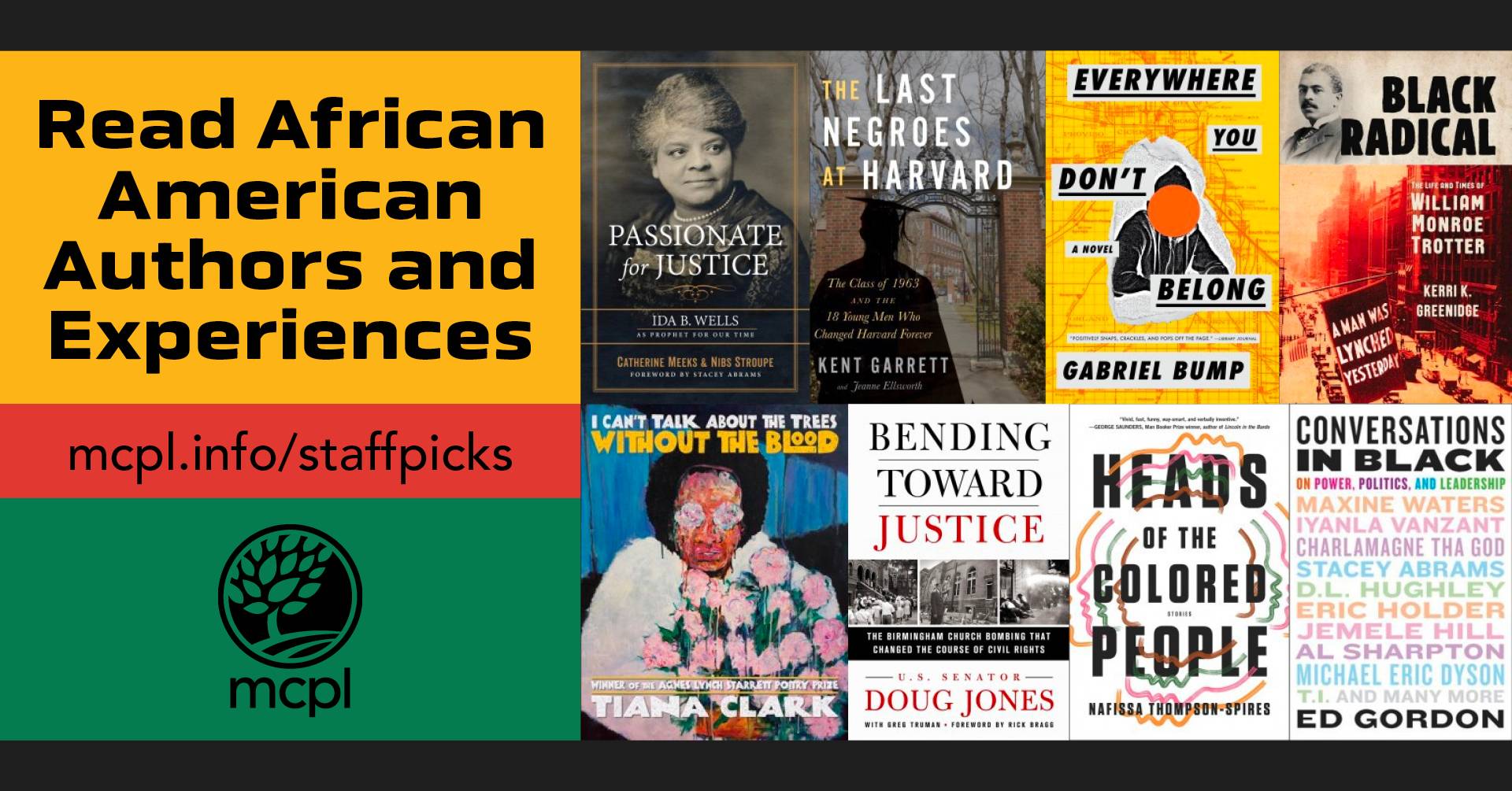
American literature is a diverse tapestry of voices that explores the complexities of national identity, the pursuit of the American Dream, and the ongoing struggle for social justice. By examining the works of seminal figures—from the 19th-century transcendentalists to the contemporary prize-winners of 2026—readers can understand how these authors mirror and shape the American experience through various genres, styles, and historical contexts.
The Foundations of the American Voice
To understand American literature, one must first look at the 19th century, a period when the United States began to move away from European literary traditions to establish its own distinct voice. This era saw the rise of Romanticism and Transcendentalism, movements that prioritized the individual, nature, and emotion over established social structures.
The Transcendentalists: Emerson and Thoreau
Ralph Waldo Emerson and Henry David Thoreau were pivotal in defining the early American intellectual landscape. Emerson’s essays, particularly "Nature" and "Self-Reliance," argued that individuals should trust their own intuition rather than following the dictates of society or organized religion. His protégé, Thoreau, took these ideas to a practical level. In Walden; or, Life in the Woods (1854), Thoreau documented his two-year experiment in simple living. His work remains a foundational text for environmentalism and individualist philosophy, explaining how one can find spiritual fulfillment by stripping away material distractions.
The Dark Romantics: Hawthorne and Melville
While the Transcendentalists were optimistic, contemporaries like Nathaniel Hawthorne and Herman Melville explored the darker side of the human soul and the American experiment. Hawthorne’s The Scarlet Letter (1850) is a profound exploration of legalism, sin, and guilt in a Puritan society. It explains how the weight of the past and the pressure of public morality can crush the individual spirit.
Melville’s Moby-Dick (1851) is often cited as the "Great American Novel." While ostensibly a story about a whaling voyage, it is a complex allegory of man's struggle against nature and the dangers of monomaniacal obsession. Melville’s use of encyclopedic detail and philosophical digressions challenged the boundaries of the 19th-century novel, setting a precedent for the sprawling, ambitious American epics that would follow.
The Rise of Realism and Naturalism
Following the Civil War, American literature shifted toward Realism, a movement that sought to depict life exactly as it was, without the idealization of the Romantics. This era focused on the middle class, urban growth, and the harsh realities of the frontier.
Mark Twain: The Father of American Literature
Mark Twain (Samuel Clemens) is perhaps the most iconic figure of this period. His masterpiece, Adventures of Huckleberry Finn (1884), is explained by scholars as a turning point in American prose. By using the vernacular—the everyday speech of the common person—Twain broke the formal constraints of the literary language of his day. The book explores themes of racial injustice and moral development, as the young Huck Finn must choose between the "civilized" laws of a slave-holding society and his own conscience.
Social Realism and the Gilded Age
As the 19th century drew to a close, authors like Edith Wharton and Henry James focused on the social hierarchies of the American elite. Wharton’s The Age of Innocence (1920) provides a surgical analysis of New York high society in the 1870s, explaining the tension between personal desire and social duty. Conversely, Naturalists like Stephen Crane and Theodore Dreiser looked at the lower rungs of society, suggesting that human lives are shaped by biological and environmental forces beyond their control, as seen in Crane's The Red Badge of Courage.
The Modernist Revolution (1914–1945)
Modernism in American literature emerged from the trauma of World War I and the rapid industrialization of the early 20th century. Modernist authors experimented with form, narrative structure, and psychology to reflect a world that felt fragmented and disillusioned.
The Lost Generation
F. Scott Fitzgerald and Ernest Hemingway are the primary faces of the "Lost Generation"—a term coined by Gertrude Stein for those who came of age during the Great War. Fitzgerald’s The Great Gatsby (1925) is the definitive critique of the American Dream. It explains how the pursuit of wealth and status can lead to moral decay and tragedy, embodied in the character of Jay Gatsby.
Hemingway, known for his "Iceberg Theory" of writing, used a sparse, direct style that left much of the meaning beneath the surface. In The Sun Also Rises (1926), he captures the aimlessness and emotional scarring of post-war expatriates. His work emphasizes the "code hero"—an individual who shows "grace under pressure" in a world that offers no inherent meaning.
Southern Gothic and Faulkner
William Faulkner brought Modernism to the American South. Through his fictional Yoknapatawpha County, Faulkner explored the weight of history and the legacy of slavery. His novels, such as The Sound and the Fury (1929) and As I Lay Dying (1930), utilize stream-of-consciousness techniques to explain how the past is never truly dead. Faulkner’s work is characterized by complex familial ties and the psychological disintegration of the old Southern aristocracy.
Post-War Literature and the Civil Rights Era
The period following World War II saw an explosion of diverse voices that challenged the traditional American canon. Literature became a battleground for civil rights, gender equality, and a questioning of the "American way of life" during the Cold War.
The Voices of Black America
James Baldwin and Toni Morrison are essential to understanding the evolution of the American narrative. Baldwin’s essays (such as The Fire Next Time) and novels (such as Go Tell It on the Mountain) provided a visceral explanation of the psychological toll of racism. He bridged the gap between the mid-century protest novel and a more nuanced exploration of identity and sexuality.
Toni Morrison, a Nobel laureate, transformed American literature by centering the Black female experience. Her novel Beloved (1987) uses elements of magical realism to explain the lingering trauma of slavery. By making the psychological "ghosts" of the past literal, Morrison forced readers to confront the history of the United States in a way few others had.
The Playwrights: Miller and Williams
American drama also reached its zenith during this era. Arthur Miller’s Death of a Salesman (1949) and The Crucible (1953) explored the pressures of capitalism and the dangers of mass hysteria (McCarthyism). Tennessee Williams, in plays like A Streetcar Named Desire (1947), delved into the fragile psyche of characters struggling with their fading relevance in a modernizing world.
Contemporary Voices and the 2026 Landscape
As we navigate through 2026, American literature continues to evolve, reflecting a digitized, globalized, and increasingly polarized society. Current authors are exploring new frontiers of identity, climate change, and the impact of technology on human connection.
The Return of the Epic and New Realism
Authors like Colson Whitehead and Jesmyn Ward have gained prominence for their ability to blend historical research with innovative storytelling. Whitehead’s The Underground Railroad and The Nickel Boys use speculative elements to explain historical injustices, while Jesmyn Ward’s Sing, Unburied, Sing explores poverty and the carceral state in the contemporary South.
Post-Postmodernism
In the current literary environment, there is a shift toward what some call "New Sincerity" or "Post-Postmodernism." Writers are moving away from the irony and cynicism of the late 20th century (characteristic of Thomas Pynchon or Don DeLillo) toward narratives that seek genuine emotional resonance while acknowledging the complexities of the modern world.
| Author | Major Work | Genre/Movement | Primary Theme |
|---|---|---|---|
| Nathaniel Hawthorne | The Scarlet Letter | Dark Romanticism | Guilt, Morality, Legalism |
| Mark Twain | Adventures of Huckleberry Finn | Realism | Racial Justice, Individual Conscience |
| F. Scott Fitzgerald | The Great Gatsby | Modernism | The American Dream, Social Class |
| Ernest Hemingway | A Farewell to Arms | Modernism | Stoicism, War, Love |
| Toni Morrison | Beloved | Contemporary/Magical Realism | Trauma, Memory, Slavery |
| James Baldwin | Go Tell It on the Mountain | Mid-Century Realism | Identity, Religion, Race |
| Arthur Miller | Death of a Salesman | American Drama | Failure of the American Dream |
| Colson Whitehead | The Underground Railroad | Contemporary/Speculative | History of Slavery, Freedom |
| Emily Dickinson | Selected Poems | Lyric Poetry | Mortality, Nature, Inner Life |
| John Steinbeck | The Grapes of Wrath | Social Realism | Economic Injustice, Resilience |
Key Themes Explained: What Makes a Book "American"?
Several recurring themes define the American literary tradition. These are not just plot points but are fundamental to the "explanation" of the national character as portrayed by its writers.
- The American Dream (and its Failure): This is perhaps the most pervasive theme. Authors explore the promise that anyone can succeed through hard work, but they often highlight the barriers of class, race, and systemic corruption that make this dream inaccessible for many.
- The Frontier and the Wilderness: From James Fenimore Cooper to Willa Cather, the American landscape itself is often a character. The tension between "civilization" and the "untamed wild" reflects the nation's history of expansion and its impact on the natural world.
- Individualism vs. Community: Rooted in the philosophy of the Transcendentalists, many American protagonists are loners or outsiders who struggle to balance their personal integrity with the demands of their community or government.
- The Burden of History: Especially prevalent in Southern and African American literature, this theme explains how the past—particularly the history of slavery and the Civil War—continues to influence the present day.
Frequently Asked Questions
Who is considered the most influential American author?
While subjective, Mark Twain is frequently cited as the most influential due to his role in establishing a uniquely American voice. Ernest Hemingway famously stated that "all modern American literature comes from one book by Mark Twain called Huckleberry Finn." Twain's use of vernacular and his sharp social satire set the stage for much of the realism and modernism that followed.
What is the "Great American Novel"?
The term "Great American Novel" refers to a book that perfectly captures the essence of the American experience during its time. While there is no single consensus, titles often mentioned include Moby-Dick by Herman Melville, The Adventures of Huckleberry Finn by Mark Twain, and The Great Gatsby by F. Scott Fitzgerald. In the 21st century, books like Beloved by Toni Morrison are increasingly viewed as essential contenders for this title.
Why is Modernism so important in American literature?
Modernism allowed American writers to break away from linear storytelling and objective narration. It introduced psychological depth through techniques like stream-of-consciousness and reflected the disillusionment following the World Wars. This movement proved that American writers could be as intellectually rigorous and formally innovative as their European counterparts.
How has American literature changed in the 21st century?
Current American literature is characterized by a greater diversity of voices. There is a significant focus on immigrant experiences, LGBTQ+ identities, and the intersection of technology and humanity. In 2026, we see a trend toward "genre-bending," where literary fiction incorporates elements of science fiction, fantasy, or true crime to address complex social issues.
What is the significance of the "Lost Generation"?
The "Lost Generation" refers to a group of writers who were disillusioned by the senseless violence of World War I. Their works often deal with themes of aimlessness, fractured masculinity, and the search for meaning in a world that had lost its traditional moral moorings. Authors like Hemingway, Fitzgerald, and Gertrude Stein defined this era.
Recommendations for Readers
For those looking to explore American authors and their books more deeply, a chronological approach is often most rewarding. Start with the 19th-century masters like Hawthorne or Twain to understand the foundational themes of the nation. Then, move into the 20th century with Fitzgerald or Morrison to see how those themes evolved through periods of social upheaval.
To stay current in 2026, follow the winners of the Pulitzer Prize for Fiction and the National Book Award. These institutions remain the primary arbiters of literary merit in the United States. Additionally, exploring local independent bookstores can provide insight into regional American voices that may not always reach the national bestseller lists but offer vital perspectives on the diverse American landscape.