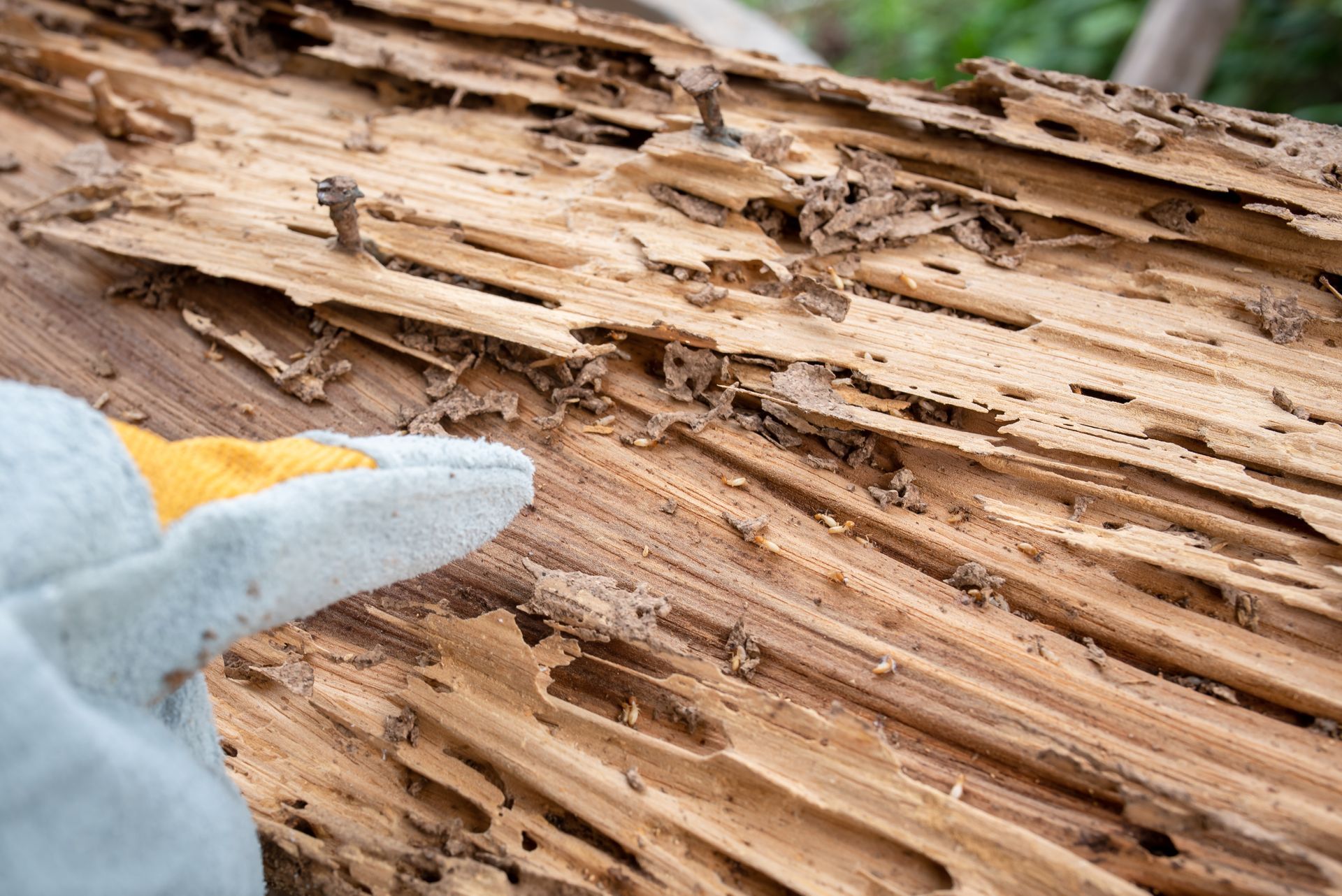
The Western US wood damage crisis stems from the increasing prevalence of invasive termite species and wood-boring beetles, exacerbated by changing climate patterns. Companies like America West Termite provide essential intervention through specialized inspections, localized treatments, and structural wood repairs designed to mitigate significant property value loss and structural instability.
Understanding the Scope of the Western Wood Damage Crisis in 2026
As of 2026, the "wood damage crisis" in the Western United States has reached a critical juncture. For decades, termites and other wood-destroying organisms (WDOs) have been a persistent nuisance, but several factors have converged to escalate this into a regional economic and structural emergency. The crisis is characterized by billions of dollars in annual repair costs and a significant increase in the rate of structural failure in residential and commercial buildings.
The primary driver of this crisis is the shifting environmental landscape. In regions like Southern California, Arizona, and Nevada, the traditional "termite seasons" have blurred. Warmer winters and erratic precipitation patterns—heavy rains followed by prolonged dry spells—have created ideal breeding conditions for both subterranean and drywood termites. When moisture levels in the soil fluctuate rapidly, subterranean termites are driven upward into structures in search of stable environments.
Furthermore, the aging housing stock in the West plays a vital role. Many homes built during the mid-20th-century boom are now reaching an age where protective chemical barriers have long since dissipated, and original wood treatments have failed. This vulnerability is compounded by modern architectural trends, such as "stucco-to-grade" construction, which provides hidden entry points for pests directly from the soil into the structural framing.
The Profile of America West Termite and Pest Control
America West Termite and Pest Control has emerged as a central figure in addressing this crisis, particularly within the Southern California corridor. Based in Orange County, the company specializes in the identification, eradication, and repair of damage caused by wood-destroying organisms. Their role is twofold: acting as a defensive barrier through preventative treatments and as a recovery force through structural restoration.
In the current 2026 landscape, the company’s methodology focuses on high-precision detection. They utilize a combination of traditional visual inspections and modern diagnostic tools to map infestations. This is crucial because "blind" treatments often fail to address the root of the colony, leading to re-infestation within months. America West Termite is specifically recognized for its "Local Treatment" protocols, which offer a targeted alternative to full-structure fumigation when the infestation is caught early enough.
Core Services and Specializations
The company’s service suite is tailored to the specific needs of Western properties. These include:
- Termite Inspections for Real Estate Transactions: Providing the mandatory "Termite Report" (Section 1 and Section 2) required for most home sales in California.
- Localized Chemical Treatments: Utilizing non-repellent termiticides that allow pests to pass through the barrier and carry the toxin back to the colony.
- Structural Fumigation: Using gas (typically sulfuryl fluoride) to eliminate widespread drywood termite colonies that cannot be reached through localized methods.
- Wood Repair and Carpentry: A dedicated division that replaces dry-rotted or termite-damaged eaves, fascia boards, and structural joists.
Primary Wood-Destroying Organisms (WDOs) in the West
To understand the crisis, one must identify the biological agents responsible. In the Western U.S., the damage is rarely the result of a single species but rather a multi-front assault by different organisms with varying behaviors.
Western Subterranean Termites (Reticulitermes hesperus)
These are the most common and widely distributed termites in the West. They live in the soil and build distinctive "mud tubes" to reach the wood of a home while remaining protected from dehydration. They are particularly dangerous because their damage is often internal; the surface of the wood may look perfectly intact while the interior is completely hollowed out.
Western Drywood Termites (Incisitermes minor)
Unlike their subterranean cousins, drywood termites do not need contact with the soil. They enter homes through attic vents, cracks in window frames, or under roof shingles. They are a significant part of the Western crisis because they can infest high-value furniture and structural timbers that are far above the ground. Their presence is usually signaled by the appearance of "frass"—tiny, hexagonal fecal pellets that resemble sawdust or sand.
Wood-Boring Beetles and Fungi
While termites get the most attention, wood-boring beetles (such as the Powder Post Beetle) and wood-decay fungi (dry rot) are significant contributors to the crisis. Dry rot occurs when wood moisture exceeds 20%, allowing fungi to break down the cellulose. In the coastal West, the combination of marine layers and high humidity frequently leads to dry rot, which weakens wood and makes it even more attractive to termites.
The Hidden Threat: Why Detection is the Greatest Challenge
The "crisis" designation is largely due to the "silent" nature of the damage. In many Western homes, the structural skeletal system is hidden behind layers of stucco, drywall, and insulation. By the time a homeowner notices a swarm or a soft spot in the floor, the structural integrity of the building may already be compromised.
America West Termite emphasizes the use of advanced detection technology in 2026 to combat this invisibility.
- Thermal Imaging: Infrared cameras detect temperature variations behind walls. Since termite colonies generate heat through their metabolic processes, thermal imaging can "see" the heat signatures of large infestations.
- Electronic Odor Detection: Often referred to as "electronic noses," these devices can detect the specific gases emitted by termites as they digest wood.
- Moisture Meters: Since many WDOs require specific moisture levels to survive, mapping moisture anomalies in a home helps inspectors identify "high-risk" zones where pests are likely to congregate.
Treatment Modalities: A Comparative Analysis
When a crisis-level infestation is identified, property owners must choose between several treatment paths. The decision is usually based on the extent of the infestation, the species involved, and the budget of the owner.
| Treatment Method | Target Organism | Primary Benefit | Main Limitation |
|---|---|---|---|
| Structural Fumigation | Drywood Termites / Beetles | 100% elimination in one application. | Requires vacating the property for 2–3 days; no residual protection. |
| Localized Spot Treatment | Drywood Termites | Cost-effective; no need to move out. | May miss hidden galleries; requires precise detection. |
| Soil Barrier Treatment | Subterranean Termites | Long-term protection (5–10 years). | Requires drilling through concrete or trenching around the foundation. |
| In-Ground Baiting Systems | Subterranean Termites | Environmentally friendly; colony elimination. | Takes longer to show results; requires ongoing monitoring. |
| Orange Oil / Botanicals | Drywood Termites | Low toxicity; manageable for sensitive individuals. | Only effective if it makes direct contact with the termites. |
Structural Wood Repair: Restoration After the Attack
A unique aspect of America West Termite’s approach to the crisis is their focus on structural restoration. In many cases, simply killing the termites is not enough. The damage left behind can lead to sagging roofs, unstable balconies, and compromised floor joists.
In 2026, the cost of lumber and specialized labor has remained high, making wood repair a significant financial burden for homeowners. The repair process involves identifying the "infestation point" and the "damage radius." Professionals must remove all damaged wood until they reach "sound wood." In Southern California, this often involves replacing:
- Fascia and Shiplap: The boards that run along the roofline, which are highly susceptible to drywood termites.
- Patio Covers and Decks: Exposed wood that is often neglected until structural failure occurs.
- Sill Plates: The horizontal wood members that sit directly on the concrete foundation, frequently attacked by subterranean termites.
The use of pressure-treated lumber and synthetic composites has become a standard in these repairs to ensure that the "new" wood is not immediately susceptible to a secondary attack.
Financial Implications and Risk Management
The Western US wood damage crisis is not just a biological issue; it is a financial one. Homeowners associations (HOAs) across the West are increasingly facing massive special assessments to cover termite-related repairs for entire complexes. In 2026, lenders and insurance companies have also become more stringent.
Standard homeowners insurance policies almost never cover termite damage, as it is considered "preventable maintenance." This makes the services of America West Termite a form of private risk management. By maintaining a "Termite Protection Plan" or a "Warranty," homeowners can transfer the risk of future infestations to the pest control provider. These plans typically involve an annual inspection and a guarantee that any new infestations discovered during the warranty period will be treated at no additional cost.
Frequently Asked Questions
What is the most common sign of a termite infestation in the West?
The most common sign for drywood termites is the presence of "frass," which looks like small piles of sand or coffee grounds found near windowsills or baseboards. For subterranean termites, the most common sign is the "mud tube," a pencil-thick tunnel made of soil and saliva found on the foundation of the house or in crawlspaces.
How often should a home in the Western US be inspected?
Experts recommend a professional termite inspection every 12 to 24 months. Given the intensity of the current wood damage crisis, homes in high-risk areas (near canyons, high-moisture zones, or older neighborhoods) should opt for annual inspections to catch colonies before they cause structural damage.
Can I treat a termite infestation myself?
While "over-the-counter" sprays exist, they are generally ineffective for structural infestations. Termites live deep within the wood or underground. Surface sprays do not reach the queen or the bulk of the colony. Professional-grade non-repellents and specialized equipment are necessary to ensure the entire colony is eliminated.
Does America West Termite provide wood repair as part of their service?
Yes, America West Termite is one of the specialized firms that maintains a dedicated wood repair division. This is important because it ensures that the repairs are done to the standards required by the Structural Pest Control Board, specifically addressing the areas identified in the inspection report.
Is fumigation safe for my pets and plants?
Sulfuryl fluoride, the gas used in fumigation, is lethal to all living organisms during the exposure period. However, it is a "true gas" that dissipates completely and leaves no residue on surfaces, dishes, or furniture. Homeowners must remove all pets and plants and follow specific bagging instructions for food and medicine before the process begins.
Final Recommendation for Property Owners
To successfully navigate the Western US wood damage crisis in 2026, homeowners must move from a reactive to a proactive mindset. Do not wait for visible damage to appear. Engage a specialized firm like America West Termite for a comprehensive inspection that includes both the exterior perimeter and the interior attic/crawlspace. If damage is found, prioritize structural repairs alongside the treatment to prevent secondary issues like dry rot or mold. Finally, consider an annual protection contract; the cost of a yearly warranty is a fraction of the cost of a full structural restoration.