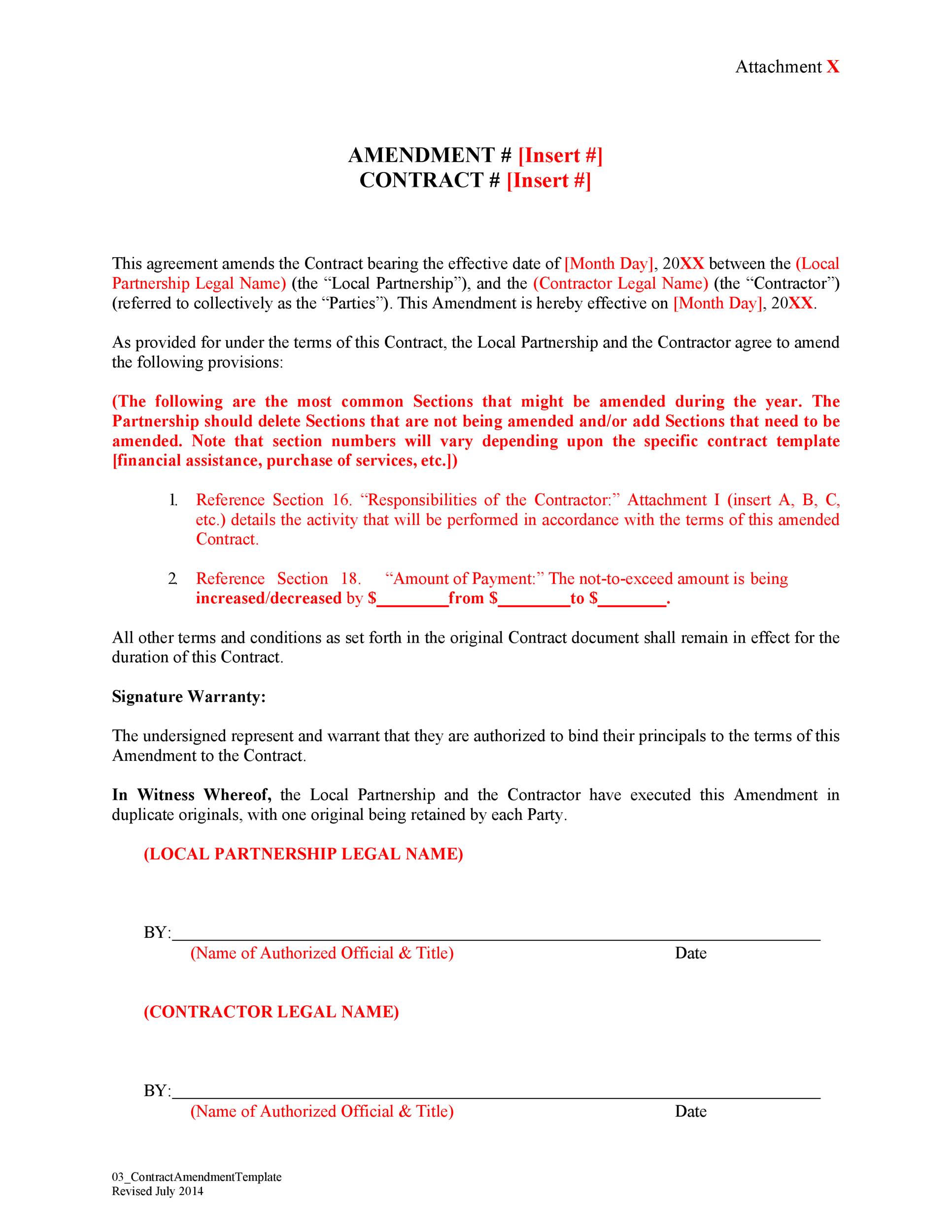
An amendment to insured contract life insurance is a formal modification to a policy or a liability agreement that redefines which contractual obligations are covered by the insurer. In 2026, this typically refers to endorsements—such as those found in Commercial General Liability (CGL) frameworks—that limit or expand the scope of indemnification when one party assumes the life-related financial risks of another under a written contract.
The Evolution of the Insured Contract Definition
To understand the amendment, one must first grasp the baseline definition of an "insured contract." In the realm of insurance and risk management, an insured contract is a specific type of agreement where the policyholder (the insured) assumes the financial or legal liability of another party. Historically, this has been a cornerstone of business partnerships, construction agreements, and executive benefit planning.
As we operate in 2026, the standard definition of an insured contract usually encompasses six specific categories, ranging from leases of premises to easement agreements. However, the most critical category for life insurance professionals and business owners is the "assumption of tort liability." This is where the insured agrees to indemnify another party for bodily injury or death caused by the insured's operations.
An amendment to this definition is often required when standard policy language does not adequately cover the unique death benefit obligations or the specific indemnification clauses found in complex life insurance arrangements, such as split-dollar agreements or cross-purchase buy-sell arrangements.
Why Amendments Are Necessary in 2026
The landscape of corporate liability has shifted significantly. With the rise of sophisticated executive compensation packages and the increasing complexity of "key person" protections, standard insurance forms often contain gaps. An amendment to the insured contract definition serves several primary purposes:
- Scope Clarification: Standard policies may exclude "professional services" or specific "financial guarantees." If a contract requires one party to maintain life insurance to secure a debt or a buyout, an amendment ensures that the failure to maintain that insurance—and the resulting liability—is clearly categorized.
- Risk Limitation: Conversely, insurers use amendments like the CG 24 26 endorsement (Amendment of Insured Contract Definition) to restrict coverage. This amendment limits the "insured contract" coverage to only those liabilities caused "in whole or in part" by the insured’s negligence, preventing the policyholder from assuming the other party's sole negligence.
- Regulatory Compliance: As of 2026, various state and federal regulations regarding fiduciary duty in life insurance have tightened. Amendments are often drafted to ensure that the indemnification language aligns with current statutes governing "insurable interest" and "contractual death benefits."
Practical Applications in Life Insurance Contexts
While "insured contract" is a term frequently used in liability insurance, it intersects with life insurance in several high-stakes business scenarios. When a life insurance policy is used as the funding vehicle for a contractual obligation, the way that contract is defined in a liability policy determines how much protection the business has.
Buy-Sell Agreements and Entity Purchase Plans
In a buy-sell agreement, partners agree to buy out the interest of a deceased partner. The obligation to pay the buyout price is a contractual liability. If the life insurance policy intended to fund this buyout fails due to an administrative error, the surviving partners may face a lawsuit from the deceased partner's estate. Without a proper amendment to the insured contract definition in their liability coverage, the surviving partners might find themselves personally liable for the shortfall without insurance defense or indemnity.
Split-Dollar Life Insurance
In split-dollar arrangements, the employer and employee share the costs and benefits of a life insurance policy. These are governed by complex contracts. An amendment to the insured contract definition may be necessary to ensure that the employer’s assumption of certain risks related to the employee’s death benefit is recognized by their broader insurance portfolio.
Collateral Assignments
When life insurance is used as collateral for a commercial loan, the borrower often enters into a contract to indemnify the lender against certain losses. In 2026, lenders increasingly demand that these indemnity agreements be classified as "insured contracts" under the borrower's liability policy to provide an extra layer of security.
Comparing Standard vs. Amended Insured Contract Definitions
The following table illustrates the differences between a standard definition of an insured contract and one that has been modified by a common amendment (such as the CG 24 26 or a custom life-insurance-focused rider).
| Feature | Standard Definition | Amended Definition (e.g., CG 24 26) |
|---|---|---|
| Scope of Liability | Broadly includes "any" liability assumed under contract. | Limited to "vicarious liability" or negligence-based acts. |
| Negligence Standard | May cover the sole negligence of the indemnitee. | Generally excludes the sole negligence of the indemnitee. |
| Life Insurance Relevance | May unintentionally cover breaches of life insurance funding. | Specifically defines boundaries for financial/life insurance obligations. |
| Legal Defense | Insurer usually has a broad duty to defend the contract claim. | Duty to defend is restricted to claims involving the insured's fault. |
| Cost Impact | Higher premium due to broader risk assumption. | Often results in premium credits or lower risk ratings. |
Technical Requirements for Implementing an Amendment
Implementing an amendment to an insured contract definition is not a simple "check the box" exercise. It requires a detailed review of the underlying contract and the master insurance policy.
Step 1: Review the Underlying Contract
Before requesting an amendment, legal counsel must review the specific life insurance or indemnification agreement. For example, if you are a 2026 business owner entering into a Key Person Agreement, you must identify where you have assumed the liability of the "key person’s" estate or family.
Step 2: Gap Analysis
Compare the indemnity requirements of your contract with the "Exclusions" section of your CGL or Professional Liability policy. Most policies exclude "contractual liability" unless that liability falls under the definition of an "insured contract." If your life insurance funding obligation does not fit the standard six categories, a gap exists.
Step 3: Drafting the Endorsement
In 2026, most insurers use standardized ISO (Insurance Services Office) forms, but many specialty life insurance carriers offer proprietary amendments. The language must be precise. It should specify whether the amendment is adding a specific contract to the list of "insured contracts" or modifying the general definition to be more inclusive of life insurance-related financial duties.
Common Mistakes and How to Avoid Them
The complexity of insurance law in 2026 means that small errors in an amendment can lead to catastrophic coverage denials.
- Failure to List Specific Contracts: Some amendments require that "insured contracts" be specifically scheduled (listed) in the policy. If you sign a new buy-sell agreement but fail to notify the insurer to update the schedule, the amendment may not apply to the new contract.
- Confusing "Additional Insured" with "Insured Contract": These are two different concepts. Adding a partner as an "additional insured" on a policy gives them direct coverage. Defining a contract as an "insured contract" protects you when you assume their liability. Relying on one when you need the other is a common pitfall.
- Overlooking Statutory Limits: Many states have "anti-indemnity" statutes that make certain contract clauses unenforceable. An amendment to an insured contract definition cannot override state law. If the underlying contract is illegal, the insurance amendment will not provide coverage.
The Cost of Amending the Contract
As of 2026, the cost of adding an amendment to the insured contract definition varies based on the risk profile of the business. For standard amendments like the CG 24 26, which actually restrict coverage, there may be no additional charge, or it might even lead to a slight premium reduction because the insurer is taking on less risk.
However, if the amendment is designed to expand the definition—for example, to cover the potential failure of a multi-million dollar life insurance buyout—premiums will likely increase. These increases are generally calculated as a percentage of the total liability premium, often ranging from 2% to 10%, depending on the limits of the policy and the financial health of the entities involved.
Frequently Asked Questions
What is the most common amendment to an insured contract?
The most common amendment is the CG 24 26 endorsement. It modifies the definition of an insured contract to ensure that the policyholder is only responsible for the portion of liability they actually caused. This prevents the "blanket assumption" of another party's negligence, which is a major risk-control measure for insurers in 2026.
Does an amendment to an insured contract affect my life insurance premiums?
No, the amendment typically resides within your liability or errors and omissions (E&O) policy, not the life insurance policy itself. While it changes how your liability insurance responds to claims related to your life insurance contracts, it does not change the mortality charges or administrative fees of the life insurance policy.
Can I add this amendment after a claim has been filed?
No. Insurance amendments are almost never retroactive. To be effective, the amendment must be in place at the time the contract was signed or, at the very least, before the "occurrence" (such as a death or a breach of contract) that leads to the claim.
Is an insured contract amendment the same as a waiver of subrogation?
No. A waiver of subrogation prevents your insurance company from seeking reimbursement from a third party after paying a claim. An amendment to the insured contract definition determines whether the claim is even covered in the first place by defining the scope of your assumed liability.
Why would a lender require an amendment to my insured contract definition?
Lenders in 2026 are highly risk-averse. If they are relying on a life insurance policy as collateral, they want to ensure that if you fail to maintain the policy or if a dispute arises, your liability insurance will cover the resulting financial loss. They often demand specific "insured contract" language to guarantee that their interests are protected under your liability umbrella.
How often should I review my policy amendments?
You should review these amendments annually during your policy renewal or whenever you enter into a new significant contract, such as a new partnership agreement, a major loan, or an update to your executive compensation plan.
Final Recommendations for Policyholders
In the complex financial environment of 2026, the amendment to insured contract life insurance is a vital tool for risk mitigation. To ensure your business is fully protected, you should take the following actions:
- Conduct an Audit: Have your insurance broker and legal counsel perform a "contractual liability audit" to see how your life insurance obligations are treated under your current liability policies.
- Verify Scheduling: If your policy requires contracts to be listed by name to qualify as "insured contracts," ensure your list is current and includes all 2026 agreements.
- Coordinate Coverage: Ensure that your life insurance agent and your property/casualty agent are communicating. Often, the left hand does not know what the right hand is doing, leading to gaps in how contractual death benefits are insured.
- Demand Clarity: If an insurer proposes an amendment that limits the definition of an insured contract, ask for a "side-by-side" comparison of what is being lost versus what is being kept.
By proactively managing these amendments, you can avoid the devastating financial consequences of an uninsured contractual breach, ensuring that your life insurance arrangements serve their intended purpose without creating unforeseen liabilities.