Althea Park in New York serves as a vital community hub in Harlem, offering a blend of recreational space and historical tribute. Located at the intersection of 122nd Street and Manhattan Avenue, it provides essential green space, modern playground equipment, and seating areas designed for neighborhood residents and visitors alike.
Introduction to Althea Park and its Local Significance
Althea Park, often referred to in conjunction with the Althea Gibson Playground, is a specialized urban green space managed by the New York City Department of Parks & Recreation. As of 2026, the park remains a cornerstone of the Harlem community, representing more than just a place for leisure; it is a monument to resilience and athletic excellence. In a densely populated urban environment like Manhattan, small "pocket parks" or neighborhood playgrounds provide critical relief from the "urban heat island" effect and offer a safe haven for children and seniors.
The park is strategically positioned within the fabric of Upper Manhattan, serving a diverse demographic that includes long-time residents, students from nearby institutions like Columbia University, and families seeking accessible outdoor play areas. Its management reflects modern 2026 standards of urban maintenance, emphasizing sustainability, cleanliness, and safety. To understand Althea Park's role today, one must look at both its physical infrastructure and the deep historical roots it holds within the African American experience in New York City.
The Legacy of Althea Gibson: Why the Name Matters
The naming of Althea Park is not incidental; it is a deliberate act of historical preservation. Althea Gibson (1927–2003) was a trailblazing athlete who broke the color barrier in international tennis. In 1956, she became the first African American to win a Grand Slam title (the French Championships), and she followed this with victories at Wimbledon and the U.S. Nationals in 1957 and 1958.
Gibson’s connection to the neighborhood is profound. While she was born in South Carolina, she grew up in Harlem, honing her skills on the streets and in local paddle tennis programs. By naming this park after her, New York City honors a woman who transformed the landscape of professional sports. For the children playing in the park in 2026, the signage and presence of her name serve as a daily reminder of the heights that can be reached despite systemic obstacles. This historical context enriches the visitor experience, transforming a simple trip to the playground into an engagement with the city's civil rights and sporting history.
Location and Geographic Accessibility
Althea Park is located at 122nd Street and Manhattan Avenue in the Harlem neighborhood of Manhattan. Its location makes it highly accessible via various modes of transportation, reflecting New York City's 2026 commitment to a multi-modal transit network.
Public Transportation Options
Visitors can reach the park through several key transit routes:
- Subway: The A, B, C, and D lines stop at the 125th Street station, which is just a few blocks north of the park. Additionally, the 1 train stops at 125th Street and Broadway, providing access from the west side.
- Bus: The M3, M7, M10, and M11 bus lines run along nearby avenues (Manhattan Avenue, Adam Clayton Powell Jr. Blvd, and Amsterdam Avenue), making local travel convenient.
- Cycling: There are Citi Bike stations located within a two-block radius of the park, and Manhattan Avenue features bike-friendly lanes that connect to the broader city grid.
Surrounding Landmarks
The park's proximity to other notable locations makes it an ideal stop during a day of exploration in Upper Manhattan. It is located just a short walk from Morningside Park to the west and the historic Apollo Theater to the north. This central location ensures that the park is frequently used by locals commuting between the residential blocks of Harlem and the commercial hubs of 125th Street.
Amenities and Physical Design Features
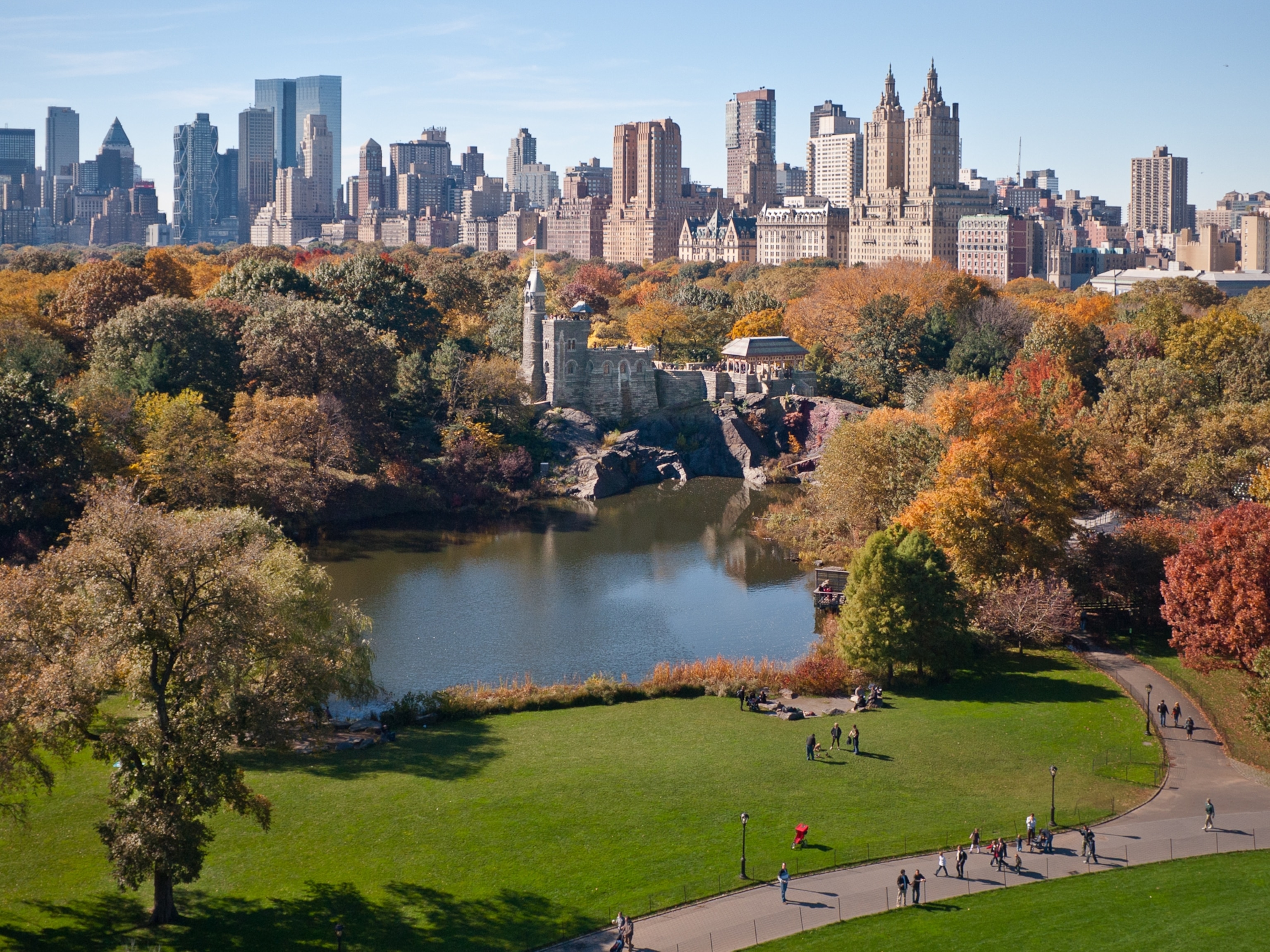
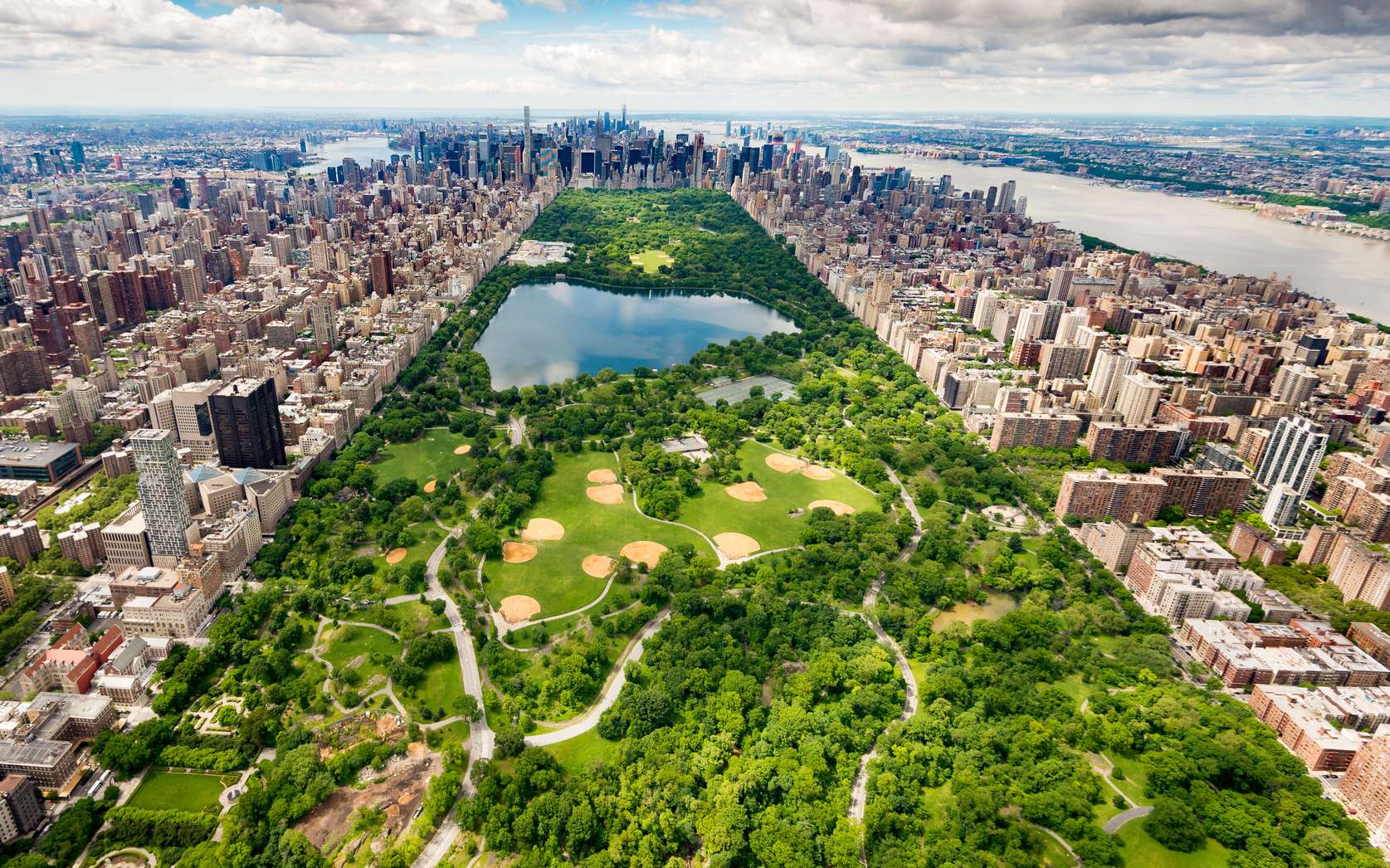
Despite its relatively small footprint compared to sprawling spaces like Central Park, Althea Park is designed with maximum utility in mind. The layout reflects contemporary urban planning principles that prioritize "active" and "passive" recreation zones.
Playground Infrastructure
The playground area is the centerpiece for families. In 2026, the equipment adheres to the latest safety standards, featuring rubberized safety surfacing to prevent injuries from falls. The structures include:
- Multi-level climbing frames: Designed to develop motor skills in children ages 5 to 12.
- Swings: Including standard belts, bucket seats for toddlers, and ADA-accessible swings.
- Interactive play panels: Aimed at younger children to foster cognitive development and sensory play.
Seating and Passive Recreation
For those seeking a quieter experience, the park offers several benches situated under the shade of mature deciduous trees. These areas are popular with neighborhood seniors and students who use the space for reading or socializing. The 2026 maintenance schedule ensures that these benches are kept in good repair, often utilizing recycled composite materials that resist weathering and vandalism better than traditional wood.
Green Space and Landscaping
The park’s landscaping incorporates native plant species that are drought-resistant and beneficial to local pollinators. This aligns with the New York City Parks Department's 2026 sustainability goals. By choosing native flora, the city reduces the need for chemical fertilizers and excessive irrigation, creating a micro-ecosystem that supports urban wildlife like songbirds and butterflies.
Park Maintenance and Safety Standards in 2026
The upkeep of Althea Park is managed by the NYC Parks Department, with support from local community boards and sometimes "Friends of" groups. Maintaining a park in a dense urban environment requires a rigorous operational framework.
Daily Operations and Cleanliness
As of 2026, the park is subject to daily cleaning rounds. Maintenance crews are responsible for:
- Waste Management: Emptying refuse and recycling bins to prevent overflow and deter pests.
- Surface Inspection: Checking playground equipment for wear and tear or potential safety hazards.
- Sanitization: Periodic cleaning of high-touch surfaces, a standard practice that evolved significantly in the early 2020s.
Safety and Security
Safety in the park is a collaborative effort. The park is well-lit with energy-efficient LED lighting that automatically adjusts based on ambient light levels, ensuring visibility during the evening hours. Regular patrols by New York City Park Rangers and local precinct officers help maintain a family-friendly atmosphere. Furthermore, the "eyes on the street" provided by the surrounding residential buildings contribute to a self-policing environment where community members look out for one another.
Comparative Analysis of Harlem Parks
To understand the specific value of Althea Park, it is helpful to compare it with other green spaces in the immediate vicinity. While larger parks offer more expansive trails, Althea Park excels in neighborhood-level accessibility and focused play.
| Park Name | Approximate Size | Primary Feature | Target Audience |
|---|---|---|---|
| Althea Park | 0.2 Acres | Modern Playground/Historic Tribute | Families and Local Residents |
| Morningside Park | 30 Acres | Landscaped Slopes/Pond/Waterfalls | Hikers, Tourists, Students |
| St. Nicholas Park | 23 Acres | Hamilton Grange/Dog Run | Pet Owners, History Buffs |
| Marcus Garvey Park | 20 Acres | Outdoor Amphitheater/Pool | Arts Lovers, Swimmers |
Althea Park occupies a unique niche. Because of its size, it is less of a "destination park" for tourists and more of an "essential service" for the people living on its immediate blocks. It provides a level of intimacy and safety that larger, more anonymous parks can sometimes lack.
Community Events and Local Impact
Althea Park serves as a venue for small-scale community gatherings. While it does not host large festivals (which are better suited for Morningside or Marcus Garvey Parks), it is a frequent site for:
- Back-to-School Events: Local organizations often use the space to distribute school supplies.
- Small Art Installations: Occasional temporary public art pieces that celebrate Harlem's cultural heritage.
- Playdates and Birthday Parties: The playground is a go-to spot for neighborhood parents organizing informal social events for children.
The impact of such a space on community health cannot be overstated. Access to local green space is linked to lower stress levels in adults and improved developmental outcomes in children. In 2026, as urban density continues to rise, spaces like Althea Park are recognized as essential public health infrastructure.
Visiting Guidelines and Best Practices
To ensure a positive experience for all visitors, the NYC Parks Department enforces several standard rules. Adhering to these guidelines helps preserve the park for future generations.
Hours of Operation
Generally, Althea Park is open from 6:00 AM to 10:00 PM daily. Visitors should check posted signage at the entrance for any seasonal changes or temporary closures due to maintenance.
Park Rules for 2026
- No Smoking: All New York City parks are smoke-free zones, including electronic cigarettes.
- Pet Policy: While leashed dogs are permitted on the walkways, they are strictly prohibited from the playground areas for hygiene and safety reasons.
- Trash Disposal: Visitors are encouraged to follow "Carry In, Carry Out" principles or use the provided recycling and trash receptacles.
- Noise Levels: Respect the surrounding residential neighborhood by keeping music and noise at reasonable levels.
Seasonal Considerations
- Summer: The playground can get quite hot during midday. The shaded seating areas become high-demand spots.
- Winter: Snow removal is prioritized on the main walkways to ensure the park remains a safe cut-through for commuters.
- Spring/Fall: These are the peak times for the park’s landscaping, as the native flowers and trees are in full bloom or changing color.
Troubleshooting and Reporting Issues
If a visitor encounters a problem at Althea Park—such as broken equipment, overflowing trash, or safety concerns—the primary method for reporting is the NYC 311 system.
- Online/App: Use the 311 app to upload a photo and the exact location of the issue.
- Phone: Dial 311 (or 212-NEW-YORK if outside the city) to speak with a representative.
- Department of Parks: For specific inquiries regarding permits for small gatherings, visitors can contact the Manhattan Borough Commissioner’s office.
Reporting these issues promptly ensures that the park remains in the top-tier condition expected of New York City public spaces in 2026.
FAQs About Althea Park
Who was Althea Gibson and why is the park named after her?
Althea Gibson was a legendary American tennis player and professional golfer. She was the first Black athlete to cross the color line of international tennis, winning major titles in the 1950s. The park is named in her honor because she grew up in the Harlem neighborhood and is a symbol of athletic achievement and social progress.
Is Althea Park suitable for toddlers?
Yes, Althea Park features playground equipment specifically designed for younger children, including bucket swings and lower-profile climbing structures. The rubberized flooring is also helpful for toddlers who are still perfecting their balance.
Does the park have public restrooms?
Althea Park itself is a smaller neighborhood park and typically does not have built-in public restrooms. However, visitors often utilize facilities in nearby larger parks like Morningside Park or local businesses along Manhattan Avenue and 125th Street.
Can I host a large event or party at Althea Park?
Due to its limited size, Althea Park is best suited for small, informal gatherings. If you plan to have a group of more than 20 people, New York City law requires a Special Event Permit from the Parks Department. For very large events, it is generally recommended to look at Marcus Garvey Park or the North Meadow of Central Park.
Is the park wheelchair accessible?
Yes, the park is designed to be ADA-compliant. The entrances have curb cuts, the walkways are paved and level, and there are accessible seating options and play equipment available.
Is there Wi-Fi available in the park?
As part of the city's 2026 digital infrastructure initiative, many small parks in Harlem have access to nearby LinkNYC kiosks or municipal Wi-Fi hotspots that provide connectivity within the park’s boundaries.
Final Recommendation for Visitors
Whether you are a local resident or a visitor exploring Harlem, Althea Park is a worthy stop for its blend of quiet green space and historical significance. To make the most of your visit, aim for the morning hours when the park is most tranquil, or the late afternoon when the community energy is at its peak. Take a moment to read the commemorative signage regarding Althea Gibson; it provides a deeper appreciation for the ground you are standing on. By respecting the park rules and utilizing the space for its intended purposes, you contribute to the vibrant, ongoing story of Harlem's public spaces.