Genocide is the intentional and systematic destruction of a racial, political, or cultural group. Formally defined by the United Nations in 1948, it remains the most serious crime under international law. Understanding genocide requires analyzing historical events through the lenses of legal definitions, social precursors, and the specific intent to destroy a people.
The Legal and Philosophical Definition of Genocide
To understand genocides in history, one must first understand the origin of the term. The word was coined in 1944 by Polish-Jewish lawyer Raphael Lemkin. Seeking to describe the systematic murder of Jews by Nazi Germany—and drawing parallels to the 1915 slaughter of Armenians—Lemkin combined the Greek word genos (race or tribe) with the Latin cide (killing).
In 1948, the newly formed United Nations adopted the Convention on the Prevention and Punishment of the Crime of Genocide (CPPCG). Under Article II of this convention, genocide is defined as any of the following acts committed with the intent to destroy, in whole or in part, a national, ethnical, racial, or religious group:
- Killing members of the group.
- Causing serious bodily or mental harm to members of the group.
- Deliberately inflicting on the group conditions of life calculated to bring about its physical destruction in whole or in part.
- Imposing measures intended to prevent births within the group.
- Forcibly transferring children of the group to another group.
The critical element that distinguishes genocide from other mass killings or war crimes is intent. Perpetrators must intend to eliminate the group's existence, not merely kill individuals during combat or civil unrest. As of 2026, this definition remains the bedrock of international prosecutions at the International Criminal Court (ICC).
The Ten Stages of Genocide: How It Happens
Genocide is rarely a spontaneous event; it is a process that develops through predictable stages. Dr. Gregory Stanton, the founder of Genocide Watch, developed a model that identifies ten stages of genocide. Understanding these stages is essential for early detection and prevention.
- Classification: People are divided into "us and them" based on ethnicity, race, religion, or nationality.
- Symbolization: Groups are given names or other symbols to distinguish them (e.g., the yellow star in Nazi Germany).
- Discrimination: A dominant group uses laws, customs, and political power to deny the rights of other groups.
- Dehumanization: One group denies the humanity of the other. Members are equated with animals, vermin, or diseases. This overcomes the normal human revulsion against murder.
- Organization: Genocide is always organized, usually by the state, often using militias to provide deniability of state responsibility.
- Polarization: Extremists drive the groups apart. Hate propaganda is broadcast to silence the moderate center.
- Preparation: National or perpetrator group leaders plan the "Final Solution." They often use euphemisms to cloak their intentions.
- Persecution: Victims are identified and separated because of their ethnic or religious identity. Death lists are drawn up.
- Extermination: This is the mass killing legally called "genocide." It is "extermination" to the killers because they do not believe their victims to be fully human.
- Denial: The final stage that lasts throughout and always follows a genocide. Perpetrators dig up mass graves, burn bodies, and try to cover up the evidence while blaming the victims.
Major Genocides of the 20th Century
The 20th century is often called the "Century of Genocide" due to the scale of state-sponsored mass murder enabled by modern technology and totalitarian ideologies.
The Armenian Genocide (1915–1917)
Often cited as the first modern genocide, the Armenian Genocide involved the systematic destruction of the Armenian population within the Ottoman Empire. Under the cover of World War I, the Young Turk government orchestrated massacres and "death marches" into the Syrian Desert. An estimated 1.5 million Armenians died. While many nations recognize this as genocide, the Republic of Turkey continues to dispute the term, illustrating the lasting impact of the "Denial" stage.
The Holodomor (1932–1933)
In Soviet Ukraine, a man-made famine known as the Holodomor resulted in the deaths of millions. Under Joseph Stalin’s policy of forced collectivization and the requisitioning of grain, Ukrainian peasants were systematically starved. While historical debate once focused on whether this was a byproduct of poor policy or intentional murder, many modern historians and international bodies recognize it as a genocide aimed at crushing Ukrainian national aspirations.
The Holocaust (1941–1945)
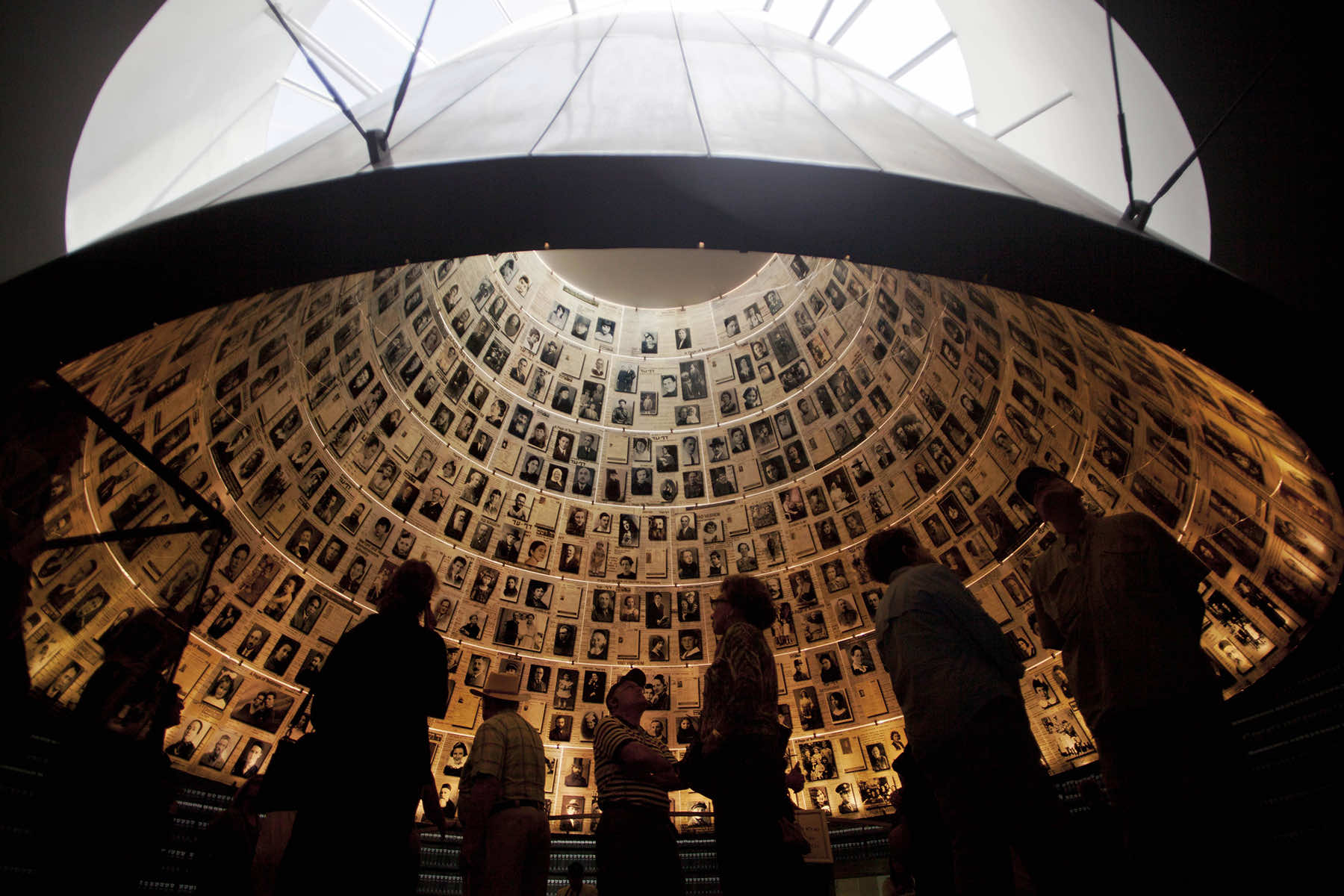
The Holocaust (Shoah) is the most documented genocide in history. Nazi Germany, led by Adolf Hitler, murdered six million Jews and millions of others, including Romani people, individuals with disabilities, and LGBTQ+ individuals. It was unique for its "industrial" nature—using gas chambers, crematoria, and sophisticated logistics to maximize the efficiency of murder. The Yad Vashem archives provide the most comprehensive record of this period.
The Cambodian Genocide (1975–1979)
Following the Cambodian Civil War, the Khmer Rouge, led by Pol Pot, attempted to transform Cambodia into a communist agrarian utopia. They declared "Year Zero," abolished money, religion, and schools, and forced the entire population into rural labor camps. Anyone perceived as an intellectual (including those who wore glasses or spoke foreign languages) was executed. Between 1.7 and 2 million people—roughly 25% of the population—died from execution, starvation, or disease.
The Rwandan Genocide (1994)
In just 100 days, approximately 800,000 Tutsis and moderate Hutus were slaughtered by Hutu extremist militias (the Interahamwe). The genocide was triggered by the shooting down of President Juvénal Habyarimana's plane. The international community, including the United Nations, famously failed to intervene, despite clear warnings of the impending massacre. This failure led to the development of the "Responsibility to Protect" (R2P) doctrine in the early 21st century.
Genocides and Mass Atrocities in the Post-Cold War Era
The end of the Cold War did not signal the end of genocide. Instead, ethnic tensions previously suppressed by superpower dynamics erupted in several regions.
The Bosnian Genocide (1995)
During the Bosnian War, Bosnian Serb forces carried out "ethnic cleansing" to create a "Greater Serbia." The most acute event occurred in Srebrenica in July 1995, where over 8,000 Muslim men and boys were systematically executed in a UN-declared "safe area." The International Criminal Tribunal for the former Yugoslavia (ICTY) later ruled that the massacre at Srebrenica constituted genocide.
The Darfur Genocide (2003–Present)
In the Darfur region of Sudan, the government and the Janjaweed militia launched a campaign against non-Arab ethnic groups (primarily the Fur, Masalit, and Zaghawa). Hundreds of thousands have been killed through direct violence, disease, and starvation. In 2004, the United States became the first country to formally label the atrocities in Darfur as genocide while they were still ongoing.
The Yazidi Genocide (2014)
When the Islamic State (ISIS) seized territory in Iraq and Syria, they targeted the Yazidi religious minority. Thousands of men were executed, and women and children were forced into sexual slavery and forced conversions. The UN and several national governments have recognized these actions as genocide.
Comparison of Historically Significant Genocides
The following table compares major genocides based on recognized historical data and international findings.
| Genocide Name | Primary Location | Key Period | Estimated Death Toll | Primary Perpetrators |
|---|---|---|---|---|
| Armenian | Ottoman Empire | 1915–1917 | 1–1.5 Million | Young Turk Government |
| Holodomor | Soviet Ukraine | 1932–1933 | 3.5–7 Million | Soviet Government (Stalin) |
| The Holocaust | Europe (Nazi-occupied) | 1941–1945 | 6 Million (Jews) | Nazi Germany |
| Cambodian | Cambodia | 1975–1979 | 1.7–2 Million | Khmer Rouge |
| Rwandan | Rwanda | 1994 | 800,000 | Hutu Extremists |
| Srebrenica | Bosnia | 1995 | 8,000+ | Bosnian Serb Forces |
| Darfur | Sudan | 2003–2026* | 300,000+ | Janjaweed/Sudanese Gov |
| Rohingya | Myanmar | 2017–Ongoing | 10,000–25,000+ | Myanmar Military |
*Note: Conflict and displacement in Darfur have persisted in various forms through 2026, with the ICC maintaining active investigations.
The Role of International Justice and Prevention
As of 2026, the international legal landscape for addressing genocide is centered on several key institutions and frameworks. The International Criminal Court (ICC) in The Hague is the permanent tribunal established to prosecute individuals for genocide, crimes against humanity, and war crimes.
Universal Jurisdiction
One significant development in the 2020s has been the increased use of universal jurisdiction. This legal principle allows national courts to prosecute individuals for genocide regardless of where the crime was committed or the nationality of the perpetrator or victim. For example, German and French courts have successfully prosecuted individuals for crimes committed during the Syrian Civil War and the Rwandan Genocide.
Challenges in Determination
The word "genocide" is often used politically. Because the legal threshold for "intent to destroy" is so high, many mass killings are classified as "crimes against humanity" or "ethnic cleansing" rather than genocide. Ethnic cleansing refers to the forced removal of a group from a territory, which often involves mass murder but may lack the specific intent to physically destroy the entire group as an entity.
Identifying Modern Risks: The Genocide Watch List
In 2026, several regions remain under high alert for genocidal violence. Prevention efforts now rely heavily on digital forensics, satellite imagery, and social media monitoring to detect the early stages of polarization and preparation.
The primary risk factors identified by modern monitoring bodies include:
- Dictatorial Governance: A lack of democratic checks and balances allows leaders to mobilize state resources for mass murder.
- Severe Economic Crises: Scarcity often leads to "scapegoating" of minority groups.
- Legacy of Impunity: Societies that have not reconciled with past genocides are at higher risk for recurrence.
- Hate Speech Regulation: The role of social media in amplifying dehumanization has become a central focus for 21st-century genocide prevention.
Frequently Asked Questions
What is the difference between genocide and ethnic cleansing?
Genocide is the specific intent to physically destroy a group, in whole or in part. Ethnic cleansing is the forced removal of a group from a specific territory to make it "ethnically homogeneous." While ethnic cleansing often involves violence and murder, its primary goal is displacement, whereas genocide's primary goal is destruction.
Has the United States ever committed genocide?
This is a subject of significant academic and legal debate. Many historians argue that the 19th-century policies toward Native Americans—including forced removals like the Trail of Tears and the systematic destruction of bison—meet the modern UN definition of genocide. While not prosecuted under the 1948 Convention (which cannot be applied retroactively), these events are increasingly studied through the framework of settler-colonial genocide.
Why is the Armenian Genocide still controversial?
The controversy is primarily political. The Turkish government acknowledges that many Armenians died during WWI but denies that there was a state-sponsored plan to exterminate them. They argue the deaths were a result of war, famine, and civil unrest. However, the vast majority of historians and over 30 countries officially recognize it as a genocide.
Can individuals be prosecuted for genocide if they weren't the "leader"?
Yes. International law, specifically the statutes of the ICC and the earlier Nuremberg trials, establishes that "following superior orders" is not a defense for participating in genocide. Anyone who participates in the planning, incitement, or execution of genocidal acts can be held criminally liable.
How many genocides are currently happening in 2026?
As of 2026, several situations are under formal investigation or monitoring for genocidal acts. These include the treatment of the Rohingya in Myanmar, the ongoing conflict in the Darfur region of Sudan, and the displacement of ethnic minorities in various conflict zones in the Middle East and Africa. Legal determinations often take years to finalize.
Moving Toward Prevention
The most effective way to address genocide is to intervene during the early stages of Classification and Dehumanization. By the time a situation reaches the Extermination stage, the cost of intervention—both in lives and political capital—is significantly higher.
For students, researchers, and policymakers, the next step is to support organizations that monitor human rights violations and to advocate for the strengthening of international law. Education remains the most potent tool against the "Denial" stage, ensuring that the victims of historical genocides are remembered and that the patterns of the past are not repeated.