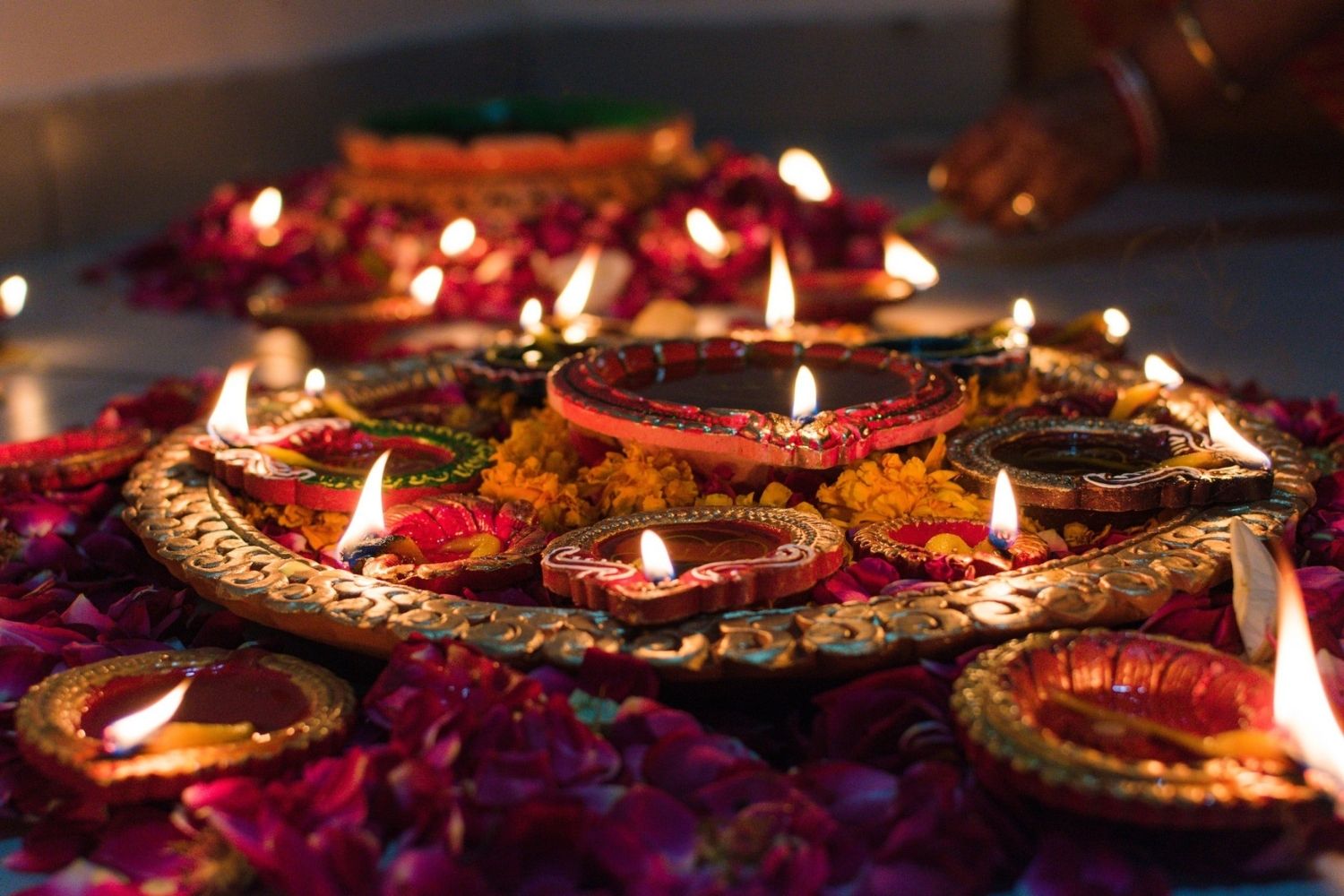
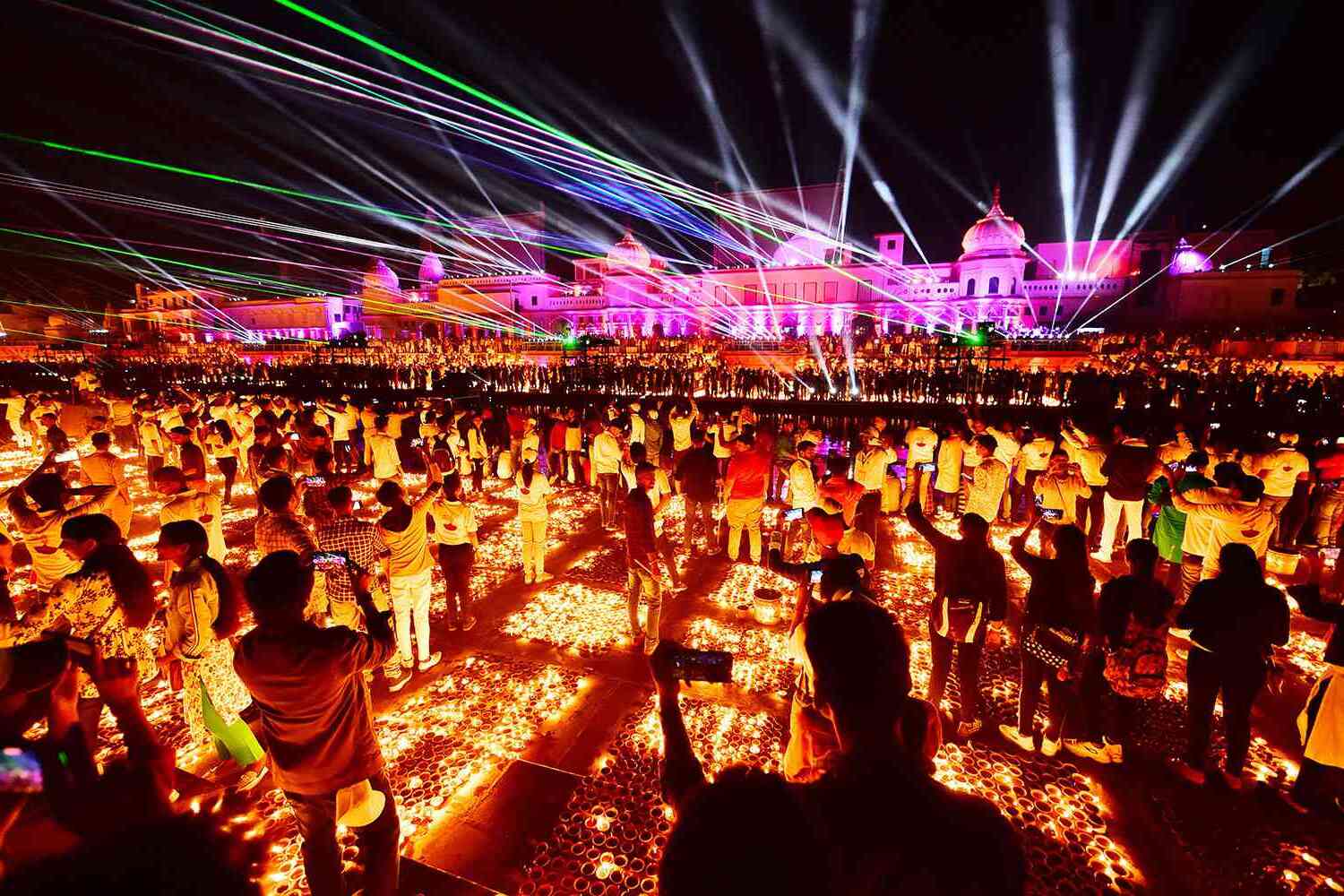
Diwali, also known as Deepavali, is a five-day festival symbolizing the spiritual "victory of light over darkness, good over evil, and knowledge over ignorance." As India’s most significant cultural event, it involves lighting oil lamps (diyas), creating intricate sand art (rangoli), sharing elaborate feasts, and performing traditional prayers to invite prosperity, peace, and renewal into the home.
Understanding the Spiritual and Historical Significance
The term "Deepavali" originates from the Sanskrit words deepa (lamp) and avali (row), literally translating to a "row of lights." While often generalized as the "Festival of Lights," its depth resides in the various historical and mythological narratives that differ across regions and religions.
In Northern India, Diwali primarily commemorates the return of Lord Rama to Ayodhya after 14 years of exile and his victory over the demon king Ravana. To light his path home on a dark, moonless night, the citizens of Ayodhya lit thousands of earthen lamps. This narrative emphasizes the triumph of righteousness (dharma) over unrighteousness.
Conversely, in Southern India, the festival is frequently associated with Lord Krishna’s defeat of the demon Narakasura, who had imprisoned 16,000 women. The celebration here emphasizes liberation and the destruction of ego. In Western India, particularly in Gujarat, Diwali marks the end of the traditional fiscal year and is heavily associated with Goddess Lakshmi, the deity of wealth and prosperity.
Beyond Hinduism, Diwali holds profound meaning for other faiths:
- Sikhism: Sikhs celebrate Bandi Chhor Divas, marking the day Guru Hargobind Ji, the sixth Guru, was released from Gwalior Fort by the Mughal Emperor Jahangir, along with 52 Hindu kings.
- Jainism: For Jains, Diwali marks the "Mahavira Nirvana," the physical death and ultimate enlightenment (Moksha) of Lord Mahavira, the 24th Tirthankara.
- Buddhism: Some Buddhists, particularly Newar Buddhists in Nepal, celebrate Diwali as "Ashoka Vijayadashami," remembering the day Emperor Ashoka converted to Buddhism and embraced a path of non-violence.
The 2026 Diwali Calendar and Key Dates
In 2026, Diwali falls in November. The festival follows the Hindu lunar calendar, specifically the month of Kartika, meaning the dates fluctuate annually relative to the Gregorian calendar. The main day of celebration, Lakshmi Puja, occurs on the night of the New Moon (Amavasya), which is the darkest night of the month.
| Festival Day | 2026 Date | Significance | Primary Rituals |
|---|---|---|---|
| Dhanteras | Friday, Nov 6 | Celebration of wealth and health. | Buying gold, silver, or kitchen utensils; cleaning the home. |
| Choti Diwali | Saturday, Nov 7 | Commemoration of the defeat of Narakasura. | Early morning oil baths (Abhyanga Snan); lighting smaller diyas. |
| Lakshmi Puja | Sunday, Nov 8 | The main day of Diwali; honoring the Goddess of Wealth. | Grand Puja at sunset; lighting of the entire house; fireworks. |
| Govardhan Puja | Monday, Nov 9 | Honoring Lord Krishna and the environment. | Creating "mountains" of food (Annakut); worshiping cattle. |
| Bhai Dooj | Tuesday, Nov 10 | Celebration of the bond between siblings. | Sisters perform tilak for brothers; exchange of gifts and meals. |
The Five Days of Celebration: A Detailed Breakdown
Diwali is not a single-day event but a progressive series of rituals that prepare the individual and the household for a spiritual and material "new beginning."
Day 1: Dhanteras (Dhanatrayodashi)
The festival begins with Dhanteras, where "Dhan" means wealth and "Teras" refers to the 13th day of the lunar fortnight. This day is dedicated to Dhanvantari, the god of medicine and an avatar of Vishnu, who is believed to have emerged during the "Churning of the Ocean." Families traditionally clean their homes thoroughly to welcome positive energy. It is considered highly auspicious to purchase precious metals like gold or silver, or even new kitchenware, as a symbol of inviting good fortune into the household.
Day 2: Choti Diwali (Naraka Chaturdashi)
Also known as "Small Diwali," this day focuses on the removal of impurities. In many households, the ritual of Abhyanga Snan is performed—a holy bath using scented oils and "Uptan" (a paste of gram flour and herbs) before sunrise. This symbolizes the washing away of sins and ego. In South India, this is often the primary day of celebration, marked by the bursting of crackers to symbolize the destruction of the demon Narakasura.
Day 3: Lakshmi Puja (Main Diwali)
This is the pinnacle of the festival. Homes are decorated with Rangoli—vibrant floor patterns made of colored powder, rice, or flower petals—at the entrance to welcome Goddess Lakshmi. As the sun sets, families gather for the Lakshmi Puja. The ritual involves offerings of sweets, fruits, and flowers to the goddess and Lord Ganesha (the remover of obstacles). After the prayer, every corner of the house is lit with oil lamps. The belief is that Lakshmi wanders the earth on this night and enters only those homes that are clean and brightly lit.
Day 4: Govardhan Puja and Padwa
The fourth day varies significantly by region. In North India, Govardhan Puja commemorates Krishna lifting the Govardhan Hill to protect villagers from torrential rains sent by Indra. Devotees prepare a massive variety of vegetarian food, known as Annakut, to offer to the deity. In Western India, this day is celebrated as Bestu Varas, the start of the New Year, where business owners open new account books (Chopda Pujan).
Day 5: Bhai Dooj
The final day focuses on the bond between brothers and sisters. Similar to Raksha Bandhan, sisters pray for the long life and prosperity of their brothers, applying a vermilion mark (tilak) on their foreheads. In return, brothers provide gifts and vow to protect their sisters. This tradition is rooted in the legend of Yama, the God of Death, who visited his sister Yamuna on this day; she welcomed him with a tilak and a feast, and in return, Yama declared that any brother visited by his sister on this day would be blessed with longevity.
Essential Rituals and Home Preparations
Preparation for Diwali often starts weeks in advance. The technical aspects of "getting ready" for the festival are as important as the spiritual ones.
Decluttering and Cleaning
A core tenet of Diwali is that Goddess Lakshmi resides only in clean environments. This leads to a massive annual "spring cleaning." In a modern context, this involves deep-cleaning upholstery, repainting walls, and decluttering living spaces. Many families follow the principle of donating old clothes and items to the needy during this period, aligning with the spirit of charity (daan).
Lighting and Decoration
The use of Diyas (clay lamps) is non-negotiable. Traditionally, these are filled with mustard oil or ghee and a cotton wick. While LED string lights have become popular for exterior decoration, the earthen diya remains the central symbol of the festival because it represents the transition from the "clay" of the human body to the "light" of the soul.
Rangoli Art
Rangoli is more than just decoration; it is a way to invite deities and guests. Common motifs include lotus flowers (symbolizing Lakshmi), peacocks, and geometric patterns. In many traditions, the Rangoli must remain undisturbed throughout the night of Lakshmi Puja to ensure the goddess's presence is maintained.
Traditional Foods and Gastronomy
Food is a cornerstone of Diwali, with a heavy emphasis on Mithai (sweets). Unlike many other festivals that require fasting, Diwali is a time of indulgence and sharing.
- Gulab Jamun and Jalebi: Deep-fried dough or batter soaked in sugar syrup, representing the sweetness of life.
- Ladoo: Specifically Besan (gram flour) or Motichoor ladoos, which are favored by Lord Ganesha.
- Karanji/Gujiya: Sweet dumplings filled with coconut, jaggery, and nuts, particularly popular in Maharashtra and North India.
- Barfi: Dense milk-based sweets often garnished with "Vark" (edible silver foil).
- Chivda and Mathri: Savory snacks made of flattened rice or flour to balance the sweetness of the desserts.
Sharing food is a social obligation during Diwali. It is customary to visit neighbors, friends, and relatives with boxes of sweets, strengthening community bonds and resolving past conflicts.
Modern Challenges: Sustainability and Safety
As we celebrate in 2026, the focus on "Green Diwali" has transitioned from a niche movement to a mainstream necessity. Urban centers often face significant air quality challenges, leading to stricter regulations on traditional pyrotechnics.
Eco-Friendly Firecrackers
Traditional firecrackers release heavy metals and particulates (PM2.5). Many jurisdictions now permit only "green crackers" developed by institutions like the Council of Scientific and Industrial Research (CSIR). These crackers have a reduced shell size, eliminate potassium nitrate and sulfur, and reduce emissions by approximately 30%.
Sustainable Lighting and Waste
There is a renewed push for using natural clay diyas over plastic-based LED lights to support local artisans and reduce electronic waste. Furthermore, the use of organic colors (derived from turmeric, beetroot, and henna) for Rangoli is encouraged to prevent skin irritation and environmental toxicity.
Safety Protocols
- Fire Safety: Always keep a bucket of water or sand near areas where diyas or crackers are lit. Avoid wearing synthetic or loose-fitting clothing (like nylon or chiffon) near open flames, as these are highly flammable.
- Pet Care: The high-decibel noise of crackers can be distressing for animals. It is recommended to keep pets indoors in a quiet, familiar room during the peak hours of celebration.
- Air Quality: For individuals with respiratory conditions like asthma, staying indoors during the peak of firework activity and using air purifiers is advised.
Global Observance of Diwali
Diwali has become a global phenomenon, recognized far beyond the borders of the Indian subcontinent. In countries like the United Kingdom, the United States, Canada, Australia, and the United Arab Emirates, Diwali is marked by public festivals and legislative recognition.
In the UK, the city of Leicester hosts one of the largest Diwali celebrations outside of India, featuring massive light switch-on events and parades. In the US, the festival has gained significant visibility, with the White House hosting annual Diwali lamp-lighting ceremonies since 2003. Many school districts in New York and New Jersey have also declared Diwali as an official school holiday, reflecting the growing influence of the South Asian diaspora.
Frequently Asked Questions
Why is the date of Diwali different every year?
Diwali follows the Hindu lunisolar calendar, which is based on the positions of the moon and the sun. It is celebrated on the 15th day of the month of Kartika, on the night of the New Moon (Amavasya). Because the lunar year is shorter than the solar year, the date shifts roughly 10 to 12 days earlier each year on the Gregorian calendar, unless an intercalary month (Adhik Maas) is added.
What is the significance of the "First Diya"?
In many traditions, the first diya lit on Dhanteras or Choti Diwali is the "Yama Deep." It is placed facing south (the direction of Yama, the God of Death) outside the home. This ritual is believed to ward off untimely death and protect family members from evil spirits.
Can non-Hindus celebrate Diwali?
Yes. Diwali is a cultural and spiritual festival that welcomes everyone. Its core themes of light, hope, and charity are universal. Many people of different faiths participate by lighting lamps, attending community dinners, and sharing sweets. In 2026, many interfaith organizations host Diwali events to promote cultural understanding.
What should I wear for Diwali?
Traditional attire is customary. For women, this typically includes Saris, Lehengas, or Salwar Kameez, often in bright, festive colors like red, gold, and yellow. For men, Kurta-Pyjamas or Nehru jackets are common. The emphasis is on wearing new or "best" clothes to symbolize renewal.
Is it mandatory to burst firecrackers for Diwali?
No. While firecrackers became a popular way to celebrate in the 20th century, they are not a scriptural requirement. The original tradition focuses on the lighting of oil lamps and internal spiritual reflection. Many modern families opt for "silent" celebrations with music, lights, and community service.
Practical Recommendation for 2026
If you are planning to celebrate or observe Diwali in 2026, start your preparations at least two weeks in advance by decluttering your living space. Focus on the "Five Days" as a journey of personal growth: use Dhanteras to audit your health and finances, Lakshmi Puja for gratitude and family bonding, and Bhai Dooj to strengthen your social ties. To align with modern environmental standards, prioritize handmade clay diyas and organic Rangoli colors, ensuring the "Festival of Lights" remains a source of joy for both the community and the planet.
For further information on regional variations and traditional recipes, you can consult resources from the Ministry of Culture, Government of India or explore the cultural archives at the Smithsonian Institution.