Alfred Molina’s early career represents a disciplined evolution from stage-trained roots in London to a versatile screen presence that would eventually define his status as a legendary character actor. Born in Paddington, London, in 1953, to a Spanish father and an Italian mother, Molina’s trajectory was shaped by the robust theatrical traditions of the United Kingdom, where he refined his craft long before his breakout roles in blockbuster cinema. His journey serves as a blueprint for the actor’s progression from local repertory theater to international acclaim.
The Foundations: Education and Early Training
Before the widespread recognition associated with his later filmography, Alfred Molina was a product of the rigorous British acting education system. His commitment to the craft began in earnest at the Guildhall School of Music and Drama, one of the most prestigious performing arts conservatories in the world. This period was essential for his technical development, as he was forced to balance the nuance of live theatrical performance with the discipline required for professional ensemble work.
Unlike actors who seek immediate screen fame, Molina spent his early years deeply entrenched in the "repertory" system—a staple of mid-20th-century British acting. This meant frequent rotations of plays, short rehearsal windows, and an immense variety of roles. By performing in everything from classical Shakespearean tragedies to contemporary social dramas, he developed an ability to disappear into characters, a skill that would become his professional trademark.
First Steps into Professional Performance
Molina’s professional debut was marked by a blend of humility and grit. His earliest credits were largely within the sphere of British television and regional stage work. Throughout the late 1970s and early 1980s, his work was characterized by a high volume of small, often unnamed, or supporting parts. These roles provided him with essential "set experience"—the ability to operate around cameras, manage lighting cues, and work effectively with directors, long before the pressure of marquee billing was placed upon him.
One of his most significant early professional milestones was his work with the Royal Shakespeare Company. While modern audiences often know him for his cinematic portrayals of antagonists or authority figures, his early career was defined by his range. He played roles that demanded physicality, vocal dexterity, and a high degree of emotional sensitivity. This training was the bedrock upon which his later, more bombastic screen performances were built.
Breakthrough Roles: Transitioning to the Silver Screen
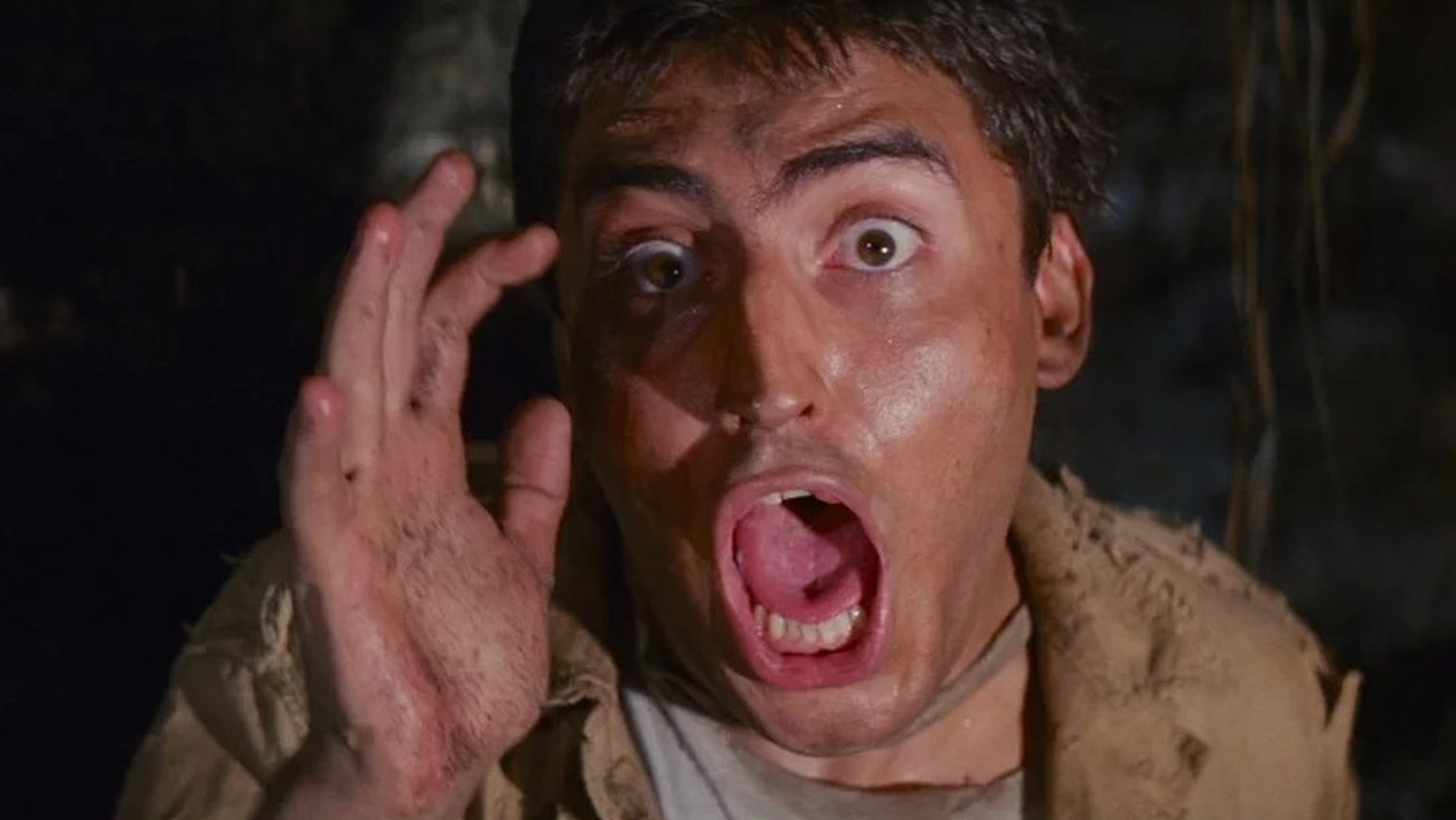
The transition from a working actor in the theater to a recognizable screen presence began in earnest with Raiders of the Lost Ark (1981). While his appearance as Satipo was brief—lasting only until the film’s iconic opening sequence—it provided an immediate global platform. This role illustrates the nature of his early career: he was not a "star" who expected the spotlight, but a professional who treated a small role with the same dedication he applied to a leading part on stage.
Following this, Molina navigated a series of roles that helped audiences and casting directors identify his unique niche. He was often cast as an "everyman" or a foil to larger-than-life protagonists. This period included appearances in various television dramas, where he played complex characters that allowed him to showcase his ability to convey menace, charm, or desperation, often within a limited amount of screen time.
Comparative Analysis of Early Career Milestones
The following table categorizes the distinct phases of Molina’s development during his rise to prominence.
| Phase | Timeframe | Focus | Primary Medium |
|---|---|---|---|
| Education | Mid-1970s | Technical Skill Acquisition | Conservatory / Drama School |
| Repertory | Late 1970s | Versatility & Stamina | Regional / London Theater |
| Debut/Entry | 1981–1985 | Screen Presence / Industry Entry | Feature Film / TV Guest Roles |
| Stabilization | Late 1980s | Character Development | Lead/Supporting Film Roles |
The Role of Character Acting
An essential element of Alfred Molina’s early success was his resistance to being typecast early on. Many actors who share his physical stature find themselves restricted to specific "heavy" roles. However, by leveraging his deep theatrical training, Molina consistently sought out work that challenged the industry’s perception of him.
His early career demonstrates a consistent pattern of taking on roles in projects ranging from high-budget studio films to gritty, independent productions. This diversification protected his longevity. By refusing to rely on a single "brand" of character, he insured himself against the common pitfalls of early fame, where actors find themselves unable to transition into mature, long-term careers because they are permanently associated with a single persona.
Challenges and Lessons for Emerging Artists
The early career of Alfred Molina serves as a case study for aspiring performers in several key ways. First, it highlights the importance of institutional training. While modern digital tools allow for instant content creation, the technical rigor of a conservatory provides a foundation that is difficult to replicate.
Second, it emphasizes the value of patience. Molina did not "blow up" overnight; he occupied a decade of consistent, lower-profile work before he became a household name. This is a vital lesson for artists operating in 2026: the "overnight success" narrative is rarely accurate. Success in acting is typically the result of an iterative process, where each job—regardless of size—serves as an audition for the next.
Finally, Molina’s career highlights the necessity of adaptability. He successfully moved between television, film, and theater without abandoning any of them entirely. This "multimedia" approach allowed him to keep his skills sharp regardless of the prevailing trends in the film industry at any given time.
Frequently Asked Questions
What was Alfred Molina’s first major film role? His first major motion picture appearance was as Satipo in Raiders of the Lost Ark (1981). While the role was supporting, it remains one of his most recognized early contributions and served as his introduction to large-scale, international film productions.
Did Alfred Molina train at a formal acting school? Yes, Molina attended the Guildhall School of Music and Drama in London. This formal training was instrumental in his development, providing him with a grounding in classical theater techniques that served him throughout his career.
How did his theater background influence his screen work? His theatrical training allowed him to understand character motivation, projection, and physical awareness. This helped him transition from the stage to the screen with a degree of authority and control that many actors struggle to achieve when moving from live performance to film.
Did Molina focus on a specific genre early in his career? No, he actively avoided genre limitations. His early career included a mix of Shakespearean roles, contemporary dramas, and adventure films. This refusal to specialize in one genre allowed him to maintain a wide range of employment options and prevented typecasting.
What is the most important lesson from his early career path? The primary lesson is the necessity of building a foundation of craft. Molina’s success was not a product of luck but a steady progression from school to the stage, and then to screen, building credibility at every stage of the process.
Strategic Recommendation for Aspiring Performers
For those looking to build a sustainable acting career, the trajectory established by Alfred Molina remains a gold standard. The recommended approach is to prioritize technical training over immediate exposure. Focus on securing work that challenges your range, even if it does not offer immediate prestige. By viewing each role as an opportunity to refine a specific aspect of the craft—such as voice control, character analysis, or screen discipline—you create a professional identity that is resilient against the volatility of the entertainment industry. Build your reputation through consistent, high-quality work, and let the recognition follow the craft, rather than pursuing recognition as an end in itself.