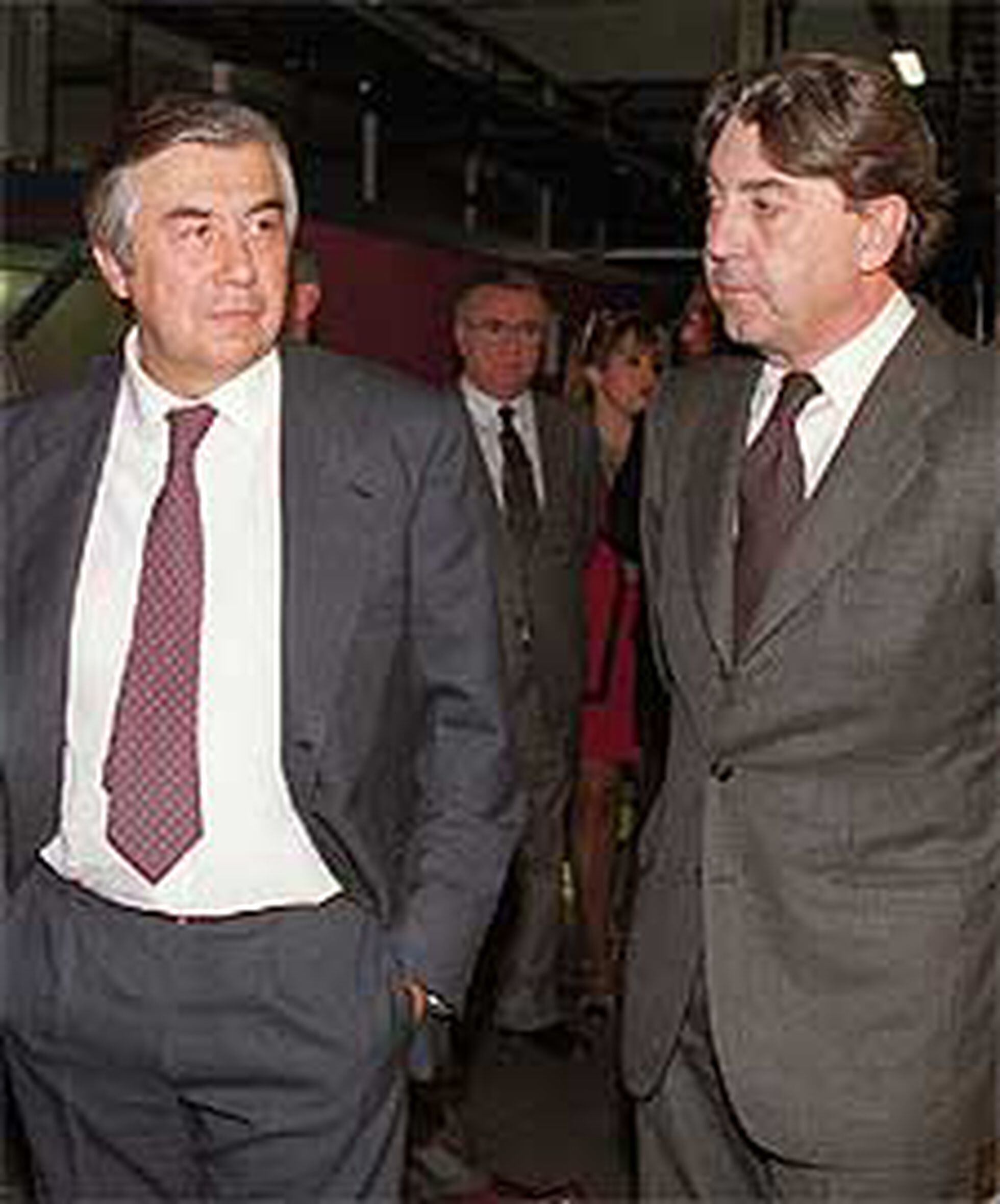
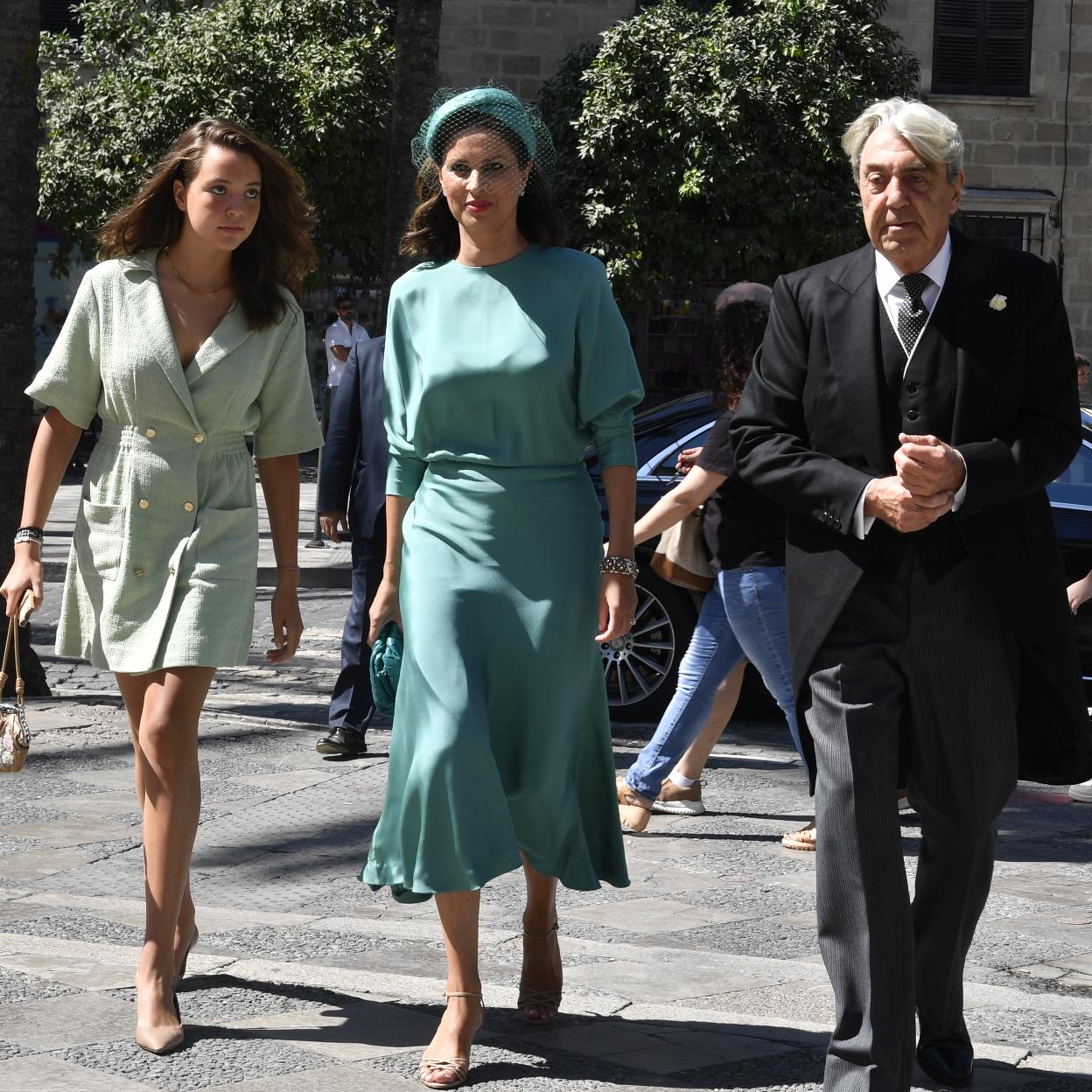
Alberto Cortina de Alcocer is a prominent Spanish businessman and billionaire who, alongside his cousin Alberto Alcocer, formed the powerful investment duo known as "Los Albertos." For over four decades, Cortina has remained a central figure in the Spanish financial landscape, exercising significant influence through strategic holdings in construction, renewable energy, and international banking. As of 2026, he continues to manage a diversified portfolio primarily through Alcor Holding, maintaining his status as one of the most influential private investors in Southern Europe.
The Origins of the Alcor Partnership
The story of Alberto Cortina is inseparable from that of his cousin, Alberto Alcocer. Born into a family with deep roots in Spanish industry and law, Cortina’s career trajectory was established early through a combination of academic preparation and strategic familial alliances. The "Los Albertos" moniker represents more than just a family connection; it describes a unified financial entity that has navigated the complexities of the Spanish transition to democracy and its subsequent integration into the European Union.
Starting in the late 1960s and early 1970s, the cousins began working together, demonstrating an early aptitude for identifying undervalued assets within the Spanish industrial sector. Their approach was often characterized by long-term positioning and a preference for sectors with high barriers to entry, such as infrastructure and heavy industry. This partnership allowed them to pool resources and exert a level of control over major corporations that would have been difficult for a single individual to achieve in the competitive environment of 20th-century Madrid.
The Koplowitz Era and the Rise of FCC
The most significant turning point in Alberto Cortina’s career occurred in the late 1960s and early 1970s through his marriage to Alicia Koplowitz, while his cousin married her sister, Esther Koplowitz. The sisters were the heirs to Construcciones y Contratas (CyC), a construction firm founded by their father, Ernesto Koplowitz.
During the 1980s, "Los Albertos" took over the management of CyC and transformed it from a successful family business into a diversified industrial powerhouse. This period saw the company expand rapidly, eventually merging with Fomento de Obras y Construcciones to form Fomento de Construcciones y Contratas (FCC). Under Cortina’s influence, FCC became one of the largest construction and services groups in Spain, securing massive government contracts and expanding into waste management and water treatment.
The professional and personal lives of the cousins became headline news in Spain, not only due to their business success but also because of the high-profile nature of their marriages and subsequent divorces in the early 1990s. The separation from the Koplowitz sisters led to a complex corporate divorce as well. Cortina and Alcocer eventually exited FCC, receiving a significant financial settlement and a portion of the company’s assets, which served as the seed capital for their next phase of independent investment.
Strategic Holdings: ACS and the Power of Infrastructure
After leaving FCC, Alberto Cortina redirected his focus toward other industrial giants. One of his most enduring and profitable investments has been in Actividades de Construcción y Servicios (ACS). By acquiring a substantial stake in ACS through Alcor Holding, Cortina aligned himself with Florentino Pérez, the influential chairman of the group.
ACS represents a cornerstone of Cortina’s wealth in 2026. The company is a global leader in infrastructure development, with a presence in North America, Australia, and Europe. For Cortina, ACS has functioned as both a source of steady dividends and a vehicle for capital appreciation. His involvement in ACS exemplifies his investment philosophy: backing dominant market players with global reach and strong cash flow.
The investment in ACS also provided Cortina with a seat at the table of the Spanish "Ibex 35" elite. Unlike more speculative investors, Cortina has maintained his position in ACS through various economic cycles, including the global financial crisis and the subsequent recovery periods, demonstrating a commitment to the industrial backbone of the Spanish economy.
Diversification into Renewable Energy and Industry: Ence
Another pillar of Alberto Cortina’s portfolio is Ence Energía y Celulosa. Ence is a leading European producer of eucalyptus pulp and a major player in the renewable energy sector, specifically biomass. Cortina’s involvement in Ence highlights a strategic pivot toward sustainable industries long before "ESG" (Environmental, Social, and Governance) became a standard investment criterion.
| Asset Category | Key Entity | Role/Status (2026) | Strategic Importance |
|---|---|---|---|
| Infrastructure | ACS (Actividades de Construcción y Servicios) | Major Shareholder via Alcor | Global reach, stable dividends, and infrastructure dominance. |
| Energy/Industry | Ence Energía y Celulosa | Strategic Investor | Leader in biomass energy and cellulose production in Europe. |
| Banking/Finance | Banque de Dakar (BDK) | Co-Founder/Major Stakeholder | Gateway to emerging markets in West Africa. |
| Real Estate | Various Holdings (Spain/International) | Direct Ownership | High-value urban assets and agricultural estates. |
| Investment Vehicle | Inversiones Alcor | Primary Holding Company | The central hub for all "Los Albertos" financial activities. |
Through Alcor, Cortina has supported Ence’s transition from a pure commodity producer to a diversified energy company. By utilizing the by-products of pulp production to generate electricity, Ence has become a critical component of Spain’s renewable energy mix. For Cortina, this investment serves as a hedge against the cyclicality of the construction sector, providing exposure to the growing demand for green energy and sustainable materials.
The International Banking Frontier: Banque de Dakar
In recent years, Alberto Cortina has looked beyond the borders of Europe to find growth opportunities, specifically in the banking sector of West Africa. Along with other high-profile investors, he was instrumental in the founding and expansion of Banque de Dakar (BDK), based in Senegal.
The move into African banking was seen by analysts as a bold departure from his traditional Spanish industrial roots. However, it follows a logical progression of seeking out high-growth markets where financial services are still under-penetrated. BDK has focused on corporate banking and wealth management, aiming to facilitate trade and investment within the WAEMU (West African Economic and Monetary Union) zone. This venture demonstrates Cortina’s willingness to take calculated risks in emerging markets, leveraging his decades of financial experience to navigate complex regulatory environments outside of the Eurozone.
The Urbanor Case: Legal Challenges and Legacy
No comprehensive profile of Alberto Cortina would be complete without addressing the Urbanor Case, a legal saga that spanned more than two decades and became a landmark in Spanish jurisprudence. The case originated in the late 1980s and concerned the sale of the Urbanor company, which owned the land where the iconic KIO Towers (Puerta de Europa) in Madrid now stand.
Minority shareholders accused Cortina and Alcocer of fraud, alleging that the cousins had negotiated a higher price for their own shares than what was disclosed to other partners during the sale to the Kuwait Investment Office (KIO). The legal proceedings were a rollercoaster:
- Initial Conviction: In the early 2000s, the cousins were initially sentenced to prison by the Provincial Court of Madrid.
- Supreme Court Affirmation: The Supreme Court later upheld the conviction.
- Constitutional Court Intervention: In a dramatic turn of events, the Spanish Constitutional Court eventually overturned the sentence on the grounds that the statute of limitations (prescripción) had expired before the legal action reached its conclusion.
While the cousins were acquitted of the criminal charges due to the statute of limitations, they were later ordered by civil courts to compensate the minority shareholders. The Urbanor case significantly impacted Cortina’s public image, portraying him as a ruthless figure of the "beautiful people" era of Spanish capitalism. However, it did little to diminish his underlying financial power or his ability to continue operating at the highest levels of business.
Wealth Management and Private Life
As of 2026, Alberto Cortina’s net worth remains in the billionaire bracket, though the exact figure fluctuates with the market value of ACS and Ence. His wealth is managed with a high degree of discretion. Unlike the tech billionaires of the current era, Cortina belongs to a generation of Spanish elite that values privacy and traditional markers of success.
His personal assets include:
- Estate Management: Cortina is known for owning large hunting estates (fincas) in Spain, such as the Las Cuevas estate in Ciudad Real. These properties are not just recreational; they are managed as professional agricultural and livestock enterprises.
- Art Collection: He is a noted collector of art, possessing works that span several centuries. This collection serves as both a personal passion and a sophisticated asset class.
- Philanthropy: While less publicized than his business ventures, Cortina has been involved in various charitable initiatives, often focusing on social welfare and cultural preservation in Spain.
Analysis of the "Los Albertos" Investment Philosophy
The enduring success of Alberto Cortina can be attributed to a specific investment philosophy that has remained remarkably consistent over fifty years. This philosophy is built on three pillars:
1. Control Through Minority Stakes
Cortina rarely seeks 100% ownership of a company. Instead, he and his cousin typically acquire "blocking" or "significant influence" stakes (often between 5% and 15%). This allows them to influence board decisions and strategic direction without the operational burden or the full capital requirement of a total takeover. This "lean" approach to corporate control has allowed them to participate in multiple major industries simultaneously.
2. Alignment with Strong Operators
Cortina has a history of partnering with effective managers. His long-standing support of Florentino Pérez in ACS is the prime example. By providing the capital and the board-level support, Cortina allows these "super-managers" to execute long-term strategies, while he focuses on the financial health and shareholder value of the holding.
3. Resilience and Patience
The "Los Albertos" strategy is inherently patient. They have demonstrated a capacity to hold positions for decades, ignoring short-term market volatility. This was particularly evident during the various economic downturns in Spain, where many of their contemporaries were forced to liquidate assets. Cortina’s ability to maintain liquidity in his holding companies has allowed him to survive where others failed.
Frequently Asked Questions
What is Alberto Cortina’s primary source of wealth?
His wealth is primarily derived from his ownership of Alcor Holding, which maintains significant stakes in major corporations like ACS (construction and services) and Ence (renewable energy and pulp). His initial capital was significantly increased during his leadership of FCC in the 1980s.
How are Alberto Cortina and Alberto Alcocer related?
They are first cousins. They have operated as a singular business partnership for most of their careers, leading to the nickname "Los Albertos" in the Spanish press and financial sectors.
Was Alberto Cortina ever in prison?
No. Although he was sentenced to prison in the early 2000s regarding the Urbanor case, the Spanish Constitutional Court eventually overturned the sentence based on the statute of limitations (prescripción), meaning he never served time.
What is his current role in ACS?
Cortina acts as a major shareholder through his investment vehicles. While he may not handle the day-to-day operations—which are led by Chairman Florentino Pérez—he remains a key figure in the ownership structure and influential in major strategic decisions.
Does Alberto Cortina invest outside of Spain?
Yes. His most notable international venture is the co-founding of Banque de Dakar (BDK) in Senegal, which serves the West African market. Additionally, through ACS, he has indirect exposure to massive infrastructure projects in the United States, Canada, and Australia.
Next Steps for Researchers and Investors
To fully understand the impact of Alberto Cortina on the modern economy, one should monitor the regulatory filings of ACS (Actividades de Construcción y Servicios) and Ence Energía y Celulosa on the Bolsa de Madrid. These filings provide transparency into his holding shifts and the dividends that sustain his investment empire. Furthermore, studying the history of Fomento de Construcciones y Contratas (FCC) offers a masterclass in how family-run businesses can be scaled into multinational corporations through strategic management and financial engineering.