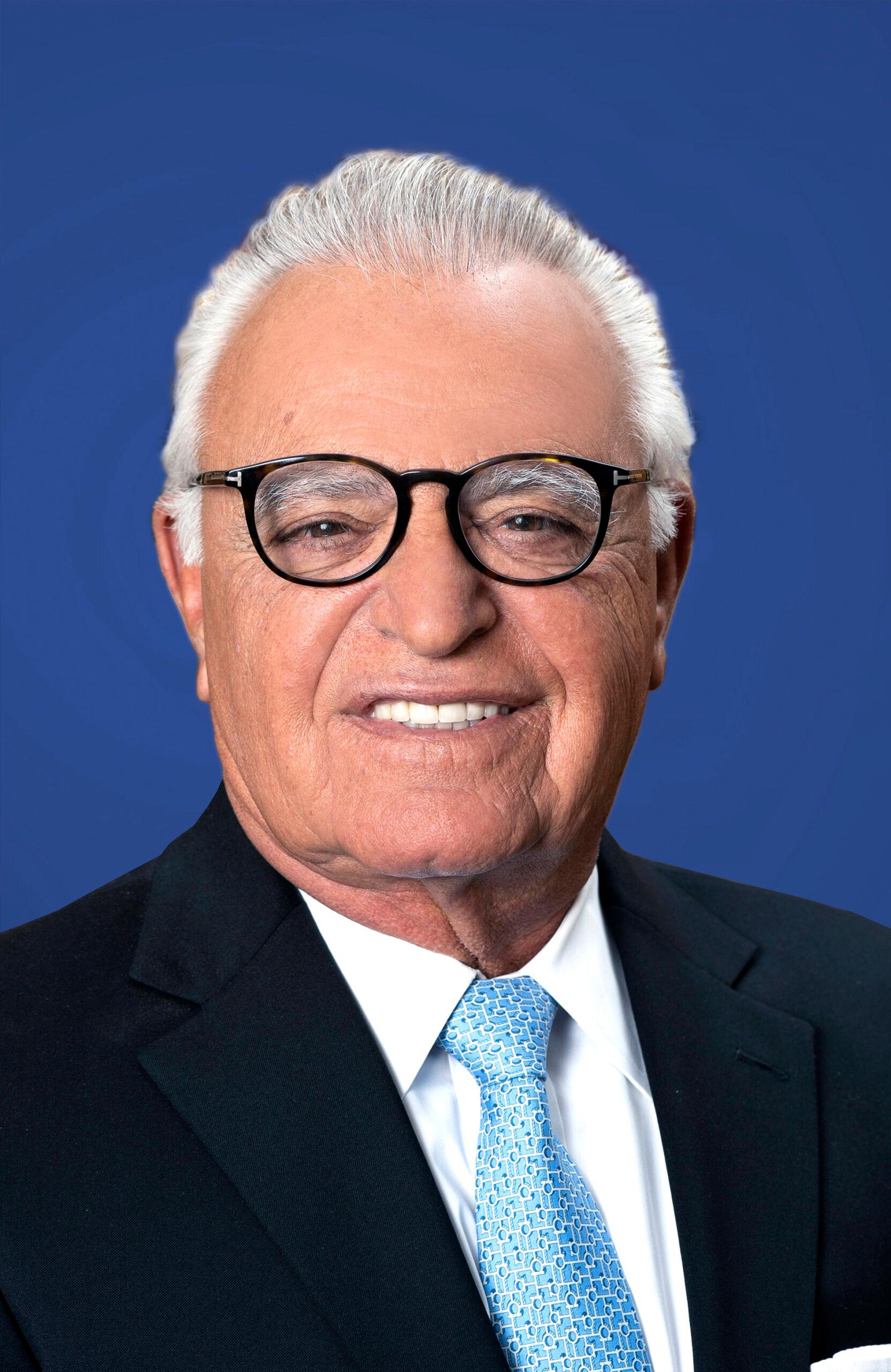
As of 2026, Albert Allaham’s net worth is estimated to be between $15 million and $25 million. This valuation is primarily derived from his ownership of Reserve Cut, one of the highest-grossing kosher steakhouses in the world, alongside his family’s long-standing retail butcher business, The Prime Cut, and strategic investments in luxury hospitality and real estate.
The Foundation of the Allaham Wealth: A Generational Legacy
To understand the net worth of Albert Allaham, one must first look at the multi-generational foundation upon which his career is built. Allaham is a fourth-generation master butcher, descending from a lineage that traces its expertise back to Damascus, Syria. This historical context is not merely a biographical detail; it is the "intellectual property" of the Allaham brand.
The family immigrated to the United States and established themselves in Brooklyn, specifically within the Syrian Jewish community. In 2004, they opened The Prime Cut in the Flatbush neighborhood. This was not a standard neighborhood butcher shop; it was a high-end retail establishment that specialized in premium cuts, dry-aged beef, and a level of service that mirrored the luxury boutiques of Manhattan.
The financial success of The Prime Cut provided the initial capital necessary for Albert to pivot from retail to high-stakes Manhattan hospitality. By the time he looked toward Wall Street, the Allaham family had already secured a significant portion of the high-end kosher meat market in New York City, establishing a vertically integrated supply chain that would later give Reserve Cut a distinct competitive advantage.
Reserve Cut: The Crown Jewel of the Portfolio
In 2013, Albert Allaham took a significant financial risk by opening Reserve Cut in the Setai Wall Street. At the time, the concept of a "luxury kosher steakhouse" that could compete with secular giants like Del Frisco’s or Peter Luger was relatively untested in the Financial District.
Revenue and Valuation Metrics
Reserve Cut occupies over 12,000 square feet and features more than 300 seats, including private dining rooms and a high-end lounge. In the world of Manhattan real estate and hospitality, square footage and seating capacity are direct indicators of revenue potential.
Industry analysts in 2026 estimate that a restaurant of this caliber, maintaining a high occupancy rate in the Financial District, generates annual revenues exceeding $12 million to $15 million. When calculating net worth based on business valuation, hospitality enterprises are often valued at a multiple of EBITDA (Earnings Before Interest, Taxes, Depreciation, and Amortization). For a stable, high-performance brand like Reserve Cut, a valuation multiple of 3x to 5x annual earnings is standard, placing the value of the restaurant alone in the $10 million to $18 million range.
The Vertical Integration Advantage
A significant portion of Allaham's net worth is protected by his business model's efficiency. Because of his family’s roots in the butcher industry, Reserve Cut benefits from a unique supply chain. While other high-end restaurants must pay premium markups to middle-man distributors for Wagyu and dry-aged USDA Prime beef, Allaham’s connections and the family’s retail operations allow for better margins. In the restaurant business, where margins are notoriously thin (often between 5% and 10%), an owner who controls their primary cost of goods sold (COGS) can see margins closer to 15% or 20%.
The Economics of Luxury Kosher Dining in 2026
The "Kosher tax"—the added cost of rabbinical supervision, specialized slaughtering processes, and the removal of certain fats and veins—usually increases the cost of meat by 30% to 50%. However, Albert Allaham successfully transformed this operational hurdle into a luxury branding tool.
In 2026, the market for "Kosher-Plus" dining has expanded. Consumers are no longer just looking for food that meets religious requirements; they are looking for an aesthetic and culinary experience that rivals non-kosher Michelin-starred establishments. By capturing this demographic, Allaham has insulated his net worth from broader economic downturns. His clientele includes:
- Wall Street Executives: Who utilize the space for high-stakes business lunches.
- International Tourists: Specifically from Israel, France, and Panama, who seek reliable luxury dining while traveling.
- The Syrian Jewish Elite: A community known for significant philanthropic and business wealth, providing a loyal "home" audience.
Real Estate and Strategic Partnerships
While the restaurant is the most visible asset, Albert Allaham’s net worth is also tied to the physical locations his businesses inhabit. In Manhattan, the leasehold interest of a long-term contract in a building like the Setai is an asset in itself.
Furthermore, Allaham has been involved in high-level partnerships that increase his brand equity. His collaboration with the Setai and various luxury lifestyle brands has positioned him not just as a "chef" or "owner," but as a hospitality consultant. In the 2024–2026 period, many hospitality moguls have shifted toward "management contracts" rather than outright ownership to mitigate risk, a strategy that allows for steady cash flow without the overhead of physical operations.
Comparative Financial Analysis: High-End Hospitality 2026
The following table illustrates how Albert Allaham's primary venture, Reserve Cut, compares to standard luxury dining metrics in the current 2026 market.
| Metric | Industry Average (Luxury) | Reserve Cut (Estimated) | Impact on Net Worth |
|---|---|---|---|
| Average Check (Per Person) | $120 - $150 | $180 - $250 | High revenue per square foot. |
| Annual Revenue | $5M - $8M | $12M - $16M | Significant asset valuation. |
| COGS (Meat/Produce) | 32% - 35% | 28% - 30% | Higher margins due to vertical integration. |
| Real Estate Footprint | 4,000 - 6,000 sq ft | 12,000+ sq ft | Extensive leasehold value/scale. |
| Brand Equity | Moderate | High (Niche Leader) | Premium on business sale value. |
Factors Influencing Net Worth Fluctuations
Net worth is rarely a static figure, especially for entrepreneurs in the New York City hospitality sector. Several factors influence the $15M to $25M range:
- Labor Costs: New York City’s labor laws and the rising cost of specialized culinary talent in 2026 put pressure on net profits.
- Market Saturation: While Allaham was a pioneer, the 2026 landscape features more competitors in the luxury kosher space. Staying at the top requires continuous reinvestment in decor and menu innovation.
- Expansion Interests: Rumors of a second location or an international "Reserve Cut" pop-up concept would require significant capital outlay but would exponentially increase the brand's valuation if successful.
- Private Equity Interest: As niche luxury brands become targets for acquisition, a potential sale to a hospitality group could instantly liquidate Allaham’s hard assets into a higher cash net worth.
Challenges and Resilience
Albert Allaham’s wealth is not without its risks. The restaurant industry faced unprecedented challenges in the early 2020s. However, Allaham’s ability to maintain a 300-seat venue in one of the world's most expensive zip codes through various economic cycles speaks to a high level of liquidity and fiscal management.
A key component of his financial resilience is his refusal to over-leverage. Unlike many restaurateurs who expand too quickly using high-interest debt, Allaham has focused on perfecting a single, massive "flagship" while maintaining the family’s retail core. This conservative approach to debt-to-equity ratios ensures that his personal net worth remains tied to tangible, performing assets rather than speculative growth.
Frequently Asked Questions
Is Albert Allaham related to other famous butchers?
Yes, he is a member of the Allaham family, which has been in the meat business for over 200 years. His family owns The Prime Cut in Brooklyn, which is a cornerstone of the high-end kosher meat market. This family connection provides the "backbone" of his supply chain expertise.
How does Reserve Cut make money compared to other restaurants?
Reserve Cut generates revenue through three main channels: high-volume nightly dining, corporate events in the Financial District, and private high-end catering. Its ability to charge a premium for "Glatt Kosher" certification while delivering a "non-kosher" luxury aesthetic allows for higher price points than typical steakhouses.
Does Albert Allaham own the building where Reserve Cut is located?
He typically operates under a long-term commercial lease within the Setai Wall Street. While he may not own the skyscraper, the leasehold improvements (the millions of dollars spent on the interior, kitchen, and design) and the lease agreement itself are considered significant business assets.
Has Albert Allaham written a cookbook or appeared on TV?
While primarily focused on operations, Allaham has appeared in various culinary segments and high-profile food publications like Eater and The New York Times. These appearances bolster his "personal brand," which is an intangible asset that contributes to his overall net worth.
What is the primary source of Albert Allaham's wealth?
The primary source is the operational profit and equity value of Reserve Cut. Secondary sources include his stake in the family's retail meat businesses and his role as a leader in the specialized niche of luxury kosher hospitality.
What is the estimated revenue of Reserve Cut in 2026?
Estimated annual revenues for 2026 sit between $12 million and $16 million, depending on the volume of private events and the stability of the Financial District's corporate dining sector.
Practical Recommendation for Observing Business Growth
For those looking to track the growth of Albert Allaham’s empire and net worth, it is essential to monitor two things: Manhattan commercial real estate filings and the expansion of the "Reserve" brand. If Allaham announces a transition into hotel management or a second location in a market like Miami or Dubai, his net worth is likely to see a significant upward adjustment due to the scalability of his business model.
Investors and hospitality students can learn from Allaham’s Vertical Integration Strategy. By controlling the source of his product (the meat), he mitigated the greatest risk in the restaurant industry. Anyone entering the luxury market should prioritize controlling their supply chain to protect their margins and, ultimately, their net worth.