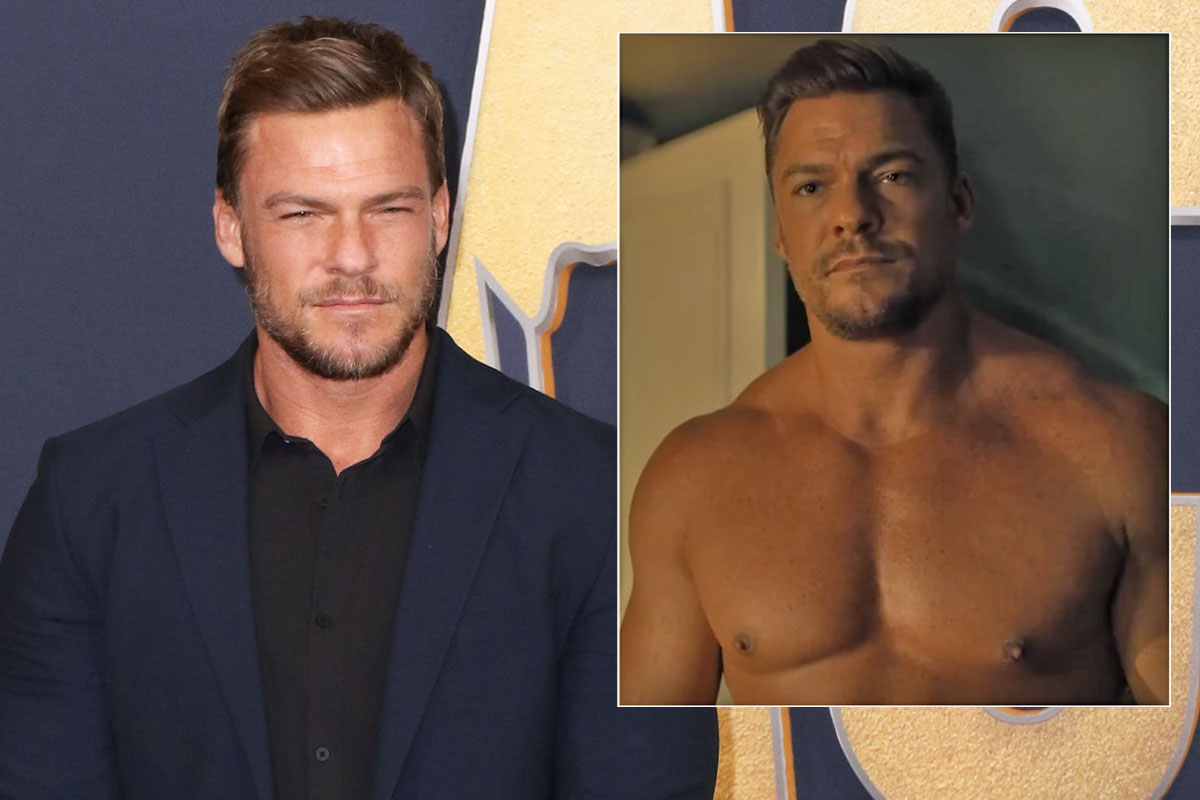
To find an authentic Alan Ritchson fight video, viewers should look to official Prime Video highlights, stunt coordinator reels, or Ritchson’s personal social media channels. These videos typically showcase his mastery of the Keysi Fighting Method, heavy-impact elbow strikes, and the specialized tactical choreography used in the Reacher series and The Ministry of Ungentlemanly Warfare.
Alan Ritchson has redefined the modern action hero through a combination of massive physical presence and surprisingly fluid technical combat. While many actors rely heavily on "shaky cam" and rapid-fire editing to hide a lack of technical skill, Ritchson’s fight videos—whether they are behind-the-scenes training clips or finished cinematic sequences—reveal an actor who has deeply integrated martial arts into his performance. In 2026, as Reacher remains a juggernaut of the streaming era, the demand for "Alan Ritchson fight videos" continues to peak, driven by fans who want to understand the mechanics behind his brutal efficiency on screen.
The Evolution of Alan Ritchson’s Fighting Style
Before analyzing specific videos, it is essential to understand the technical evolution Ritchson has undergone. Early in his career, particularly during his time as Arthur Curry (Aquaman) on Smallville, his fight scenes were characterized by standard television stunt work: broad movements, theatrical punches, and a heavy reliance on wirework.
However, his transition into the role of Hank Hall (Hawk) in Titans marked a significant shift. The fight videos from this era show a move toward a more grounded, brawling style. As Hawk, Ritchson utilized a "tank" approach—absorbing damage to deliver high-impact clotheslines and powerbombs. This laid the groundwork for the hyper-realistic, tactical brutality he would eventually bring to Jack Reacher.
The Keysi Fighting Method in Reacher Videos
The most searched Alan Ritchson fight videos are almost exclusively from the Reacher series. This is due to the unique choreography dictated by the character’s "unstoppable force" persona. The production team opted for the Keysi Fighting Method (KFM), a self-defense system developed by Justo Diéguez and Andy Norman.
KFM is famously used by characters who need to fight multiple opponents in tight spaces. In Reacher fight videos, you will notice Ritchson frequently using the "Thinking Man" pose—placing his hands on or near his head to protect his vitals while using his elbows as primary striking weapons. This is not just a stylistic choice; it is a tactical necessity for a character of Ritchson’s size (6'3" and approximately 240 lbs) to maintain mobility while minimizing his profile.
Analyzing the Most Iconic Alan Ritchson Fight Scenes
To truly understand the "Alan Ritchson fight video" phenomenon, one must break down the specific sequences that have garnered millions of views across digital platforms.
1. The Reacher Prison Fight (Season 1)
This video is often cited as the gold standard for Ritchson’s combat capability. The sequence takes place in a confined shower area, forcing the choreography to focus on close-quarters combat (CQC).
- Technical Breakdown: Ritchson utilizes circular movements and short-range strikes. Note the use of the headbutt and the specific "hand-trapping" techniques where he controls an opponent's limb before delivering a finishing blow.
- Cinematography: The video shows Ritchson performing long takes with minimal stunt-double intervention, which increases the "weight" and believability of the impacts.
2. The Pool House Confrontation (Season 1)
This scene highlights Reacher’s environmental awareness. Fight videos of this sequence are popular because they show how Ritchson uses his size to manipulate the geometry of a room. He doesn't just punch; he uses walls, furniture, and the pool itself as weapons.
3. The "Ministry" Berserker Sequence (2024 Release)
In Guy Ritchie's The Ministry of Ungentlemanly Warfare, Ritchson plays Anders Lassen. The fight videos from this film offer a stark contrast to his modern tactical work. As Lassen, Ritchson uses a longbow and a combat knife.
- The "Viking" Style: The choreography here is more feral. Videos of this role show Ritchson utilizing broad, hacking motions and a terrifyingly high level of physical aggression that leans into the "berserker" archetype.
Comparative Analysis of Fight Styles by Project
| Project | Primary Fighting Style | Key Weaponry | Mobility Level | Technical Focus |
|---|---|---|---|---|
| Titans (Hawk) | Street Brawling / Wrestling | None (Body as weapon) | Low (Tank) | Absorption and Power |
| Reacher | Keysi Fighting Method (KFM) | Tactical knives / Elbows | Moderate (Efficient) | Defense and Rapid Takedown |
| Fast X (Aimes) | Military Combatives | Firearms / Heavy Strikes | High (Aggressive) | Precision and Dominance |
| The Ministry... | Commando Tactics | Longbow / Combat Knife | Very High (Hunter) | Stealth and Brutality |
Training and Physical Preparation for Action Roles
When fans search for an "Alan Ritchson fight video," they are often led to his "training diaries" or workout vlogs. Ritchson is vocal about his physical preparation, which is the foundation of his ability to perform high-level choreography.
The Functional Fitness Approach
Ritchson’s training videos emphasize functional strength over purely aesthetic bodybuilding. To move like a fighter at 240 lbs, he incorporates:
- High-Volume Calisthenics: These videos show him performing hundreds of push-ups and pull-ups to build the endurance necessary for 12-hour fight choreography shoot days.
- Sprinting and Agility: To avoid looking "stiff" on camera, Ritchson focuses on fast-twitch muscle fiber activation.
- Specific Martial Arts Drills: Before each season of Reacher, Ritchson spends weeks in "fight camp." This involves drilling the specific combinations seen in the show until they become muscle memory.
Working with Stunt Coordinators
Technical SEO and film analysis of these videos often highlight the collaboration between Ritchson and stunt coordinators like Ryan Tardiff. In behind-the-scenes videos, you can see the "previz" (pre-visualization) where stunt performers map out the fight before Ritchson joins to add his specific character nuances. Ritchson’s ability to learn complex sequences—sometimes 20 to 30 moves long—in a single afternoon is a testament to his professional background in dance and musical theater, which provided him with the necessary kinesthetic awareness.
Common Misconceptions in Alan Ritchson Fight Clips
As with any viral action star, several misconceptions circulate regarding his fight videos.
Misconception 1: It is all "Movie Magic" and Editing. While editing (the "invisible cut") is used to enhance the speed of a fight, Ritchson’s raw training footage confirms that he performs the majority of his own striking and grappling. His size makes it difficult to find a stunt double that moves with his specific rhythm, necessitating that he do the heavy lifting himself.
Misconception 2: Keysi is his personal fighting style. While Ritchson is highly proficient in the Keysi Fighting Method due to his roles, he is a trained actor and athlete first. He adapts his style to the character. If you watch a fight video of him as Aimes in Fast X, you will see more standard military combatives and "gun-fu" rather than the elbow-heavy KFM of Jack Reacher.
The Cultural Impact of the "Reacher Fight"
The "Alan Ritchson fight video" has become its own sub-genre of action cinema analysis. In an era where many action stars feel replaceable, Ritchson has carved out a niche for the "Heavyweight Technician."
Fans often analyze these videos frame-by-frame to see if the strikes would actually work in a real-world scenario. While cinematic combat always prioritizes the camera’s perspective, the "Reacher" style is lauded by martial arts practitioners for its emphasis on "stopping power." Unlike the high-flying kicks of the 90s, Ritchson's fights focus on breaking limbs and neutralizing threats as quickly as possible—a reflection of the character’s literary roots in Lee Child’s novels.
How to Access Official Alan Ritchson Fight Content
To ensure you are viewing high-quality, authorized footage rather than low-resolution fan edits, follow these steps:
- Official Streaming Channels: Prime Video often releases "The Anatomy of a Scene" videos for Reacher. These are the best sources for high-definition fight choreography breakdowns.
- Stunt Team Reels: Search for the stunt coordinators associated with Ritchson’s films on platforms like Vimeo or Instagram. These reels often show the "raw" choreography without the music and sound effects.
- Social Media Highlights: Alan Ritchson’s verified Instagram and TikTok accounts frequently feature "Training for Reacher" videos, which provide a look at the grit and repetition required to make the screen fights look effortless.
Frequently Asked Questions
Does Alan Ritchson have a black belt in any martial arts?
While Alan Ritchson is an exceptionally skilled athlete and has mastered several fighting styles for his roles, he does not publicly claim a traditional black belt in a specific discipline like Karate or Brazilian Jiu-Jitsu. His "martial arts" background is largely "cinematic combatives"—a hybrid of various styles including Keysi, Krav Maga, and boxing, learned under the world's top stunt coordinators.
How much of the fighting does Alan Ritchson do himself?
Ritchson is known for performing a very high percentage of his own fight scenes—estimated at over 80-90% for the Reacher series. He typically uses a stunt double for "hard impacts" (such as being thrown through glass or falling from heights) to prevent injury to the lead actor, which would halt production. However, the hand-to-hand combat seen in his fight videos is almost entirely him.
What makes the "Alan Ritchson fight video" style different from John Wick?
The John Wick style (often called "Gun-Fu") relies on Japanese Jiu-Jitsu, Judo, and tactical firearm transitions. Alan Ritchson’s style, particularly as Reacher, is much more focused on "destructive defense." It is less about the "flow" of grappling and more about the "impact" of elbows, knees, and headbutts. Ritchson's characters fight to end a conflict in three moves or less, whereas Wick’s style is more about prolonged, rhythmic engagement.
Are the fight scenes in Reacher realistic?
The fight scenes are "heightened realism." While the techniques (like the Keysi elbow shield) are real martial arts moves, the ability of one man to incapacitate five armed attackers without taking a single debilitating blow is a cinematic staple. However, practitioners of CQC (Close Quarters Combat) often praise Ritchson’s videos for the lack of "telegraphed" punches, making them more realistic than traditional Hollywood brawls.
What is Alan Ritchson's workout for fight scenes?
Ritchson focuses on a "power-building" split. He combines heavy compound lifts (squats, deadlifts, presses) with high-intensity interval training (HIIT). This gives him the "armor" of a bodybuilder with the cardiovascular gas tank of a fighter, allowing him to perform 50+ takes of a single fight sequence without losing his form or speed.
Final Recommendation for Action Enthusiasts
For those looking to truly appreciate the technicality of an Alan Ritchson fight video, the best next step is to watch the "Reacher Season 2 - Behind the Stunts" featurettes. These videos provide a side-by-side comparison of the choreography rehearsals versus the final product. By observing how Ritchson translates slow-motion practice into high-speed cinematic violence, viewers can gain a deeper appreciation for the craft of the modern action star. Whether you are a fan of martial arts or a student of film, Ritchson’s work provides a masterclass in how to use physical size as a tactical advantage in storytelling.