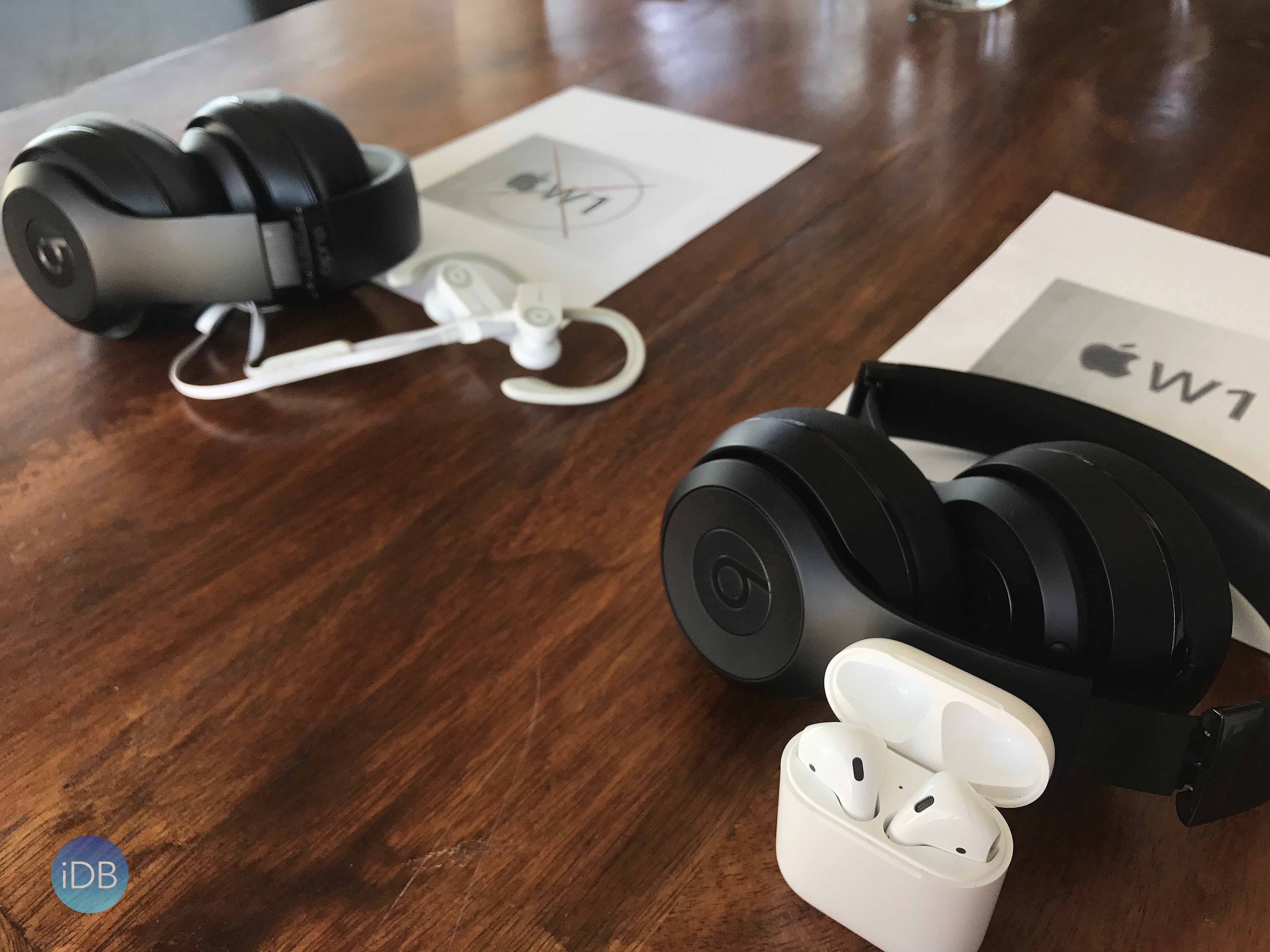
Choosing between AirPods versus Beats in 2026 requires understanding that while Apple owns both brands, they serve distinct philosophical and functional purposes. AirPods prioritize the seamless "Apple Ecosystem" experience with minimalist designs and advanced computational features, whereas Beats focus on platform-agnostic versatility, bold aesthetics, and secure-fit designs tailored for active lifestyles.
Since Apple acquired Beats Electronics in 2014, the lines between these two product families have blurred significantly. Both now utilize proprietary Apple silicon—such as the H2 and W1 chips—to provide instant pairing, "Hey Siri" functionality, and Find My tracking. However, as of 2026, the divergence in ergonomics, sound signatures, and software compatibility remains the primary factor for consumers. This guide analyzes the technical specifications, performance benchmarks, and user-intent profiles to help you decide which brand deserves a spot in your daily carry.
The Shared Foundation: Apple Silicon and Ecosystem Integration
To understand the current landscape of AirPods versus Beats, one must first look at what they share. By 2026, the integration of the H2 chip (and its successors) has become standard across the flagship models of both brands. This chip acts as the central nervous system for the audio experience, handling everything from Bluetooth stability to active noise cancellation (ANC) algorithms.
Seamless Switching and Instant Pairing
Both AirPods and modern Beats models (like the Beats Fit Pro and Studio Pro) offer one-tap pairing with iPhones and iPads. Once connected, the device is linked to your iCloud account, allowing you to switch audio from a Mac to an iPhone or an Apple Watch without manual intervention. This level of integration is a hallmark of Apple’s "walled garden," ensuring that the hardware and software communicate with minimal latency.
Spatial Audio and Dynamic Head Tracking
Both brands utilize Apple’s proprietary Spatial Audio with dynamic head tracking. This technology creates a theater-like experience for movies and an immersive soundstage for music mixed in Dolby Atmos. By using built-in gyroscopes and accelerometers, the headphones track the movement of your head relative to your device, keeping the "center" of the audio fixed in space.
Design Philosophy and Ergonomics: Minimalism vs. Utility
The most visible difference in the AirPods versus Beats debate lies in industrial design. AirPods follow a "one-size-fits-most" or "minimalist-white" aesthetic, while Beats offer a variety of form factors and colors.
AirPods: The Iconic Stem
The AirPods lineup—comprising the AirPods (4th Generation), AirPods Pro (2nd Generation), and AirPods Max—is defined by its clean, white plastic finish and iconic stems. The stems serve a functional purpose, housing the microphones closer to the user’s mouth for clearer call quality and providing a touch-sensitive surface for playback controls.
- AirPods 4: Uses an open-ear design that sits in the concha of the ear. It is preferred by users who dislike the "plugged" feeling of silicone tips.
- AirPods Pro: Features interchangeable silicone or foam tips, creating an acoustic seal essential for high-end noise cancellation.
Beats: The Athlete’s Choice
Beats products are designed with movement in mind. Models like the Beats Fit Pro incorporate flexible "wingtips" that tuck into the upper fold of the ear, ensuring the earbuds remain secure during high-intensity interval training (HIIT) or long-distance running.
- Physical Buttons: Unlike the touch-capacitive stems of AirPods, many Beats models utilize physical "b" buttons. This is a critical advantage for users with sweaty hands or those wearing gloves, as physical clicks provide tactile feedback that touch sensors often miss.
- Color Variety: While AirPods remain strictly white (excluding the AirPods Max), Beats offers a rotating palette of colors, often collaborating with designers and athletes to release limited-edition finishes.
Sound Profiles: Accuracy versus Energy
Historically, Beats were criticized for an over-emphasized, "muddy" bass response. However, since the Apple acquisition, the sound signature has shifted toward a more balanced, "studio-accurate" profile, though it still retains a punchier low-end than the AirPods line.
AirPods Sound Signature
AirPods tend to favor a neutral, balanced frequency response. The goal is to make every genre—from podcasts to classical music—sound "good" without artificial coloration. The Adaptive EQ feature in the AirPods Pro and AirPods 4 uses inward-facing microphones to measure what the user is hearing and adjusts the mid and low frequencies in real-time to compensate for fit variations.
Beats Sound Signature
Beats maintain a slight "V-shaped" sound profile. This means the bass and treble are subtly boosted, providing an energetic feel that appeals to fans of hip-hop, EDM, and pop. In 2026, the Beats Studio Pro (over-ear) and Beats Solo 4 provide a wide dynamic range, but they lack the sophisticated Adaptive EQ found in the AirPods Pro, relying instead on fixed acoustic architectures.
Software Compatibility: The Android Factor
One of the most significant technical diversions in the AirPods versus Beats comparison is how they interact with non-Apple devices.
| Feature | AirPods (Apple Devices) | AirPods (Android) | Beats (Apple Devices) | Beats (Android) |
|---|---|---|---|---|
| Instant Pairing | Yes | No | Yes | Yes (Google Fast Pair) |
| "Hey Siri" | Yes | No | Yes | No |
| Find My Tracking | Yes | No | Yes | Yes (Find My Device) |
| Auto-Switching | Yes | No | Yes | No |
| Firmware Updates | Automatic | Impossible | Automatic | Via Beats App |
Beats are intentionally designed as "platform-agnostic" products. By using the Beats App on the Google Play Store, Android users can access battery status, toggle noise cancellation modes, and perform firmware updates. AirPods, conversely, lose almost all their "smart" features when paired with an Android device, behaving like standard Bluetooth headphones.
Noise Cancellation and Transparency Modes
Apple’s Active Noise Cancellation (ANC) and Transparency Mode are industry-leading, but they are implemented with different levels of intensity across the two brands.
- AirPods Pro 2: Widely considered the gold standard in the 2026 market for in-ear ANC. Its ability to neutralize high-frequency sounds (like human voices or screeching brakes) is superior to the Beats Fit Pro due to more advanced computational processing in the H2 chip.
- Beats Studio Pro: Offers excellent isolation as an over-ear headphone, but its "Transparency Mode" feels slightly more "digital" and less natural than the AirPods Max or AirPods Pro.
- Adaptive Audio: This AirPods-exclusive feature (available on AirPods 4 with ANC and AirPods Pro 2) dynamically blends Transparency and ANC based on your environment. If a loud construction drill starts nearby, the headphones automatically increase cancellation; if you start speaking to someone, they lower the volume and enhance voices. Beats models generally require manual toggling between modes.
Battery Life and Charging Solutions
In 2026, both brands have fully transitioned to USB-C charging, following global regulatory shifts. However, the battery endurance varies by form factor.
- Beats Solo 4: Known for "marathon" battery life, often exceeding 50 hours on a single charge. Because they lack the heavy computational overhead of the AirPods' "always-on" spatial processing, they can dedicate more energy to pure playback.
- AirPods Pro: Generally offers about 6 hours of listening time with ANC enabled, extending to 30 hours with the MagSafe charging case.
- Charging Cases: AirPods cases almost universally support wireless charging (Qi and MagSafe) and often include a built-in speaker for Find My alerts. Most Beats cases (with the exception of the Beats Studio Buds +) require a wired USB-C connection and lack the precision-finding speakers.
Comparing Key Models: 2026 Specs Table
The following table compares the most popular models in the current market to highlight the trade-offs between the two brands.
| Model | Style | Chipset | Best For | Key Advantage |
|---|---|---|---|---|
| AirPods Pro (2nd Gen) | In-Ear | H2 | All-around use | Best-in-class ANC and Ecosystem features |
| Beats Fit Pro | In-Ear | H1/H2 | Athletics | Secure wingtips and Android compatibility |
| AirPods (4th Gen) | Open-Ear | H2 | Casual listening | Comfortable for long wear; no ear tips |
| Beats Studio Pro | Over-Ear | Proprietary | Travelers | Compact folding and high-fidelity wired mode |
| AirPods Max | Over-Ear | H2 (x2) | Luxury/Office | Premium build and seamless Mac integration |
| Beats Solo Buds | In-Ear | Proprietary | Budget/Travel | Extremely small case; no battery in case |
Common Use Case Scenarios
The Dedicated Athlete
If your primary use case is the gym or trail running, the Beats Fit Pro is the logical choice. The wingtip design prevents the earbuds from falling out during vigorous movement—a common complaint with the stem-based AirPods Pro. Furthermore, the IPX4 water resistance is bolstered by physical buttons that don't misfire when hit by sweat or rain.
The Remote Professional
For those who spend hours on Zoom or Microsoft Teams calls across a MacBook and an iPhone, the AirPods Pro or AirPods Max are superior. The H2 chip’s ability to suppress background noise during calls ensures your voice remains clear. The "Mute" status also syncs better across Apple devices when using AirPods.
The Multi-Platform User
If you carry an iPad for work but use a Samsung Galaxy or Google Pixel as your primary phone, Beats is the only viable option. The ability to use the Beats App for updates and battery management ensures you aren't left with a "dumb" device on your Android phone, while still enjoying the fast-pairing benefits on your iPad.
Frequently Asked Questions
Why does Apple own Beats if they compete with AirPods?
Apple acquired Beats to secure a dominant position in the "lifestyle" audio market and to jumpstart what eventually became Apple Music. By maintaining both brands, Apple can capture two different market segments: the "tech-minimalist" (AirPods) and the "fashion-forward/athlete" (Beats). This dual-brand strategy prevents competitors like Sony or Bose from gaining a foothold in those niches.
Are Beats better for bass than AirPods?
Generally, yes. While modern Beats have moved toward a more balanced sound, they are still tuned with a slight emphasis on the sub-bass frequencies. This provides more "thump" and "impact" in the low end. AirPods provide a "flatter" response, which is more accurate to the original recording but may feel "thin" to users who prefer bass-heavy genres.
Do AirPods work with Android phones?
AirPods can connect to Android phones via standard Bluetooth, but you will lose most of the features that justify their price. You will not have access to "Hey Siri," automatic ear detection (pausing when you take one out), customizable controls, or firmware updates. For Android users, Beats or a brand like Sony or Sennheiser is highly recommended over AirPods.
Which brand has better durability?
Beats headphones, particularly the over-ear models like the Studio Pro, are often designed to be more rugged and foldable for travel. However, the AirPods Max uses premium materials like stainless steel and aluminum, which are more durable than the plastic used in most Beats models. For earbuds, both brands offer similar IPX4 water resistance, but the secure fit of Beats often prevents "drop damage" during exercise.
Can I use "Find My" with both brands?
Yes, but the implementation differs. Recent AirPods models include the U1 or U2 chip for "Precision Finding," which gives you an arrow on your iPhone screen to point you to the exact location. Most Beats models support "Find My" by showing the last known location on a map and playing a sound, but they often lack the ultra-wideband precision finding found in the AirPods Pro case.
Final Verdict and Next Actions
The decision between AirPods versus Beats ultimately hinges on your hardware ecosystem and your physical activity levels.
- Choose AirPods if you are "all-in" on Apple products and value features like Adaptive Audio, seamless device switching, and a neutral sound profile. The AirPods Pro (2nd Gen) remains the most versatile choice for the majority of users in 2026.
- Choose Beats if you use both Android and iOS devices, prioritize a secure fit for sports, or prefer a punchier, bass-forward sound signature. The Beats Fit Pro is the standout recommendation for anyone who finds that standard AirPods fall out during movement.
To make your final choice, visit an Apple Store or an authorized retailer to test the fit. Because ear anatomy is unique, the physical comfort of the AirPods' stem versus the Beats' wingtip is often the most significant factor that specifications alone cannot convey.