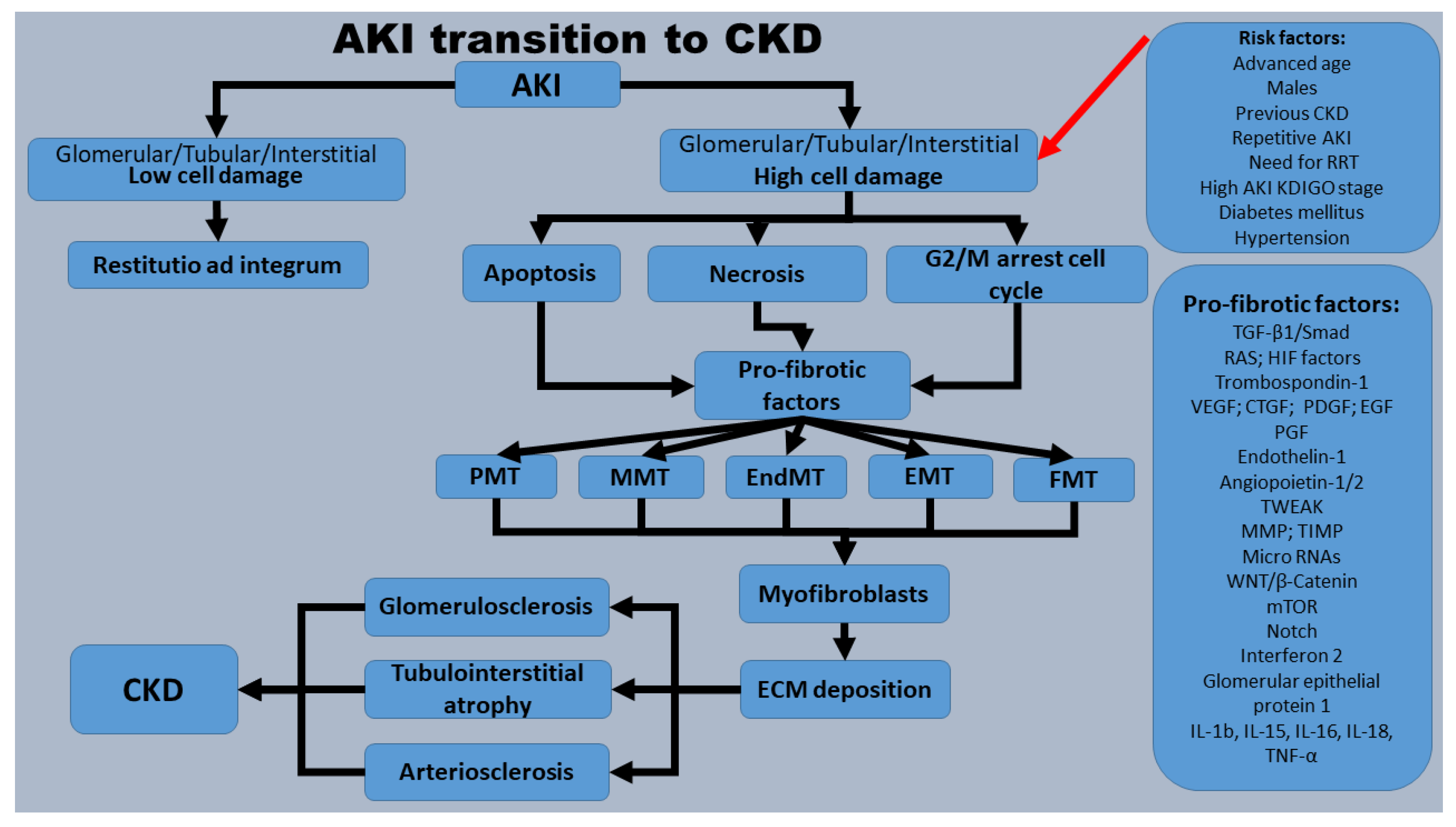
Acute kidney injury on chronic kidney disease (AKI on CKD) refers to a sudden, rapid decline in renal function in a patient who already has pre-existing structural or functional kidney damage. This condition creates a "double hit" scenario where an acute insult accelerates the progression of underlying disease, significantly increasing the risk of permanent end-stage renal disease (ESRD) and cardiovascular complications.
The Interconnected Nature of AKI and CKD
For many years, the medical community viewed acute kidney injury (AKI) and chronic kidney disease (CKD) as distinct clinical entities. However, as of 2026, clinical consensus emphasizes that they are part of a continuous spectrum of renal pathology. CKD is the most potent risk factor for the development of AKI, and conversely, an episode of AKI often serves as the catalyst that pushes a patient with stable CKD toward total kidney failure.
In a healthy individual, the kidneys possess a significant "renal reserve." If one group of nephrons is injured, others can compensate. In a patient with CKD, this reserve is already depleted. The remaining nephrons are often already hyperfiltering—working at maximum capacity to maintain homeostasis. When a secondary insult occurs—be it sepsis, dehydration, or nephrotoxic medication—these overworked nephrons are disproportionately susceptible to damage. This vulnerability explains why a minor insult that might cause only a slight rise in creatinine in a healthy person can trigger a catastrophic loss of function in a patient with CKD.
The pathophysiology of AKI on CKD involves several overlapping mechanisms:
- Microvascular Rarefaction: CKD kidneys often have a reduced density of peritubular capillaries, leading to chronic hypoxia. An acute event further reduces oxygen delivery, causing profound ischemic injury.
- Persistent Inflammation: CKD is a pro-inflammatory state. The presence of baseline oxidative stress means that the inflammatory cascade triggered by an acute injury is more intense and less likely to resolve.
- Fibrosis Priming: Chronic disease involves existing interstitial fibrosis. Acute injury activates myofibroblasts, which accelerate the deposition of collagen, effectively "speeding up" the scarring process that defines CKD progression.
Diagnostic Challenges and KDIGO Criteria
Defining AKI on CKD requires a high degree of clinical suspicion, as the standard markers of kidney function can be misleading when the baseline is already abnormal. The Kidney Disease: Improving Global Outcomes (KDIGO) criteria remain the gold standard in 2026 for identifying these episodes.
AKI is generally defined by an increase in serum creatinine of ≥0.3 mg/dL within 48 hours, or an increase to ≥1.5 times the baseline within the prior seven days. In the context of CKD, identifying that "baseline" is the primary challenge. Many patients do not have a recorded creatinine level from the previous three to six months. In such cases, clinicians must often infer the baseline or use the lowest creatinine value achieved during a hospital stay as a retrospective marker.
Furthermore, creatinine is a "lagging" marker. It may not rise until 48 to 72 hours after the actual cellular injury has occurred. To address this, current clinical practice increasingly incorporates "stress biomarkers" such as Neutrophil Gelatinase-Associated Lipocalin (NGAL) and Tissue Inhibitor of Metalloproteinases-2 (TIMP-2). These markers can signal tubular distress before the glomerular filtration rate (GFR) actually drops, allowing for earlier intervention in high-risk CKD populations.
Identifying Common Triggers and Risk Factors
To manage AKI on CKD effectively, the underlying "insult" must be identified and reversed immediately. The triggers are generally categorized into three anatomical areas: pre-renal, intrinsic, and post-renal.
Pre-renal Insults
These are the most common causes and relate to decreased blood flow to the kidneys. In CKD patients, the autoregulatory mechanisms that maintain blood flow are often impaired by long-standing hypertension or diabetes.
- Volume Depletion: Severe dehydration from vomiting, diarrhea, or excessive diuretic use.
- Heart Failure: Also known as cardiorenal syndrome, where a failing heart cannot provide adequate perfusion pressure.
- Sepsis: Systemic vasodilation leads to functional hypovolemia.
Intrinsic Renal Injury
This involves direct damage to the kidney tissue itself.
- Nephrotoxic Medications: Non-steroidal anti-inflammatory drugs (NSAIDs) are a leading cause, as they inhibit prostaglandins needed to keep the renal arteries open.
- Contrast Media: Iodinated contrast used in CT scans or angiograms can cause acute tubular necrosis (ATN) in patients with low GFR.
- Antibiotics: Certain classes, such as aminoglycosides or vancomycin, require careful dose adjustment in CKD to avoid accumulation and toxicity.
Post-renal Obstruction
Any blockage that prevents urine from leaving the body can cause back-pressure that damages the kidneys.
- Benign Prostatic Hyperplasia (BPH): A common issue in older male patients with CKD.
- Nephrolithiasis: Kidney stones.
- Malignancy: Tumors in the pelvis or bladder blocking the ureters.
Clinical Management Strategies
The management of AKI on CKD in 2026 focuses on "renal preservation." Once the injury has occurred, there is no specific "cure" for AKI; the goal is to provide supportive care that allows the kidneys the best possible chance to recover.
1. Hemodynamic Optimization
The "Goldilocks" principle of fluid management is essential. Too little fluid leads to continued ischemic injury, but too much fluid leads to venous congestion, which increases pressure within the kidney capsule and further reduces filtration. Isotonic crystalloids are preferred, and vasopressors may be used in intensive care settings to maintain a Mean Arterial Pressure (MAP) of at least 65 mmHg.
2. Medication Review and the "Sick Day Rules"
A critical step in management is the immediate cessation of medications that can worsen renal perfusion or accumulate to toxic levels. This is often referred to as the "DAMN" acronym:
- D: Diuretics (can worsen volume depletion).
- A: ACE inhibitors and ARBs (can lower the pressure inside the glomerulus too much during an acute hit).
- M: Metformin (risk of lactic acidosis if kidney function drops).
- N: NSAIDs (direct constriction of the afferent arteriole).
3. Monitoring Electrolytes and Acid-Base Balance
CKD kidneys already struggle with potassium excretion and acid buffering. AKI on top of this can lead to life-threatening hyperkalemia (high potassium) and metabolic acidosis. These conditions may require emergency treatment with insulin/glucose, calcium gluconate, or sodium bicarbonate.
4. Renal Replacement Therapy (RRT)
If conservative management fails, dialysis (hemodialysis or continuous renal replacement therapy) may be necessary. In the context of AKI on CKD, the decision to start dialysis is based on "the A-E-I-O-U" criteria:
- A: Acidosis (refractory to medical therapy).
- E: Electrolytes (severe hyperkalemia).
- I: Ingestion (toxins that can be dialyzed).
- O: Overload (pulmonary edema not responding to diuretics).
- U: Uremia (encephalopathy or pericarditis).
Comparing CKD vs. AKI vs. AKI on CKD
| Feature | Chronic Kidney Disease (CKD) | Acute Kidney Injury (AKI) | AKI on CKD |
|---|---|---|---|
| Onset | Gradual (months to years) | Sudden (hours to days) | Sudden worsening of baseline |
| Reversibility | Generally irreversible | Often reversible | Partial recovery is common |
| Baseline Function | Sub-normal but stable | Usually normal | Sub-normal/Abnormal |
| Primary Goal | Delay progression | Restore function | Prevent ESRD / Return to baseline |
| Kidney Size (Ultrasound) | Typically small and scarred | Usually normal size | Often small/echogenic with acute swelling |
| Primary Risk | Cardiovascular disease | Progression to CKD | Immediate dialysis dependency |
Prognosis and the Post-AKI Care Bundle
The prognosis for AKI on CKD is significantly worse than for AKI in a patient with healthy kidneys. Data suggests that patients with AKI on CKD have a higher 30-day mortality rate and are much more likely to remain dialysis-dependent at the time of hospital discharge. Even those who "recover" rarely return to their true baseline; most are left with a lower GFR than they had before the acute event.
Because of this, the transition from hospital to outpatient care is a critical period. In 2026, the "Post-AKI Care Bundle" is recommended for all survivors:
- Kidney Function Check: Repeat creatinine and electrolytes within 7–14 days of discharge.
- Medication Reconciliation: Ensuring that essential medications like ACE inhibitors are restarted only when the GFR has stabilized.
- Blood Pressure Control: Maintaining a target of <130/80 mmHg to reduce the workload on remaining nephrons.
- Education: Teaching patients to recognize signs of fluid overload and the importance of avoiding over-the-counter NSAIDs.
Common Questions Regarding AKI on CKD
Can AKI on CKD be fully reversed?
While "full" reversal to the pre-CKD state is impossible, returning to the pre-AKI baseline is the goal. However, most clinical studies show that each episode of AKI leaves behind "molecular scars" or interstitial fibrosis. While the creatinine may return to its previous level, the renal reserve is further diminished, making the patient more susceptible to future injuries.
Is dialysis always permanent when AKI occurs in a CKD patient?
No. Many patients with Stage 3 or 4 CKD require temporary dialysis during a severe illness (like a major surgery or septic shock) but are able to stop dialysis once the acute underlying cause is resolved. However, the risk of "failing to wean" from dialysis is significantly higher in those with advanced pre-existing CKD.
Why are ACE inhibitors stopped during AKI if they are usually good for the kidneys?
ACE inhibitors and ARBs protect the kidneys in chronic settings by lowering the pressure within the filtration units (glomeruli), which reduces long-term "wear and tear." However, during an acute injury, the kidneys need that pressure to maintain filtration. Continuing these drugs during a crisis can cause the GFR to plummet further, essentially "starving" the kidney of the pressure it needs to function.
How does sepsis cause AKI in someone who already has kidney disease?
Sepsis causes a systemic inflammatory response that leads to vasodilation (widening of blood vessels) and "leaky" capillaries. This causes blood pressure to drop and fluid to move out of the blood vessels and into the tissues. Consequently, the kidneys do not receive enough oxygenated blood, leading to ischemic damage to the renal tubules.
What are the "Red Flag" symptoms patients should watch for?
Patients with known CKD should seek immediate medical attention if they notice a sudden decrease in urine output, significant swelling (edema) in the legs or around the eyes, shortness of breath, or a metallic taste in the mouth. These can be signs that the kidneys have transitioned from a stable chronic state to an acute injury phase.
Recommendations for Prevention and Management
The most effective strategy for managing AKI on CKD is prevention. For patients and healthcare providers in 2026, this involves a proactive approach to renal health.
- Hydration Vigilance: Patients with CKD should be educated on maintaining adequate fluid intake, especially during hot weather or minor illnesses.
- Nephrotoxin Stewardship: Avoidance of NSAIDs (ibuprofen, naproxen) is mandatory. Patients should be encouraged to use acetaminophen for pain relief.
- Pre-procedure Care: If a patient with CKD requires a procedure involving IV contrast, they should receive intravenous hydration before and after the procedure to "flush" the kidneys.
- Integrated Specialist Care: Management should be co-managed by a primary care physician and a nephrologist to ensure that medication dosages are adjusted for fluctuating GFR levels.
If an acute drop in function is suspected, the immediate priority is to stop further injury. This involves addressing volume status, removing offending drugs, and treating any underlying infections. The window for intervention is narrow; timely action is the only way to prevent a temporary injury from becoming a permanent life-altering condition.