The central actress in the classic television sitcom Bewitched is Elizabeth Montgomery, who portrayed the lead character, Samantha Stephens, throughout the show's original run from 1964 to 1972. While Montgomery remains the definitive face of the series, the show featured a revolving door of supporting actresses who played recurring characters, most notably the dual-casting of Gladys Kravitz and the recasting of Darrin Stephens' mother, Phyllis.
Elizabeth Montgomery: The Heart of Bewitched
Elizabeth Montgomery’s portrayal of Samantha Stephens is widely considered one of the most iconic performances in television history. A suburban housewife who happens to be a powerful witch, Samantha provided the moral and magical center of the series. Montgomery’s performance was noted for its nuance; she balanced the domestic requirements of a 1960s sitcom with the sophisticated, often dry, and playful nature of a supernatural being trying to integrate into mortal society.
Montgomery was not merely the star of the show; she was integral to its creative direction. She often collaborated with her then-husband, director Bill Asher, to ensure the character of Samantha maintained agency despite the restrictive gender roles of the era. Her "nose twitch," a simple practical effect achieved through camerawork and her own facial dexterity, became the most recognizable visual shorthand in the history of television fantasy.
Throughout the eight seasons of Bewitched, Montgomery’s versatility was tested as she played multiple roles, most famously her mischievous, lookalike cousin, Serena. Despite wearing a dark wig and adopting a distinct, bohemian personality, Serena was also portrayed by Montgomery. This dual performance allowed the actress to demonstrate an impressive range, moving from the refined, patient Samantha to the rebellious and flamboyant Serena.
The Evolution of Supporting Actresses
While Montgomery was the constant, the production history of Bewitched is defined by several notable changes in its supporting cast, particularly among the female characters who occupied the Stephens' orbit.
Alice Pearce and Sandra Gould as Gladys Kravitz
One of the most essential comedic dynamics in Bewitched was the relationship between Samantha and her nosy neighbor, Gladys Kravitz. Gladys was the primary antagonist regarding the neighborhood "normalcy" that Darrin Stephens so desperately craved.
- Alice Pearce (1964–1966): The original Gladys, Pearce brought a frantic, high-energy anxiety to the role. Her performance was defined by her desperate, often futile attempts to prove that Samantha was a witch. Pearce’s chemistry with George Tobias, who played her husband Abner, remains a gold standard for sitcom neighbors. Tragically, Pearce passed away during the show’s production, leaving a significant void in the cast.
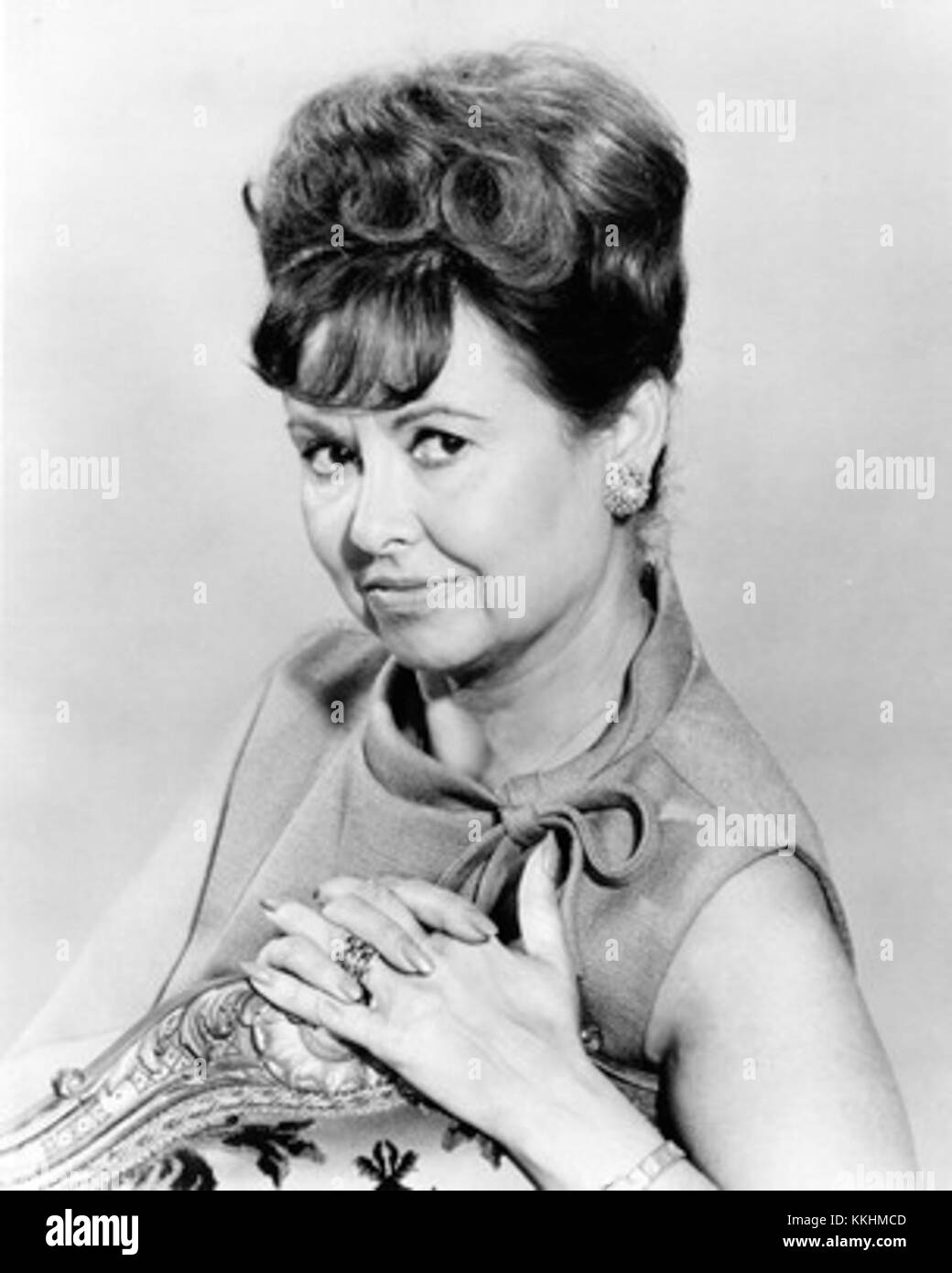
- Sandra Gould (1966–1971): Following Pearce, Sandra Gould took over the role. Gould’s interpretation of Gladys was shiftier and perhaps slightly more aggressive in her pursuit of the "truth." While the character served the same plot function, fans of the show often debate the merits of the two portrayals, noting that Gould’s version leaned further into the comedic "snoopy" trope.
Mabel Albertson as Phyllis Stephens
The character of Phyllis Stephens, Darrin’s mother, provided the recurring friction of an overbearing mother-in-law. Mabel Albertson brought a sophisticated yet cutting passive-aggressiveness to the role. Unlike many sitcom mother-in-law characters of the 1960s, Albertson’s Phyllis was often genuinely fond of Samantha, even while she remained deeply suspicious of Samantha's "strange" family members and the frequent, unexplained occurrences in the Stephens household.
Notable Female Guest Stars and Recurring Roles
Beyond the core family unit, Bewitched utilized a wide array of talented character actresses to flesh out the magical and mortal worlds. The show was known for high-caliber guest appearances, many of whom played recurring magical entities.
- Agnes Moorehead as Endora: As Samantha’s mother, Moorehead was the show's second most important female figure. Her portrayal of a haughty, judgmental, and extremely powerful witch provided the primary conflict for Darrin Stephens. Moorehead’s performance was distinguished by her impeccable delivery and her ability to make a character who was consistently cruel feel lovable and essential to the viewer.
- Irene Vernon and Kasey Rogers as Louise Tate: The role of Larry Tate’s wife underwent a significant change. Irene Vernon played the role in the early seasons before being replaced by Kasey Rogers. This change is often cited as one of the major transitions in the show’s internal continuity, as the two actresses brought vastly different energies to the character of the supportive but occasionally frustrated corporate wife.
Comparative Overview of Recurring Actresses
The following table outlines the actresses associated with the most significant recurring female roles during the original 1964–1972 production period.
| Character | Actress | Tenure (Years) | Role Characteristics |
|---|---|---|---|
| Samantha Stephens | Elizabeth Montgomery | 1964–1972 | Protagonist, powerful witch |
| Endora | Agnes Moorehead | 1964–1972 | Mother, antagonist to Darrin |
| Gladys Kravitz | Alice Pearce | 1964–1966 | Nosy neighbor, high anxiety |
| Gladys Kravitz | Sandra Gould | 1966–1971 | Nosy neighbor, persistent |
| Phyllis Stephens | Mabel Albertson | 1964–1971 | Darrin's mother, skeptical |
| Louise Tate | Irene Vernon | 1964–1966 | Agency partner’s wife |
| Louise Tate | Kasey Rogers | 1966–1972 | Agency partner’s wife |
The Impact of Casting Changes on Sitcom Narrative
The turnover of actresses in roles like Gladys Kravitz and Louise Tate highlights the production realities of 1960s television. When a performer was unable to continue—due to health, as with Alice Pearce, or internal production disputes, as frequently reported with Irene Vernon—the producers had to decide between retiring the character or recasting.
Recasting was the preferred method, often with little to no in-universe acknowledgment of the change. This approach allowed the show to maintain its structural integrity. Because Bewitched was a fantasy-sitcom hybrid, the audience was generally more willing to accept shifts in continuity. The comedic "beats" of a character—the nosy neighbor or the skeptical mother—were often more important than the individual actor’s specific interpretation, allowing the show to persist through these personnel changes without losing its identity.
Frequently Asked Questions
Why was Alice Pearce replaced as Gladys Kravitz?
Alice Pearce was replaced because she passed away from ovarian cancer in 1966. Her death was a significant loss for the production, and the show briefly paused the character of Gladys before casting Sandra Gould to fill the void and maintain the comedic tension of the neighborhood dynamic.
Did Elizabeth Montgomery play any other roles besides Samantha and Serena?
Yes, while Samantha and Serena were her primary roles, Elizabeth Montgomery occasionally played other characters in dream sequences or historical segments throughout the series. However, she is famously remembered for the distinct dichotomy between the composed Samantha and the reckless, dark-haired Serena.
How did the cast handle the transition from Irene Vernon to Kasey Rogers?
The transition of the actress playing Louise Tate was largely treated as a business-as-usual recasting. In the 1960s, it was standard practice to replace supporting actors without explaining the change to the audience. Viewers were expected to accept the new actress in the established role to keep the show's narrative flow uninterrupted.
Was the actress playing Endora related to Elizabeth Montgomery?
No, Agnes Moorehead was not related to Elizabeth Montgomery, although they shared a very close professional bond. Moorehead was an accomplished veteran of the stage and screen, and her decision to join the series was seen as a major validation of the show’s quality by contemporary critics.
What made the role of Samantha Stephens technically challenging for an actress?
The role required high-level physical comedy and precise timing, particularly when interacting with visual effects that weren't yet common in television. Montgomery had to perform scenes where objects moved or people appeared/disappeared, requiring her to interact with "invisible" co-stars and perform complex movements to hide the wires or technical cues, all while maintaining her character's poise.
Final Perspective on the Legacy of Bewitched Actresses
The success of Bewitched was largely anchored by the strength of its female cast. Elizabeth Montgomery’s ability to anchor the show while playing two distinct characters allowed the narrative to remain fresh, while veteran performers like Agnes Moorehead and Mabel Albertson provided the necessary friction to drive the episodic plots. By 2026, the series is studied not only for its cultural impact on the portrayal of women in mid-century media but also for its masterful use of character actors to maintain a long-running, consistent television universe. Whether through the charm of the lead or the comedic persistence of the neighbors, the actresses of Bewitched established a template for the modern fantasy-comedy.