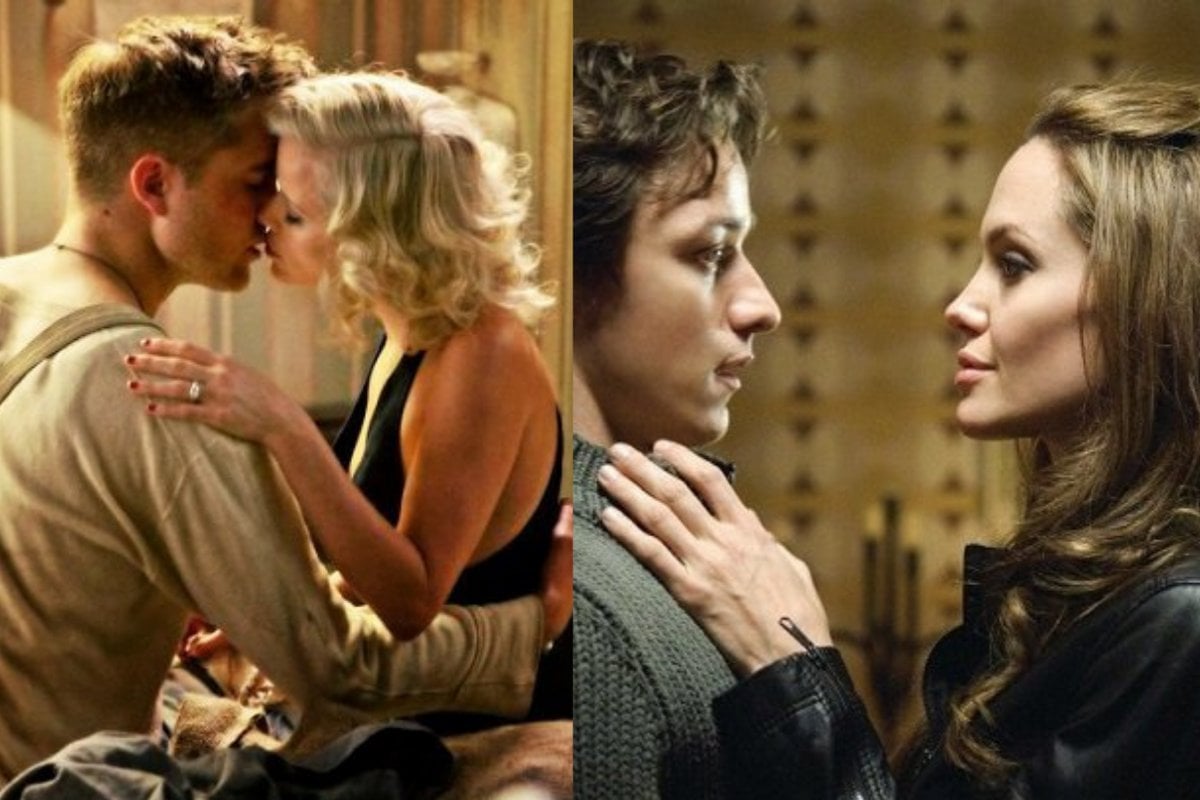
When actors kiss both on screen during a production and off screen in their personal lives, it is the result of simulating intense emotional intimacy under artificial working conditions that can occasionally blur personal and professional boundaries.
The phenomenon of romantic on-screen interactions spilling over into real-world relationships is a well-documented aspect of the entertainment industry. While millions of viewers watch dramatic romantic sequences unfold in films and television series, the reality behind these moments involves strict professional choreography, technical equipment, and a highly controlled environment. Understanding how actors navigate these simulated affections helps demystify the boundary between Hollywood illusion and genuine personal connection.
The Technical Reality of On-Screen Kissing
Filming a cinematic kiss is rarely a spontaneous or purely romantic act. Instead, it is a technical sequence carefully planned by directors, cinematographers, and the actors themselves. Every movement must account for camera angles, lighting, sound boom placement, and continuity.
The Mechanics of the Shot
Cameras require specific focal lengths and framing to capture intimacy convincingly. An actor might have to tilt their head at an unnatural angle or hold a specific posture for minutes at a time while the crew adjusts lenses or resets the lighting.
- Camera Blocking: The director determines where the camera tracks, dictating which way actors must turn.
- Continuity: Because scenes are shot out of order across multiple days, actors must replicate exact physical gestures, lip placements, and emotional intensity take after take.
- Closed Sets: To protect privacy and maintain a comfortable environment, directors often clear non-essential crew members from the set during intimate sequences.
The Role of Intimacy Coordinators
In contemporary filmmaking and television production, intimacy coordinators play a vital role. These professionals act as advocates and choreographers for performers filming intimate scenes.
Intimacy coordinators establish clear boundaries before production begins, ensuring that actors have consented to every physical touch. They use structured techniques to simulate physical contact safely and professionally, reducing anxiety and preventing misunderstandings on set. This professional infrastructure transforms what could be an awkward workplace situation into a technical routine, making it easier for actors to separate work from reality.
The Psychology of Acting and Simulated Intimacy
Despite the technical nature of film sets, human psychology frequently complicates professional boundaries. Actors are trained to access deep emotions, vulnerability, and empathy to portray realistic characters. When two performers spend months working together closely, sharing vulnerable emotional spaces, psychological phenomena can occur.
Method Acting and Emotional Overlap
Some performers utilize method acting or immersive preparation techniques, staying in character for extended periods. When a character is deeply in love, experiencing that emotional state continuously can trick the mind. The human brain responds to physical touch and emotional vulnerability by releasing neurochemicals like oxytocin and dopamine, regardless of whether the context is a fictional set or real life.
Workplace Proximity and Shared Stress
Film and television sets are intense, high-stress environments. Long hours, travel, exotic locations, and shared creative goals create a micro-culture where relationships form rapidly. This phenomenon is not exclusive to Hollywood; it occurs in high-pressure corporate environments, military deployments, and theater troupes. When actors rehearse romantic scenes repeatedly, the combination of physiological arousal from the physical contact and psychological bonding from shared creative labor can ignite genuine romantic feelings.
| Factor | On-Screen Dynamic | Off-Screen Reality |
|---|---|---|
| Environment | Controlled, public set with dozens of crew members | Private spaces, social events, downtime away from work |
| Motivation | Script requirements, character arcs, directorial vision | Personal attraction, mutual interests, emotional compatibility |
| Boundaries | Governed by contracts, riders, and intimacy coordinators | Navigated through personal consent and social norms |
| Duration | Temporary, lasting only for the duration of filming | Variable, ranging from brief flings to long-term marriages |
From Script to Reality: Famous On-Screen to Off-Screen Romances
History is filled with examples of co-stars who transitioned from on-screen love interests to off-screen partners. Some of these relationships endure for decades, while others dissolve shortly after production wraps. Examining these instances illustrates the thin line between professional performance and personal romance.
Long-Term Partnerships and Marriages
Many prominent celebrity couples first met while playing romantic counterparts. For instance, actors who share intense story arcs over multiple seasons of a television show often develop deep, lasting bonds. The shared experience of navigating sudden fame, intensive press tours, and grueling production schedules provides a strong foundation for relationships outside of work.
Short-Term Flings and Publicity
Conversely, some off-screen relationships that begin during the filming of a major romantic picture are short-lived. In certain cases, publicists or studios may subtly encourage the perception of a real-world romance to generate media buzz and drive box office ticket sales. Once the promotional tour concludes and the actors return to separate lives, the relationship frequently fades. Discerning between authentic emotional attachments and strategic marketing remains a challenge for media observers and fans alike.
Navigating Boundaries and Maintaining Professionalism
Maintaining professional integrity while filming intimate content requires strict boundaries. Experienced actors develop coping mechanisms and mental frameworks to compartmentalize their professional responsibilities from their personal lives.
Communication with Partners
For actors who are already in committed relationships outside of work, clear communication is essential. Spouses and partners often visit sets, meet the co-stars, and understand the technical demands of the profession. Establishing rules regarding physical boundaries during and after filming helps maintain trust.
Psychological Decompression
Just as actors require time to drop an intense dramatic character after a heavy scene, they also need decompression time after filming romantic sequences. Stepping away from the set, talking with friends or family outside the industry, and engaging in hobbies help performers re-establish their personal identities away from the glamorous fiction of Hollywood.
Frequently Asked Questions
Do actors actually kiss during romantic scenes?
Yes, actors physically kiss during romantic scenes, but the context is entirely professional. It is executed according to a script, choreographed for the camera, and performed in front of a film crew. While the physical contact is real, the romantic context is simulated.
Do actors ever develop real feelings for their co-stars?
Yes, it is common for actors to develop genuine romantic feelings or crushes on their co-stars. The combination of intense physical proximity, long working hours, and the psychological vulnerability required for acting can blur the lines between fiction and reality.
What is an intimacy coordinator?
An intimacy coordinator is a specialized professional hired on film and television sets to choreograph physical and intimate scenes. They ensure the safety, comfort, and consent of the actors, acting as a liaison between the performers and the director.
Are on-screen kisses ever performed using special effects or camera tricks?
While some scenes use clever camera angles, editing cuts, or blocking to imply a kiss without direct contact, the vast majority of cinematic kisses involve actual physical contact between the performers, managed through professional choreography.
Why do some co-star relationships end shortly after a movie finishes?
Many on-screen romances are fueled by the intense, artificial environment of a film set. Once production concludes, actors return to their normal routines, separate social circles, and real-world responsibilities, which often reveals a lack of genuine compatibility outside of work.
Conclusion and Next Actions
The interplay between actors kissing on screen and off reveals the complex intersection of human psychology, professional performance, and media culture. While cinematic intimacy is meticulously planned and executed as a job requirement, the emotional intensity of the craft frequently sparks real-world connections. For those interested in the inner workings of the entertainment industry, exploring the role of behind-the-scenes professionals like intimacy coordinators provides a deeper appreciation for how modern cinema balances creative storytelling with workplace safety. When watching upcoming films and television series, viewers can better appreciate the technical precision and emotional labor required to bring fictional romance to life.