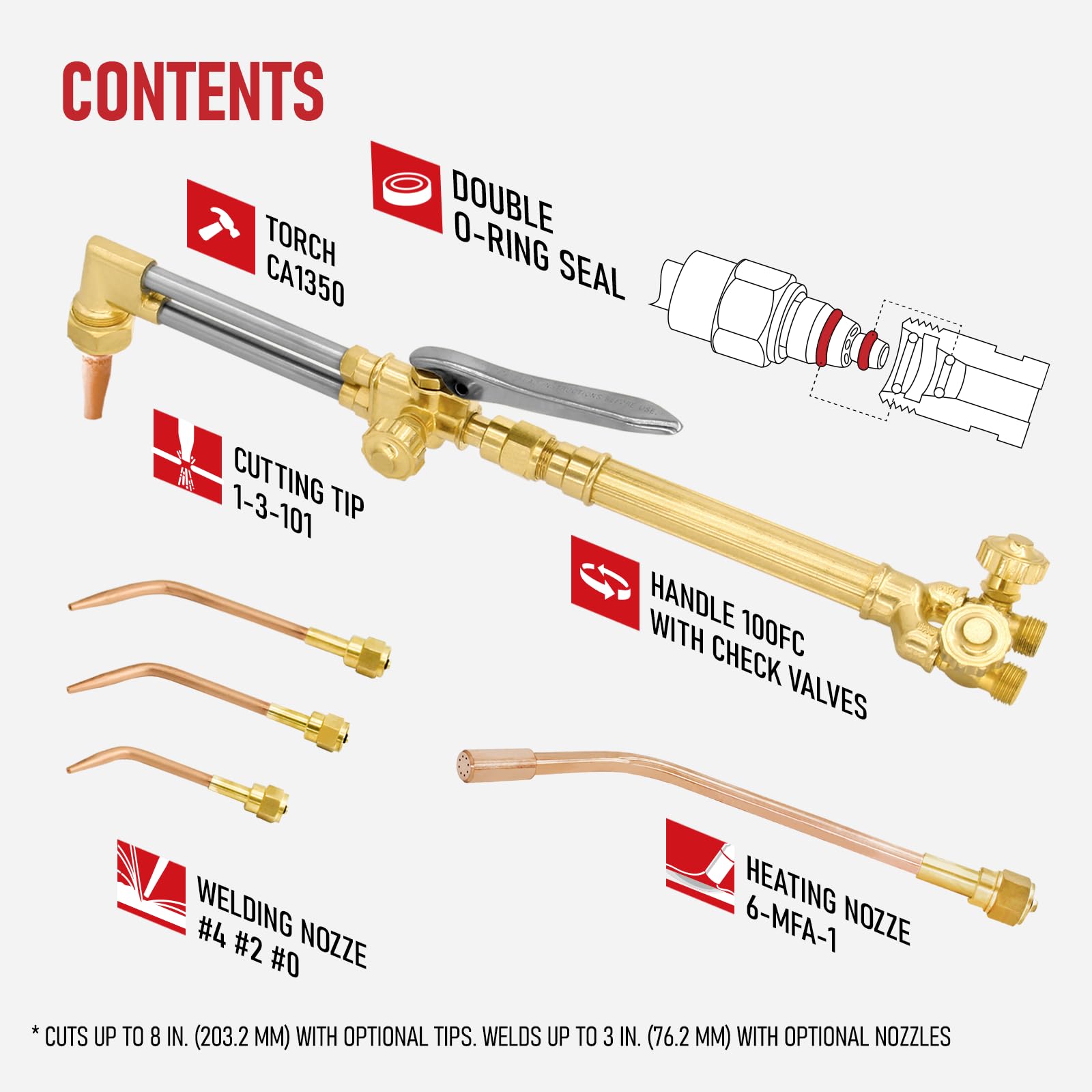
An oxy-acetylene torch diagram serves as the primary technical roadmap for understanding how high-pressure gases—oxygen and acetylene—are regulated, mixed, and ignited to produce the intense heat required for welding, cutting, and brazing metal. By identifying the specific components from gas cylinders to the torch tip, operators can safely maintain their equipment and troubleshoot performance issues effectively.
The Anatomy of an Oxy-Acetylene System
To comprehend an acetylene torch diagram, one must view the system as a continuous flow process. The setup is divided into two primary sides: the fuel (acetylene) and the oxidant (oxygen). Each gas follows an independent path until it reaches the torch handle and mixing chamber.
Gas Cylinders
The source of power begins at the cylinders. Acetylene is stored in a cylinder filled with a porous material soaked in acetone, which stabilizes the gas under pressure. Oxygen is stored as a compressed gas at much higher pressures, often exceeding 2,000 psi in a full tank. Understanding that these two gases have vastly different storage requirements is the first step in reading the diagram.
Pressure Regulators
Regulators are the most critical safety components in the system. They reduce the high pressure from the cylinders to a usable working pressure. A standard oxy-acetylene diagram shows two gauges per regulator:
- High-Pressure Gauge (Contents Gauge): Indicates the amount of gas remaining in the cylinder.
- Low-Pressure Gauge (Delivery Gauge): Indicates the working pressure being sent to the torch handle.
The diaphragm inside the regulator must be kept clean and intact; any sign of "creeping" pressure, where the delivery gauge rises even when the torch valve is closed, indicates a failing regulator that must be replaced immediately.
Flashback Arrestors and Check Valves
Modern safety standards demand the installation of flashback arrestors at the regulator outlets or the torch inlet. A check valve prevents the reverse flow of gases (e.g., oxygen entering the acetylene hose), while a flashback arrestor is designed to quench a flame front should a flashback occur. In an accurate diagram, these are positioned between the hose and the regulator, or directly on the torch inlet.
Hoses and Color Coding
Hoses are designed specifically for the gas they transport. Oxygen hoses are typically green, while acetylene hoses are red. Crucially, the connections are threaded differently: oxygen connections use right-hand threads, and acetylene connections use left-hand threads. This mechanical difference serves as a "poka-yoke" or mistake-proofing feature, ensuring that a user cannot inadvertently swap the gas lines during assembly.
The Torch Handle and Mixing Chamber
The torch handle acts as the control center. It features two needle valves, which allow the operator to adjust the flow of each gas to create the desired flame chemistry—neutral, oxidizing, or carburizing.
The Mixing Chamber
Once the gases pass the needle valves, they enter the mixing chamber. This is where the oxygen and acetylene combine to form a combustible mixture. The design of the mixing chamber is precise; it is engineered to prevent the flame from traveling back into the hoses while ensuring a consistent, laminar flow of mixed gases toward the torch tip.
Cutting Attachments and Tips
When the system is configured for cutting, a cutting attachment is affixed to the torch handle. This adds a third control valve—the "oxygen blast" or "preheat" lever. This lever releases a high-pressure jet of oxygen that oxidizes (burns away) the metal once it has been heated to its ignition temperature. The tip itself is composed of a series of preheat holes surrounding a central cutting-oxygen orifice.
Comparison of Key Component Functions
Understanding the roles of each component helps in identifying which part of the system is failing during operation.
| Component | Function | Maintenance Requirement |
|---|---|---|
| Cylinder Valve | Controls gas release | Inspect for leaks during tank change |
| Regulator | Reduces high pressure | Annual calibration and leak check |
| Flashback Arrestor | Quenches flame fronts | Replace every 2-3 years or after incident |
| Needle Valve | Fine-tunes gas ratio | Lubricate threads; check for stiff operation |
| Tip / Nozzle | Shapes the flame | Clean with a tip cleaner to remove slag |
Common Operational Failures and Troubleshooting
When reading a technical diagram, it is helpful to correlate specific visual components with common operational failures.
Flame Instability and Backfires
If the flame makes a sharp popping sound and then reignites, this is a backfire. This often occurs due to low gas pressure or a dirty tip. By referencing the diagram, the operator can see the path the gas takes; if the tip orifice is clogged, the gas velocity drops, allowing the flame to travel back into the mixing chamber.
Improper Gas Ratios
A "carburizing" flame (too much acetylene) will produce a long, bushy, yellowish flame and leave soot on the workpiece. An "oxidizing" flame (too much oxygen) will produce a shrill, sharp sound and can cause the metal to foam and spark excessively. Adjusting the needle valves based on the visual flame profile is the primary way to correct these issues.
Gas Leaks
Leaks are the most dangerous aspect of any torch system. Using a specialized leak-detection solution (never soap that contains ammonia, which can react with brass fittings) is essential. A common mistake is ignoring small leaks at the hose connections. According to safety protocols, every time the hoses are connected, they should be tested for integrity to ensure no combustible gas is accumulating in the work area.
Operational Safety Best Practices
Safety is not an optional component in an oxy-acetylene system; it is integrated into the design.
- Purging the Lines: Before lighting the torch, it is standard practice to purge the lines. This involves opening the fuel valve slightly to clear out any oxygen that may have migrated into the hose, then closing it and doing the same for the oxygen.
- Lighting Procedures: Always use a friction igniter (striker). Using matches or lighters puts the operator’s hand too close to the tip and risks injury.
- Storage: Acetylene cylinders must always be stored and used in an upright position. If an acetylene tank is laid on its side, the liquid acetone can leak into the regulator and hoses, causing internal damage and creating a significant fire hazard.
Environmental Considerations
Operating an acetylene torch in 2026 requires strict adherence to workplace ventilation standards. The combustion process consumes oxygen and releases carbon dioxide and potentially hazardous metal fumes, particularly when cutting galvanized or painted steel. Operators should ensure they are working in well-ventilated areas and, if necessary, utilizing localized fume extraction systems to mitigate exposure to zinc or lead oxides.
Frequently Asked Questions
Why are acetylene hoses red and oxygen hoses green?
Industry standards mandate these specific colors to prevent accidental cross-connection. In addition to color coding, the left-hand threading on acetylene fittings serves as a secondary physical barrier to prevent the hoses from being swapped.
What causes a "pop" when I shut off the torch?
A popping sound upon shutdown usually indicates an incorrect sequence. You should always shut off the fuel (acetylene) valve first, then the oxygen valve. This ensures that the flame is extinguished cleanly without leaving unburned fuel gases in the system.
How often should flashback arrestors be inspected?
Flashback arrestors are life-safety devices. While they should be checked periodically for physical damage or signs of soot accumulation, they should be replaced according to the manufacturer's maintenance schedule or immediately if you suspect the system has experienced a flashback.
Can I use the same regulator for propane as I do for acetylene?
No. Acetylene regulators are designed to handle the specific pressure and chemical properties of acetylene gas, which is unstable at higher pressures. Propane and other fuel gases require different regulator designs and, often, different hoses. Using the wrong regulator can lead to catastrophic equipment failure.
What is the most common sign of a worn-out torch tip?
The most common sign is an inconsistent, uneven flame shape or excessive "spitting" during operation. Inspect the tip orifice under a magnifying glass; if it is rounded, uneven, or obstructed by slag, it must be cleaned or replaced to ensure a safe and efficient preheat.
Final Recommendations
To maintain your oxy-acetylene system, establish a routine of "pre-flight" checks before every use. Verify the pressure readings on your regulators, inspect your hoses for cracks or abrasions, and ensure your tip is free of debris. If at any point you notice a smell of gas or erratic flame behavior that persists after standard adjustments, immediately close the cylinder valves and secure the equipment. Consistent adherence to the component layout shown in a standard oxy-acetylene diagram will ensure your equipment remains a reliable tool for years to come.