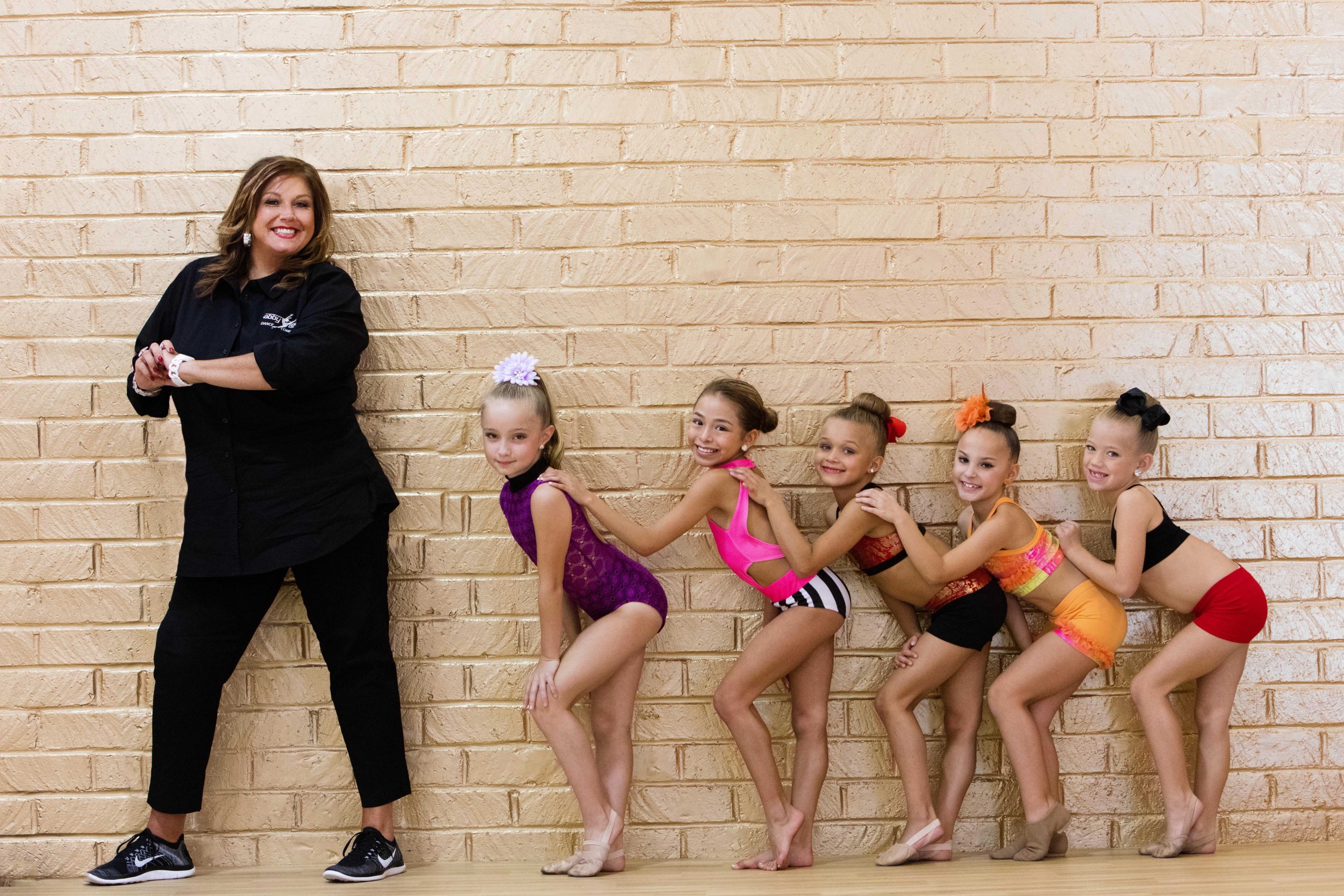
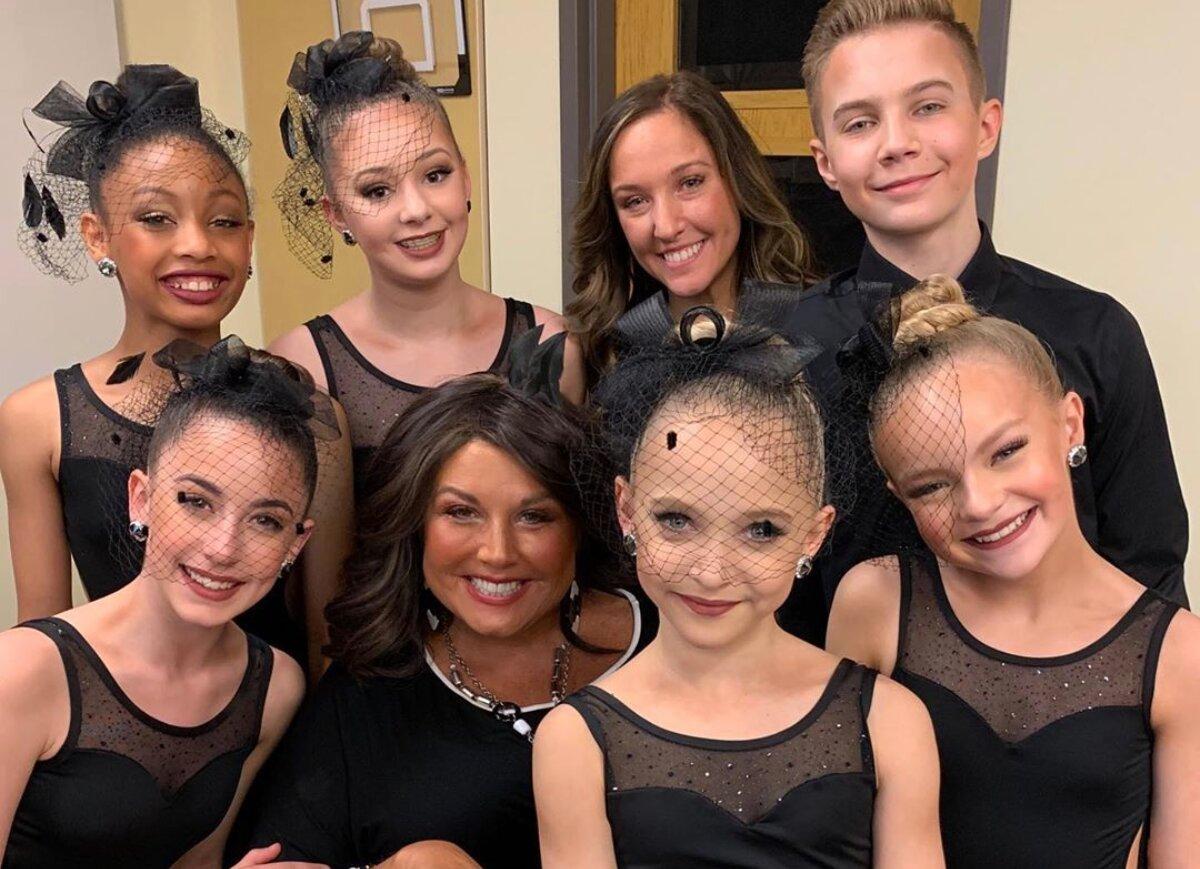
Abigale "Abby" Lee Miller is the central, polarizing figure of the Lifetime reality series Dance Moms, serving as the founder of the Abby Lee Dance Company (ALDC) and the primary instructor across eight seasons. Her demanding teaching style, the iconic "pyramid" ranking system, and her turbulent relationships with both students and parents defined an era of competitive dance television.
Throughout the run of Dance Moms, Abby Lee Miller transformed from a local Pittsburgh dance teacher into a global media personality. Her influence extended far beyond the walls of her studio, sparking nationwide debates about the ethics of competitive coaching and the pressures placed on child performers. As of 2026, her impact remains a foundational study in the evolution of reality television and the commercialization of the performing arts.
The Foundations of the Abby Lee Dance Company
Before becoming a household name, Abby Lee Miller followed in the footsteps of her mother, Maryen Lorrain Miller, who was a dance teacher and member of the Dance Masters of America. Abby founded the Abby Lee Dance Company in 1980, specializing in a rigorous curriculum of tap, jazz, lyrical, and acrobatics.
The ALDC was known for its "competition team" culture long before cameras arrived. Miller’s philosophy was rooted in the idea that "everyone is replaceable," a mantra that would eventually become a hallmark of the show. Her studio focused on creating "employable" dancers who could transition from the competition circuit to professional work in Los Angeles or New York. This professional focus often clashed with the emotional needs of her young students, creating the high-stakes environment that producers eventually captured for television.
The Pyramid: A Tool for Motivation and Drama
One of the most recognizable elements of Abby Lee Miller’s tenure on Dance Moms was the "Pyramid." At the beginning of almost every episode, Miller would rank the dancers based on their performance in the previous week's competition, their behavior, and their attendance.
The pyramid served two distinct purposes. On a technical level, it was intended to provide feedback and motivate dancers to strive for the top spot. On a production level, it was a masterclass in narrative tension. By placing certain children at the bottom, Miller often incited immediate reactions from the "dance moms," leading to the verbal confrontations that became the show's signature.
The top of the pyramid was frequently occupied by Maddie Ziegler, who Miller viewed as her "star" pupil. This favoritism created a persistent rift between Miller and other parents, particularly Christi Lukasiak (mother of Chloe) and Kelly Hyland (mother of Brooke and Paige), who felt their children were being sabotaged to keep Ziegler at the forefront.
Technical Training and Choreography Styles
Despite the drama, Abby Lee Miller’s technical contributions to the dance world were significant during the show's peak. She favored a specific style of "competition dance" that prioritized flexibility, high-impact acrobatics, and emotional storytelling.
- Lyrical and Contemporary: These were the "bread and butter" of the ALDC's winning streak. Miller’s choreography often tackled mature or controversial themes, which helped her dancers stand out to judges.
- Musical Theater: Miller emphasized the importance of facial expressions and character work, arguing that a dancer who cannot act is not a complete performer.
- Acrobatics: The ALDC was known for incorporating difficult "tricks" into routines, a trend that has since become standard in the competitive dance industry.
Critics often argued that Miller’s focus on winning prevented her from teaching a broader range of techniques, such as classical ballet, which is essential for long-term professional longevity. However, the success of ALDC alumni in music videos, commercials, and Broadway shows suggests her methods produced results in the commercial sector.
The Legal and Personal Challenges of Abby Lee Miller
The mid-2010s marked a period of severe legal and health crises for Miller. In 2015, she was indicted on multiple counts of bankruptcy fraud, concealment of bankruptcy assets, and false declarations. The case centered on her failure to report income from Dance Moms and related ventures.
In May 2017, Miller was sentenced to one year and one day in federal prison. She served her time at the Federal Correctional Institution in Victorville, California. This period was documented in the final episodes of Season 7, showing a rare, vulnerable side of the typically iron-fisted coach.
Shortly after her release to a halfway house in 2018, Miller faced a life-threatening health crisis. She was diagnosed with Burkitt lymphoma, a rare and aggressive form of non-Hodgkin's lymphoma. The cancer, which initially presented as spinal pain, required emergency surgery and left her paralyzed from the waist down. Her journey through chemotherapy and physical therapy was the central focus of Season 8, titled Dance Moms: Resurrection.
The Evolution of the ALDC Brand through 2026
Following the conclusion of Dance Moms on Lifetime, Abby Lee Miller transitioned her brand into the digital and educational space. By 2026, she has remained active through "Abby Lee’s Virtual Studio" and masterclasses hosted globally. While she no longer maintains the same brick-and-mortar presence in Pittsburgh that she once did, her influence is felt through her massive social media following and her YouTube channel, where she provides critiques of modern dance trends.
Miller has also leveraged her history to consult on other reality projects and has remained a vocal critic of the "copycat" dance shows that followed in her wake. Even with mobility challenges, she continues to attend competitions as a guest judge, often sparking the same mix of awe and controversy that she did during the height of the show.
Comparing the Eras of Abby Lee Miller in Dance Moms
The following table outlines the distinct phases of Miller's involvement in the series and how the dynamic of the show shifted over time.
| Phase | Seasons | Location | Key Theme | Notable Dancers |
|---|---|---|---|---|
| The Golden Era | 1–4 | Pittsburgh, PA | Local studio vs. National titles | Maddie, Chloe, Nia, Brooke, Paige |
| The LA Transition | 5–6 | Los Angeles, CA | Pursuing Hollywood fame | JoJo Siwa, Kalani Hilliker, Brynn Rumfallo |
| The Legal Crisis | 7 | LA / Pittsburgh | The threat of prison and ALDC split | Elliana Walmsley, Lilliana Ketchman |
| Resurrection | 8 | Pittsburgh, PA | Recovery from cancer and new team | Brady Farrar, GiaNina Paolantonio |
| Post-Show Legacy | 2020–2026 | Global/Digital | Brand management and mentorship | Various ALDC Alumni |
The "Dance Mom" Archetype and Miller's Influence
Abby Lee Miller did not just create stars; she created a new archetype in American culture: the "Dance Mom." Her interactions with mothers like Holly Frazier, Jill Vertes, and Melissa Gisoni became a blueprint for reality TV conflict. Miller argued that the mothers were the greatest obstacle to their children's success, while the mothers argued that Miller’s emotional volatility was a form of professional malpractice.
This dynamic forced a conversation about the role of parents in specialized youth activities. In the years following the show, many former students, including Chloe Lukasiak and the Hyland sisters, have spoken openly about the mental health toll of the environment. Conversely, JoJo Siwa has remained a staunch defender of Miller, credits her for her "thick skin" and her ability to handle the pressures of the entertainment industry.
Technical Specifications of Competitive Dance Today
To understand why Miller was so successful, one must look at the technical requirements of the competitions she attended, such as Starbound, In10sity, and Sheer Talent. These organizations use a specific scoring rubric that Miller mastered:
- Technique (40%): Placement, pointed toes, extension, and turn execution.
- Performance (25%): Facial expressions, stage presence, and "projection."
- Choreography (20%): Difficulty level, flow, and use of the stage.
- Overall Appearance (15%): Costuming, grooming, and appropriateness of the music.
Miller’s ability to "work the scoresheet" was her greatest asset. She knew exactly which tricks would earn the most points and which costumes would appeal to specific judging panels. This analytical approach to dance is what allowed the ALDC to maintain a winning streak that spanned several years and hundreds of trophies.
Frequently Asked Questions
What is the current relationship between Abby Lee Miller and Maddie Ziegler?
As of 2026, Abby Lee Miller and Maddie Ziegler do not have a formal relationship. Maddie has distanced herself from the show and Miller, focusing on her career in film and high-fashion modeling. Miller has expressed disappointment in this estrangement, often mentioning it in her social media content, but the two have not reunited publicly.
Can Abby Lee Miller walk again in 2026?
After her diagnosis of Burkitt lymphoma in 2018, Miller underwent extensive physical therapy. While she primarily uses a wheelchair for long-distance mobility and public appearances, she has regained some limited movement and has occasionally demonstrated the ability to stand or take assisted steps. Her focus remains on rehabilitation and maintaining her spinal health.
Is the Abby Lee Dance Company still open?
The original Pittsburgh location of the ALDC was sold in 2023. However, Miller continues to operate her brand through the ALDC LA location and various pop-up workshops. The brand has evolved into more of a "touring academy" rather than a traditional neighborhood studio, focusing on high-level training for aspiring professionals.
Why was Abby Lee Miller replaced in Season 7?
During the latter half of Season 7, Miller’s legal troubles and her decision to leave the show abruptly led producers to bring in guest choreographers, most notably Cheryl Burke of Dancing with the Stars. Miller eventually returned for Season 8 after her health crisis was stabilized, but the "Guest Choreographer" era marked a significant shift in the show's power structure.
How much of the drama in Dance Moms was real?
While the emotional reactions and the competitive stakes were genuine, former cast members and producers have noted that certain situations were "prompted." For example, the order of the pyramid was sometimes influenced by production to spark specific arguments, and the "arrival" of rival teams (like Cathy’s Candy Apples) was carefully scheduled to coincide with filming dates.
Final Recommendation for Aspiring Dancers
If you are a dancer or parent inspired by the legacy of Abby Lee Miller, it is essential to balance high-level technical training with a supportive emotional environment. The "win at all costs" mentality displayed on Dance Moms can lead to short-term success, but modern dance education in 2026 emphasizes holistic development. Seek out instructors who challenge your technical limits while respecting your mental health. For those interested in the history of the show, many of the routines and teaching segments remain valuable for understanding the evolution of the "competition style" that dominates the industry today.