In July 2018, 92-year-old Anna Mae Blessing shot and killed her 72-year-old son, Thomas Blessing, in their shared Fountain Hills, Arizona, residence. The tragic incident occurred following a dispute regarding the son’s plans to move his mother into an assisted living facility. Anna Mae Blessing was charged with first-degree murder but died in custody in early 2021.
The July 2018 Shooting in Fountain Hills
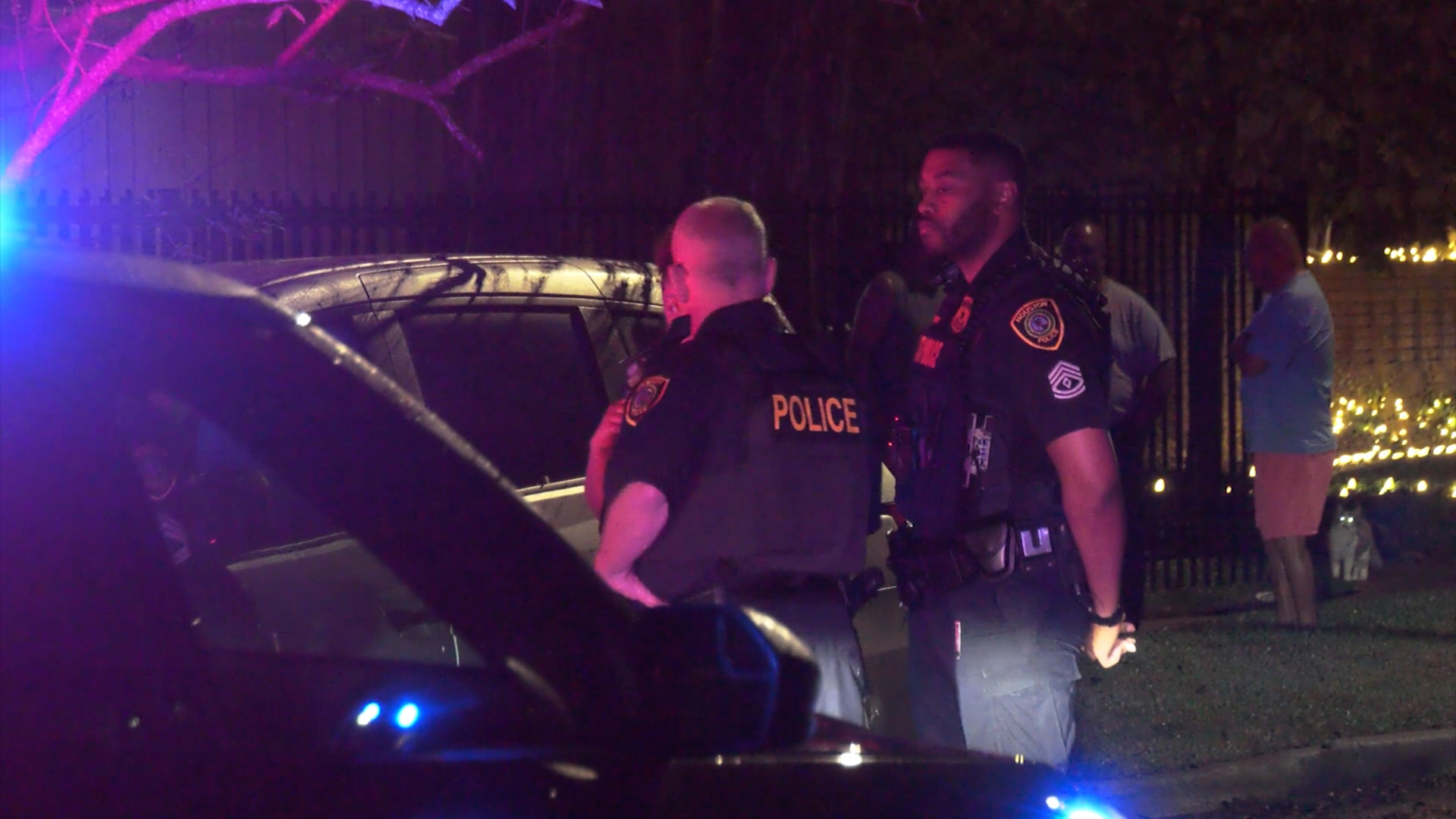
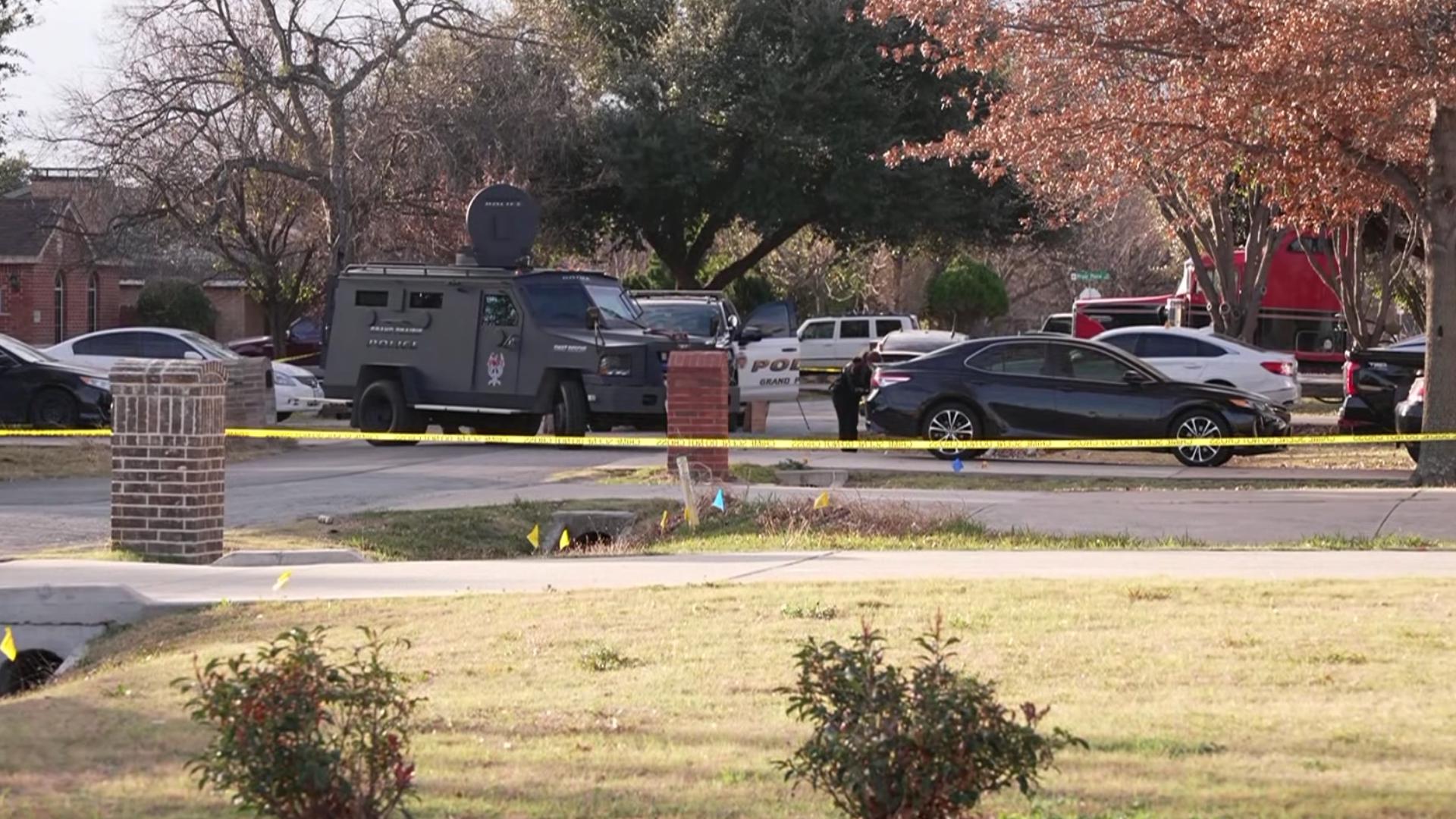
On the morning of July 2, 2018, the Maricopa County Sheriff’s Office responded to a domestic disturbance call in a quiet neighborhood in Fountain Hills, Arizona. Upon arrival, deputies discovered a scene that challenged conventional understandings of domestic violence. Anna Mae Blessing, a woman in her tenth decade of life, had allegedly confronted her son in his bedroom.
According to police reports and court documents, Blessing had concealed two handguns in the pockets of her floral robe before entering the room where her son and his girlfriend were located. She drew a revolver—which she had reportedly owned since the 1970s—and fired multiple rounds. Her son, Thomas Blessing, was struck in the neck and jaw, resulting in his immediate death.
The confrontation did not end with her son. Blessing then turned the weapon toward her son’s 57-year-old girlfriend. During the ensuing struggle, the girlfriend managed to disarm the 92-year-old. However, Blessing pulled a second handgun from her pocket and attempted to continue the assault. The girlfriend ultimately wrestled the second weapon away and fled the home to call the authorities. When deputies arrived, they found Anna Mae Blessing sitting in a recliner in her living room, reportedly telling officers that her son had "taken her life" by trying to move her out of her home, so she decided to take his.
Motive and the Conflict Over Assisted Living
The primary catalyst for the shooting was a deeply rooted conflict regarding elder care and independence. Thomas Blessing had been discussing the necessity of transitioning his mother to an assisted living facility. Like many elderly individuals, Anna Mae Blessing viewed this transition not as a supportive medical necessity, but as a total loss of autonomy and a forced eviction from her personal sanctuary.
The psychological weight of losing one's home can be profound for the elderly. In this specific case, the fear manifested as extreme aggression. Investigators noted that Blessing had been stewing over the decision for several days. The premeditated nature of the act—choosing two separate firearms and concealing them—suggested a calculated response to what she perceived as an existential threat.
This case serves as a harrowing example of the "aging in place" conflict. While many families successfully navigate the transition to professional care, the Blessing case highlights the potential for catastrophic breakdowns in communication and mental health when an elderly family member feels cornered or discarded.
Legal Proceedings and Charges
Following the incident, Anna Mae Blessing was arrested and booked into the Maricopa County jail. The legal system faced a unique challenge: prosecuting a 92-year-old woman for first-degree murder, aggravated assault with a deadly weapon, and kidnapping.
Initial Arraignment and Bail
During her initial court appearance, Blessing was held on a $500,000 cash bond. Despite her age and physical frailty, the court deemed her a potential danger to the community, specifically the surviving witness (the son's girlfriend). The prosecution emphasized the deliberate nature of the shooting, noting that she had brought a backup weapon to the scene.
Competency and Health Issues
As the case progressed through 2019 and 2020, the defense raised significant questions regarding Blessing's mental competency. Geriatric mental health became a central theme of the legal strategy. However, the legal process moved slowly, hindered by the defendant's declining physical health and the logistical challenges of the COVID-19 pandemic during that era.
Final Outcome
Anna Mae Blessing never stood trial for the murder of her son. She was eventually moved from the jail's medical unit to a hospice care facility under the supervision of the county. In January 2021, at the age of 95, she passed away from natural causes. Upon her death, the criminal charges were formally dismissed by the Maricopa County Superior Court.
Historical Timeline of the Anna Mae Blessing Case
The following table outlines the critical milestones from the morning of the shooting through the final dismissal of the case.
| Date | Event | Location / Significance |
|---|---|---|
| July 2, 2018 | The Shooting | Fountain Hills, AZ; Thomas Blessing killed. |
| July 3, 2018 | Formal Charging | Charged with 1st-degree murder and aggravated assault. |
| July 2018 | Initial Court Statements | Blessing claims her son "took her life" first. |
| 2019 - 2020 | Competency Evaluations | Ongoing legal assessment of Blessing's mental state. |
| Late 2020 | Transfer to Hospice | Blessing moved due to failing physical health. |
| January 2021 | Death of Defendant | Anna Mae Blessing dies at age 95. |
| February 2021 | Case Dismissal | Charges dropped following the death of the accused. |
The Role of Firearms in Geriatric Domestic Violence
A significant aspect of this case was the accessibility of firearms. The weapons used were older models that had been in Blessing’s possession for decades. This brings to light the often-overlooked issue of firearm safety among the elderly.
Many households contain "legacy" firearms—guns purchased decades ago that remain in bedside drawers or closets. When an individual begins to experience cognitive decline, paranoia, or extreme emotional distress associated with aging, these weapons pose a significant risk. In the Blessing case, the presence of the revolvers transformed a tragic family argument into a fatal encounter.
Safety advocates often recommend that families discuss "firearm retirement" alongside "driving retirement." As reflexes slow and cognitive clarity potentially wanes, the risk of accidental discharge or impulsive use increases.
Understanding Assisted Living Transition Stress
The "92-year-old shoots son" headline is often cited in discussions about Relocation Stress Syndrome (RSS). This is a physiological and psychological disturbance that occurs when an individual moves from one environment to another. For the elderly, the stress is often exacerbated by:
- Loss of Control: The feeling that decisions are being made for them rather than with them.
- Fear of the Unknown: Misconceptions about the quality of life in assisted living facilities.
- Grief: Mourning the loss of a spouse (Blessing’s husband had passed years prior) and the loss of the physical home that holds those memories.
In the Blessing household, these factors merged into a lethal resentment. Thomas Blessing believed he was acting in his mother’s best interest, likely due to her advanced age and the difficulties of providing 24/7 care at home. However, the lack of a collaborative transition plan resulted in a defensive, violent reaction from the mother.
Preventive Measures for High-Conflict Caregiving
While the Anna Mae Blessing case is an extreme outlier, conflict over elder care is common. Experts in geriatric social work suggest several steps to mitigate the risk of violence or severe emotional trauma during these transitions:
- Early Intervention: Start the conversation about future care years before a crisis occurs. This allows the senior to feel they are part of the planning process.
- Involvement of Neutral Third Parties: Using a geriatric care manager or a family mediator can take the emotional "heat" off the relationship between the parent and child.
- Home Safety Assessments: Removing or securing firearms and other dangerous items is a standard safety protocol if a senior shows signs of severe agitation, paranoia, or dementia.
- Gradual Transitions: Whenever possible, introduce the idea of assisted living through "respite stays" or day programs to familiarize the senior with the environment before a permanent move.
Frequently Asked Questions
What happened to Anna Mae Blessing?
Anna Mae Blessing was arrested immediately after the shooting in 2018. She remained in custody and was later moved to hospice care as her health declined. She died in January 2021 at the age of 95, before her case could go to trial.
What were the specific weapons used in the shooting?
Blessing used two revolvers. The primary weapon used to kill her son was a revolver she had reportedly owned since the 1970s. She had a second handgun concealed in her pocket, which the son's girlfriend successfully wrestled away from her.
Why did the 92-year-old shoot her son?
According to her own statements to investigators, she was upset that her son intended to move her into an assisted living facility. She felt that her son was taking her life away by forcing her out of her home, and she decided to retaliate.
Was Anna Mae Blessing ever convicted?
No, she was never convicted. While she was charged with first-degree murder and other felonies, the legal proceedings were delayed by her health and competency issues. The charges were dismissed only after her death in 2021.
How common is violence among the elderly in caregiving disputes?
While fatal shootings are extremely rare, verbal and physical "caregiver-directed violence" is more common than many realize. It often stems from dementia-related agitation, fear of losing independence, or underlying mental health issues that go untreated in old age.
Could the shooting have been prevented?
While it is impossible to say with certainty, experts suggest that removing firearms from the home and utilizing professional mediation for the assisted living transition might have reduced the risk of a violent escalation.
Practical Recommendations for Families
If you are a family member navigating a difficult transition for an elderly parent, prioritize safety and communication. The Anna Mae Blessing case underscores the importance of recognizing when a domestic situation has become volatile.
- Seek Legal and Medical Guidance: If a senior family member threatens violence, it is a medical emergency. Contact a geriatric psychiatrist or local adult protective services to intervene.
- Secure Firearms: Ensure all weapons in the home are locked in a safe to which the senior does not have the combination or key.
- Prioritize Professional Mediation: Do not attempt to force a move alone if the relationship is already strained. Professional intervention can provide a buffer that protects both the caregiver and the senior.
As of 2026, this case remains a sobering reminder of the complexities inherent in elder care and the critical need for mental health support for both seniors and their adult children.