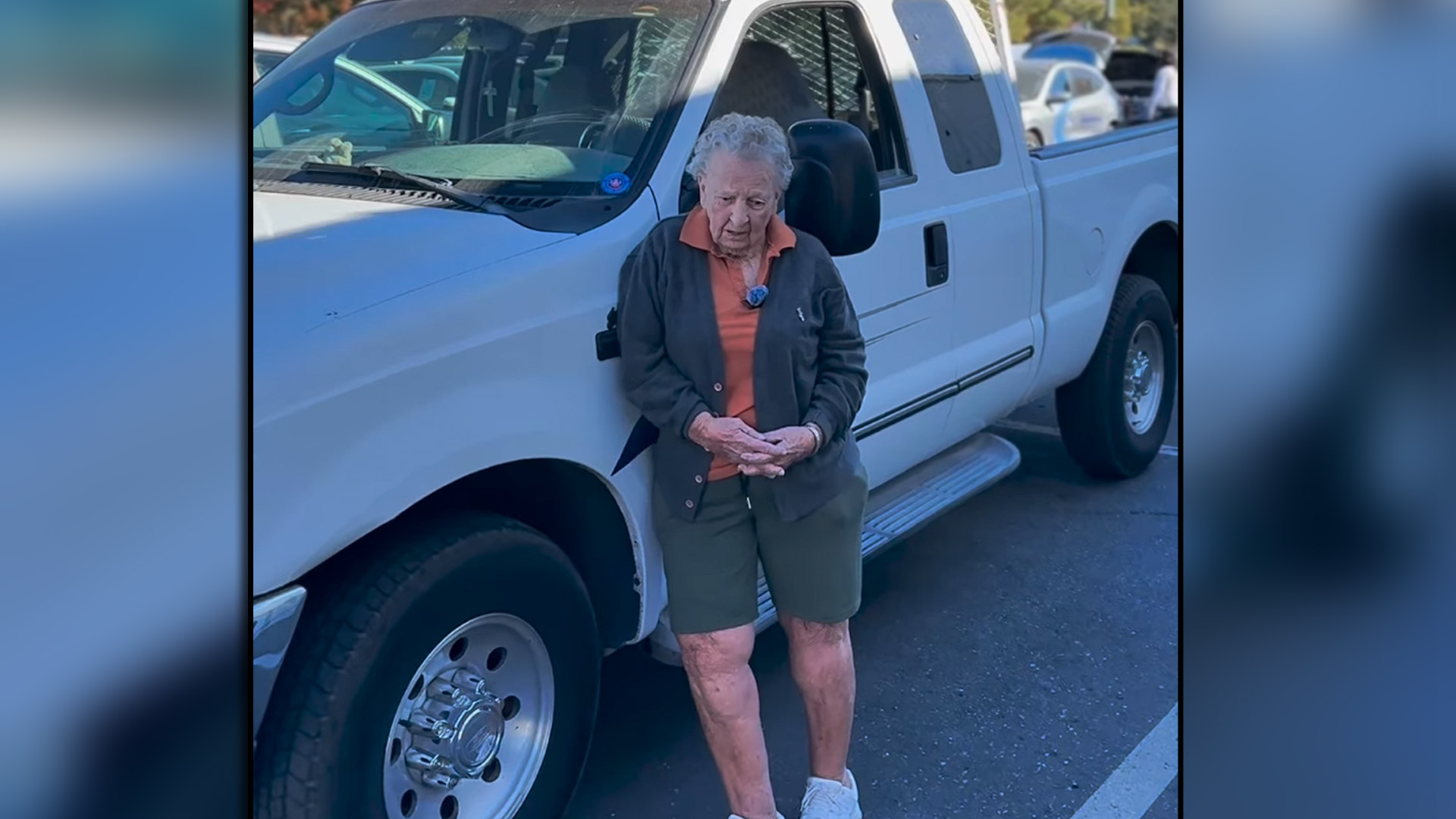
The 2018 assault on 92-year-old Rodolfo Rodriguez in Willowbrook, California, remains a landmark case involving elder abuse and unprovoked violence. Rodriguez was attacked with a concrete brick on July 4, 2018, leading to a 15-year prison sentence for his assailant, Laquisha Jones, in 2019. As of 2026, the case continues to serve as a primary reference for sentencing enhancements in crimes against vulnerable populations and the role of bystander intervention in criminal investigations.
Detailed Account of the Willowbrook Incident
On the evening of July 4, 2018, Rodolfo Rodriguez, a legal permanent resident from Mexico visiting family in the United States, was taking his routine walk through a neighborhood in Willowbrook, an unincorporated area of Los Angeles County. During this walk, a confrontation occurred near 118th Street and Indiana Avenue. According to witness statements and subsequent police reports, Rodriguez accidentally bumped into a young child while walking on the sidewalk.
Despite the accidental nature of the contact, the child’s mother, identified as Laquisha Jones, then 30 years old, responded with immediate and extreme physical violence. Jones began yelling at Rodriguez before picking up a concrete brick or paving stone and striking the 92-year-old man repeatedly in the face and body. The severity of the attack was compounded by the victim's extreme vulnerability; at 92, Rodriguez lacked the physical capacity to defend himself or retreat effectively.
The assault was partially captured on a mobile phone by a bystander, Misbel Borjas. The footage did not show the start of the attack but depicted Rodriguez on the ground, bloodied and dazed, while Jones walked away with a brick in her hand. Borjas also reported that a group of men joined the confrontation, though their specific roles were subjected to further investigation. The public release of the video and photos of Rodriguez’s bruised and swollen face sparked international outrage and a rapid mobilization of law enforcement resources.
Medical Ramifications and Recovery for the Elderly
The physical impact of a brick-based assault on a nonagenarian is catastrophic. Rodolfo Rodriguez sustained multiple severe injuries that required extensive hospitalization and long-term care. His injuries included:
- Fractured Jaw: The blunt force trauma from the brick caused a break in the mandible, requiring specialized oral and maxillofacial intervention.
- Broken Ribs: Multiple fractures to the ribcage posed a significant risk of respiratory complications, such as pneumonia, which is a leading cause of mortality in elderly trauma patients.
- Severe Facial Contusions: Deep bruising and lacerations led to permanent scarring and required significant time for the swelling to subside.
- Psychological Trauma: Beyond the physical wounds, the attack resulted in a loss of independence and a heightened state of fear, common among elderly victims of violent crime.
In the elderly, bone density is significantly lower (osteoporosis or osteopenia), and the skin is thinner and more prone to tearing (dermatoporosis). A 92-year-old’s body does not heal with the same speed or efficiency as a younger person’s. The recovery process for Rodriguez involved not just the healing of bone and tissue but also physical therapy to regain the mobility he had enjoyed prior to the assault.
Legal Proceedings and Sentencing of Laquisha Jones
The Los Angeles County District Attorney’s office charged Laquisha Jones with elder abuse and personal use of a deadly weapon. While there were initial calls from the public to classify the incident as a hate crime due to Rodriguez’s ethnicity and the reported verbal taunts during the attack, prosecutors focused on the charges that carried the most certain path to a lengthy conviction based on the available evidence.
In December 2018, Laquisha Jones pleaded no contest to one count of elder abuse inflicted under circumstances likely to cause great bodily injury. As part of the plea agreement, she admitted to the allegation of using a deadly weapon (the brick) and inflicting great bodily injury on a person over the age of 70.
The 15-Year Sentence
In 2019, Los Angeles County Superior Court Judge Scott Millington sentenced Jones to 15 years in state prison. During the sentencing, the judge emphasized the cold-blooded nature of the attack on a defenseless senior citizen. The 15-year term was significantly higher than standard assault sentences, reflecting "sentencing enhancements" specifically designed to punish those who target the elderly.
As of 2026, Jones remains incarcerated within the California Department of Corrections and Rehabilitation (CDCR) system. Her sentence reflects the judiciary's stance on "aggravated circumstances," where the disparity in strength and age between the defendant and the victim serves as a primary factor in determining the length of imprisonment.
Elder Abuse Laws and Protections in California
The prosecution of the Rodriguez case relied heavily on California Penal Code 368, which specifically addresses crimes against elders and dependent adults. This statute is one of the most comprehensive in the United States, providing a legal framework to protect individuals aged 65 and older.
Types of Elder Abuse Defined by Law
- Physical Abuse: The use of physical force that results in bodily injury, pain, or impairment, as seen in the Rodriguez case.
- Emotional or Psychological Abuse: Infliction of anguish, pain, or distress through verbal or non-verbal acts.
- Financial Exploitation: Illegal or improper use of an elder’s funds, property, or assets.
- Neglect: The failure of a caregiver to provide for an elder's basic needs.
In California, if a person knows or reasonably should know that a victim is an elder and commits a violent crime against them, they face mandatory sentencing enhancements. In the Rodriguez case, the "great bodily injury" (GBI) enhancement added significant years to the base sentence for elder abuse.
| Legal Milestone | Date | Outcome/Detail |
|---|---|---|
| Date of Incident | July 4, 2018 | Rodolfo Rodriguez attacked in Willowbrook, CA. |
| Arrest of Suspect | July 10, 2018 | Laquisha Jones apprehended by LA County Sheriffs. |
| Plea Entered | December 27, 2018 | Jones pleaded no contest to elder abuse. |
| Sentencing | March 2019 | Jones sentenced to 15 years in state prison. |
| Civil/Community Support | 2018-2019 | GoFundMe raised over $325,000 for medical bills. |
| Status as of 2026 | 2026 | Jones continues serving her 15-year sentence. |
The Role of Bystander Intervention and Digital Evidence
The Rodriguez case was solved largely due to the courage of a bystander and the prevalence of mobile recording technology. Misbel Borjas, who witnessed the aftermath, did not just watch; she documented the scene and followed the assailant from a safe distance to ensure there was visual evidence for the police.
This case highlights a shift in modern criminal justice where digital evidence often supersedes or corroborates witness testimony. The viral nature of the video ensured that the Los Angeles County Sheriff’s Department faced immense public pressure to resolve the case quickly. It also facilitated a massive crowdfunding effort. A GoFundMe campaign established for Rodriguez's medical expenses surpassed its initial goal within days, eventually reaching over $325,000. These funds were used to cover specialized surgeries, long-term nursing care, and private security for the victim and his family.
Identifying and Reporting Elder Abuse
The 2018 incident serves as a grim reminder of the importance of vigilance in protecting senior citizens. Elder abuse often goes unreported because victims may be intimidated, ashamed, or physically unable to communicate the abuse.
Warning Signs of Physical Elder Abuse
- Unexplained bruises, pressure marks, or broken bones.
- Lacerations or burns that do not match the victim's explanation.
- Sudden changes in alertness or withdrawal from normal activities.
- Bruises around the breasts or genital area (indicating sexual abuse).
- The caregiver’s refusal to allow visitors to see the elder alone.
How to Take Action
If you witness an active assault, such as the one involving the brick in Willowbrook, the immediate step is to contact emergency services (911). For ongoing concerns regarding the safety of a senior, Adult Protective Services (APS) is the primary agency responsible for investigating claims of abuse. In California, the Long-Term Care Ombudsman program also provides a pathway for reporting abuse occurring in nursing homes or assisted living facilities.
Psychological and Societal Impacts of Unprovoked Violence
Unprovoked attacks, especially those involving weapons like bricks, create a "ripple effect" of fear within a community. For the immigrant community in Los Angeles, the attack on Rodriguez was particularly traumatic, as it occurred against a backdrop of heightened tensions regarding immigration status and national identity.
Sociologists point to these incidents as "bias-motivated" even when they do not meet the strict legal definition of a hate crime. The perception that a vulnerable individual was targeted because of their perceived inability to fight back or their "otherness" can damage community trust. The 15-year sentence given to Jones was seen by many as a necessary deterrent to signify that the legal system places a high value on the lives and safety of elderly residents, regardless of their background.
Safety Recommendations for Elderly Pedestrians
While the blame for the 2018 attack rests entirely on the perpetrator, safety advocates have used the case to discuss ways to improve the environment for elderly pedestrians.
- Walking in Pairs: Whenever possible, seniors should walk with a companion to discourage opportunistic attackers.
- Familiar Routes: Sticking to well-lit, high-traffic areas during daylight hours reduces the window of opportunity for unobserved violence.
- Communication Devices: Ensuring seniors carry a mobile phone or a wearable medical alert device can expedite the arrival of help.
- Community Watch: Neighbors should be encouraged to look out for elderly residents, especially those who walk for exercise or to run errands.
Frequently Asked Questions
What happened to the woman who hit the 92-year-old man with a brick? Laquisha Jones was arrested shortly after the incident in July 2018. She pleaded no contest to elder abuse and was sentenced to 15 years in prison in 2019. As of 2026, she remains in the custody of the California Department of Corrections and Rehabilitation.
Did Rodolfo Rodriguez recover from his injuries? Rodolfo Rodriguez underwent several surgeries to repair his jaw and ribs. While he survived the attack, the physical and emotional scars were significant. His family used the funds raised from the community to provide for his ongoing healthcare needs and to ensure he could live his remaining years in safety.
Was the brick attack classified as a hate crime? Although there were allegations that the attacker told Rodriguez to "go back to your country," the District Attorney’s office did not ultimately pursue hate crime charges. Instead, they focused on elder abuse and assault with a deadly weapon, which allowed for a significant sentence of 15 years based on the physical evidence and the victim's age.
Why was the sentence so long for a single assault? The 15-year sentence was the result of multiple "sentencing enhancements." In California, the law allows for additional years to be added to a sentence if the victim is over 70, if a deadly weapon is used, and if "great bodily injury" is inflicted. The judge exercised the maximum discretion to reflect the brutality of the crime.
What should I do if I see an elderly person being mistreated? If there is immediate danger or a violent act in progress, call 911 immediately. For suspected ongoing abuse, neglect, or financial exploitation, contact your local Adult Protective Services (APS) agency or a local law enforcement non-emergency line to request a welfare check.
Final Recommendation
The Rodolfo Rodriguez case highlights the critical importance of bystander documentation and the rigorous application of elder protection laws. To support the safety of seniors in your community, advocate for increased lighting in residential areas and support local Adult Protective Services programs. If you are a caregiver or family member of a senior, ensure they have access to a reliable means of communication and consider accompanying them on outings in unfamiliar or secluded areas.