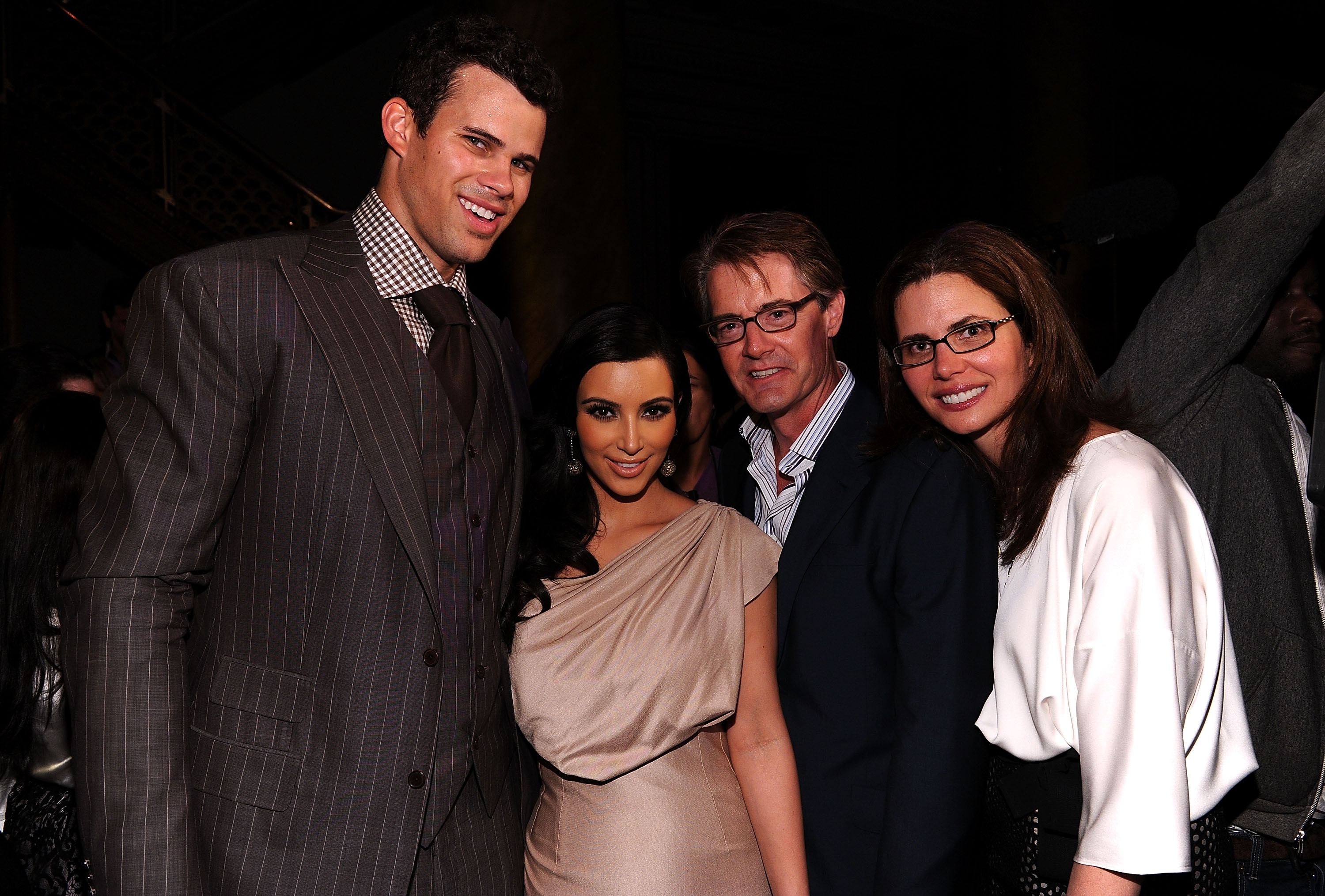
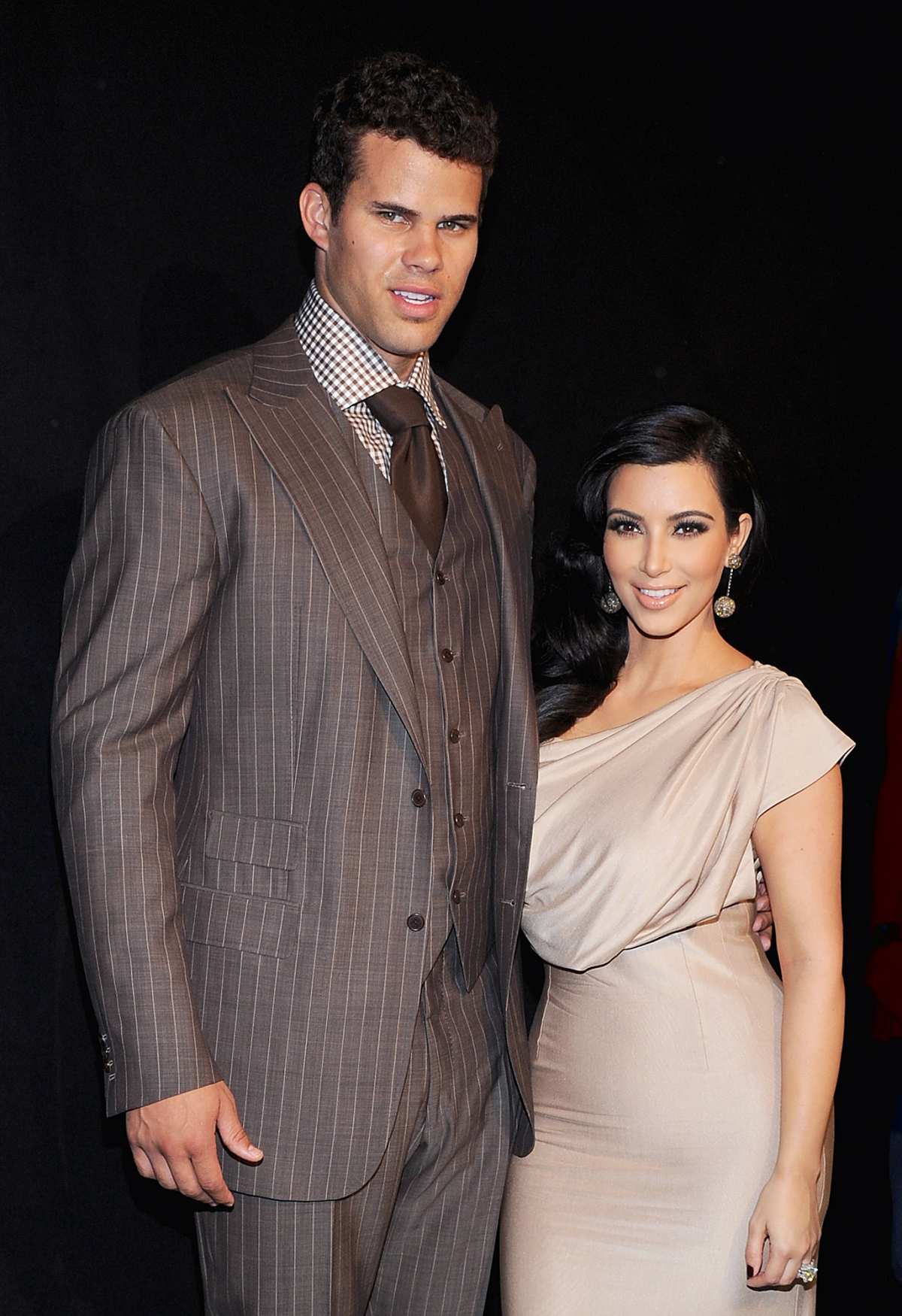
Kim Kardashian’s marriage to NBA player Kris Humphries lasted exactly 72 days, beginning with a lavish, televised ceremony on August 20, 2011, and ending when Kardashian filed for divorce on October 31, 2011. This brief union remains one of the most scrutinized events in reality television history, serving as a case study in celebrity branding and the intersection of private life and public entertainment.
The Whirlwind Romance and Engagement
The relationship between Kim Kardashian and Kris Humphries began in late 2010, during a period when Kardashian’s fame was reaching a global fever pitch. At the time, Humphries was a power forward for the New Jersey Nets. The romance developed rapidly, largely captured or referenced within the framework of the E! Entertainment reality series, Keeping Up with the Kardashians.
After just six months of dating, Humphries proposed in May 2011. The proposal was a major media event, featuring a 20.5-carat emerald-cut diamond ring designed by Lorraine Schwartz, valued at approximately $2 million. The speed of the engagement raised eyebrows among critics, but for the Kardashian-Jenner brand, it provided a narrative arc that culminated in what was billed as "The Royal Wedding of Reality TV."
The Wedding as a Media Production
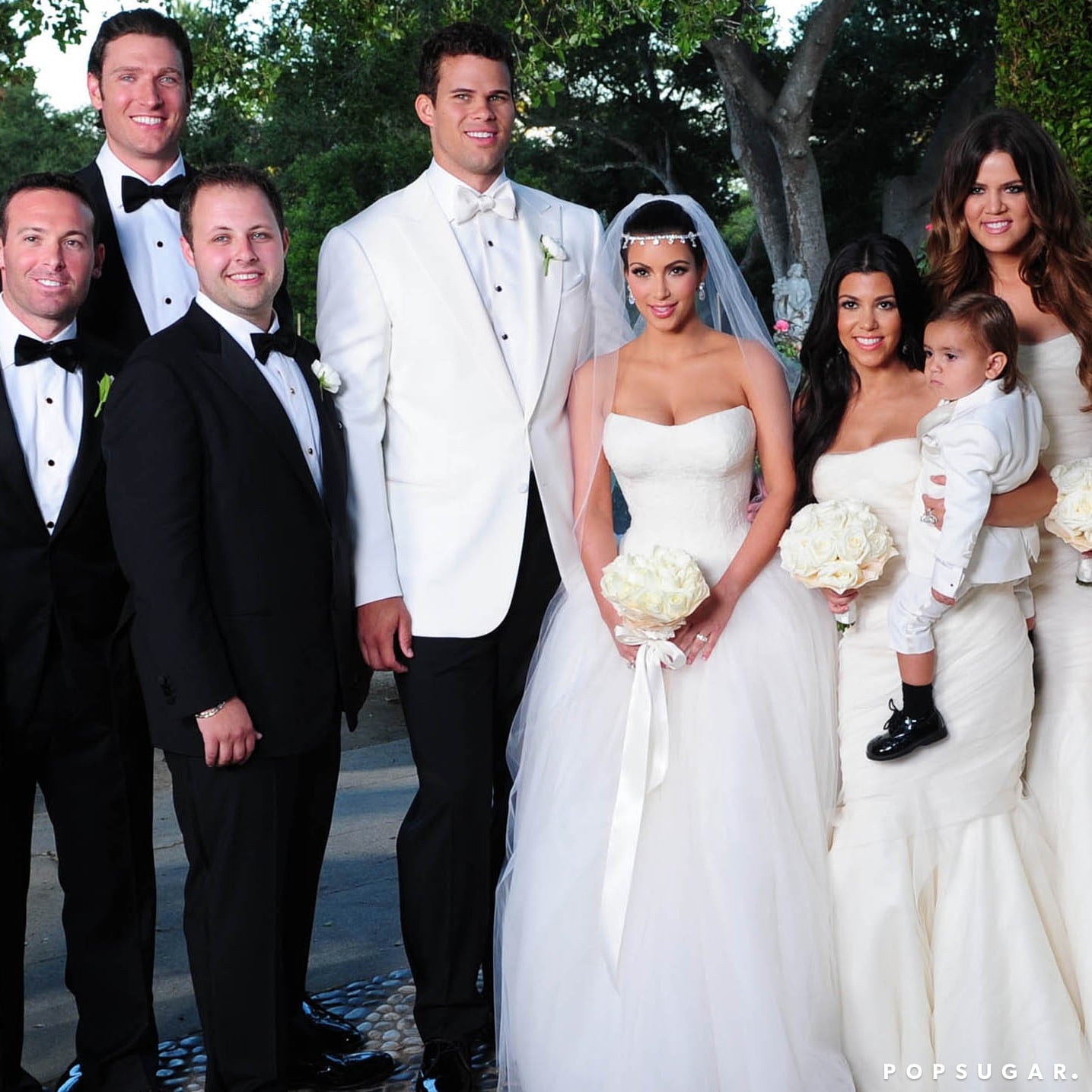
The wedding took place on August 20, 2011, at a private estate in Montecito, California. It was not merely a personal milestone but a massive commercial production. The event, titled Kim's Fairytale Wedding: A Kardashian Event, was filmed as a two-part special for E!.
Key details of the ceremony included:
- The Guest List: Approximately 450 attendees, including A-list celebrities like Serena Williams, Lindsay Lohan, and Eva Longoria.
- The Attire: Kardashian wore three custom Vera Wang gowns throughout the evening, while the bridesmaids wore white, mirroring the style of the British Royal Wedding earlier that year.
- The Aesthetic: A strict black-and-white theme was enforced for the decor and the guests’ attire.
- The Monetization: Reports suggested the couple earned millions from selling photo rights to People magazine and through various sponsorships and television broadcast fees, though the Kardashian family consistently denied that the marriage was a financial "scam."
The Breakdown: Why the Marriage Failed in 72 Days
The decline of the marriage was documented in the spin-off series Kourtney and Kim Take New York. Viewers witnessed immediate friction as the newlyweds moved into a penthouse suite at the Gansevoort Park Rooftop hotel.
Several factors contributed to the rapid dissolution of the union:
Geographic and Lifestyle Clashes
Kris Humphries, a native of Minnesota, expressed a desire to eventually return to a quieter life in the Midwest after his NBA career. Conversely, Kim Kardashian’s entire career and multi-million dollar business empire were rooted in Los Angeles and the constant proximity to the media. The realization that their long-term goals were diametrically opposed became a central point of contention.
The Pressure of Constant Filming
While Kardashian was accustomed to living her life in front of cameras, Humphries appeared increasingly uncomfortable with the invasive nature of reality TV production. The presence of a film crew during their "honeymoon phase" exacerbated existing tensions. In later interviews, Kardashian admitted that she felt pressure to go through with the wedding because it was being filmed, despite having "cold feet" prior to the ceremony.
Personality Incompatibility
The couple’s social dynamics were often at odds. Kardashian’s fast-paced, high-glamour lifestyle clashed with Humphries’ more casual and sometimes blunt personality. On-screen arguments often centered on mundane issues that were magnified by the stress of their new living situation and the public’s expectations of their relationship.
The Legal Battle: A Divorce Longer Than the Marriage
While the marriage lasted only 72 days, the legal battle to end it lasted significantly longer. Kim Kardashian filed for divorce on October 31, 2011, citing irreconcilable differences. However, Kris Humphries did not want a simple divorce; he sought an annulment based on fraud.
The Fraud Allegations
Humphries’ legal team argued that Kardashian had no intention of staying married and had used the wedding solely as a PR stunt to boost ratings for her television shows. This led to a protracted discovery phase where Humphries sought to prove that the "reality" depicted on screen was manufactured.
The Deposition Process
The legal proceedings involved the deposition of several key figures, including Kardashian’s mother and manager, Kris Jenner. The process was grueling and kept the couple legally tied for nearly two years. The public perception of the Kardashian brand took a hit during this period, as the "fake marriage" narrative dominated tabloid headlines.
Final Settlement
The divorce was finally granted in June 2013, just weeks before Kardashian gave birth to her first child with Kanye West. Humphries eventually dropped his demand for an annulment and a $7 million settlement, and the marriage was dissolved via a standard divorce. No money was reportedly exchanged, and both parties walked away with their respective assets as outlined in their prenuptial agreement.
Comparative Timeline: Marriage vs. Legal Proceedings
The following table illustrates the stark contrast between the duration of the actual marriage and the time it took to legally dissolve it.
| Event Phase | Start Date | End Date | Duration |
|---|---|---|---|
| Engagement | May 18, 2011 | August 20, 2011 | 94 Days |
| The Marriage | August 20, 2011 | October 31, 2011 | 72 Days |
| Divorce Proceedings | October 31, 2011 | June 3, 2013 | 581 Days |
| Total Association | May 2011 | June 2013 | ~25 Months |
Cultural Impact and Lessons Learned
The 72-day marriage became a cultural touchstone for several reasons. It forced a conversation about the authenticity of reality television and the ethics of monetizing personal relationships.
The Shift in Celebrity Strategy
Following the backlash, Kim Kardashian notably shifted her public persona. While she remained a reality star, she began to exercise more control over how her romantic life was portrayed. Her subsequent marriage to Kanye West was initially kept more private (by Kardashian standards), and she moved toward becoming a serious business mogul and criminal justice reform advocate.
Impact on Kris Humphries
For Humphries, the marriage and its aftermath were professionally and personally taxing. He was frequently booed on the NBA court by fans who viewed him as a "villain" in the Kardashian narrative. In a 2019 essay for The Players' Tribune, Humphries reflected on the period, stating that he dealt with significant anxiety and that the public's perception of the relationship as "fake" was particularly painful because his feelings had been genuine.
The 2026 Perspective: Legacy of the 72-Day Marriage
As of 2026, the 72-day marriage is viewed as a definitive "cringe" moment of the early 2010s, yet it was also a catalyst for the Kardashian family’s eventual evolution into a multi-billion dollar conglomerate. It served as a lesson in the dangers of over-exposure and the fragility of a brand built on a "fairytale" narrative that lacks a foundation in reality.
The event is often cited in discussions regarding:
- Prenuptial Agreements: The effectiveness of their ironclad prenup in protecting assets.
- Media Saturation: How much "reality" the public can consume before turning cynical.
- Brand Resilience: Kardashian’s ability to survive a PR disaster that would have ended the careers of lesser stars.
Frequently Asked Questions
Did Kim Kardashian get to keep the 20-carat engagement ring?
The prenuptial agreement allowed Kim to keep the ring if she paid Kris the original purchase price. However, Kris Humphries ultimately kept the ring and sold it at a Christie’s auction in 2013 for approximately $749,000—significantly less than its reported $2 million retail value.
Was the 72-day marriage actually "fake" for TV?
While Kris Humphries alleged fraud in legal filings, Kim Kardashian has consistently maintained that she was in love at the time but realized shortly after the wedding that the marriage was a mistake. No legal proof of "fraud" was ever substantiated in court, and the case ended in a standard divorce rather than an annulment.
How much money did the couple make from the wedding?
Estimates vary, but some reports suggest the couple earned up to $18 million from television rights, magazine exclusives, and sponsorships. However, a significant portion of these "earnings" were in the form of services (like the venue and gowns) provided for free in exchange for promotion, rather than direct cash payments to the couple.
How did the 72-day marriage end?
Kim Kardashian filed for divorce on October 31, 2011. The finalization was delayed until June 2013 because Kris Humphries sought an annulment on the grounds of fraud. After nearly two years of litigation, Humphries agreed to a divorce settlement, and the marriage was officially dissolved.
What happened to Kris Humphries after the divorce?
Kris Humphries continued his NBA career until 2017, playing for teams including the Boston Celtics, Washington Wizards, and Atlanta Hawks. Post-retirement, he transitioned into the business world, successfully owning several franchise locations for Five Guys and Crisp & Green. He has largely stayed out of the entertainment spotlight.
Practical Recommendation for Content Consumers
When analyzing celebrity events like the 72-day marriage, it is essential to distinguish between the produced narrative (what is shown on reality TV) and the legal reality (what is filed in court documents). For those interested in the business of celebrity, the Kardashian-Humphries saga serves as a primary example of how a PR crisis can be navigated and eventually neutralized through strategic rebranding and long-term business diversification.